Gas Grill & Griddle Combo: Chef’s Top Picks for Sustainable Outdoor Cooking
The modern outdoor kitchen has evolved dramatically, and the gas grill and griddle combo represents one of the most versatile cooking solutions available today. Whether you’re a seasoned pitmaster or a weekend entertainer, combining these two cooking surfaces offers unparalleled flexibility for preparing everything from perfectly seared steaks to delicate pancakes. This comprehensive guide explores the best options, sustainability considerations, and practical tips for maximizing your investment in outdoor cooking equipment.
As we become increasingly conscious of our environmental impact, understanding the energy efficiency and operational footprint of outdoor cooking appliances matters more than ever. Gas-powered equipment offers several advantages over charcoal and wood-fired alternatives, particularly regarding natural gas as an energy source, controlled emissions, and consistent heat management. When you choose a quality gas grill and griddle combo, you’re investing in equipment that can last for decades while delivering reliable performance.
Why Choose a Gas Grill and Griddle Combo
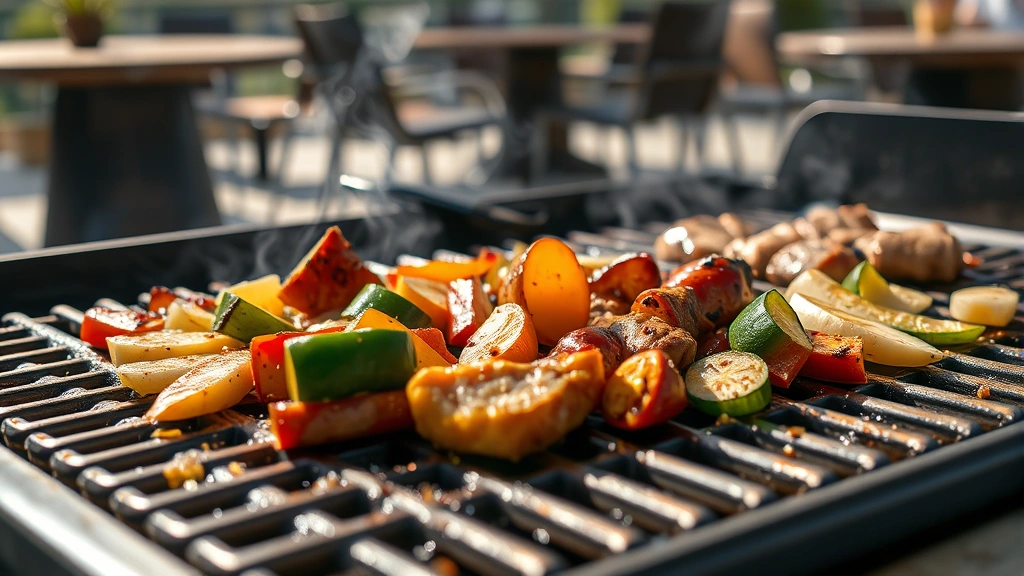
A gas grill and griddle combo eliminates the need to purchase separate cooking appliances, saving both space and money. The grill side provides the classic grilling experience with adjustable grates and direct heat, perfect for steaks, burgers, chicken, and vegetables. The griddle side, meanwhile, offers a flat cooking surface ideal for pancakes, eggs, bacon, stir-fries, and delicate items that might fall through traditional grates.
The efficiency of gas cooking cannot be overstated. Unlike charcoal, which requires lengthy heating periods and produces variable temperatures, gas grills heat up in minutes and maintain precise temperature control. This responsiveness translates to energy savings and reduced cooking times. When you explore sustainable energy solutions, you’ll find that modern gas cooking equipment represents a significant improvement over older generation models.
One of the primary advantages is the ability to cook multiple items simultaneously at different temperatures. While your griddle surface reaches ideal pancake-flipping temperature, your grill side can sear vegetables at high heat. This multitasking capability makes entertaining large groups substantially easier and more enjoyable.
Top-Rated Models and Features to Consider
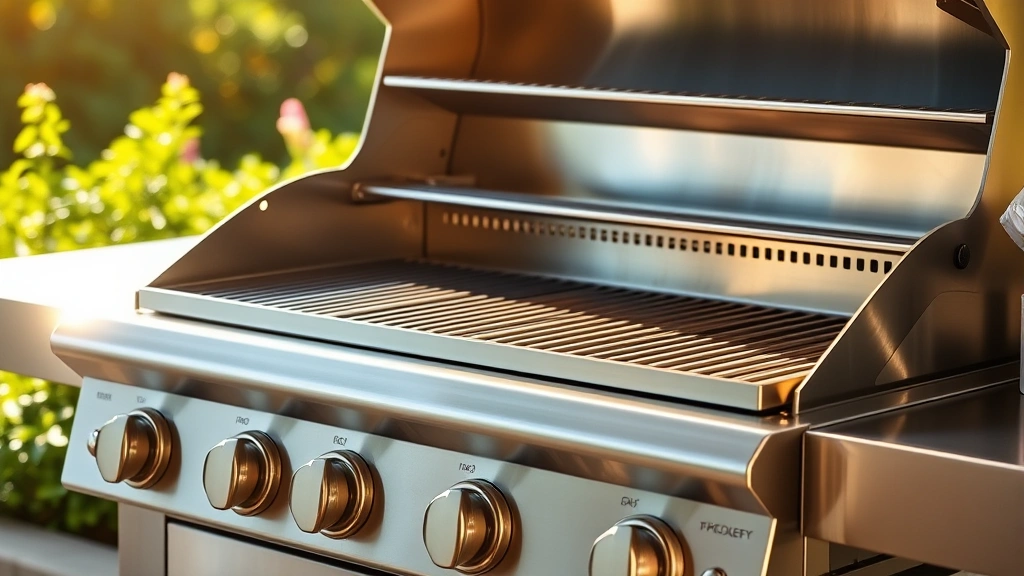
When shopping for the best gas grill and griddle combo, several key features distinguish premium models from budget options. Build quality matters significantly—stainless steel construction resists corrosion and weathering far better than painted steel. Look for models with heavy-gauge materials that won’t warp under heat stress.
The cooking surface area deserves careful consideration. A combo unit should provide at least 400-500 square inches of total cooking space, with balanced distribution between grill and griddle sections. Premium models from established manufacturers typically feature:
- Multiple burners with independent temperature controls
- Ceramic or stainless steel heat distribution systems
- Durable cast iron or stainless steel cooking grates
- Built-in thermometers for accurate temperature monitoring
- Grease management systems that reduce flare-ups
- Side burners for sauces and warming
- Stainless steel construction throughout
Leading manufacturers have engineered these systems to maximize efficiency while minimizing fuel consumption. When comparing models, pay attention to BTU (British Thermal Unit) ratings, which indicate heat output. However, higher BTU doesn’t always mean better cooking—efficiency matters more than raw power.
Professional chefs often recommend looking beyond flashy features to focus on reliable temperature control and even heat distribution. A well-designed gas grill and griddle combo should maintain consistent temperatures across both cooking surfaces without significant hot spots.
Sustainability Considerations for Gas Cooking
Understanding the environmental implications of your cooking choices connects directly to how to save energy at home principles. Natural gas produces fewer emissions than charcoal and wood, and modern gas grills operate with exceptional efficiency compared to older models. According to the U.S. Environmental Protection Agency, switching from charcoal to gas reduces particulate matter emissions by up to 80%.
The combustion process in gas grills is cleaner and more controlled than open-flame cooking methods. When properly maintained, a gas grill and griddle combo produces primarily carbon dioxide and water vapor—the same byproducts as most fuel combustion. This represents a measurable improvement in air quality compared to smoke-producing alternatives.
Additionally, gas cooking produces minimal waste. Unlike charcoal grilling, which generates ash that requires disposal, gas cooking leaves no residue beyond occasional grease management. When you consider the lifecycle of a quality gas grill—typically 15-20 years of reliable use—the environmental cost per meal cooked becomes remarkably low.
For those deeply committed to green technology innovations, propane and natural gas represent bridge fuels with significantly lower carbon footprints than charcoal or wood. While renewable energy sources continue advancing, gas cooking remains one of the most practical and environmentally conscious outdoor cooking options available today.
Consider pairing your gas grill and griddle combo with renewable energy infrastructure. If your home uses solar panels or wind power, your grilling becomes part of an integrated sustainable living strategy. The precision temperature control of gas cooking also reduces food waste by preventing overcooking and ensuring consistent results.
Installation and Safety Requirements
Proper installation of your gas grill and griddle combo ensures optimal performance and safety. Whether you’re connecting to natural gas lines or propane tanks, working with a licensed professional is strongly recommended. Natural gas connections require specific piping materials and pressure regulators that demand expertise to install correctly.
Safety considerations include:
- Ventilation: Ensure adequate air circulation around your cooking area to prevent gas accumulation
- Distance from structures: Position your grill at least 10 feet from wooden structures, awnings, or overhanging branches
- Level surface: Install on a stable, level foundation to prevent grease pooling and ensure proper burner function
- Gas leak detection: Use soapy water to check for leaks before first use and periodically thereafter
- Proper regulator installation: Ensure your propane regulator is correctly sized and installed
- Emergency access: Keep the gas shutoff valve easily accessible
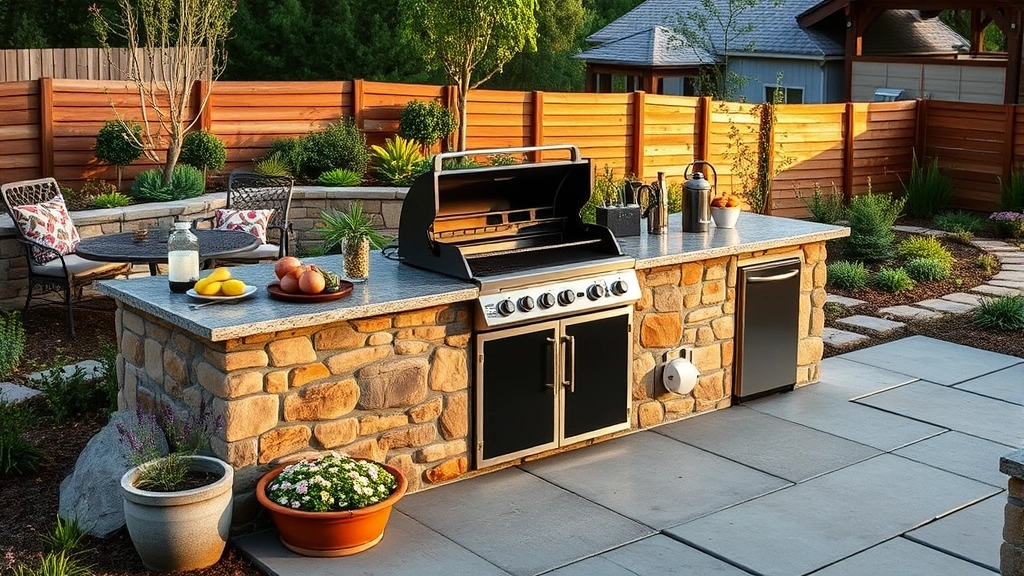
Your gas grill and griddle combo should be positioned in an area with good drainage to prevent water accumulation. Concrete pads work excellently for this purpose and provide a stable, level cooking platform. Never install your grill directly on wooden decks without proper fire-resistant barriers.
Regular safety inspections should become part of your seasonal maintenance routine. Check hoses for cracks or deterioration, inspect burners for proper ignition and flame quality, and verify that all connections remain tight and secure.
Maintenance and Longevity
A well-maintained gas grill and griddle combo can provide decades of reliable service, making regular upkeep essential for protecting your investment. Proper maintenance extends equipment life, ensures food safety, and maintains cooking performance.
Daily care: After each cooking session, allow your grill to cool completely, then brush grates with a grill brush to remove food residue. Wipe down the exterior with a damp cloth to prevent grease buildup.
Monthly maintenance: Deep clean your griddle surface with appropriate degreaser and scraper tools. Inspect burners for debris or blockages that might affect flame quality. Check propane levels if you’re using tank-based systems.
Seasonal care: At the beginning and end of grilling season, perform comprehensive inspections. Replace any deteriorated hoses, clean burner ports with small wires, and inspect the grease management system. Apply stainless steel polish to exterior surfaces to maintain appearance and protect against oxidation.
Annual professional service: Consider hiring a professional to inspect gas lines, test regulator function, and perform any necessary repairs. This investment typically costs $100-200 but can prevent costly problems and ensure safety.
Proper storage during off-season months significantly extends your gas grill and griddle combo’s lifespan. Cover it with a high-quality grill cover that allows air circulation while protecting from elements. If possible, store under a covered structure during winter months.
Cooking Techniques and Recipes
Mastering your gas grill and griddle combo opens countless culinary possibilities. The dual-surface design allows you to practice advanced cooking techniques impossible with single-surface equipment.
Grill-side techniques: Use direct heat for searing proteins and creating attractive char marks. Employ indirect heat (by turning off burners on one side) for slow-cooking larger cuts or finishing delicate items. Create temperature zones by using different burner settings, allowing you to move food between hot and cooler areas as needed.
Griddle-side techniques: Exploit the flat surface for even heat distribution when cooking breakfast items, stir-fries, or delicate fish. The griddle excels at cooking items that require constant motion and attention. Use it for sautéing vegetables before finishing on the grill, or for cooking side dishes simultaneously with your main course.
Combination cooking: Start vegetables on the griddle side to develop flavor through even browning, then transfer to the grill for finishing marks. Cook bacon on the griddle while grilling breakfast proteins. Prepare multiple components of complex dishes simultaneously without flavor cross-contamination.
Professional chefs recommend maintaining detailed notes about your specific equipment’s hot spots and temperature variations. Every gas grill and griddle combo has unique characteristics based on construction and burner placement. Learning these quirks through experimentation transforms you from a casual cook into a confident outdoor chef.
Budget-Friendly Options and Value Considerations
Quality gas grill and griddle combo equipment doesn’t necessarily require premium pricing. Mid-range models from reputable manufacturers often deliver exceptional value, offering most features professionals need at more accessible price points.
When evaluating budget options, prioritize durability over aesthetic features. A simple stainless steel combo with reliable burners and solid construction will outperform an elaborate model with poor temperature control and cheap materials. Look for:
- Established brands with proven track records and available replacement parts
- Stainless steel construction rather than painted steel
- Simple, reliable ignition systems (piezo igniters are typically more dependable than electronic systems)
- Adequate warranty coverage (3-5 years is standard for quality equipment)
- Models with straightforward designs that are easier to maintain
Consider purchasing during off-season months (late fall or winter) when retailers offer significant discounts. Many manufacturers introduce new models in spring, making previous-year inventory available at reduced prices. You’ll receive the same quality and functionality at substantially lower cost.
Investing in a quality gas grill and griddle combo represents a cost-per-use calculation that favors durability over budget options. A $1,500 grill used twice weekly for 15 years costs approximately $0.38 per use. A $500 budget model lasting only 5 years costs approximately $0.38 per use as well—but the premium option delivers superior cooking results and reliability throughout its lifespan.
Frequently Asked Questions
What’s the difference between a gas grill and griddle combo versus separate units?
A combo unit saves space, money, and installation complexity while providing the versatility of both cooking surfaces. Separate units offer more flexibility in placement and temperature control but require significantly more patio space and higher overall investment.
Can I use a gas grill and griddle combo for everyday cooking?
Absolutely. Many people use their combo units daily for breakfast, lunch, and dinner preparation. The versatility makes it practical for regular family cooking, not just entertaining.
How much propane or natural gas does a combo unit consume?
Consumption varies by model and usage, but most combo units consume 40,000-80,000 BTUs per hour at full capacity. A standard 20-pound propane tank typically lasts 4-8 weeks with regular use. Natural gas connections eliminate tank management entirely.
What’s the best way to clean the griddle surface?
Allow the surface to cool slightly, then scrape with a griddle tool while still warm. Wipe with a damp cloth, then season with a light oil coating to maintain the surface and prevent rust.
Can I convert my propane grill to natural gas?
Many models offer conversion kits, but professional installation is essential. Contact your grill manufacturer to confirm whether your specific model supports conversion and whether kits are available.
How do I prevent rust on my stainless steel combo unit?
Regular cleaning, proper storage with a quality cover, and occasional application of stainless steel protectant significantly extend equipment life. Always dry surfaces after cleaning to prevent water spots and corrosion.
What safety precautions should I take with a gas grill and griddle combo?
Never operate in enclosed spaces, maintain proper clearances from structures, keep the area well-ventilated, regularly inspect hoses and connections, and never leave a lit grill unattended.
Are combo units suitable for commercial or catering use?
While some high-capacity models work for small catering operations, professional-grade equipment is typically recommended for commercial use. Consumer-grade combo units are designed for residential applications.
The gas grill and griddle combo represents one of the smartest investments for outdoor cooking enthusiasts. By combining versatility, efficiency, and reliability, these units deliver years of exceptional performance while supporting your commitment to sustainable living practices. Whether you’re preparing simple weeknight dinners or hosting elaborate entertaining events, a quality gas grill and griddle combo becomes an indispensable part of your outdoor kitchen.


