Gas Grill Griddle Combo: Expert Buying Tips for Sustainable Outdoor Cooking
Choosing the right outdoor cooking equipment is more than just a lifestyle decision—it’s an opportunity to make environmentally conscious choices that align with sustainable living practices. A gas grill griddle combo represents a versatile cooking solution that can reduce food waste, minimize energy consumption, and provide years of reliable use when selected thoughtfully. Whether you’re a seasoned griller or exploring sustainable energy solutions for your home, understanding how to choose the right equipment matters.
This comprehensive guide explores everything you need to know about gas grill griddle combos, from fuel efficiency and material durability to cooking performance and long-term sustainability. We’ll help you navigate the market with confidence, ensuring your investment supports both your culinary ambitions and environmental values.
Understanding Gas Grill Griddle Combos
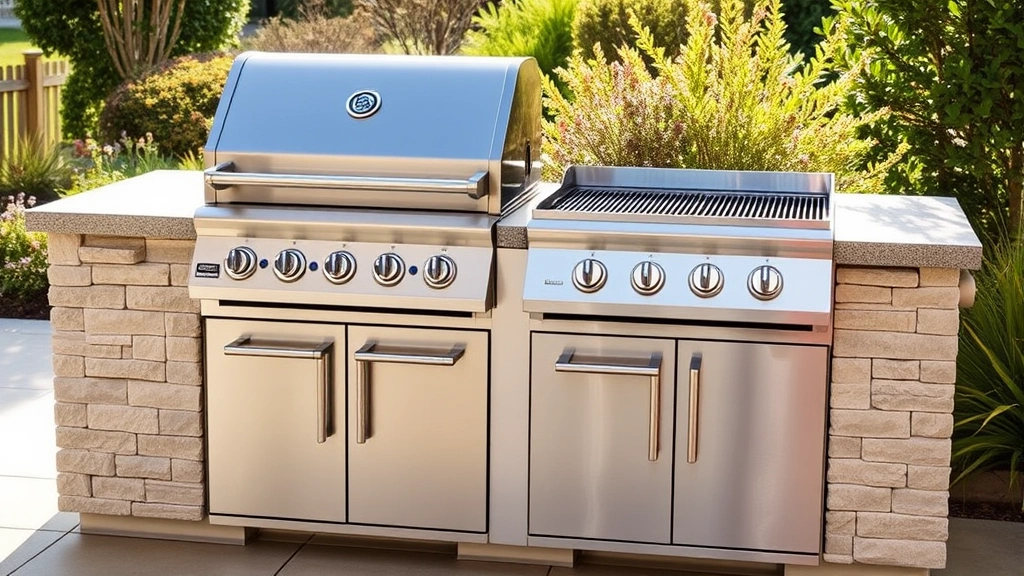
A gas grill griddle combo is a hybrid cooking appliance that combines traditional grill grates with a flat cooking surface, typically powered by propane or natural gas. This dual-functionality design allows you to grill meats and vegetables while simultaneously cooking pancakes, eggs, or stir-fries on the griddle side. Understanding the core mechanics helps you make an informed decision aligned with your cooking needs and sustainability goals.
The primary advantage of combo units lies in their versatility. Rather than purchasing two separate appliances—which increases manufacturing waste, packaging materials, and storage space requirements—a single unit performs multiple cooking functions. This consolidation approach reflects green technology innovations in outdoor cooking, where manufacturers design equipment to maximize efficiency and minimize environmental footprint.
Gas-powered combos offer consistent heat distribution, precise temperature control, and faster preheating compared to charcoal alternatives. Natural gas connections provide unlimited fuel supply without frequent tank replacements, while propane offers portability for those without permanent gas lines. Both options produce fewer emissions than charcoal and generate significantly less ash waste, making them more environmentally responsible choices for outdoor entertaining.
Key Features to Evaluate
When evaluating a gas grill griddle combo, several critical features determine cooking performance, durability, and overall satisfaction. Examining these elements systematically ensures you select equipment that meets your needs while maintaining quality standards.
Cooking Surface Area: Measure the total cooking space available on both grill and griddle sections. Most quality combos offer between 400-600 square inches of combined cooking space. Larger surfaces accommodate more food simultaneously, reducing cooking time and energy consumption. Consider your typical gathering size and cooking style when determining adequate surface area.
Heat Output and BTU Rating: British Thermal Units (BTUs) indicate the heating power of your equipment. Look for units with 40,000-60,000 BTUs for residential use, distributed evenly across cooking zones. Higher BTU ratings allow faster temperature increases and better heat retention, though excessive power often indicates inefficient fuel consumption. Balanced heat distribution across grill and griddle sections ensures consistent cooking results.
Burner Configuration: Quality combos feature separate burner controls for grill and griddle sections, enabling independent temperature management. This flexibility allows simultaneous cooking of foods requiring different heat levels. Stainless steel burners resist corrosion better than aluminum, extending equipment lifespan and reducing replacement waste.
Temperature Range: Premium units maintain temperatures from 200°F for low-and-slow smoking to 500°F+ for high-heat searing. Wider temperature ranges provide greater cooking versatility and allow proper heat management for various recipes and cooking techniques.
Fuel Efficiency and Environmental Impact
Fuel efficiency directly impacts both your operational costs and environmental footprint. A gas grill griddle combo’s efficiency rating indicates how effectively it converts fuel into usable heat for cooking rather than wasting energy through poor insulation or design flaws.
Natural gas connections eliminate propane tank disposal concerns, as the fuel supply comes directly from your home infrastructure. This setup reduces packaging waste and eliminates the environmental cost of transporting heavy propane cylinders. However, natural gas infrastructure requires professional installation, which may not suit all properties. According to the EPA’s greenhouse gas emissions overview, natural gas combustion produces approximately 30% fewer emissions than charcoal grilling.
Propane offers excellent efficiency with clean combustion and minimal environmental residue. Modern propane regulators precisely meter fuel flow, preventing waste and ensuring consistent performance. Propane grills heat faster than charcoal alternatives and maintain temperatures more reliably, reducing overall fuel consumption for comparable cooking tasks.
Look for combo units featuring insulated cooking chambers, which retain heat more effectively and reduce fuel requirements. High-quality insulation means your equipment reaches target temperatures faster and maintains them with less continuous fuel input. This efficiency translates to lower propane usage and reduced operational costs throughout the equipment’s lifespan.
Energy-conscious cooking also involves proper maintenance. Clean burners, intact thermometers, and well-sealed covers all contribute to optimal fuel efficiency. Investing in protective covers prevents weather damage that compromises insulation and forces increased heating to compensate for heat loss.
Material Quality and Durability
The materials used in construction directly determine your equipment’s longevity, maintenance requirements, and environmental impact. Quality materials reduce replacement frequency, minimizing manufacturing waste and resource consumption over time.
Stainless Steel Construction: Premium gas grill griddle combos feature 304 or 316-grade stainless steel for the exterior and cooking surfaces. These materials resist rust and corrosion without requiring protective coatings that may degrade or contaminate food. Stainless steel’s durability means your equipment maintains functionality for 10-15+ years with proper care, compared to 3-5 years for lower-quality alternatives. This longevity significantly reduces the environmental cost of replacement and disposal.
Cast Iron Grates and Griddle Surfaces: Cast iron distributes heat evenly and develops seasoning that improves non-stick properties over time. Unlike coated alternatives that eventually flake or degrade, cast iron actually improves with age and use. Proper seasoning and maintenance create a natural cooking surface that lasts indefinitely, eliminating the waste associated with replacing worn non-stick coatings.
Heavy-Gauge Steel Bodies: The cabinet structure should use 3mm or thicker steel, providing structural integrity and durability. Thinner materials warp under heat stress and deteriorate rapidly, necessitating premature replacement. Heavier construction also provides better insulation, improving fuel efficiency and heat retention.
Welding Quality: Examine seams and joints carefully. Professional TIG welding creates stronger, more corrosion-resistant connections than spot welding. Quality welds prevent rust from spreading through seams and maintain structural integrity through thermal expansion and contraction cycles.
Size and Space Considerations
Selecting appropriate dimensions for your space prevents installation regrets and ensures your equipment functions safely and effectively. Proper sizing also relates to energy efficiency—oversized equipment in small spaces may struggle with heat distribution, while undersized units require longer cooking times.
Footprint Assessment: Measure your intended installation area carefully, including space for opening doors and accessing burners for cleaning. Most quality combos measure 48-60 inches wide, 24-30 inches deep, and 36-48 inches tall. Allow minimum 3-foot clearance from walls, fences, or structures, as gas grills require ventilation to prevent heat concentration and carbon dioxide buildup.
Built-in vs. Freestanding: Built-in units integrate into outdoor kitchen structures, optimizing space usage and creating cohesive designs. Freestanding models offer flexibility for repositioning and easier maintenance access. Consider your long-term outdoor space plans when choosing between these options.
Cart Design: Freestanding models on wheeled carts provide mobility for cleaning and storage. Quality carts feature locking wheels, stable construction, and weather-resistant materials. Mobility allows seasonal storage, reducing weather exposure and extending equipment lifespan.
Budget and Value Analysis
Gas grill griddle combo pricing ranges from $300 for basic models to $3,000+ for premium equipment. Understanding value rather than focusing solely on price ensures your investment delivers long-term satisfaction and environmental benefits.
Entry-Level Options ($300-800): These models offer basic functionality with adequate cooking surfaces and reliable gas heating. They suit occasional users and smaller gatherings. However, entry-level construction often compromises on material quality, resulting in shorter lifespans and higher replacement frequency. Consider the environmental cost of more frequent replacements when evaluating budget options.
Mid-Range Equipment ($800-1,500): This tier offers improved stainless steel construction, better insulation, and more precise temperature controls. Mid-range combos typically last 7-10 years with proper maintenance, providing better long-term value. They suit regular home entertaining and justify the investment through durability and performance.
Premium Models ($1,500-3,000): High-end combos feature professional-grade materials, superior construction, and extensive warranties. These units often include additional features like rotisserie attachments, infrared burners, or integrated storage. Premium equipment lasts 15+ years, and manufacturers typically support these investments with comprehensive warranties and replacement parts availability.
Calculate total cost of ownership by factoring in fuel consumption, maintenance supplies, and replacement frequency. A more expensive unit using fuel more efficiently may deliver lower overall costs than a bargain option requiring frequent repairs or replacement.
Installation and Maintenance
Proper installation and maintenance practices maximize equipment lifespan and ensure safe operation. These practices also contribute to fuel efficiency and optimal performance throughout your equipment’s life.
Professional Installation: If your combo requires natural gas connection, hire licensed professionals to ensure proper line sizing, pressure regulation, and safety compliance. Professional installation prevents gas leaks, ensures correct pressure delivery, and validates warranty coverage. The modest installation cost prevents dangerous operating conditions and protects your investment.
Propane Tank Safety: If using propane, store tanks upright in well-ventilated areas away from high-traffic zones. Check connections regularly for leaks using soapy water—bubbles indicate escaping gas requiring immediate attention. Replace tanks at certified retailers, ensuring proper handling and recycling of empty containers.
Seasonal Maintenance: Clean grates and griddle surfaces monthly during active use to prevent buildup that reduces heat transfer efficiency. Inspect burners quarterly, clearing any debris blocking gas ports. Check seals and gaskets annually, replacing worn components to maintain gas-tight integrity. Cover your equipment during off-season storage to prevent weather damage and corrosion.
Thermometer Calibration: Accurate temperature readings ensure proper cooking and fuel efficiency. Test thermometers seasonally using the ice-water method (32°F) and boiling water (212°F), recalibrating or replacing inaccurate gauges. Proper temperature monitoring prevents overcooking and excessive fuel consumption.
Regular maintenance aligned with manufacturer recommendations protects your investment and maintains fuel efficiency. Keeping detailed maintenance records documents your care practices and supports warranty claims if issues arise.
FAQ
What’s the difference between a gas grill griddle combo and separate units?
A combo unit combines both functions in a single appliance, reducing manufacturing waste, packaging materials, and storage space requirements. Separate units offer independent temperature control but require more space and manufacturing resources. Combos provide convenience and environmental benefits through consolidated design.
How often should I replace propane tanks?
Propane usage depends on cooking frequency, BTU output, and usage intensity. Most household users refill tanks every 2-4 months during grilling season. Natural gas eliminates this concern by providing continuous supply through your home infrastructure. Track your usage patterns to anticipate refill needs and prevent mid-meal fuel depletion.
Can I convert a propane grill to natural gas?
Most quality gas grills can be converted with proper regulator and burner orifice modifications. However, conversions require professional installation and may void warranties. Purchase equipment configured for your fuel source rather than attempting conversions.
What size combo do I need for entertaining?
A general rule suggests 30-40 square inches of cooking surface per person. For entertaining 6-8 people regularly, choose a combo offering 250-350 square inches. Larger gatherings benefit from 400+ square inches. Consider your typical guest count and cooking style when selecting size.
How long should a quality gas grill griddle combo last?
Premium stainless steel combos typically last 15-20 years with proper maintenance. Mid-range equipment lasts 7-10 years, while entry-level models may need replacement after 3-5 years. Longevity depends heavily on material quality, maintenance consistency, and climate exposure. Investing in quality equipment reduces replacement frequency and associated environmental costs.
Are gas grills more efficient than charcoal?
Yes, gas grills convert fuel to heat more efficiently than charcoal, producing fewer emissions and less waste. According to the U.S. Department of Energy, gas grills heat faster and maintain temperatures with less fuel waste. This efficiency advantage supports both cost savings and environmental responsibility.
What maintenance prevents rust and corrosion?
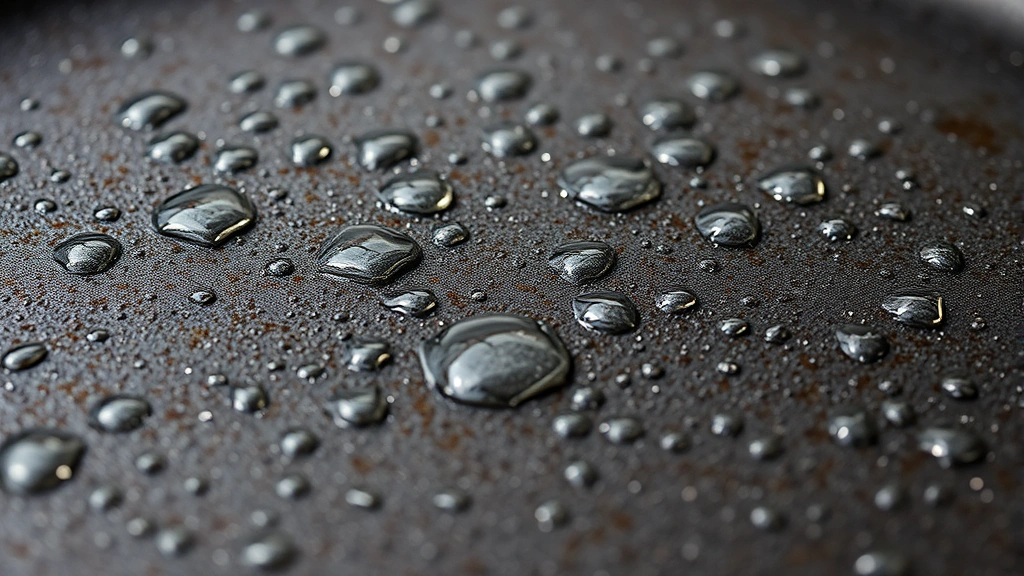
Regular cleaning, proper covering during storage, and prompt attention to water spots prevent rust development. Stainless steel surfaces benefit from occasional polishing with appropriate products. Inspect seams and welds regularly, addressing any rust spots immediately before corrosion spreads. Proper ventilation and weather protection extend equipment lifespan significantly.
Should I buy a combo or separate grill and griddle?
Combos suit most home cooks, offering versatility and space efficiency. Separate units work better if you frequently cook for large groups requiring simultaneous grill and griddle use. Evaluate your cooking patterns, available space, and budget to determine which option better serves your needs. From a sustainability perspective, combos minimize resource consumption and manufacturing waste.
Exploring how to save energy at home extends beyond indoor practices into outdoor entertainment spaces. Your gas grill griddle combo choice reflects broader commitments to sustainable energy solutions and responsible resource management.
For additional context on sustainable living practices, visit our sustainability blog to explore comprehensive guides on eco-conscious lifestyle decisions. Understanding how outdoor cooking equipment choices impact your environmental footprint contributes to informed purchasing decisions that align with your values.
When considering long-term sustainability, recognize that equipment durability matters profoundly. A premium gas grill griddle combo may cost more initially, but its extended lifespan, superior fuel efficiency, and reduced maintenance requirements create significantly lower environmental impact over its lifetime compared to cheaper alternatives requiring frequent replacement.
Research manufacturers who prioritize sustainable practices, including responsible material sourcing, efficient manufacturing processes, and comprehensive recycling programs for old equipment. Some companies offer take-back programs for equipment at end-of-life, ensuring proper recycling and material recovery. These practices reflect genuine commitment to environmental stewardship beyond marketing claims.
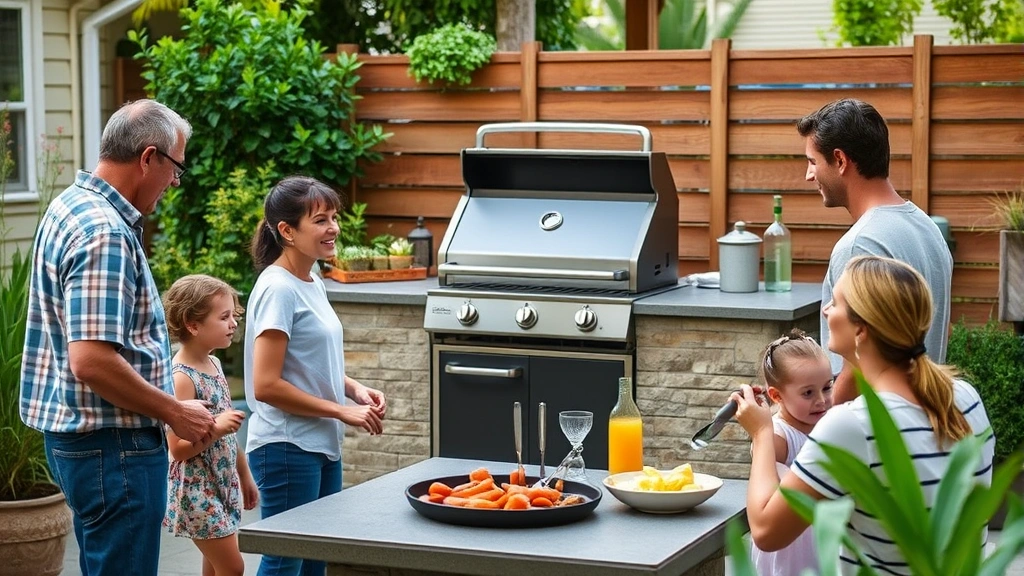
Connect your outdoor cooking choices to broader sustainability goals by considering how entertaining practices influence resource consumption. Hosting gatherings that celebrate good food, community, and outdoor enjoyment creates value that justifies investment in quality equipment. Thoughtful equipment selection demonstrates that environmental responsibility and culinary enjoyment coexist harmoniously.
Your gas grill griddle combo represents more than cooking convenience—it’s an opportunity to demonstrate commitment to informed purchasing, long-term value, and environmental stewardship. By evaluating features systematically, prioritizing durability, and selecting equipment aligned with your needs and values, you’ll enjoy years of reliable service while supporting sustainability goals that extend throughout your household.


