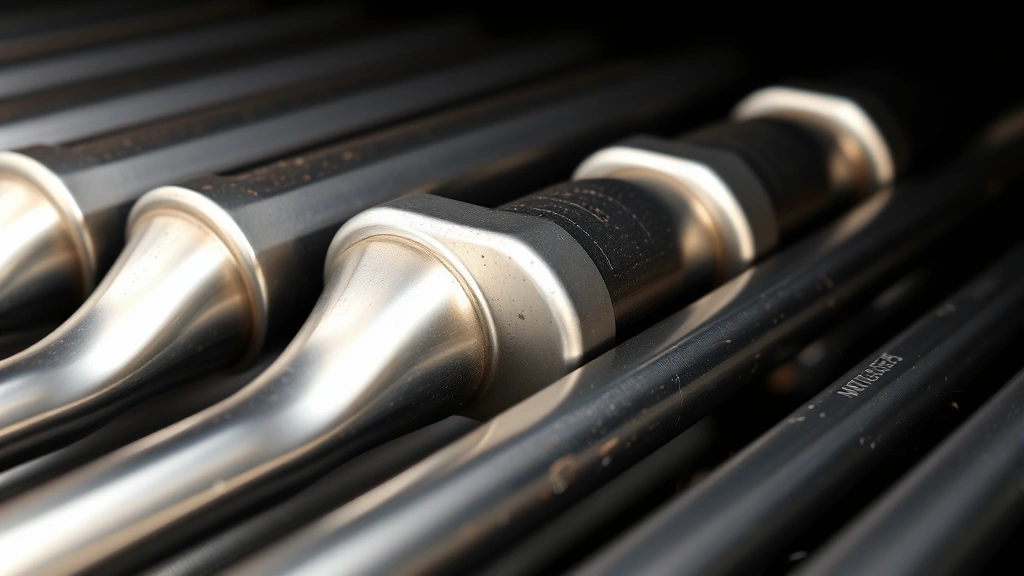
Extend Grill Life: Expert Tips on Gas Grill Parts and Maintenance
Your gas grill is more than just a cooking appliance—it’s an investment in outdoor living and, when maintained properly, a sustainable choice that reduces the need for frequent replacements. Understanding how to care for gas grill parts is essential for maximizing the lifespan of your equipment while minimizing waste. A well-maintained grill can serve your family for over a decade, significantly reducing your environmental footprint compared to purchasing new units every few years.
The reality is that most grill owners don’t realize how simple maintenance can extend their equipment’s life by 50% or more. By learning about critical components and implementing preventative care strategies, you’ll save money, reduce landfill waste, and ensure consistent cooking performance. This comprehensive guide walks you through everything you need to know about maintaining your gas grill’s essential parts.
Understanding Key Gas Grill Components
Before diving into maintenance strategies, it’s crucial to understand what makes up your gas grill. The primary components include burners, grates, flavorizer bars (or heat tents), thermometers, ignition systems, regulators, and the exterior shell. Each part plays a vital role in your grill’s performance and longevity.
The burner is arguably the most important component—it’s where fuel ignites and creates heat. Most gas grills feature multiple burners that allow for zone cooking, where you can maintain different temperatures across the cooking surface. Understanding how these parts work together helps you identify problems early and take preventative action before minor issues become costly repairs.
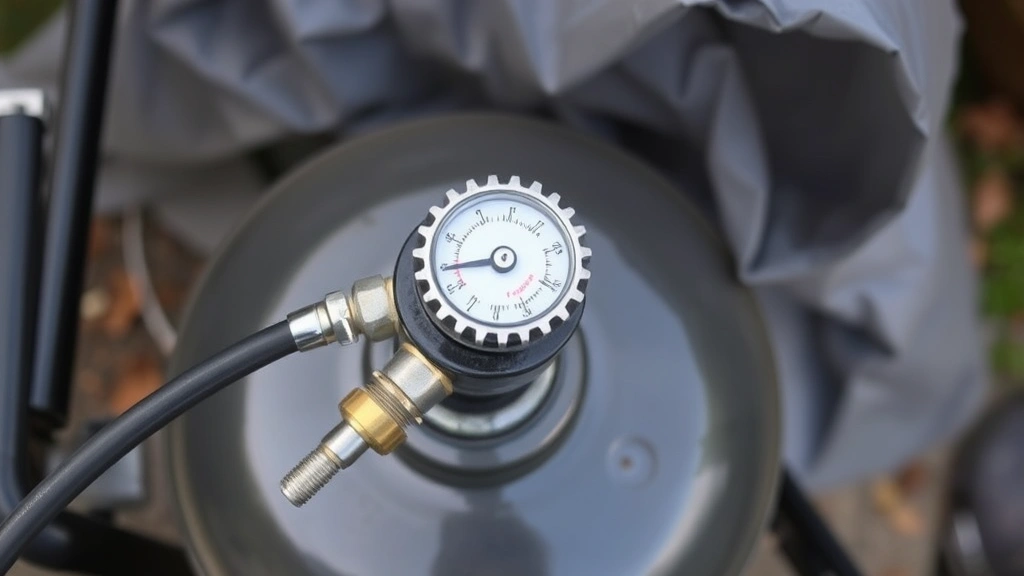
Many grill owners overlook the regulator, a small but critical device that controls gas flow from your tank to the burners. A faulty regulator can affect heat consistency and fuel efficiency. Similarly, the thermometer helps you monitor cooking temperatures accurately, though many built-in thermometers become unreliable over time and may need replacement.
When you understand your grill’s anatomy, you’re better equipped to implement the strategies to reduce your environmental footprint by extending product lifespan—a key sustainability principle that applies to all consumer goods.
Burner Maintenance and Replacement
Burners are the heart of your gas grill, and proper maintenance directly impacts how long they’ll function effectively. Over time, burners can become clogged with food debris, grease buildup, and insect nests, all of which restrict gas flow and reduce heating efficiency.
Regular Cleaning Protocol:
- After each use, brush the grates to remove food particles that could fall onto burners
- Monthly, carefully remove burners and inspect for blockages using a thin wire or paperclip to clear any holes
- Use a soft brush to gently clean the burner surface without damaging the ignition ports
- Check for spider webs or insect nests, which are surprisingly common in stored grills
- Ensure the burner sits properly in its bracket to maintain even heat distribution
If you notice uneven flames or cold spots on your grill, burner damage is likely the culprit. Gas grill parts like burners typically last 5-15 years depending on usage and climate. In humid coastal areas, corrosion accelerates, while dry climates extend burner life. When replacement becomes necessary, investing in quality aftermarket burners often costs less than premium OEM parts while maintaining excellent performance.
The ignition electrode, which sparks to light your burners, is another burner-related component requiring attention. If your grill won’t ignite, the electrode may be dirty or damaged. Cleaning it with a dry cloth often solves the problem. If cleaning doesn’t work, replacement electrodes are inexpensive and straightforward to install.
Understanding the advantages of natural gas grilling includes recognizing how proper burner maintenance ensures you’re using this fuel source as efficiently as possible, minimizing waste and emissions.
Grates, Flavorizer Bars, and Heat Distribution
Cooking grates and flavorizer bars (heat tents) work together to distribute heat evenly and create those desirable grill marks. These components endure extreme temperatures and direct contact with food, making them susceptible to rust and degradation.
Grate Maintenance:
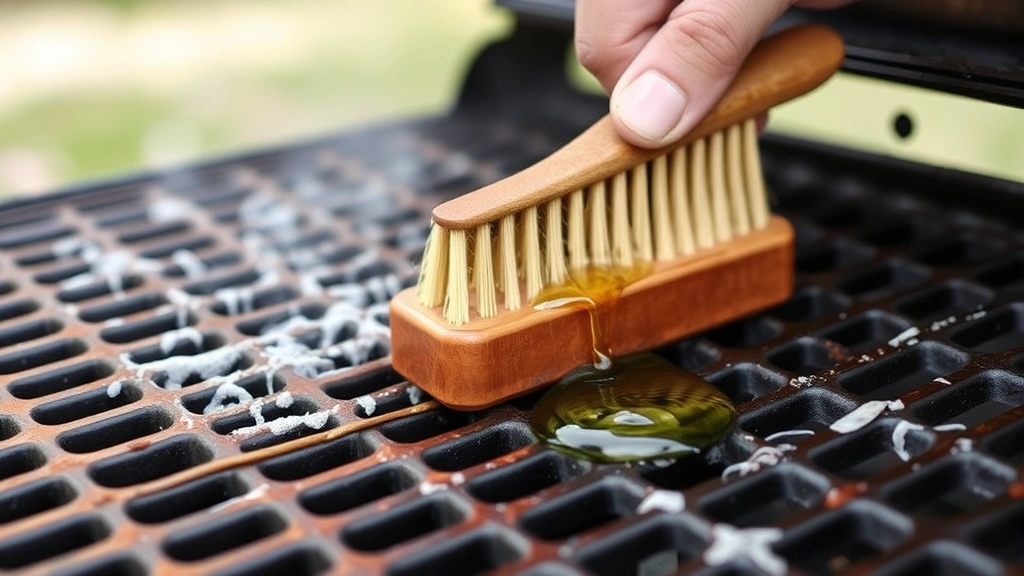
Cast iron grates are prized for heat retention but require seasoning to prevent rust. After cleaning, apply a light coat of high-heat cooking oil while grates are still warm. This creates a protective layer that prevents moisture infiltration. Stainless steel grates are lower-maintenance but still benefit from regular cleaning to prevent corrosion in humid environments.
Most grates last 8-12 years with proper care, though replacement is more common than burner replacement because homeowners upgrade for aesthetic reasons or performance improvements. Upgrading to recommended resources from our sustainability blog on product longevity can help you decide whether replacement is necessary or if rehabilitation is possible.
Flavorizer Bar Care:
These bars sit below grates and catch drippings, which then vaporize to create smoke flavor. Over time, they accumulate grease buildup that can ignite. Cleaning involves removing bars and scraping off buildup with a grill brush. Some bars are disposable aluminum, while others are stainless steel and can be cleaned indefinitely. Disposable bars should be replaced annually or when they become too corroded.
The drip pan below flavorizer bars should be emptied regularly to prevent grease fires and pest problems. Many grillers line their drip pans with aluminum foil for easier cleanup, though this adds to landfill waste. Consider using washable, reusable liners instead to support your sustainability goals.
Ignition Systems and Controls
Modern gas grills rely on electronic ignition systems, typically using either a battery-powered spark igniter or a push-button system. These systems make grilling convenient but introduce electrical components that can fail.
Common Ignition Issues:
- Dead batteries: Most battery-powered igniters use AA or AAA batteries. Replace them annually or when ignition becomes unreliable
- Dirty electrodes: Moisture and debris accumulate on spark electrodes, preventing proper spark generation
- Loose connections: Vibration from use can loosen wires connected to ignition components
- Corroded components: Salt air and moisture corrode ignition systems faster than other grill parts
Before replacing expensive ignition systems, troubleshoot by checking batteries first. Clean electrodes with a dry cloth or fine sandpaper. Inspect all connections and tighten if necessary. Many ignition problems resolve with these simple steps, extending the life of your electrical components.
Control knobs and valves regulate gas flow and should move smoothly without resistance. If they become stiff or corroded, apply a small amount of food-grade silicone lubricant (never use WD-40 on food-contact surfaces). If valves become permanently stuck, replacement is necessary to maintain safe operation.
Protecting Your Grill Exterior
Your grill’s exterior—typically made from stainless steel, painted steel, or aluminum—faces constant environmental assault from UV rays, moisture, temperature fluctuations, and salt spray in coastal areas.
Protective Strategies:
- Use a high-quality grill cover when not in use, especially during off-season storage
- Position your grill under a covered patio or pergola to minimize direct weather exposure
- Clean the exterior monthly with appropriate cleaners for your material type
- Apply stainless steel polish to steel surfaces to maintain appearance and add protective coating
- Inspect seals and gaskets regularly, replacing them if they crack or deteriorate
- Check for rust spots immediately and treat with naval jelly or rust converter before painting
The exterior housing protects internal components from weather damage. A compromised exterior allows moisture to reach burners, regulators, and electrical systems, accelerating deterioration. Investing in grill protection now prevents expensive internal damage later.
Thermometer accuracy matters for both cooking quality and grill longevity. Built-in thermometers often fail after 2-3 years. Replacing them with accurate aftermarket models ensures you cook at proper temperatures, preventing the overheating that damages internal components.
Seasonal Care and Storage
How you prepare your grill for seasonal transitions significantly impacts component longevity. Proper storage prevents the rust and corrosion that shorten grill lifespan.
Pre-Winter Storage:
- Deep clean the entire grill, removing grease and food debris
- Empty the propane tank completely or store the grill with the tank valve closed and regulator disconnected
- Leave grates and flavorizer bars in place to protect internal components
- Cover the grill with a breathable cover that prevents moisture accumulation
- Store in a dry location, ideally indoors, if possible
- In humid climates, place moisture-absorbing containers inside the grill
Spring Preparation:
- Inspect all visible components for rust or damage
- Clean the interior thoroughly, removing any debris or pest nests
- Replace the propane tank and check the regulator for proper function
- Run the grill at high temperature for 15 minutes to burn off any protective coatings applied during storage
- Test all burners and ignition systems before cooking food
Regular seasonal maintenance aligns with the sustainable energy solutions philosophy of maximizing equipment efficiency and lifespan. Well-maintained grills use less fuel and perform better, reducing both environmental impact and operating costs.
Sourcing Quality Replacement Parts
When gas grill parts need replacement, you have several sourcing options, each with different quality levels and price points.
OEM (Original Equipment Manufacturer) Parts:
These are made by your grill’s manufacturer and guarantee exact compatibility. They’re typically the most expensive option but offer the highest quality assurance. Choose OEM parts for critical safety components like regulators and ignition systems.
Aftermarket Parts:
Third-party manufacturers produce compatible parts at lower costs. Quality varies significantly, so research reviews and manufacturer reputation before purchasing. Many aftermarket burners and grates perform excellently at 40-60% less than OEM prices. For non-critical components like grates and flavorizer bars, quality aftermarket parts offer excellent value.
Universal Parts:
Some components like thermometers, covers, and cleaning tools are universal. These are often the most affordable and work across multiple grill brands. They’re excellent choices for non-branded items.
When shopping, verify compatibility using your grill’s model number, typically found on a nameplate inside the unit or in your owner’s manual. Many online retailers provide compatibility guides to ensure you order the correct parts.
Sustainable Grilling Practices
Extending your grill’s lifespan is inherently sustainable, but you can amplify your environmental responsibility through additional practices.
Reduce, Reuse, Recycle:
- Repair rather than replace whenever possible—most grill problems have straightforward solutions
- Source used parts from grill repair shops or online marketplaces before buying new
- Recycle old components responsibly; scrap metal recyclers accept stainless steel and aluminum
- Donate functioning grills you’re upgrading rather than discarding them
According to the EPA’s recycling guidelines, properly disposing of metal grill components prevents environmental contamination and conserves resources. Metals are infinitely recyclable without quality degradation, making recycling the preferred option for old parts.
Energy Efficiency:
A well-maintained grill operates more efficiently, using less propane to achieve desired temperatures. This reduces your carbon footprint and fuel costs. Clean burners, intact gaskets, and functional thermometers all contribute to optimal efficiency. The U.S. Department of Energy emphasizes that equipment maintenance is crucial for energy efficiency across all appliances.
Responsible Fuel Choices:
Natural gas grills connected to home gas lines eliminate the need for propane tank exchanges, reducing transportation emissions and packaging waste. If you use propane, ensure proper tank recycling when they reach end-of-life. Many propane retailers accept old tanks for recycling or refurbishment.
Consider the environmental impact of your grilling habits. Cooking outdoors reduces energy use compared to indoor cooking because it doesn’t heat your home. Grilling efficiently—maintaining consistent temperatures, cooking multiple items simultaneously, and minimizing preheating—maximizes this environmental advantage.
Community and Knowledge Sharing:
Share your grill maintenance knowledge with friends and family. When more people extend their equipment’s lifespan, the collective environmental impact is substantial. Communities that prioritize equipment longevity reduce manufacturing demands and associated environmental degradation.
FAQ
How often should I replace my grill’s gas grill parts?
Component lifespan varies significantly based on usage frequency, climate, and maintenance quality. Burners typically last 5-15 years, grates 8-12 years, and flavorizer bars 3-5 years. Regular maintenance extends these timelines considerably. Inspect components annually and replace only when they show signs of failure or significant corrosion.
Can I use my grill year-round without damaging parts?
Yes, but winter conditions require extra protection. Use a quality cover, ensure proper drainage to prevent water accumulation, and consider storing the grill indoors during extreme weather. In mild climates, year-round use with monthly maintenance poses no problems. In harsh climates, winter storage extends component lifespan significantly.
What’s the most common reason grills fail prematurely?
Inadequate maintenance is the primary culprit. Grease buildup, clogged burners, corroded components, and exposed electrical systems all result from neglecting regular cleaning and seasonal care. Most premature failures are preventable through consistent maintenance.
Are expensive grill covers worth the investment?
Quality covers provide excellent protection and extend grill lifespan by preventing rust, UV damage, and weather deterioration. While expensive initially, they pay for themselves by extending your grill’s life by several years. Breathable covers prevent moisture accumulation better than cheap vinyl alternatives.
Can I upgrade my grill instead of replacing individual parts?
Absolutely. Many aftermarket upgrades improve performance without requiring full replacement. Upgrading to stainless steel grates, better thermometers, or improved burners can revitalize an aging grill. This approach extends your investment’s life while improving your grilling experience.
What should I do if my grill won’t ignite?
Start with the simplest solutions: replace batteries in battery-powered igniters, clean the ignition electrode with a dry cloth, check that the gas valve is fully open, and verify propane tank has fuel. If these steps don’t work, the ignition system likely needs replacement, which is straightforward and inexpensive.
How do I know which replacement parts are compatible with my grill?
Locate your grill’s model number on the nameplate, usually inside the unit or in documentation. Use this number to search manufacturer websites or online retailers’ compatibility guides. Never guess—incompatible parts may not fit or could create safety hazards.
Is it better to repair or replace my grill?
Repair is typically better environmentally and financially unless your grill is over 15 years old with multiple failing components. A grill requiring one or two part replacements is usually worth repairing. If multiple major systems fail simultaneously, replacement may be more cost-effective. Consider your grill’s sentimental value and performance history when deciding.


