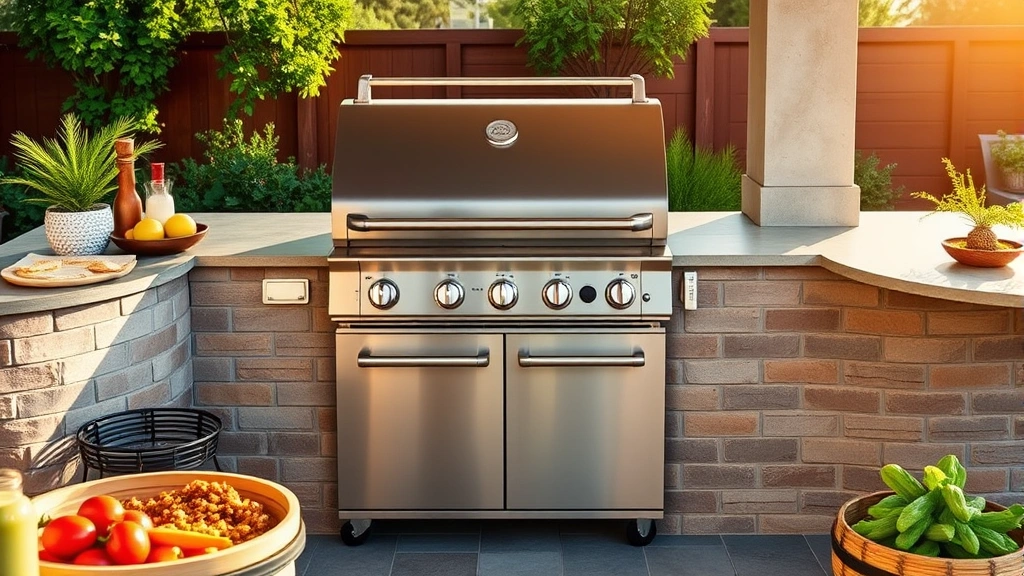
Gas Grills: Are Side Burners Essential? Chef’s Advice
When shopping for a gas grill, you’ll encounter countless features and options that can make the decision overwhelming. Among the most debated additions is the side burner—a convenient cooking surface positioned adjacent to the main grilling area. But is this feature truly essential, or is it simply an expensive add-on that clutters your outdoor kitchen? As both a culinary professional and sustainability-conscious consumer, I’ve tested dozens of grills and can offer practical insights into whether a gas grill with side burner deserves a place in your backyard.
Side burners have become increasingly popular in recent years, with manufacturers promoting them as must-have features for modern outdoor cooking. However, the reality is more nuanced. Your decision should depend on your cooking style, entertaining habits, budget constraints, and outdoor space. This comprehensive guide explores the functionality, benefits, drawbacks, and alternatives to help you make an informed choice that aligns with both your culinary needs and environmental considerations.
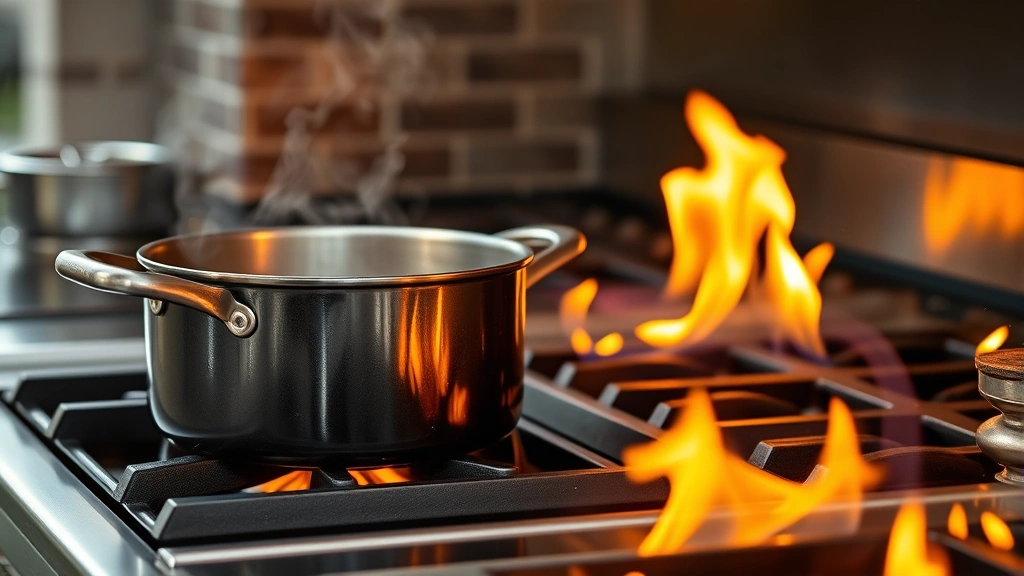
What Exactly Is a Side Burner?
A side burner is a compact cooking surface, typically featuring one or two burners, installed on the side of a gas grill unit. These burners operate independently from the main grilling surface and provide direct heat for cooking in pans, pots, or skillets. Most side burners deliver between 10,000 and 15,000 BTU (British Thermal Units) of heat output, making them comparable to a single burner on a residential stovetop.
The design varies across manufacturers and grill models. Some grills feature side burners integrated into the grill’s frame, while others offer them as detachable or portable units. Premium models often include side burners with adjustable heat settings, built-in thermometers, and durable stainless steel construction. Understanding these variations helps clarify whether this feature aligns with your cooking requirements and best gas grill for the money considerations.
The primary purpose of a side burner is to expand your outdoor cooking capabilities beyond traditional grilling. Rather than running back and forth to your indoor kitchen, you can prepare sauces, warm side dishes, boil water, or cook proteins simultaneously with your main grilling operation.
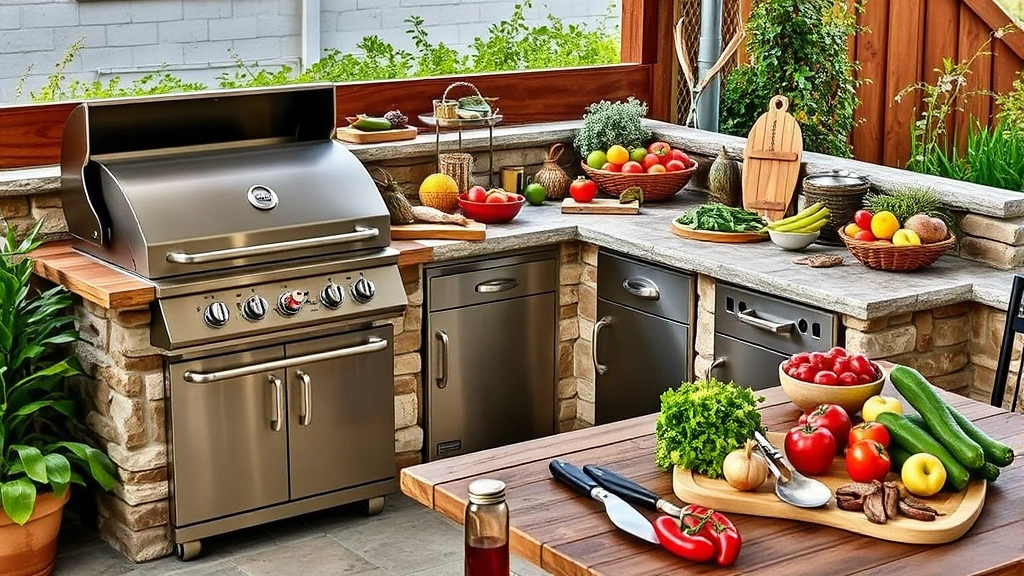
Practical Advantages of Side Burners
Convenience and Workflow Efficiency
The most compelling argument for side burners centers on convenience. During entertaining, having a dedicated cooking surface eliminates the need to constantly transition between your grill and kitchen. You can simmer a glaze for ribs, reduce a sauce, sauté vegetables, or boil corn while your main proteins cook on the primary grill surface. This workflow efficiency is particularly valuable when hosting larger gatherings where timing coordination becomes critical.
Professional chefs and catering services frequently emphasize this advantage. The ability to manage multiple cooking temperatures and techniques simultaneously transforms your grill from a one-dimensional cooking tool into a complete outdoor kitchen station. When preparing complex meals with multiple components requiring different heat levels and cooking times, side burners provide essential flexibility.
Space Maximization for Entertaining
If you frequently host dinner parties, family gatherings, or outdoor events, side burners reduce your reliance on indoor kitchen access. Guests can remain in the entertaining area while you prepare dishes without abandoning your hosting duties. This creates a more cohesive social experience and allows you to maintain conversation while cooking.
Specialized Cooking Techniques
Certain culinary techniques require sustained, controlled heat that traditional grilling doesn’t provide. Braising, simmering, and sauce reduction all benefit from side burner access. If you enjoy Asian cuisine, Mediterranean cooking, or any style emphasizing aromatic bases and complex sauces, side burners unlock these possibilities in your outdoor space.
Additionally, side burners excel at boiling water for pasta, corn, or seafood—tasks that would be impractical on a traditional grill surface. The ability to maintain consistent temperatures over extended periods enables techniques impossible with direct flame grilling.
Fuel Efficiency Considerations
Interestingly, side burners can contribute to overall energy efficiency in your outdoor cooking setup. Rather than heating your entire kitchen to prepare side dishes, you can use a localized heat source at your grilling station. When considering sustainable energy solutions, this localized heating approach reduces unnecessary energy consumption compared to firing up your indoor oven or stovetop.
Year-Round Usability
In moderate climates, side burners extend your outdoor cooking season. You can prepare warming soups, hot beverages, or braised dishes during cooler months when traditional grilling might be less appealing. This versatility increases the value proposition of your grill investment across all seasons.
Disadvantages and Considerations
Cost Premium
Side burners significantly increase grill prices. A quality gas grill without side burners might cost $400-800, while comparable models with side burners range from $800-1,500 or higher. For budget-conscious consumers, this 50-100% price increase represents a substantial investment for a feature you might use occasionally.
Limited Cooking Surface Area
Side burners provide modest cooking capacity compared to your main grill surface. A single burner accommodates one standard skillet or small pot comfortably. If you’re preparing multiple side dishes simultaneously, you’ll quickly exhaust available surface area and find yourself returning to your kitchen anyway.
Durability and Maintenance Concerns
Side burners represent additional mechanical components requiring maintenance and repair. Grease accumulation, weather exposure, and regular use can compromise burner function over time. Replacement side burner assemblies often cost $150-400, representing a significant maintenance expense compared to simpler grill models.
Space and Installation Limitations
Not all outdoor kitchens accommodate side burners. If you have limited patio or deck space, a grill with integrated side burners might feel bulky and impractical. Additionally, portable grill users cannot benefit from side burner features, limiting this option to permanent installations.
Inconsistent Heat Distribution
Many side burners struggle with even heat distribution, creating hot spots and cold zones that complicate cooking. Budget-friendly models particularly suffer from this limitation, potentially ruining delicate sauces or unevenly cooking vegetables.
Environmental Considerations
From a sustainability perspective, side burners increase your overall propane or natural gas consumption. While the environmental impact is modest, it’s worth considering if you’re attempting to minimize your carbon footprint. Every additional burner represents increased fuel consumption and associated emissions.
Side Burner Alternatives
Portable Side Burners and Wok Stands
If you’re hesitant about committing to an integrated side burner, consider portable alternatives. Standalone portable burners operate on propane cartridges and cost $30-100. These units offer flexibility without permanent installation and can be stored when not in use. While less convenient than integrated burners, they provide similar functionality for occasional users.
Gas Grills with Griddles
An excellent alternative to side burners is exploring a gas grill with griddle surface. Griddles provide flat cooking areas perfect for pancakes, vegetables, and proteins, offering different functionality than side burners. Some premium models combine griddle surfaces with side burners, giving you maximum versatility.
Integrated Outdoor Kitchen Stations
Rather than relying solely on your grill, consider developing a comprehensive outdoor kitchen with separate cooking elements. A dedicated side burner unit, portable cooktop, or cart-mounted stove provides flexibility and allows you to upgrade individual components without replacing your entire grill system.
Traditional Kitchen Access
For many home cooks, simply accepting that you’ll prepare side dishes indoors represents the most practical solution. Modern kitchens are designed for efficient cooking, and walking inside briefly to finish a sauce or side dish might be entirely reasonable depending on your entertaining style and home layout.
Multi-Functional Grill Features
Explore alternative grill features that might serve your needs better than side burners. Rotisserie attachments, gas grill parts like warming racks, and reversible grates offer cooking versatility without the expense and complexity of side burners. Consider which cooking techniques matter most to your culinary style and prioritize features accordingly.
Sustainability and Energy Efficiency
Environmental Impact of Propane and Natural Gas
Gas grills, whether featuring side burners or not, rely on fossil fuel combustion. Natural gas and propane produce carbon dioxide and other greenhouse gases contributing to climate change. Adding side burners increases your fuel consumption proportionally. If environmental impact concerns you, exploring advantages of electric vehicles and renewable energy alternatives might inspire similar thinking about outdoor cooking equipment.
However, gas grills remain more efficient than charcoal alternatives and produce fewer emissions than transporting food long distances or generating excessive food waste through inefficient cooking methods. The environmental calculus depends on your complete cooking practices and values.
Optimizing Energy Use
If you choose a grill with side burners, minimize environmental impact through mindful usage. Use side burners only when necessary, maintain equipment properly to ensure efficient operation, and consider upgrading to models with better insulation and burner design that maximize heat transfer while minimizing fuel consumption.
Additionally, using ENERGY STAR certified grills when available ensures you’re selecting equipment meeting rigorous efficiency standards. These certifications help identify models designed to deliver optimal cooking performance while minimizing wasted fuel.
Lifecycle and Material Considerations
Simpler grill designs with fewer components have lower manufacturing environmental impacts and generate less waste when eventually replaced. If you rarely use side burners, choosing a basic model and supplementing with portable alternatives might represent a more sustainable choice than purchasing a feature-rich grill you underutilize.
Consider the complete lifecycle: manufacturing, transportation, operational fuel consumption, maintenance requirements, and eventual disposal. A durable, well-maintained grill used frequently for entertaining might justify its environmental cost better than a feature-heavy model used occasionally.
Making Your Decision
Evaluate Your Cooking Style
Honestly assess how you cook outdoors. Do you primarily grill proteins and vegetables, or do you prepare complex meals with multiple components? Do you frequently host large gatherings where simultaneous cooking is essential? Your answers determine whether side burners address genuine needs or represent unnecessary expense.
Consider Your Budget Allocation
If budget constraints exist, allocate funds toward features you’ll use regularly. A higher-quality main grilling surface, better insulation, or durable construction might provide more value than side burner convenience. Alternatively, budget for a basic grill and invest remaining funds in a portable side burner for occasional use.
Assess Your Space
Measure your outdoor cooking area realistically. Does a larger grill with integrated side burners fit comfortably, or would it dominate your space? Can you access utilities for permanent installation? Practical space considerations should drive your decision as much as cooking functionality.
Test Before Committing
If possible, visit friends or family with side burner grills and request a hands-on experience. Cook on their side burners and assess whether the convenience justifies the added complexity and expense. This real-world testing provides invaluable perspective before making a significant purchase.
Think Long-Term
Consider your anticipated ownership duration. If you plan to use this grill for 10+ years, investing in versatile features like side burners might provide excellent long-term value. Conversely, if you anticipate upgrading within 3-5 years, keeping initial costs low makes financial sense.
Explore Hybrid Solutions
Consider purchasing a quality grill without side burners and supplementing with portable cooking equipment as your entertaining needs evolve. This modular approach provides flexibility and allows you to experience side burner functionality before committing to integrated features. You might discover that portable solutions serve your needs perfectly, or you might justify the upgrade to an integrated system based on actual usage patterns.
FAQ
Are side burners worth the extra cost?
Side burners justify their cost primarily for frequent entertainers who prepare complex meals with multiple components requiring simultaneous cooking. Casual grillers who cook simple meals might find better value investing in quality main grilling surfaces instead. Evaluate your specific entertaining habits and cooking style before deciding.
How much do side burner replacement parts cost?
Replacement side burner assemblies typically range from $150-400 depending on grill brand and quality. Factor these potential maintenance costs into your purchase decision, as side burners represent additional mechanical components requiring occasional repairs or replacement.
Can I add a side burner to my existing grill?
Some grill models accommodate aftermarket side burner attachments, though compatibility varies significantly. Consult your grill’s manufacturer documentation or contact their customer service to determine compatibility. Retrofit installations typically cost $200-500 including parts and labor.
What’s the difference between a side burner and a portable burner?
Integrated side burners offer convenience and permanent availability but require higher initial investment and add complexity to your main grill unit. Portable burners operate independently on propane cartridges, cost significantly less, and provide flexibility for occasional use. Choose based on anticipated frequency of use and space constraints.
Do side burners increase overall cooking time?
Actually, quality side burners can decrease overall cooking time by enabling simultaneous preparation of main dishes and accompaniments. However, lower-quality side burners with inconsistent heat distribution might complicate cooking processes. Invest in reputable brands known for reliable side burner performance if this feature appeals to you.
Are there eco-friendly grill alternatives to gas models?
Electric grills, wood-fired ovens, and charcoal grills represent alternatives to gas models. Each carries different environmental implications regarding fuel source, efficiency, and emissions. Research options aligned with your values and local utility infrastructure to identify the most sustainable choice for your situation.
How do I maintain a grill side burner?
Regular cleaning prevents grease accumulation that compromises burner performance. After each use, wipe down the side burner surface and burner covers. Periodically remove accumulated debris from burner ports using appropriate cleaning tools. Cover your grill when not in use to minimize weather exposure and corrosion risk.


