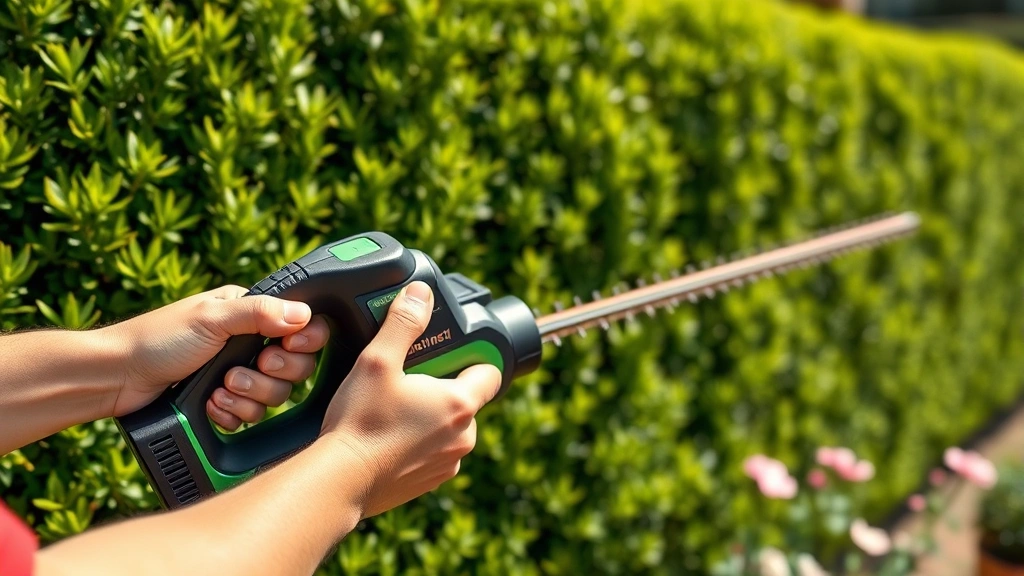
Gas Hedge Trimmer: Eco-Friendly Option? Facts Inside
When it comes to maintaining your landscape, the choice of tools matters more than you might think. Gas hedge trimmers have long been a staple in yards and gardens across the world, offering powerful cutting performance and cordless convenience. However, as environmental consciousness grows and sustainability becomes increasingly important, many homeowners are questioning whether gas-powered equipment truly aligns with eco-friendly living. The answer is more nuanced than a simple yes or no.
This comprehensive guide examines the environmental impact of gas hedge trimmers, compares them to alternative options, and helps you make an informed decision that balances your landscaping needs with your environmental values. Whether you’re a seasoned gardener or just starting to think about your carbon footprint, understanding the facts about gas hedge trimmers is essential for responsible property maintenance.
Understanding Gas Hedge Trimmer Emissions
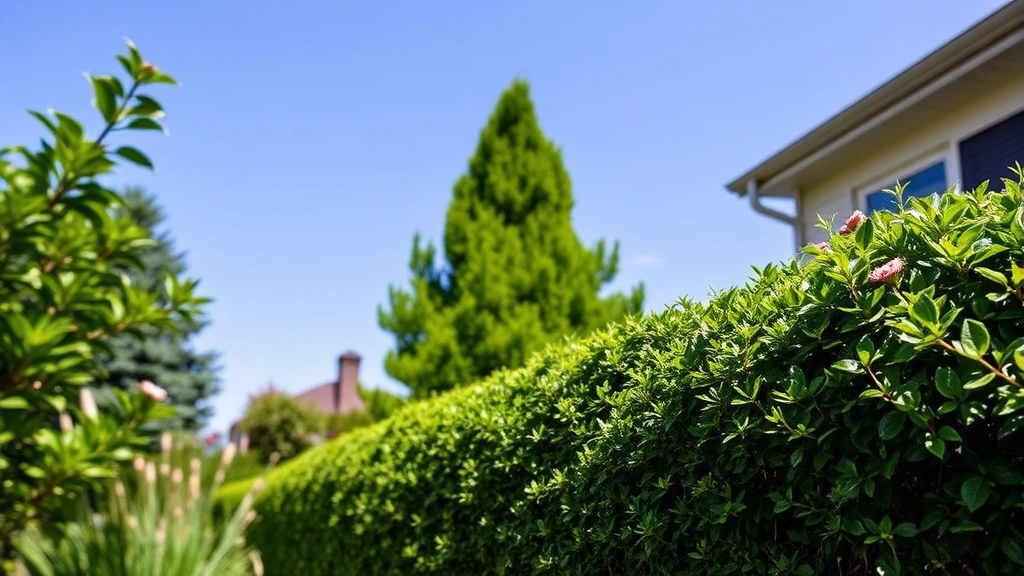
Gas hedge trimmers operate using small internal combustion engines, typically powered by a mixture of gasoline and oil. These engines burn fossil fuels to generate the power needed to drive the cutting blades at high speeds. The combustion process releases carbon dioxide (CO₂), a primary greenhouse gas, along with other harmful pollutants including nitrogen oxides (NOx) and volatile organic compounds (VOCs).
According to the Environmental Protection Agency (EPA), small engines like those in gas hedge trimmers contribute significantly to air pollution. In fact, a single gas hedge trimmer operating for one hour can produce emissions equivalent to driving a new car for approximately 34 miles. This statistic alone raises serious questions about whether gas hedge trimmers can truly be considered an eco-friendly option.
The emissions from gas hedge trimmers include:
- Carbon dioxide (CO₂): The primary greenhouse gas contributing to climate change
- Particulate matter: Fine particles that penetrate deep into the lungs and bloodstream
- Nitrogen oxides: Precursors to smog and acid rain
- Hydrocarbons: Volatile organic compounds that contribute to ground-level ozone formation
- Carbon monoxide: A toxic gas that reduces oxygen delivery to organs
Understanding these emissions is crucial when evaluating whether a gas hedge trimmer fits into a sustainable lifestyle. The environmental cost extends beyond just climate change; it affects local air quality and public health.
Comparing Environmental Impact Across Trimmer Types
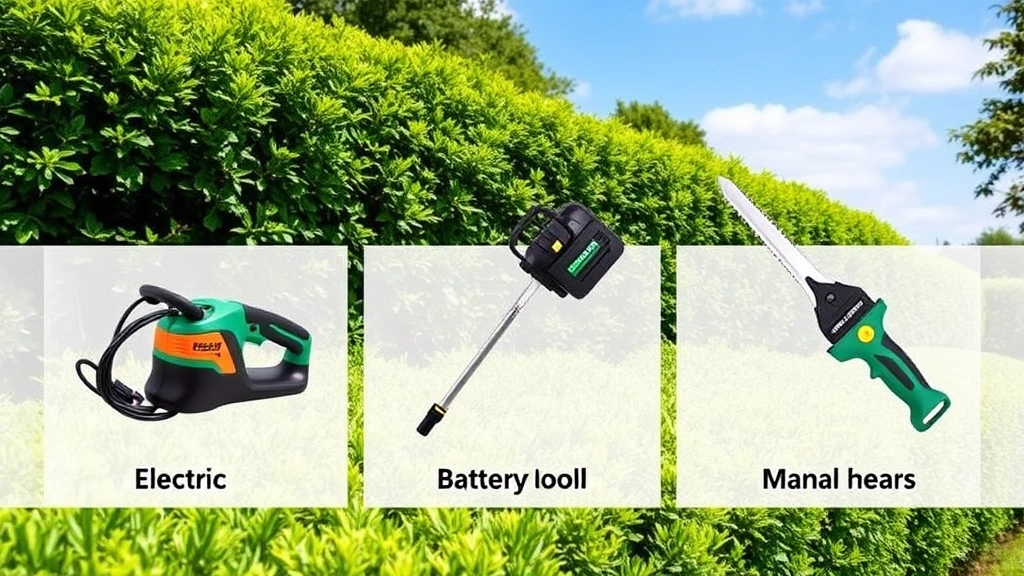
To properly assess whether a gas hedge trimmer is eco-friendly, it’s essential to compare it against other available options. The landscaping tool market now offers several alternatives, each with distinct environmental advantages and disadvantages.
Electric corded hedge trimmers produce zero direct emissions during operation, as they draw power from the electrical grid. However, their environmental impact depends on how your local electricity is generated. If your region relies on renewable energy sources, electric trimmers are significantly more sustainable. Even in areas with mixed energy sources, electric trimmers typically produce fewer lifetime emissions than gas models.
Battery-powered cordless hedge trimmers have revolutionized the landscaping industry. These tools offer the convenience of gas models without direct emissions. Modern lithium-ion batteries provide sufficient runtime for most residential properties, and the environmental impact of battery production is offset by years of emission-free operation. When you consider the broader context of sustainable energy solutions, battery-powered tools represent a significant advancement.
Manual hedge shears represent the ultimate eco-friendly option, producing zero emissions and requiring no fuel or electricity. However, they demand significantly more physical effort and time, making them impractical for larger properties.
The comparison reveals that gas hedge trimmers rank lowest among modern options in terms of environmental friendliness, while battery-powered and electric alternatives offer substantially better ecological profiles.
Fuel Consumption and Carbon Footprint
A typical gas hedge trimmer consumes approximately 0.5 to 1 liter of fuel per hour of operation, depending on the model’s size and power output. For homeowners who trim hedges regularly, this consumption adds up quickly. A property owner maintaining their landscaping for 10 hours per month uses 5-10 liters of fuel monthly, translating to 60-120 liters annually.
The carbon footprint of this fuel consumption is substantial. Burning one liter of gasoline produces approximately 2.3 kilograms of CO₂. This means a typical homeowner using a gas hedge trimmer contributes roughly 138-276 kilograms of CO₂ annually just from this single tool. When you multiply this across millions of homeowners and landscaping professionals, the cumulative environmental impact becomes staggering.
Beyond direct fuel consumption, the entire lifecycle of gasoline contributes to emissions. Extraction, refining, transportation, and distribution of fuel all require energy and generate greenhouse gases. By choosing a gas hedge trimmer, you’re not just responsible for combustion emissions but also for the environmental costs embedded throughout the fuel supply chain.
In contrast, battery-powered alternatives require electricity to charge. Even accounting for grid electricity generation, a battery-powered trimmer typically produces 50-75% fewer emissions over its lifetime compared to an equivalent gas model. This efficiency advantage makes the environmental case for moving away from gas-powered landscaping tools increasingly compelling.
Noise and Air Quality Concerns
Beyond climate impact, gas hedge trimmers create significant environmental problems through noise pollution and local air quality degradation. A typical gas hedge trimmer operates at 95-105 decibels, comparable to a chainsaw or lawnmower. This noise level can disturb neighbors, wildlife, and contribute to noise pollution in residential areas.
The air quality impact is equally concerning. Gas hedge trimmers emit pollutants that contribute to ground-level ozone formation, which causes respiratory problems, particularly for children, elderly individuals, and those with asthma. The EPA emphasizes the importance of reducing small engine emissions as part of broader air quality improvement strategies.
Electric and battery-powered trimmers operate at 75-85 decibels, producing minimal noise pollution. They emit zero pollutants, making them infinitely better for local air quality. This distinction is particularly important in densely populated areas where air quality is already compromised.
Many municipalities are recognizing these issues and implementing regulations. Some areas have restricted or banned gas-powered landscaping equipment during certain hours or seasons. By staying informed about sustainability trends, you can anticipate these regulatory changes and make proactive equipment choices.
Maintenance and Lifecycle Environmental Costs
The environmental impact of gas hedge trimmers extends beyond operational emissions to include maintenance and disposal considerations. Gas engines require regular oil changes, spark plug replacements, and fuel system maintenance. These maintenance activities generate waste oil and materials that, if not properly disposed of, can contaminate soil and water.
Oil disposal is a significant environmental concern. Improper disposal of used oil—whether dumped down drains or into soil—contaminates groundwater and harms ecosystems. A single quart of oil can contaminate up to 250,000 gallons of water. Over the lifetime of a gas hedge trimmer, this maintenance requirement creates ongoing environmental liability.
Battery-powered trimmers eliminate these maintenance concerns. They require occasional battery maintenance and eventual battery replacement, but modern lithium-ion batteries are increasingly recyclable. Many manufacturers now operate take-back programs ensuring proper recycling of spent batteries, closing the loop on environmental responsibility.
The manufacturing phase also differs significantly. Gas engines require more complex manufacturing processes involving more materials and energy. Battery-powered trimmers, while requiring battery production, are generally less resource-intensive to manufacture. As battery technology improves and manufacturing scales up, the environmental cost of battery production continues to decrease.
When evaluating the true environmental cost of a gas hedge trimmer, it’s essential to consider its entire lifecycle: manufacturing, fuel production, operational emissions, maintenance, and eventual disposal. This comprehensive analysis reveals that gas-powered tools carry substantial environmental burden throughout their existence.
Viable Eco-Friendly Alternatives
For environmentally conscious homeowners, several superior alternatives to gas hedge trimmers are now available. Understanding these options helps you make choices aligned with your commitment to sustainable technology.
Battery-powered cordless hedge trimmers represent the best choice for most residential applications. Modern lithium-ion models offer 30-60 minutes of runtime, sufficient for typical residential hedge maintenance. Top-rated brands provide excellent cutting power while producing zero emissions. Battery technology continues improving, with newer models offering extended runtime and faster charging times. The initial investment is higher than gas models, but lower operating costs and reduced maintenance create long-term savings.
Electric corded hedge trimmers provide unlimited runtime through direct power grid connection. These models are ideal for properties with convenient outdoor electrical access. They’re lighter than gas models, quieter, and require minimal maintenance. The main limitation is cord length, which restricts movement range. Extension cords can solve this problem, though care must be taken to prevent tripping hazards.
Hybrid approach involves using multiple tools strategically. Small manual pruning shears handle detailed work, battery-powered trimmers manage regular maintenance, and professional services handle exceptional needs. This approach minimizes overall environmental impact while maintaining excellent landscape appearance.
Professional landscaping services using modern equipment offer another option. Many professional landscapers have transitioned to battery-powered and electric tools, spreading the environmental benefits across numerous properties and reducing individual investment requirements.
The growing market for eco-friendly landscaping tools demonstrates that viable alternatives to gas-powered equipment are not just available—they’re increasingly superior in performance and affordability.
Making a Sustainable Choice
Deciding whether to continue using a gas hedge trimmer or transition to an eco-friendly alternative involves evaluating several factors specific to your situation. Consider your property size, landscaping complexity, budget constraints, and environmental priorities.
For small to medium residential properties: Battery-powered hedge trimmers are the optimal choice. They provide sufficient power and runtime while eliminating emissions and noise. The investment typically ranges from $100-300, with minimal ongoing costs.
For larger properties or professional use: Consider battery-powered models with extended runtime, or combine battery tools with corded electric models. Some properties may justify investment in multiple battery-powered tools to ensure continuous operation.
For current gas trimmer owners: Evaluate whether your existing equipment still functions reliably. If replacement is necessary, transitioning to battery or electric models aligns with emerging green technology innovations. If your current trimmer remains functional, using it until replacement is necessary represents responsible resource management, balancing environmental impact against unnecessary waste.
Long-term sustainability perspective: Remember that true sustainability involves considering complete lifecycle impacts. Choosing battery or electric alternatives, properly maintaining equipment, and disposing of old tools responsibly creates the most positive environmental outcome. Many communities now offer recycling programs for landscaping equipment, ensuring materials are properly recovered and reused.
The environmental case against gas hedge trimmers is clear and compelling. They emit substantial greenhouse gases, contribute to air pollution, generate noise, and require high-maintenance fuel systems. Modern alternatives offer equal or superior cutting performance with dramatically lower environmental impact. By making informed choices about landscaping equipment, you contribute meaningfully to reducing residential environmental footprint while maintaining beautiful, well-maintained outdoor spaces.
FAQ
Is a gas hedge trimmer truly eco-friendly?
No. Gas hedge trimmers produce significant emissions, with one hour of operation generating greenhouse gases equivalent to driving a car for 34 miles. They rank lowest among modern trimmer options in environmental impact, making them incompatible with genuine eco-friendly practices.
What is the most environmentally friendly hedge trimmer option?
Battery-powered cordless hedge trimmers represent the best choice for most homeowners. They produce zero direct emissions, operate quietly, require minimal maintenance, and cost less to operate than gas models. Modern lithium-ion batteries provide excellent runtime for residential applications.
How much does a quality battery-powered hedge trimmer cost?
Quality battery-powered hedge trimmers typically range from $100-300, depending on brand, cutting width, and battery capacity. While more expensive than basic gas models, they offer lower operating costs and reduced maintenance, creating favorable long-term economics.
Can electric corded hedge trimmers handle the same work as gas models?
Yes. Modern electric corded trimmers provide cutting power equivalent to gas models while eliminating emissions and noise. The primary limitation is cord length, which is manageable using outdoor-rated extension cords for most residential properties.
What should I do with my current gas hedge trimmer?
If your gas trimmer remains functional, continue using it until replacement is necessary—this represents responsible resource management. When replacement is needed, transition to a battery or electric model. Check whether your community offers equipment recycling programs for proper disposal of the old trimmer.
Do battery-powered trimmers have sufficient runtime for typical yard work?
Modern battery-powered trimmers offer 30-60 minutes of runtime, sufficient for most residential hedge maintenance. For larger properties, having two batteries allows continuous operation while one charges, or combining battery tools with corded electric models provides unlimited runtime.
Are gas hedge trimmers being phased out?
Many municipalities are implementing restrictions on gas-powered landscaping equipment due to air quality and noise concerns. Some areas ban their use during certain hours or seasons. This trend suggests increasing regulatory pressure against gas-powered tools in favor of cleaner alternatives.


