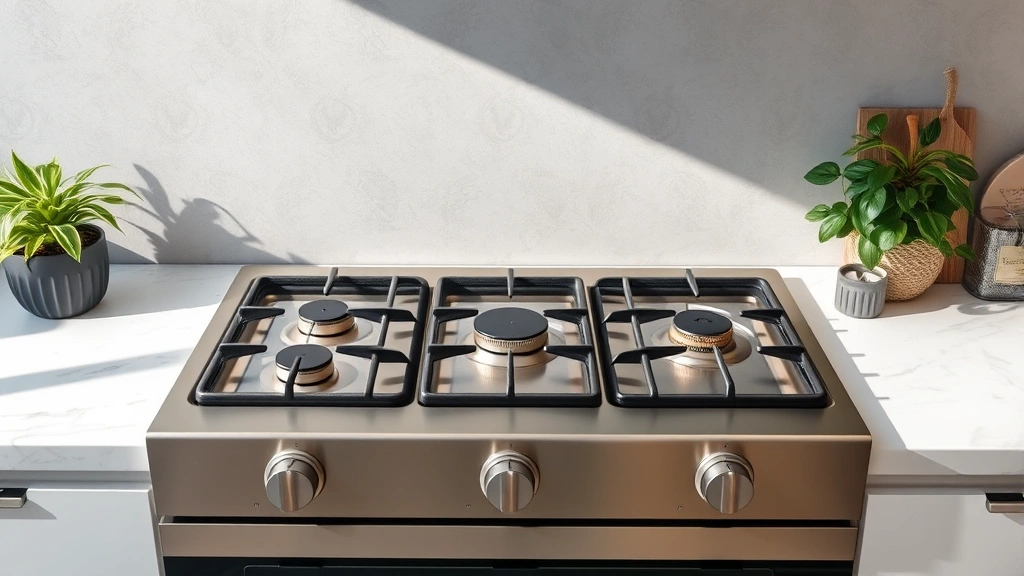
Are Gas Hob Covers Eco-Friendly? Expert Insights
Gas hob top covers have become increasingly popular in modern kitchens, but their environmental impact remains a topic of debate among sustainability experts. These protective covers serve multiple purposes—from preventing heat loss to protecting cooking surfaces—yet their eco-friendliness depends heavily on materials, manufacturing processes, and lifecycle considerations. Understanding whether gas hob covers align with your sustainability goals requires examining their composition, durability, and overall environmental footprint.
The intersection of kitchen convenience and environmental responsibility presents a complex challenge. While gas hobs themselves are a significant household appliance choice with documented environmental implications, the accessories we pair with them can either amplify or mitigate their impact. This comprehensive guide explores the nuanced relationship between gas hob top covers and ecological sustainability, offering evidence-based insights to help you make informed decisions for your kitchen.
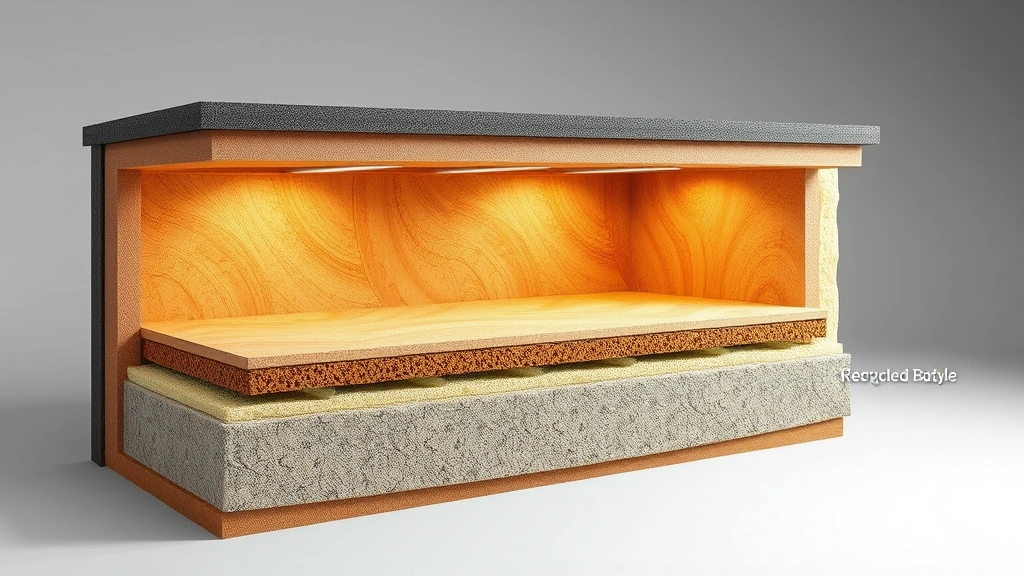
Understanding Gas Hob Top Covers and Their Purpose
Gas hob top covers serve as protective barriers placed over cooktop surfaces when not in use. These covers perform several practical functions: they prevent dust and debris accumulation, protect against accidental damage, reduce heat loss from the cooking surface, and create additional counter space. The primary purpose, however, varies by household and cooking habits. Some users prioritize heat retention, while others focus on kitchen aesthetics and surface protection.
The concept of covering cooking appliances isn’t new, but modern gas hob top covers represent an evolution in design and material science. They range from simple stainless steel sheets to specialized insulated panels designed to minimize thermal energy loss. Understanding their intended function is essential to evaluating whether their environmental benefits justify their production and consumption. When integrated into your kitchen routine, these covers can contribute to overall energy management strategies, though their impact depends on consistent usage and proper installation.
Gas hob covers are distinct from the broader category of best gas grill options for value-conscious consumers, though both relate to gas cooking efficiency. Hob covers specifically address indoor kitchen appliances and their operational efficiency, making them particularly relevant for households seeking to optimize their cooking-related energy consumption.
Material Composition and Environmental Impact
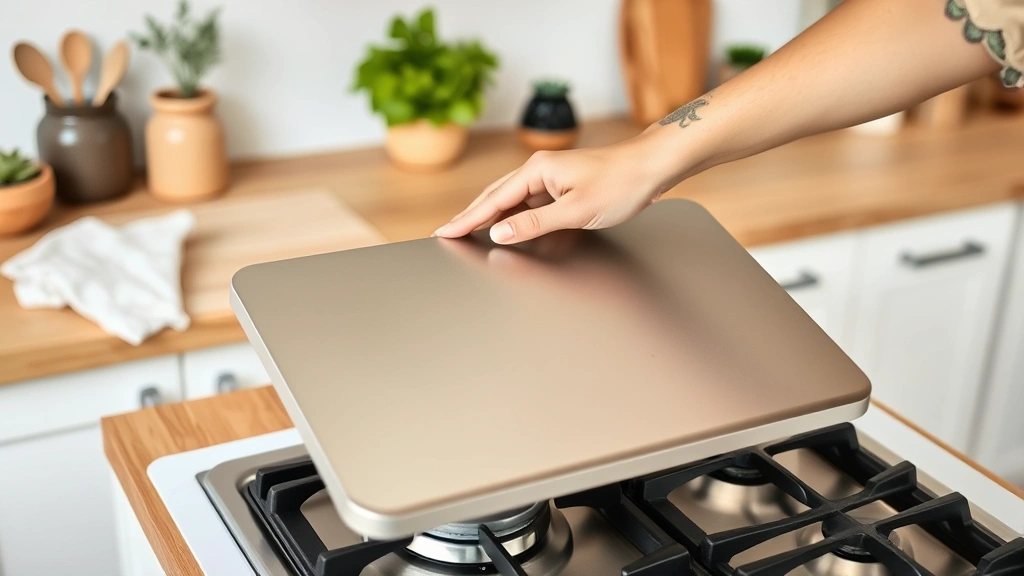
The environmental credentials of gas hob top covers primarily depend on their material composition. The most common materials include:
- Stainless Steel: Highly durable and recyclable, stainless steel covers offer longevity that can offset production impacts. However, steel production is energy-intensive, requiring significant carbon emissions during extraction and refinement. Recycled stainless steel options present a more sustainable alternative, reducing embodied carbon by up to 60% compared to virgin materials.
- Aluminum: Lighter than steel, aluminum is fully recyclable and maintains its properties indefinitely. Aluminum production carries high initial energy costs, but recycling aluminum requires only 5% of the energy needed for virgin production, making recycled aluminum an excellent choice for environmentally conscious consumers.
- Glass or Tempered Glass: Often combined with metal frames, glass covers provide visibility and thermal insulation properties. While glass is recyclable, production involves high-temperature processing. Tempered glass adds durability but may complicate recycling processes.
- Silicone or Rubber Seals: Many covers incorporate silicone gaskets for improved insulation. Silicone is synthetic and not readily biodegradable, though it’s durable and performs well over extended periods. Recycling options for silicone remain limited in many regions.
- Bamboo or Wood Composite: Emerging eco-friendly options use sustainably harvested bamboo or recycled wood composites. These materials offer renewable sourcing, though their insulation properties may be inferior to metal alternatives, and durability can be compromised by kitchen moisture.
According to the Environmental Protection Agency (EPA), material selection represents one of the most significant environmental considerations in product lifecycle assessment. Choosing covers made from recycled materials or sustainably sourced alternatives can substantially reduce your purchase’s environmental footprint. When evaluating specific products, look for certifications indicating responsible sourcing or recycled content percentages.
Manufacturing and Production Processes
The environmental impact of gas hob covers extends beyond raw materials to encompass manufacturing processes, transportation, and packaging. Responsible manufacturers employ several practices that enhance sustainability:
- Energy-Efficient Production: Facilities utilizing renewable energy sources, optimized manufacturing sequences, and waste-reduction protocols significantly lower production-related emissions. Look for manufacturers with ISO 14001 environmental management certification.
- Waste Minimization: Progressive manufacturers implement circular economy principles, using production scraps as raw materials for other products or recycling them appropriately. Minimal packaging waste and use of recyclable packaging materials further reduce environmental impact.
- Water Conservation: Manufacturing processes that minimize water consumption and implement wastewater treatment before discharge demonstrate environmental responsibility. This is particularly important for metal finishing processes.
- Supply Chain Transparency: Ethical manufacturers provide detailed information about sourcing, production locations, and labor practices. This transparency enables consumers to make truly sustainable choices rather than relying on greenwashing claims.
When researching gas hob top covers, investigate manufacturer sustainability reports and certifications. Companies demonstrating commitment to environmental standards typically advertise these credentials prominently. The British Standards Institution (BSI) offers certifications for environmental management and product sustainability that reputable manufacturers pursue.
Durability and Lifespan Considerations
Perhaps the most critical environmental factor regarding any consumer product is its lifespan. A gas hob cover that lasts 15 years has substantially lower environmental impact per year of use than one requiring replacement every 3 years. Durability assessment should examine:
- Material robustness against thermal cycling, moisture exposure, and physical wear
- Warranty periods offered by manufacturers, indicating confidence in product longevity
- User reviews documenting real-world performance over extended periods
- Resistance to staining, warping, and degradation from common kitchen environments
- Availability of replacement components for damaged seals or handles, extending overall product life
Premium gas hob covers often justify higher initial costs through extended lifespans. A $150 cover lasting 20 years represents significantly lower annual environmental and financial impact than a $40 cover requiring replacement every 3 years. This principle, sometimes called the “true cost of ownership,” demonstrates why sustainable purchasing often prioritizes quality and durability over upfront price.
The relationship between cooking appliance choice and accessory sustainability connects to broader considerations about sustainable energy solutions for household operations. Your hob cover selection contributes to an integrated approach toward reducing your kitchen’s overall environmental footprint.
Energy Efficiency Benefits
Gas hob top covers can provide genuine energy conservation benefits, particularly when designed with insulation properties. These benefits include:
- Heat Retention: Insulated covers reduce thermal radiation loss from cooktop surfaces when not actively cooking. This prevents unnecessary heat dissipation into the kitchen environment, reducing cooling demands in warm climates.
- Residual Heat Utilization: Some covers trap residual heat from previous cooking sessions, enabling continued food warming without additional fuel consumption. This practice, common in professional kitchens, can reduce energy requirements by 5-15% for certain cooking tasks.
- Thermal Stratification Prevention: By covering the hob, you prevent warm air from rising directly above the cooktop, which can trigger thermostat responses in climate-controlled kitchens. This subtle effect reduces HVAC cycling and associated energy consumption.
- Cooking Efficiency Enhancement: A covered hob maintains more consistent temperatures during cooking, potentially reducing cooking times and fuel consumption for certain meal preparation tasks.
Research from energy efficiency organizations indicates that thermal management improvements in kitchens can contribute to 3-8% overall household energy reductions when combined with complementary efficiency measures. While gas hob covers alone won’t dramatically transform your energy consumption, they form part of a comprehensive efficiency strategy that collectively yields meaningful environmental benefits.
Understanding these benefits helps contextualize your choice within broader sustainability frameworks. For additional perspective on energy choices, explore our guide on advantages of electric vehicles, which similarly examines how individual technology choices contribute to environmental goals.
Sustainable Alternatives and Options
Beyond conventional gas hob covers, several alternatives merit consideration depending on your priorities and kitchen configuration:
- Reclaimed or Upcycled Covers: Second-hand gas hob top covers purchased from thrift stores, online marketplaces, or renovation salvage centers offer significant environmental advantages. Extending product lifespans through reuse prevents landfill waste and eliminates production impacts. Quality vintage stainless steel covers often outlast new alternatives.
- Modular or Adjustable Systems: Covers featuring adjustable dimensions or interchangeable components allow customization without complete replacement. This flexibility accommodates kitchen renovations or appliance changes while maintaining your existing cover investment.
- DIY Alternatives: Crafting covers from recycled materials—reclaimed wood, repurposed stainless steel sheets, or cork insulation—offers creative, personalized solutions. This approach minimizes environmental impact while fostering direct engagement with your kitchen’s sustainability.
- Rental or Sharing Programs: In some communities, kitchen equipment-sharing initiatives offer temporary access to specialized items, reducing individual consumption. While less common for hob covers, this emerging model addresses consumer needs while minimizing production demands.
- Integrated Cooktop Designs: Some modern gas hobs feature built-in covers or integrated protection systems, eliminating the need for separate accessories. These unified designs often optimize space and reduce overall material consumption.
Selecting sustainable alternatives requires evaluating your specific kitchen needs, available space, and aesthetic preferences alongside environmental considerations. The most sustainable choice is often the one that gets used consistently and maintained properly, regardless of whether it’s new, reclaimed, or creatively sourced.
Proper Maintenance for Longevity
Maximizing the environmental benefits of gas hob top covers requires consistent, appropriate maintenance. Proper care extends product lifespan and ensures optimal functionality:
- Regular Cleaning: Wipe covers with soft, damp cloths and mild soap to prevent buildup that can degrade materials. For stainless steel, use products specifically formulated to enhance finish and prevent fingerprints without harsh chemicals.
- Avoid Abrasive Materials: Refrain from using steel wool, scouring powders, or harsh chemical cleaners that scratch surfaces and compromise protective coatings. Gentle cleaning preserves material integrity for extended periods.
- Proper Storage: When not in use, store covers in dry locations protected from excessive humidity. Moisture exposure accelerates corrosion in metal covers and can warp wood or composite alternatives.
- Handle with Care: Avoid dropping covers or subjecting them to thermal shock (sudden temperature changes). Gentle handling prevents damage requiring repair or replacement.
- Inspect Seals and Components: Periodically examine gaskets, handles, and fasteners for wear. Replacing worn seals or hardware is often more sustainable than discarding the entire cover.
- Professional Refinishing: For valuable or damaged covers, professional restoration services can restore appearance and functionality, extending lifespan indefinitely. This option represents true circular economy thinking.
Maintenance represents an often-overlooked sustainability practice. A well-maintained cover lasting 20 years provides far superior environmental value than a neglected cover requiring replacement after 5 years. Your commitment to care directly translates to environmental responsibility.
Comparing Gas Hobs to Other Cooking Methods
To fully contextualize gas hob cover sustainability, it’s valuable to examine how gas cooking itself compares to alternative methods. This broader perspective reveals whether investing in gas hob accessories aligns with your overall sustainability goals:
- Gas Hobs vs. Electric Cooktops: Gas cooking offers superior heat control and immediate response but produces combustion byproducts requiring ventilation. Electric cooktops, particularly induction models, convert energy more efficiently (90% vs. 40-75% for gas) but depend on grid electricity sources. In regions with renewable-heavy electrical grids, electric cooking may offer lower lifecycle emissions. Our analysis of gas grills with side burners and gas grills with griddle options provides additional context on gas cooking applications.
- Indoor Gas Hobs vs. Outdoor Gas Grills: Outdoor cooking eliminates indoor ventilation requirements and often uses larger, more efficient burners. However, grilling typically involves less frequent use than daily cooking, affecting amortized environmental impact. The choice between indoor and outdoor gas cooking depends on usage patterns and available infrastructure.
- Renewable Gas Options: Biogas and renewable natural gas, produced from organic waste and biomass, offer lower-carbon alternatives to conventional natural gas. If available in your region, transitioning to renewable gas while maintaining your gas hob setup represents a significant sustainability upgrade without requiring appliance replacement.
- Hybrid Approaches: Many sustainable households employ multiple cooking methods strategically—gas for precision cooking, electric for high-volume boiling, and outdoor cooking for entertaining. This diversified approach optimizes efficiency across different culinary tasks.
Your gas hob cover choice should integrate with your broader cooking philosophy. If you’re committed to natural gas cooking for its performance characteristics, investing in quality covers and maintaining optimal efficiency makes environmental sense. Conversely, if you’re transitioning toward electric cooking, prioritizing that shift over hob cover upgrades may represent better resource allocation for sustainability goals.
FAQ
Are glass gas hob covers better for the environment than metal covers?
Glass and metal covers present different environmental profiles. Metal covers, especially recycled aluminum or stainless steel, typically demonstrate superior lifecycle sustainability due to indefinite recyclability and durability. Glass covers offer better heat visibility and insulation properties but may be heavier to produce and more prone to breakage. The “better” choice depends on your specific usage patterns and regional recycling infrastructure.
How much energy can a gas hob cover actually save?
Insulated gas hob covers can reduce thermal loss by 5-15% when the cooktop is idle or cooling. Over a year, this translates to 3-8% overall kitchen energy reduction for households with heavy cooking demands. Actual savings depend on climate, cooking frequency, and cover insulation quality. While modest individually, these savings contribute meaningfully to comprehensive household efficiency strategies.
Can I recycle my old gas hob cover?
Most metal hob covers can be recycled through standard metal recycling programs. Stainless steel and aluminum are accepted at virtually all recycling facilities. Glass components may require separation from metal frames. Before discarding, contact local recycling services for specific guidelines, or explore donation options—many second-hand stores accept kitchen items in good condition.
What certifications should I look for in eco-friendly hob covers?
Seek manufacturers holding ISO 14001 (environmental management), B Corp certification, or industry-specific sustainability certifications. Look for transparency regarding recycled content percentages, manufacturing emissions, and supply chain practices. Third-party certifications provide more reliable sustainability claims than manufacturer self-labeling.
Is it better to buy a cheap cover or invest in a premium option?
Premium covers typically offer superior durability, better materials, and extended warranties—all factors that reduce long-term environmental impact through extended lifespan. A $150 cover lasting 20 years has lower per-year environmental cost than a $40 cover requiring replacement every 3 years. Calculate true cost of ownership including environmental externalities, not just upfront price.
Do gas hob covers work with all cooktop types?
Most universal gas hob covers accommodate standard cooktop dimensions, but custom configurations may require specialized solutions. Before purchasing, verify compatibility with your specific hob model. Some premium covers offer adjustable dimensions or modular designs for greater flexibility across different appliances.
How does using a hob cover compare to switching to induction cooking?
Induction cooktops offer superior energy efficiency (90% vs. 40-75% for gas) but require compatible cookware and depend on electrical grid sources. Switching to induction represents a more substantial environmental investment than adding hob covers. If you’re satisfied with gas cooking performance and infrastructure, hob covers offer accessible efficiency improvements. If you’re planning major kitchen renovations, induction transition warrants consideration alongside other upgrades.


