Are Gas Water Heaters Eco-Friendly? Study Insights
Gas water heaters have been a staple in American households for decades, providing reliable hot water at relatively affordable costs. However, as environmental concerns intensify and climate change becomes an increasingly urgent priority, many homeowners are questioning whether gas hot water heaters truly align with eco-friendly living. The answer is more nuanced than a simple yes or no, requiring us to examine the full lifecycle impact of these systems, compare them to alternatives, and understand the latest research on their environmental footprint.
This comprehensive analysis explores what recent studies reveal about gas water heaters’ environmental impact, their efficiency ratings, carbon emissions, and how they stack up against other heating technologies. Whether you’re considering a replacement system or simply want to make more informed decisions about your home’s energy consumption, understanding the sustainability implications of gas hot water heaters is essential for any environmentally conscious household.
How Gas Water Heaters Work and Their Carbon Footprint
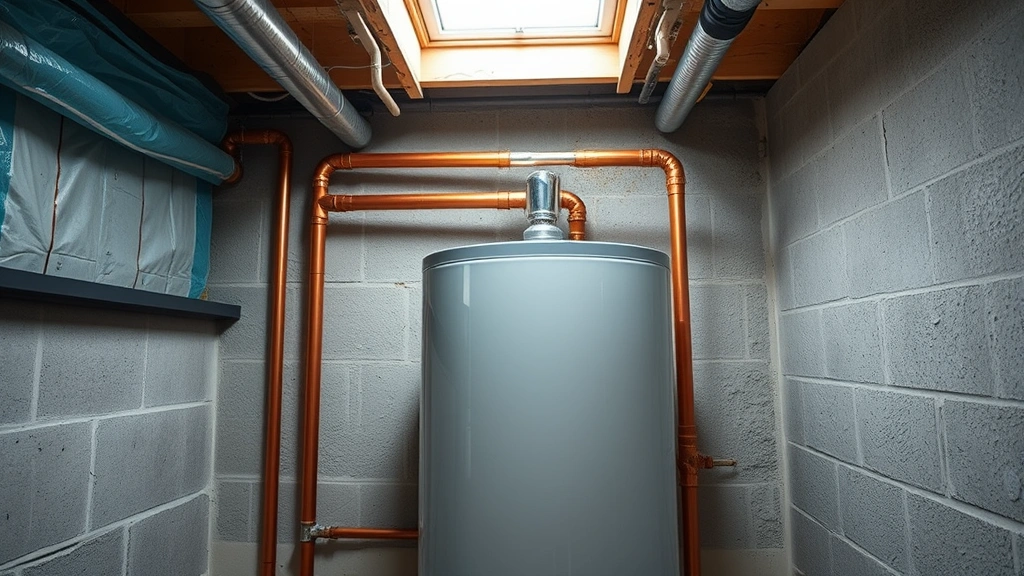
Gas water heaters operate by burning natural gas or propane to heat water stored in a tank, typically ranging from 30 to 80 gallons. When you turn on a hot water tap, the heated water flows from the tank to your fixtures. The combustion process that heats the water produces carbon dioxide (CO2) and other greenhouse gases, contributing directly to your household’s carbon footprint. Understanding this fundamental mechanism is crucial for evaluating whether gas hot water heaters deserve their eco-friendly reputation.
The carbon footprint of gas water heaters extends beyond the direct emissions from burning fuel. It includes upstream emissions from natural gas extraction, processing, and transportation through pipelines. According to research from the Environmental Protection Agency (EPA), residential water heating accounts for approximately 17-25% of household energy consumption, making it the second-largest energy expense after heating and cooling. For homes using gas water heaters, this translates to significant annual greenhouse gas emissions, typically ranging from 4 to 8 metric tons of CO2 equivalent per year, depending on usage patterns and system efficiency.
One critical consideration is standby heat loss, where the tank continuously maintains water temperature even when no hot water is being used. This means your gas water heater is working around the clock to prevent the stored water from cooling, resulting in wasted energy and unnecessary emissions. Tankless gas water heaters address this issue by heating water on-demand, though they come with their own set of environmental trade-offs that we’ll explore later.
Efficiency Ratings and Energy Consumption
The efficiency of gas water heaters is measured using the Uniform Energy Factor (UEF), which replaced the older Energy Factor (EF) rating in 2015. The UEF represents the percentage of energy input that actually goes toward heating water, with higher values indicating greater efficiency. Standard tank-based gas water heaters typically achieve UEF ratings between 0.55 and 0.70, meaning only 55-70% of the energy consumed actually heats your water, while the remainder escapes as waste heat through the flue.
Modern high-efficiency gas water heaters can reach UEF ratings of 0.80 or higher, representing a significant improvement over older models. If your gas hot water heaters system is more than 10-15 years old, upgrading to a newer, more efficient model could reduce your water heating energy consumption by 20-30%. This efficiency gain translates directly to lower energy bills and reduced environmental impact, making it one of the most cost-effective home improvements for sustainability-conscious homeowners.
When comparing gas water heaters to other options, it’s important to consider your local electricity grid’s energy sources. In regions where electricity is generated primarily from renewable sources like wind and hydroelectric power, electric water heaters may offer superior environmental benefits. Conversely, in areas relying heavily on coal or natural gas power plants, the environmental advantage becomes less clear. Our guide on sustainable energy solutions provides deeper insights into how regional energy infrastructure affects equipment choices.
Comparing Gas to Electric and Hybrid Systems
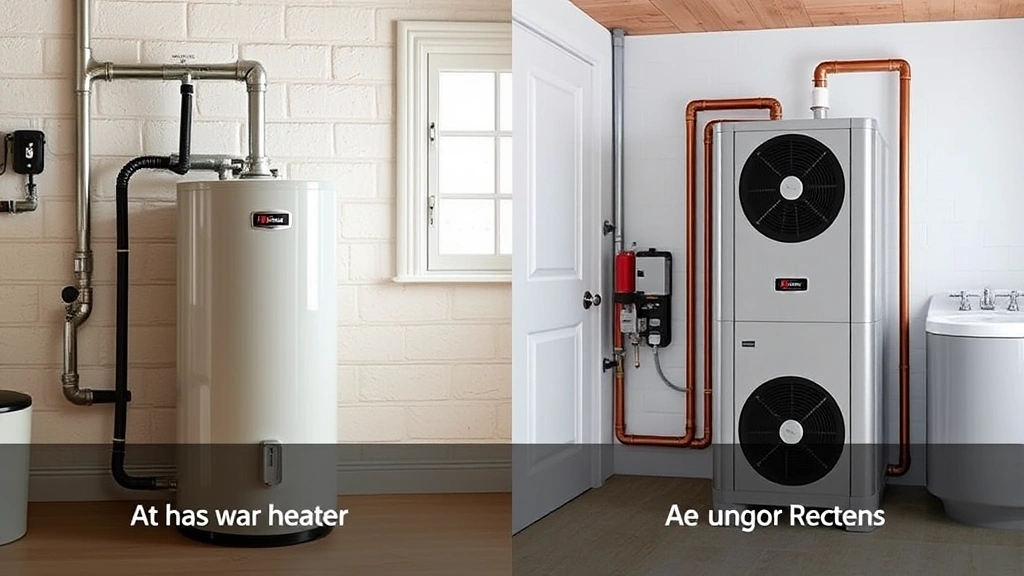
The environmental comparison between gas water heaters and their alternatives reveals important trade-offs that vary based on regional factors and usage patterns. Electric water heaters produce zero direct emissions at the point of use but generate emissions upstream from electricity generation. In regions with renewable energy grids, electric models are typically more sustainable. However, in areas dependent on fossil fuel power plants, the total lifecycle emissions may be comparable to gas systems.
Heat pump water heaters, including hybrid electric models, represent a middle ground approach. These systems use electricity to move heat from the surrounding air or ground into the water, achieving efficiency levels two to three times higher than traditional electric resistance heaters. A hybrid heat pump water heater can reduce energy consumption by 40-50% compared to standard electric units, and by 25-35% compared to conventional gas systems. They’re particularly effective in moderate climates and can operate in gas-free homes.
Tankless water heaters, available in both gas and electric versions, eliminate standby losses by heating water only when needed. Gas tankless models can achieve UEF ratings of 0.80-0.85, while electric tankless units can reach 0.98. However, gas tankless heaters require larger gas lines and more complex installation, and they still produce direct emissions. For a detailed comparison of fuel sources, explore our analysis on natural gas vs propane options.
Solar water heating systems represent the most environmentally friendly option, though they require significant upfront investment and aren’t practical in all climates. These systems use the sun’s energy to heat water directly, virtually eliminating operational emissions. Many homeowners combine solar systems with gas or electric backup heaters for reliability during cloudy periods or high-demand situations.
Environmental Impact Throughout the Lifecycle
A comprehensive environmental assessment of gas water heaters must consider their entire lifecycle, from manufacturing through disposal. This includes the energy and materials required to produce the unit, transportation emissions, operational impacts over its 10-15 year lifespan, and end-of-life recycling or disposal.
Manufacturing and transportation account for a relatively small portion of a water heater’s total environmental impact, typically 5-10% of lifetime emissions. Steel tanks, copper piping, and other components require energy-intensive production processes, but modern manufacturing has become increasingly efficient. Transportation impacts are minimized when you choose locally manufactured or sourced equipment.
The operational phase dominates the lifecycle analysis, representing 85-95% of total environmental impact. This is where the efficiency rating becomes critically important. Upgrading from a 0.60 UEF system to a 0.75 UEF model could prevent hundreds of tons of CO2 emissions over the equipment’s lifetime. This substantial difference underscores why choosing the most efficient available gas hot water heaters is essential for environmentally conscious consumers.
At end-of-life, most water heater components are recyclable. Steel tanks can be melted down and repurposed, copper piping is highly valuable for recycling, and glass insulation can be reclaimed. However, many old water heaters end up in landfills, representing wasted material resources and lost recycling opportunities. Proper disposal through certified recycling programs ensures maximum environmental benefit.
Recent Research Findings on Gas Water Heater Sustainability
Recent studies provide nuanced insights into gas water heater sustainability that challenge simplistic narratives. Research published by the Natural Resources Defense Council (NRDC) indicates that gas water heaters remain a reasonable choice in certain contexts, particularly when paired with efficiency improvements and when electricity grids are carbon-intensive.
A 2023 analysis from the U.S. Department of Energy found that the environmental advantage of switching from gas to electric water heaters varies significantly by region. In states like California and Washington, where renewable energy comprises over 40% of the grid, electric heat pump systems offer 30-40% greater environmental benefit. In coal-heavy regions, the advantage diminishes to 10-15%. This regional variation highlights the importance of understanding your local energy mix when making water heating decisions.
Methane leakage from natural gas infrastructure has emerged as a significant concern in recent sustainability research. The EPA’s greenhouse gas emissions data indicates that methane escapes at various points in the natural gas supply chain, and methane’s global warming potential is 25-28 times greater than CO2 over a 100-year period. This “fugitive emissions” issue means that gas water heaters’ true climate impact may be 10-20% higher than direct combustion emissions suggest.
Studies on consumer behavior reveal that efficiency improvements and maintenance practices often matter more than equipment type. A well-maintained, high-efficiency gas system may outperform a neglected electric alternative. Regular tank flushing, insulation upgrades, and temperature adjustments can improve performance regardless of fuel type. Our resource on how to reduce your environmental footprint includes practical maintenance strategies.
Ways to Improve Gas Water Heater Efficiency
If you currently use gas hot water heaters, several practical improvements can significantly reduce their environmental impact without requiring complete replacement. These modifications represent cost-effective sustainability investments that deliver both environmental and financial benefits.
Insulation upgrades are among the most impactful improvements. Adding an insulating blanket around your tank can reduce standby heat loss by 25-45%, translating to 4-9% annual energy savings. Insulating hot water pipes reduces heat loss as water travels from the tank to fixtures, preventing wasted energy and improving comfort by delivering hotter water faster.
Temperature reduction is simple but effective. Lowering your water heater thermostat from 140°F to 120°F reduces energy consumption by approximately 6-10% while still providing adequate hot water for most household needs. This adjustment also reduces the risk of scalding injuries, particularly important for homes with children or elderly residents.
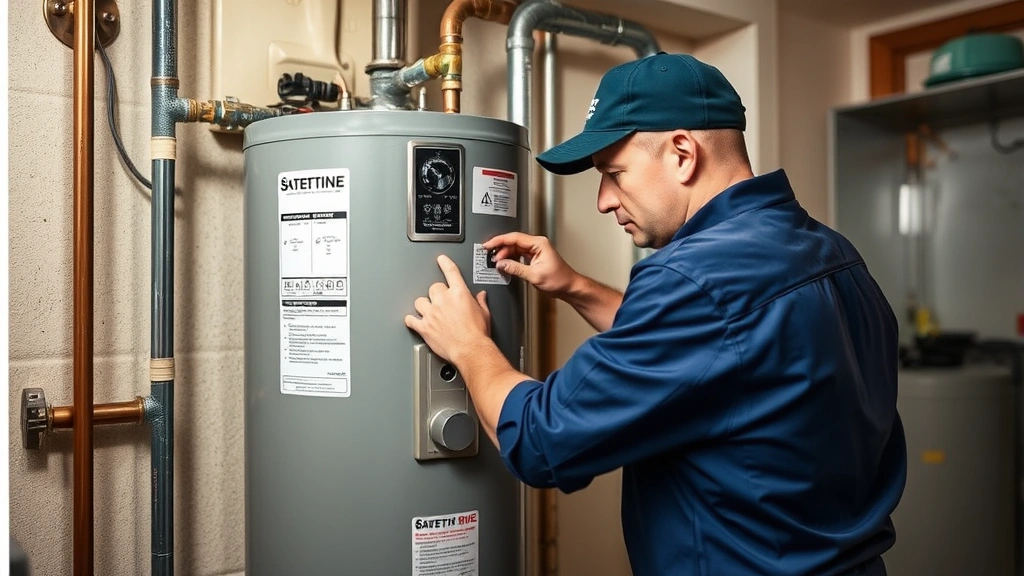
Maintenance practices preserve efficiency over time. Annual flushing removes sediment buildup that insulates the heating element, reducing efficiency. Checking and replacing sacrificial anode rods prevents rust and extends tank life. These simple annual tasks ensure your system operates at peak efficiency throughout its lifespan.
Demand-side strategies reduce the overall hot water consumption your system must support. Installing low-flow showerheads, fixing leaks promptly, and using cold water for laundry when appropriate collectively reduce water heating energy demand by 15-25%. These behavioral changes complement equipment efficiency for maximum environmental benefit.
Upgrade timing matters strategically. If your current system is 8-12 years old and showing signs of reduced efficiency, upgrading to a high-efficiency model before failure occurs allows you to choose the optimal replacement rather than rushing into an emergency purchase. Planning ahead ensures you select the most efficient and sustainable option available.
The Future of Water Heating Technology
The water heating industry is experiencing rapid innovation driven by climate concerns and energy efficiency regulations. Understanding emerging technologies helps inform long-term sustainability decisions and future-proofs your investment.
Advanced heat pump water heaters continue improving in efficiency and cold-climate performance. Next-generation models achieve 300-400% efficiency compared to electric resistance heating, with enhanced capabilities in temperatures below 40°F. These systems represent the likely future standard for electric-powered water heating and offer superior environmental performance in most regions.
Hybrid systems combining gas tankless heaters with solar thermal collection are gaining adoption in moderate climates. These integrated approaches minimize reliance on any single fuel source while maximizing renewable energy utilization. The modularity allows homeowners to add solar components incrementally as budgets permit.
Smart water heaters with IoT connectivity enable dynamic optimization based on real-time energy pricing, grid conditions, and household usage patterns. These systems can shift heating loads to times when renewable energy is abundant and grid demand is lower, reducing overall system emissions while decreasing operating costs.
Condensing gas water heaters represent the efficiency frontier for gas-powered systems. These units capture heat from exhaust gases that traditional models vent to the atmosphere, achieving UEF ratings approaching 0.90. While more expensive than standard models, their superior efficiency and reduced emissions make them the most sustainable gas option currently available.
Government incentives increasingly favor renewable and high-efficiency systems. Federal tax credits, state rebates, and utility incentive programs can offset 25-50% of upgrade costs for heat pump or solar water heaters. Exploring available incentives in your region can dramatically improve the financial viability of switching to more sustainable options. For broader context on energy transitions, review our guide on green technology innovations transforming our future.
FAQ
Are gas water heaters eco-friendly?
Gas water heaters occupy a middle position in the sustainability spectrum. They’re more efficient than older electric resistance systems but generate direct greenhouse gas emissions. Their environmental impact depends on regional electricity sources, system efficiency ratings, and maintenance practices. High-efficiency gas models (UEF 0.75+) can be reasonably sustainable, particularly in regions with carbon-intensive electrical grids.
What is the most eco-friendly type of water heater?
Solar water heating systems offer the lowest environmental impact when feasible, producing virtually zero operational emissions. Heat pump water heaters represent the most practical sustainable choice for most households, achieving 2-3x better efficiency than traditional electric systems. In regions with abundant renewable energy, electric heat pumps significantly outperform gas alternatives.
How much can I reduce emissions by upgrading my water heater?
Upgrading from a 0.60 UEF gas system to a 0.80 UEF model reduces energy consumption by approximately 25-30%, preventing 1-2 metric tons of annual CO2 emissions. Switching to a heat pump water heater could reduce emissions by 40-50% compared to gas systems in most regions. Over a 15-year lifespan, these improvements prevent 15-30 metric tons of emissions.
Do gas water heaters contribute to methane emissions?
Yes, methane leakage throughout the natural gas supply chain contributes to the true climate impact of gas water heaters. Research indicates fugitive methane emissions increase the effective global warming impact by 10-20% beyond direct combustion emissions. This hidden environmental cost is an important consideration when evaluating gas systems’ sustainability.
Is it worth upgrading my gas water heater now or waiting for better technology?
If your current system is over 10 years old, upgrading now provides immediate environmental and financial benefits. Waiting for future technology improvements may cost more in wasted energy than the savings from slightly better future models. However, if your system is relatively new and functioning well, maintaining it properly while planning a long-term transition to heat pump technology represents a balanced approach.
Can I improve my gas water heater’s efficiency without replacing it?
Absolutely. Insulating your tank and pipes, lowering the thermostat to 120°F, performing annual maintenance, and reducing hot water consumption can improve efficiency by 15-30% without replacement. These improvements offer quick payback periods and represent excellent sustainability investments for existing systems.
How do gas water heaters compare to tankless systems environmentally?
Gas tankless water heaters eliminate standby losses, potentially improving efficiency by 10-15% compared to tank systems. However, they still produce direct emissions and require more complex installation. Electric tankless units achieve higher efficiency but increase electrical load. Heat pump water heaters generally outperform both options in total environmental impact when considering upstream electricity generation.