
Gas Houses and Sustainability: Expert Insights on Environmental Impact and Alternatives
Gas houses represent a critical intersection between historical energy infrastructure and modern sustainability challenges. As the world grapples with climate change and carbon emissions, understanding the environmental implications of gas-based heating and energy systems becomes increasingly important for homeowners, policymakers, and environmental advocates alike. Traditional gas houses—residential properties that rely on natural gas for heating, cooking, and hot water—account for a significant portion of household energy consumption and greenhouse gas emissions across developed nations.
The transition away from gas-dependent housing is not merely an environmental imperative but also an economic opportunity. By exploring the sustainability challenges of current gas house infrastructure and examining viable alternatives, we can better understand how individual choices and systemic changes contribute to broader climate goals. This comprehensive guide draws on expert insights to illuminate the path toward more sustainable residential energy systems.
Understanding Gas Houses and Their Environmental Footprint
A gas house typically refers to any residential dwelling that utilizes natural gas as its primary energy source for space heating, water heating, and cooking appliances. This infrastructure has dominated residential energy systems for decades due to its initial affordability and established distribution networks. However, the environmental consequences of this reliance have become increasingly apparent as climate science advances and carbon accounting becomes more rigorous.
Natural gas combustion releases carbon dioxide, methane, and other greenhouse gases directly into the atmosphere. Beyond the combustion phase, methane leakage throughout the supply chain—from extraction through distribution—represents a significant hidden environmental cost. According to EPA data on greenhouse gas emissions, residential buildings account for approximately 20% of energy-related carbon dioxide emissions in the United States alone.
The definition of sustainability emphasizes meeting present needs without compromising future generations’ ability to meet theirs. Gas houses fundamentally conflict with this principle by depleting finite fossil fuel resources while simultaneously accelerating climate change through greenhouse gas emissions. Understanding this foundational issue is the first step toward meaningful residential energy transformation.
Modern gas houses often feature aging infrastructure, inefficient furnaces, and poor insulation that compounds energy waste. Many homeowners remain unaware of the cumulative environmental impact of their daily energy consumption or the viable alternatives now available. Educational initiatives and transparent communication about these impacts are essential for driving adoption of cleaner technologies.
Carbon Emissions and Climate Impact
The climate impact of gas houses extends far beyond simple carbon dioxide emissions. When natural gas is burned for heating, it releases approximately 5.3 pounds of carbon dioxide per therm—a standard unit of heat energy. For a typical household in a cold climate, annual heating needs might require 40-60 therms, resulting in 200-300 pounds of CO2 from heating alone.
Methane, the primary component of natural gas, possesses a global warming potential approximately 80-86 times greater than carbon dioxide over a 20-year period, according to recent climate research. Fugitive emissions—unintended releases throughout the gas supply chain—mean that even efficient gas appliances contribute significantly to atmospheric methane accumulation. The Intergovernmental Panel on Climate Change (IPCC) emphasizes that residential sector decarbonization is essential for limiting global temperature rise to 1.5°C.
Transitioning from gas houses to sustainable energy solutions can reduce household carbon emissions by 50-80%, depending on the electricity grid’s carbon intensity and the specific technologies adopted. Communities with cleaner electrical grids—particularly those powered by renewable energy—can achieve even greater emission reductions through electrification.
The social cost of carbon, which attempts to quantify the economic damage from each ton of CO2 emissions, suggests that gas house emissions impose substantial hidden costs on society through climate impacts, health effects, and infrastructure damage. By shifting to cleaner energy sources, homeowners contribute to reducing these societal burdens while protecting their own long-term financial interests.
The Case for Transitioning to Renewable Energy
Renewable energy represents the cornerstone of residential decarbonization strategies. Solar, wind, and geothermal technologies provide clean, sustainable alternatives to fossil fuel dependence. The transition from gas houses to renewable-powered homes is increasingly feasible due to declining technology costs, improved efficiency, and supportive policy frameworks in many jurisdictions.
Solar photovoltaic systems have experienced dramatic cost reductions—approximately 89% decline over the past decade—making rooftop solar accessible to middle-income households. When combined with battery storage systems, solar can provide reliable energy independence even in regions with variable weather patterns. This technological advancement fundamentally changes the economics of residential energy decisions.
Wind energy, though less commonly deployed at individual residential scales, contributes to broader renewable energy infrastructure that benefits grid-connected homes. As utility-scale wind generation expands, homeowners benefit from cleaner electricity sources regardless of their personal generation capacity. Green technology innovations transforming our future increasingly emphasize integrated systems where individual renewable installations combine with community-scale infrastructure.
Geothermal heat pump systems represent another powerful renewable alternative, leveraging stable ground temperatures to provide efficient heating and cooling. These systems can achieve coefficients of performance (COP) of 3-5, meaning they deliver 3-5 units of heat for every unit of electrical energy consumed. In gas houses, traditional furnaces typically achieve efficiency ratings of 85-95%, while geothermal systems fundamentally outperform this standard.
The psychological and social benefits of transitioning from gas houses extend beyond environmental metrics. Homeowners who adopt renewable energy systems report increased sense of agency, alignment with personal values, and community connection. These intangible benefits reinforce commitment to sustainability and inspire peer adoption through social influence networks.
” alt=”Solar panels installed on residential rooftop with clear blue sky, showing sustainable home energy generation system powering modern house”>
Heat Pump Technology and Modern Alternatives
Heat pump technology represents perhaps the most practical near-term replacement for gas house heating systems. These devices operate by transferring heat from outdoor air, ground, or water sources to indoor spaces, requiring far less energy than traditional resistance heating. Air-source heat pumps have achieved remarkable efficiency improvements, now functioning effectively even in cold climates previously thought incompatible with the technology.
Modern cold-climate heat pumps maintain heating capacity at temperatures below -13°F (-25°C), directly challenging the conventional wisdom that gas furnaces are necessary in harsh winters. Real-world deployment data from regions like Vermont, Minnesota, and Canada demonstrates that properly installed and sized heat pumps reliably replace gas heating systems while reducing energy consumption by 40-60% compared to efficient gas furnaces.
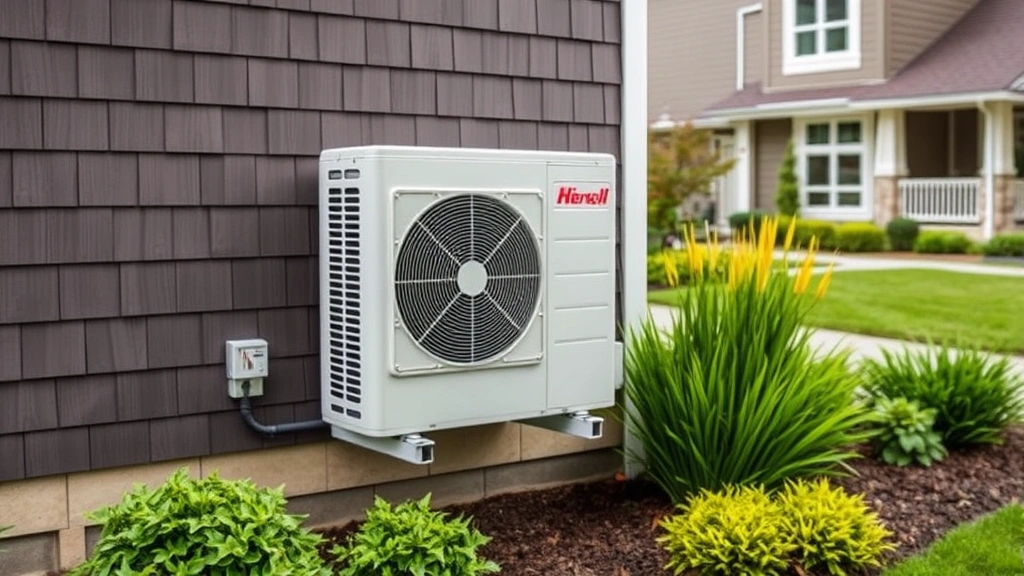
The installation of heat pumps in existing gas houses requires minimal structural modifications, making retrofitting economically feasible for most homeowners. Existing ductwork can often be retained and repurposed, and wall-mounted mini-split systems provide flexibility for homes lacking traditional ducting. This adaptability accelerates the practical transition timeline from gas dependence to electrified heating.
Beyond space heating, heat pump water heaters represent an underutilized technology with significant impact potential. These devices can reduce water heating energy consumption by 50-70% compared to traditional gas or electric resistance water heaters. The combination of a heat pump for space heating and a heat pump water heater essentially eliminates gas infrastructure requirements from most residential applications.
Induction cooking represents the final piece of residential gas elimination. Induction cooktops offer superior energy efficiency, faster cooking times, and enhanced safety compared to gas ranges. The technology transfers electromagnetic energy directly to cookware, with minimal wasted heat. Professional chefs increasingly appreciate induction cooking for its precise temperature control and responsive performance.
Solar Integration and Energy Independence
Solar photovoltaic systems paired with heat pump heating, heat pump water heating, and induction cooking create a comprehensive pathway toward residential energy independence. This integrated approach, sometimes called “all-electric homes,” eliminates fossil fuel dependence while maintaining or improving comfort, convenience, and performance compared to gas houses.
The sizing and design of solar systems must account for increased electrical loads from heating and hot water, typically requiring 6-10 kilowatt systems for average households. This represents a larger installation than solar systems designed merely to offset historical electricity consumption, but the economics remain favorable given declining solar costs and available incentives.
Battery storage systems complement solar integration by addressing temporal mismatches between generation and consumption. Winter heating demands often occur when solar generation is lowest, making battery capacity essential for true energy independence in seasonal climates. Recent cost reductions in lithium-ion batteries have improved the economic case for storage, though grid-connected systems without storage remain viable in most jurisdictions.
Time-of-use electricity pricing increasingly incentivizes strategic battery charging and load shifting. Homeowners with solar plus storage can charge batteries during peak generation hours and discharge during expensive peak-demand periods, reducing overall energy costs while providing grid services. This symbiotic relationship between distributed solar and grid stability benefits both individual homeowners and broader energy systems.
Virtual power plants—networks of distributed solar and battery systems coordinated by software platforms—represent an emerging paradigm where residential solar systems contribute to grid stability and resilience. As this infrastructure develops, homeowners transitioning from gas houses gain not only environmental benefits but also opportunities for income generation through grid services provision.
Economic Considerations and Long-Term Savings
The financial case for transitioning from gas houses to renewable-powered homes has fundamentally shifted in recent years. While upfront capital costs for heat pumps and solar systems exceed those of gas furnaces, lifecycle cost analysis consistently demonstrates substantial savings over 15-25 year timeframes.
Federal tax credits in the United States provide 30% rebates for heat pumps, solar installations, and battery storage through 2032, effectively reducing net costs by nearly one-third. Many states offer additional incentives, rebates, and performance-based programs that further improve economics. These policy supports recognize the societal benefits of residential decarbonization and help overcome initial capital barriers.
Operating cost savings from heat pumps and solar typically range from 40-70% compared to gas house energy bills, depending on local electricity and gas prices. In regions with high gas prices or clean electrical grids, savings accelerate. For a typical household spending $1,200 annually on gas heating and hot water, transitioning to efficient heat pump systems could reduce annual energy costs by $480-$840.
Property value appreciation represents an additional financial benefit often overlooked in simple payback calculations. Studies consistently show that homes with solar installations and efficient heat pump systems command price premiums of 3-4% compared to comparable gas houses. For a $400,000 home, this represents $12,000-$16,000 in added value—often exceeding the net cost of the upgrades after incentives.
The concept of how to reduce your environmental footprint extends naturally into financial optimization. Homeowners who systematically evaluate their energy consumption and invest in efficiency improvements achieve dual benefits of environmental responsibility and economic advantage. This alignment of environmental and financial interests accelerates adoption rates and creates positive feedback loops.
Financing options for residential energy upgrades have expanded significantly, with Property Assessed Clean Energy (PACE) programs, on-bill financing, and specialized green mortgages making large capital investments more accessible. Some programs allow homeowners to finance upgrades through property tax bills or utility accounts, spreading costs over extended periods that align with the operational lifespan of the equipment.

” alt=”Heat pump unit installed on exterior of residential home with modern landscaping, showing practical renewable heating technology retrofit”>
Implementation Strategies for Homeowners
Transitioning from a gas house to a renewable-powered home requires strategic planning and phased implementation. Most homeowners benefit from beginning with an energy audit—a professional assessment identifying the largest energy consumption sources and efficiency improvement opportunities. This data-driven approach ensures investments target high-impact upgrades first.
For homeowners planning major renovations, simultaneous conversion of heating, water heating, and cooking systems to electric alternatives proves most cost-effective. Coordinating installation minimizes labor costs and disruption while ensuring compatibility between systems. However, even incremental transitions—replacing a gas furnace with a heat pump when replacement becomes necessary—provide substantial benefits.
Insulation and air sealing improvements should precede or accompany heat pump installation. These passive efficiency measures reduce heating and cooling loads, allowing smaller heat pump systems to meet comfort needs. Combined with heat pump installation, comprehensive efficiency retrofits can reduce energy consumption by 60-75% compared to original gas house baselines.
Exploring advantages of electric vehicles alongside home electrification creates synergies in charging infrastructure, energy management systems, and overall carbon reduction. Vehicle-to-home (V2H) technology increasingly allows electric vehicles to serve as mobile batteries, supporting home energy resilience during outages while reducing overall system costs.
Community engagement and peer learning accelerate adoption decisions. Homeowners who visit successfully retrofitted neighbors’ homes, participate in community solar programs, or join local sustainability groups develop confidence and practical knowledge. Sharing experiences and lessons learned reduces uncertainty and builds social momentum toward gas house transitions.
Working with qualified contractors experienced in heat pump installation, solar design, and battery integration ensures optimal system performance. Certification programs like the North American Technician Excellence (NATE) certification for heat pump specialists identify qualified professionals. Proper installation, sizing, and commissioning maximize efficiency gains and equipment lifespan.
Long-term energy management involves monitoring system performance, optimizing settings for comfort and efficiency, and maintaining equipment according to manufacturer specifications. Many modern systems provide smartphone apps and web dashboards enabling real-time consumption tracking and remote control. This visibility supports informed behavior changes and early detection of performance issues.
Planning for grid evolution and future technologies ensures that today’s investments remain relevant as electricity systems decarbonize further. Heat pump systems can operate on increasingly clean electricity grids without modification, meaning efficiency improvements compound over time as grid carbon intensity declines. This temporal dimension of decarbonization benefits homeowners who transition from gas houses early.
Frequently Asked Questions
Can heat pumps really heat homes in cold climates?
Yes. Modern cold-climate heat pumps maintain heating capacity well below freezing temperatures, with many models functioning effectively at -13°F (-25°C) or lower. Real-world data from cold regions demonstrates reliable performance comparable to or exceeding gas furnaces. Proper sizing, installation, and supplemental backup systems ensure comfort during extreme weather events.
What is the typical payback period for solar and heat pump investments?
Payback periods typically range from 7-12 years depending on local energy prices, available incentives, and system sizing. After accounting for federal tax credits (30% through 2032) and state incentives, net costs often decrease substantially. Over 20-25 year equipment lifespans, cumulative savings typically exceed initial investments by 200-400%.
Do I need battery storage with solar panels?
Battery storage is not strictly required for grid-connected homes, as the electrical grid serves as a de facto battery. However, storage provides energy independence, protection against outages, and optimization of time-of-use pricing benefits. For off-grid applications or maximum independence, battery systems become essential.
How much does it cost to convert a gas house to all-electric?
Conversion costs vary widely based on existing infrastructure, climate, and equipment choices. Typical ranges span $15,000-$35,000 for heat pump heating and hot water systems, with solar adding $10,000-$20,000 per kilowatt after incentives. Comprehensive retrofits might total $30,000-$60,000, though federal and state incentives can reduce net costs by 30-50%.
Will my electricity bills increase significantly if I heat with electricity?
No. Despite increased electrical consumption, total energy bills typically decrease 40-70% because heat pumps operate far more efficiently than gas furnaces. A heat pump delivering 3-5 units of heat per unit of electricity consumed outperforms gas furnaces (85-95% efficiency) significantly. Lower total energy consumption more than offsets increased electrical loads.
What about cooking performance with induction cooktops?
Induction cooktops offer superior performance compared to gas, with faster heating, precise temperature control, and responsive adjustment. Professional chefs increasingly prefer induction. They require magnetic cookware (most stainless steel and cast iron work), but this represents a minor adjustment for most households. Safety improves because cooktops remain cool when cookware is removed.
How do gas houses compare to all-electric homes for environmental impact?
All-electric homes powered by renewable energy achieve 80-95% carbon emission reductions compared to gas houses. Even with grid electricity from mixed energy sources, all-electric homes typically reduce emissions 50-75%. As electrical grids decarbonize over time, existing all-electric homes automatically achieve greater emission reductions without modification.