Gas Prices in Tampa: What Influences Them?
Understanding fuel costs in Tampa requires examining the complex web of factors that determine what you pay at the pump. From global oil markets to local refinery operations, multiple forces shape the price of gasoline in Florida’s largest city. Whether you’re a daily commuter or occasional driver, recognizing these influences can help you make informed decisions about transportation and energy consumption.
Tampa’s position as a major metropolitan hub in Florida means gas prices here often reflect broader regional and national trends. However, state-specific regulations, local refinery capacity, and seasonal demand patterns create a unique pricing environment that differs from other parts of the country. By exploring these dynamics, you’ll gain insight into why prices fluctuate and how you can adapt your transportation habits accordingly.

Global Oil Markets and Crude Prices
The foundation of gasoline pricing in Tampa begins with crude oil markets, where prices are determined globally through supply and demand dynamics. Brent crude and West Texas Intermediate (WTI) serve as benchmark prices that influence what refineries pay for raw materials. When global crude prices rise, Tampa gas prices typically follow suit within days, regardless of local conditions.
OPEC decisions, geopolitical tensions in oil-producing regions, and international trade policies directly impact crude availability and pricing. A disruption in Middle Eastern oil production or sanctions on major producers can send shockwaves through global markets, affecting Tampa consumers immediately. Similarly, when global demand decreases—such as during economic slowdowns—crude prices often fall, providing relief at local pumps.
The relationship between crude prices and retail gas costs isn’t always proportional. Refineries maintain profit margins that can expand or contract based on market conditions. Understanding this energy market dynamic helps explain why gas price increases sometimes seem disproportionate to crude price changes.
Local Refinery Operations
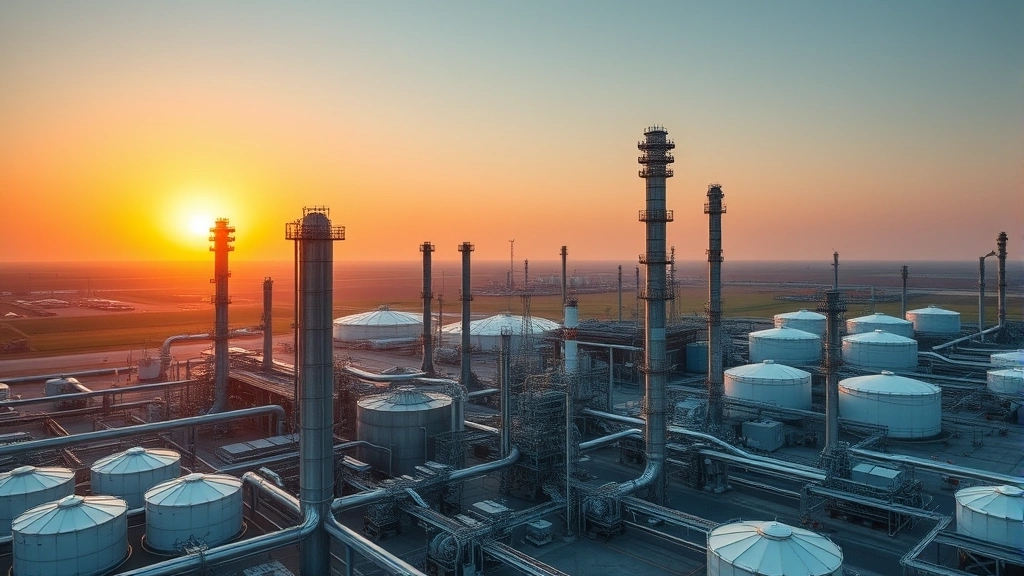
Tampa benefits from proximity to several major petroleum refineries, including facilities that process crude oil into gasoline and diesel. The efficiency and capacity of these refineries directly influence local fuel availability and pricing. When refineries operate at full capacity, they can supply adequate fuel to meet regional demand, helping stabilize prices.
Refinery maintenance shutdowns, equipment failures, or production disruptions can significantly impact Tampa gas prices. A single refinery going offline for scheduled maintenance can reduce fuel supply across Florida, creating temporary price spikes. The Tampa Bay area’s refining capacity makes it a critical hub for Southeast fuel distribution, meaning local refinery health affects prices throughout the region.
Modern refineries also invest in upgraded equipment to meet environmental standards and produce cleaner fuels. These capital investments and operational expenses factor into the cost structure that refineries pass along to distributors and eventually consumers. Understanding how sustainable energy solutions are being integrated into refinery operations reveals the industry’s evolution toward cleaner practices.
Florida State Regulations and Fuel Blends
Florida maintains unique fuel regulations that distinguish gasoline sold in the state from other regions. The state requires specific fuel blends designed to reduce emissions and improve air quality, particularly during summer months when ozone formation increases. These regulatory requirements mean Florida refineries must produce specially formulated gasoline that differs from standard national blends.
The use of ethanol blends, oxygen content requirements, and volatility specifications add complexity and cost to fuel production in Florida. Refineries must invest in specialized equipment and processes to meet these standards, expenses that get reflected in pump prices. When federal or state regulations tighten, refineries may need capital investments that temporarily affect pricing.
Tampa’s location in a coastal metropolitan area means it falls under stricter air quality standards established by the Environmental Protection Agency (EPA). These regional classifications require more stringent fuel formulations, supporting cleaner air but increasing production costs. Consumers benefit from improved air quality while bearing some cost burden through slightly higher gas prices compared to states with less restrictive standards.
Seasonal Demand Patterns
Tampa experiences significant seasonal variations in gasoline demand that influence local prices. Summer months bring increased tourism and driving activity, raising demand and typically pushing prices higher. Winter months see slightly reduced demand as fewer visitors travel to the area, though Florida’s mild winters mean driving remains relatively consistent year-round.
Seasonal fuel blend transitions also impact pricing. The EPA requires refineries to switch between winter and summer fuel formulations on specific dates. These transitions require production adjustments and inventory management that can temporarily affect prices during switchover periods. Spring and fall transitions often see brief price fluctuations as refineries adjust their output.
Hurricane season considerations also influence Tampa gas prices. When major hurricanes threaten the Gulf Coast, refineries may reduce production or shut down preemptively, and consumers rush to fill tanks before storms arrive. These supply disruptions and demand spikes create significant price increases during hurricane season months (June through November). Long-term planning for electric vehicle adoption can help reduce vulnerability to these seasonal fuel supply disruptions.
Distribution and Transportation Costs
Moving gasoline from refineries to Tampa service stations involves multiple transportation modes—pipelines, trucks, ships, and rail—each with associated costs. Pipeline transportation is most efficient for bulk movement, but Tampa’s geographic location requires sophisticated distribution networks to serve the broader region. These infrastructure costs factor into the final pump price.
Fuel distribution companies maintain inventory throughout the supply chain, managing storage at terminals and retail locations. The cost of maintaining this infrastructure, including tank maintenance, environmental compliance, and labor, adds to the total fuel cost. During periods of high demand, distribution costs may increase as companies add overtime labor and expedite shipments.
Labor costs in the distribution sector also influence prices. Florida’s cost of living and wage requirements affect trucking companies, terminal operators, and retail station employees. These labor expenses, combined with equipment maintenance and fuel for delivery vehicles, comprise a significant portion of the margin between wholesale and retail prices.
Geopolitical Events and Supply Disruptions
International conflicts, political instability in oil-producing nations, and trade disputes create volatility in global oil markets that immediately affects Tampa gas prices. Wars, sanctions, or political upheaval in major oil-producing regions can reduce global supply, pushing crude prices upward. Even anticipated geopolitical risks can cause market speculation that affects prices before actual supply disruptions occur.
Hurricane damage to Gulf of Mexico oil platforms and refineries creates direct supply disruptions affecting Tampa. The Gulf produces significant U.S. oil and hosts major refining capacity. Major hurricanes can idle production for weeks, reducing fuel supplies and raising prices across Florida and the Southeast.
Trade policies and tariffs also influence gas prices indirectly. Import duties on refined products, restrictions on oil exports, or retaliatory measures in trade disputes can affect fuel availability and cost. Understanding these broader geopolitical forces helps explain seemingly random price spikes that occur independent of local conditions.
Sustainable Transportation Alternatives
Given the complexity and volatility of gas prices in Tampa, exploring sustainable transportation alternatives makes economic and environmental sense. Electric vehicles eliminate dependence on gasoline entirely, insulating drivers from fuel price fluctuations. The advantages of electric vehicles extend beyond price stability to include reduced emissions and lower operating costs.
Tampa’s growing network of electric vehicle charging stations makes EV adoption increasingly practical. As more residents transition to electric vehicles, demand for gasoline decreases, potentially stabilizing or reducing prices for remaining combustion engine vehicles. However, the real solution involves reducing overall fuel consumption through sustainable transportation choices.
Public transportation, cycling infrastructure, and walkable neighborhoods reduce personal vehicle dependence. Tampa Bay Area Regional Transit (HART) provides bus services, and the Hillsborough Area Regional Transit (HART) continues expanding coverage. Combining public transit with occasional rideshare services or personal vehicles creates flexible, cost-effective transportation without complete reliance on gas-powered cars.
Carpooling and vanpooling arrangements help Tampa residents share fuel costs while reducing overall consumption. Employers increasingly support these programs through subsidies and parking incentives. By reducing the number of single-occupancy vehicles on roads, carpooling simultaneously lowers individual fuel expenses and environmental impact.
Remote work flexibility, increasingly common post-pandemic, reduces commuting necessity. Negotiating work-from-home arrangements or flexible schedules that concentrate commute days can significantly decrease personal fuel consumption. This behavioral shift requires no technology investment yet delivers substantial savings and environmental benefits.
For those unable to eliminate gasoline dependence immediately, fuel-efficient vehicles and driving habits minimize costs. Maintaining proper tire pressure, regular maintenance, smooth acceleration, and highway speed consistency all improve fuel economy. These simple practices, combined with understanding energy-saving strategies, help Tampa drivers reduce fuel expenses while supporting sustainability goals.
The broader context of sustainability definition encompasses not just environmental protection but also economic resilience. Reducing fuel consumption creates personal financial stability while supporting community-wide sustainability objectives. Tampa residents who embrace these alternatives contribute to cleaner air, reduced traffic congestion, and more livable neighborhoods.
FAQ
Why do gas prices in Tampa fluctuate so much?
Tampa gas prices respond to multiple variables: global crude oil markets, local refinery operations, seasonal demand changes, regulatory requirements, and geopolitical events. These factors interact dynamically, creating price volatility. Crude oil prices alone can swing 5-10% weekly based on international market conditions, and refineries adjust production based on anticipated demand, creating additional fluctuations.
How does Florida’s fuel regulation affect Tampa gas prices?
Florida requires specialized fuel blends to meet EPA air quality standards. These formulations cost more to produce than standard gasoline, resulting in slightly higher prices compared to states with less stringent regulations. The requirement supports cleaner air quality but adds approximately 5-10 cents per gallon to fuel costs.
What’s the relationship between crude oil prices and pump prices?
Crude oil typically represents 50-60% of gasoline retail price. When crude prices rise $10 per barrel, pump prices usually increase about 25 cents per gallon. However, this relationship isn’t perfectly proportional because refinery margins, distribution costs, and taxes also affect final prices.
How can Tampa residents reduce gas expenses?
Options include switching to electric vehicles, using public transportation, carpooling, improving fuel efficiency through maintenance and driving habits, and reducing overall driving through remote work or trip consolidation. Combining multiple strategies delivers the greatest savings and environmental benefits.
Do Tampa gas prices differ significantly from other Florida cities?
Tampa prices typically align closely with other Florida metropolitan areas since they share refinery sources and regulatory requirements. However, local supply disruptions, tank truck availability, and competitive conditions between service stations create minor variations. Tampa’s major refining infrastructure generally ensures competitive pricing relative to other regions.
How do hurricanes impact Tampa gas prices?
Hurricane threats reduce refinery output and cause consumers to rush filling tanks, creating demand spikes. Actual hurricane damage to Gulf infrastructure can disrupt supply for weeks, causing significant price increases. Historical data shows hurricane season (June-November) typically experiences higher volatility and elevated prices.
What role do taxes play in Tampa gas prices?
Florida state gas tax, federal excise tax, and local sales taxes combine to add approximately 45-50 cents per gallon to pump prices. These taxes fund transportation infrastructure maintenance and improvements. Tax changes significantly affect overall fuel costs and consumer expenses.


