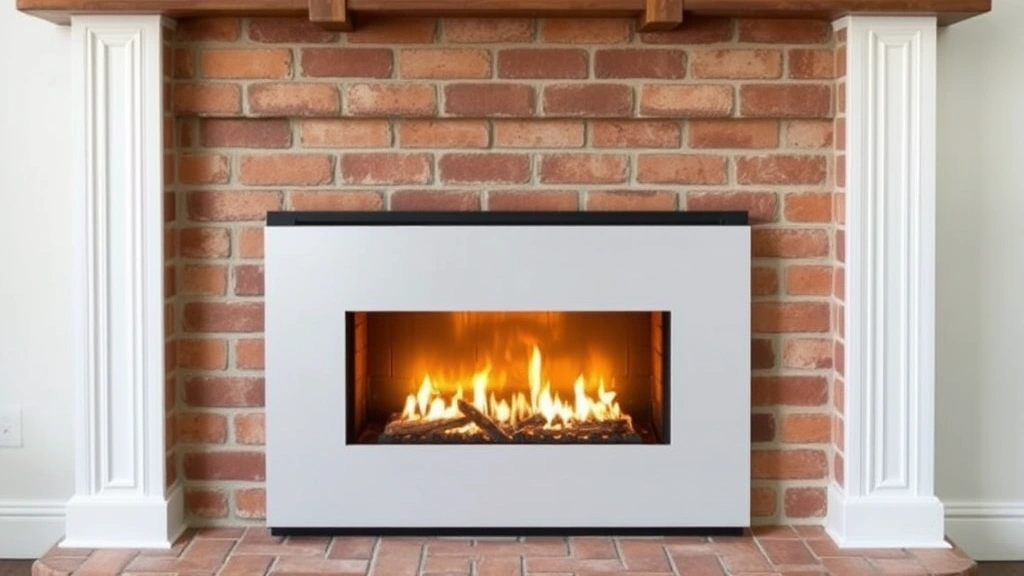
Gas Inserts: Eco-Friendly Heating Solution?
When winter temperatures drop, homeowners face a critical decision: how to heat their spaces efficiently while minimizing environmental impact. Gas fireplace inserts have emerged as a popular alternative to traditional wood-burning fireplaces, promising improved efficiency and reduced emissions. But are they truly an eco-friendly heating solution, or do they simply offer a convenient middle ground between fossil fuel consumption and sustainable alternatives? Understanding the environmental implications of gas inserts requires examining their efficiency ratings, carbon footprint, and how they compare to other heating options available today.
A gas insert in fireplace systems can provide supplemental heating for homes, but their sustainability credentials deserve careful scrutiny. While manufacturers tout efficiency improvements over traditional fireplaces, questions persist about whether natural gas—a fossil fuel—aligns with genuine environmental responsibility. This comprehensive guide explores the ecological reality of gas inserts, helping you make informed decisions about your home heating strategy.

What Are Gas Fireplace Inserts?
A gas insert in fireplace installations represents a retrofit solution that converts traditional wood-burning fireplaces into gas-powered heating appliances. These units fit directly into existing fireplace openings, utilizing the chimney for venting while delivering heated air into living spaces. Unlike standalone gas stoves, inserts maximize the utility of established architectural features, making them an attractive option for homeowners seeking heating upgrades without major renovations.
Gas fireplace inserts operate through either natural gas or propane connections, igniting a flame that heats a metal chamber or ceramic logs. The heated air circulates through the room via convection or forced-air blowers, providing supplemental warmth. Modern designs include remote controls, adjustable flame heights, and programmable thermostats, offering convenience that traditional fireplaces cannot match.
The appeal lies partly in nostalgia—homeowners retain the aesthetic ambiance of a fireplace while gaining practical heating benefits. However, the sustainability question hinges on whether convenience and comfort justify continued reliance on fossil fuels. Understanding what these systems actually deliver helps contextualize their role within broader home energy strategies.
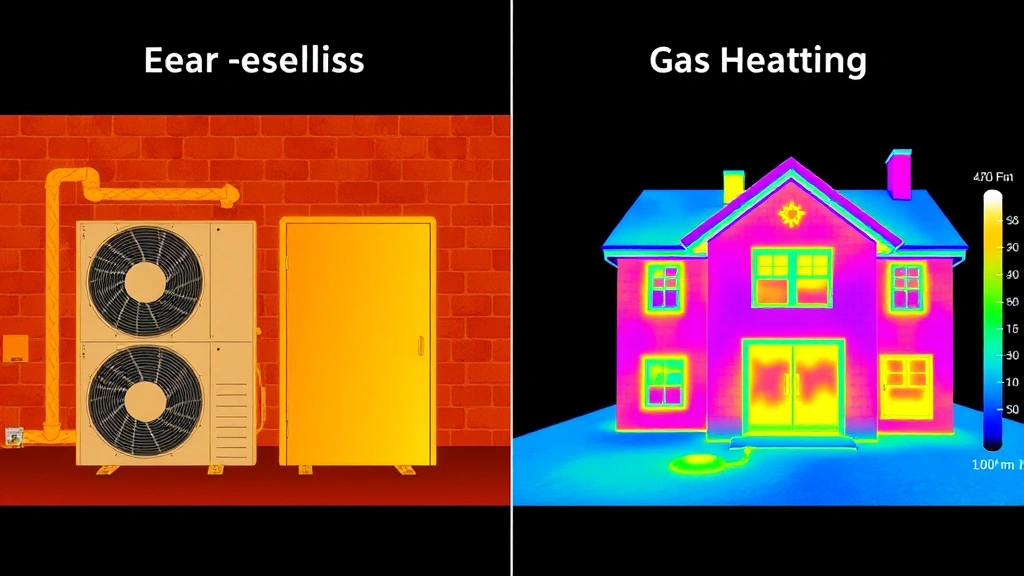
Efficiency and Performance Metrics
Traditional wood-burning fireplaces operate at approximately 10-15% efficiency, meaning 85-90% of heat escapes through the chimney. Gas inserts dramatically improve this performance, typically achieving 70-90% efficiency ratings. This substantial improvement occurs because gas combustion produces consistent, controllable heat, and sealed systems minimize heat loss compared to open flames.
Efficiency ratings for gas inserts depend on several factors: venting type (direct vent versus natural draft), burner design, heat exchanger quality, and blower capacity. Direct-vent models, which draw combustion air from outside and expel exhaust externally, generally outperform natural-draft systems. Modern EPA-certified units meet stringent emission standards while delivering reliable heating performance.
However, efficiency numbers tell only part of the sustainability story. A 90% efficient gas insert still burns fossil fuels, releasing carbon dioxide and other greenhouse gases. The efficiency improvement over wood fireplaces doesn’t address the fundamental question of whether gas heating aligns with climate goals. When evaluating home heating, efficiency represents one variable among many, including fuel source, total energy consumption, and lifecycle environmental costs.
For homeowners prioritizing sustainable energy solutions, understanding efficiency metrics provides context but shouldn’t overshadow the importance of examining fuel sources. An efficient gas system still contributes to fossil fuel dependence, whereas renewable energy alternatives offer pathways toward genuine sustainability.
Environmental Impact Analysis
The environmental footprint of gas inserts encompasses multiple dimensions: direct emissions during operation, upstream extraction and processing impacts, and lifecycle manufacturing considerations. Natural gas extraction through conventional drilling or hydraulic fracturing (fracking) disturbs ecosystems, consumes water, and risks methane leakage—a potent greenhouse gas with 80+ times the warming potential of carbon dioxide over a 20-year period.
When burned, natural gas produces carbon dioxide, water vapor, and nitrogen oxides. While cleaner than coal, gas combustion still contributes significantly to climate change. The U.S. Environmental Protection Agency tracks emissions from residential heating sources, consistently identifying natural gas as a meaningful contributor to household carbon footprints. For homes currently heated entirely by natural gas, adding a gas insert perpetuates fossil fuel dependence rather than reducing it.
Methane leakage throughout the natural gas supply chain compounds environmental concerns. Studies indicate that 1-5% of extracted natural gas escapes during production, transmission, and distribution. These fugitive emissions undermine the climate benefits that natural gas advocates claim compared to other fossil fuels. Over the lifetime of a gas insert installation (15-25 years), these cumulative emissions represent a substantial environmental cost.
Manufacturing and installation also generate emissions. Mining materials for the insert, producing steel and glass components, and transporting equipment consume energy and resources. While these upfront costs typically offset within the first 3-5 years of operation through efficiency gains, they remain relevant to overall sustainability calculations. Lifecycle assessment studies of heating systems consistently show that fossil fuel options—regardless of efficiency—carry higher total environmental costs than renewable alternatives.
Understanding the definition of sustainability proves crucial here. True sustainability requires meeting present heating needs without compromising future generations’ ability to maintain stable climate systems. Gas inserts, while more efficient than traditional fireplaces, perpetuate dependence on finite resources and contribute to climate destabilization.
Comparing Gas Inserts to Alternatives
Evaluating gas inserts requires comparing them against genuinely sustainable alternatives. Electric heat pump systems, for instance, can achieve equivalent or superior heating performance with dramatically lower emissions, especially in regions with renewable electricity grids. Modern cold-climate heat pumps operate effectively even in harsh winters, making them viable for most North American climates.
Pellet stoves burning sustainably sourced biomass offer another option, though their viability depends on local supply chains and forestry practices. Sustainably managed pellet production uses agricultural waste and forest residues, creating renewable heating fuel. However, pellet stove emissions still produce particulate matter and require careful venting, and sustainability claims require verification of sourcing practices.
Solar thermal systems combined with efficient insulation represent long-term sustainable heating approaches. While initial costs exceed gas inserts, solar systems produce free heat for decades, requiring minimal maintenance and generating zero operational emissions. For homeowners in moderate-to-high solar resource areas, solar heating can provide substantial supplemental warmth during shoulder seasons and sunny winter days.
The comparison becomes clearer when examining total cost of ownership across 20-year periods. While gas inserts cost $3,000-$6,000 installed, heat pumps ($8,000-$15,000) and solar systems ($12,000-$20,000) command higher upfront investments. However, lower operating costs, tax incentives, and avoided fuel purchases often make renewable systems more economical long-term. Additionally, reducing your environmental footprint through renewable heating generates intangible benefits that pure financial analysis cannot capture.
Geographic location significantly influences optimal heating solutions. Homes in regions with abundant natural gas infrastructure and cold winters might find gas inserts more practical than rural properties where propane costs soar. Conversely, areas with strong solar resources or renewable electricity portfolios make electric heating increasingly attractive. Consulting local energy auditors helps identify solutions matching specific climate, infrastructure, and financial circumstances.
Installation and Maintenance Considerations
Installing a gas insert in fireplace requires professional expertise. Improper installation risks dangerous carbon monoxide leaks, chimney damage, and system failures. Qualified technicians must ensure proper venting, seal fireplace openings correctly, and install appropriate clearances from combustible materials. This professional requirement adds to total installation costs but proves essential for safety and performance.
Maintenance demands differ from wood fireplaces. Gas inserts require annual inspections to verify proper combustion, check venting integrity, and ensure blower functionality. Cleaning accumulated dust from heat exchangers and burner components maintains efficiency. These relatively modest maintenance requirements exceed traditional fireplaces’ needs but remain minimal compared to wood stove upkeep.
Venting considerations impact both performance and environmental efficiency. Direct-vent systems draw outside air for combustion and exhaust gases directly outdoors, preventing heated indoor air loss. Natural-draft systems vent through existing chimneys, potentially losing conditioned air up the chimney. The venting choice affects both heating efficiency and indoor air quality, with direct-vent systems generally superior on both metrics.
For homeowners considering retrofits, assessing existing chimney conditions proves critical. Some fireplaces require chimney relining before gas insert installation, adding $1,000-$3,000 to project costs. Evaluating these structural requirements upfront prevents unexpected expenses and ensures safe, compliant installations.
Cost-Benefit Analysis for Homeowners
Financial considerations often drive heating decisions as powerfully as environmental concerns. Gas inserts offer compelling economics compared to traditional fireplaces: they provide actual heating (versus decorative-only wood fireplaces), operate at high efficiency, and cost less to install than alternative heating systems. For homeowners with existing fireplaces and limited budgets, gas inserts represent pragmatic improvements.
Operating costs depend on local natural gas prices, which fluctuate based on supply, demand, and geopolitical factors. In regions with stable, affordable natural gas, gas inserts provide economical supplemental heating. However, propane-dependent areas face higher costs, potentially eroding economic advantages. Comparing current utility rates against projected heating needs helps estimate annual operating expenses.
Tax incentives and rebates influence financial decisions. Federal tax credits for energy-efficient heating systems may apply to gas inserts, though credits increasingly favor renewable options. State and local programs often provide rebates for upgrading inefficient heating systems. Researching available incentives in your jurisdiction can significantly reduce net installation costs.
The long-term cost equation shifts when considering fuel price volatility and climate policy trends. Carbon pricing mechanisms, emissions regulations, and natural gas supply constraints may increase fossil fuel costs over time. Conversely, renewable energy technology costs continue declining, making solar and heat pump systems increasingly cost-competitive. Homeowners planning to remain in properties for 15+ years should factor these trajectory changes into decisions.
From a financial perspective, gas inserts represent moderate-cost improvements over wood fireplaces. However, from a sustainability perspective, the modest financial advantage doesn’t justify perpetuating fossil fuel dependence when renewable alternatives increasingly offer comparable or superior economics.
Making the Sustainable Choice
Determining whether a gas insert aligns with your sustainability values requires honest assessment of your heating goals, financial constraints, and environmental priorities. If your primary objective involves replacing an inefficient wood fireplace while minimizing capital expenditure, a gas insert delivers measurable improvements. However, if genuine sustainability represents your priority, exploring renewable alternatives deserves serious consideration despite higher upfront costs.
The advantages of natural gas include accessibility, established infrastructure, and proven reliability. These practical benefits explain natural gas’s continued prevalence in home heating. However, practical advantages don’t equate to environmental benefits. As renewable technologies mature and climate imperatives intensify, relying on fossil fuels becomes increasingly difficult to justify.
For homeowners committed to environmental responsibility, several pathways forward deserve exploration. First, evaluate whether supplemental heating truly addresses your needs or if improved insulation, air sealing, and thermostat management might reduce heating demands. Many homes lose 20-30% of conditioned air through envelope leakage, making weatherization more impactful than installing new heating systems.
Second, investigate renewable heating options suited to your climate and budget. Heat pumps increasingly dominate heating conversations due to their efficiency, declining costs, and compatibility with renewable electricity grids. Solar thermal systems deserve consideration in high-solar-resource areas. Exploring these alternatives requires research but often reveals options with superior long-term economics and genuine environmental benefits.
Third, if a gas insert remains the most practical near-term solution, commit to transitioning toward renewable heating within 5-10 years. Using gas inserts as temporary measures while planning renewable infrastructure upgrades provides reasonable middle-ground approaches. This phased strategy acknowledges budget constraints while maintaining sustainability trajectory.
Visiting the SustainWise Hub Blog provides additional resources on heating sustainability and home energy efficiency. Accessing authoritative sources helps inform decisions grounded in current research and best practices.
FAQ
Are gas fireplace inserts truly eco-friendly?
Gas inserts improve efficiency over traditional fireplaces but remain fossil fuel dependent. They reduce emissions compared to wood burning but don’t qualify as genuinely eco-friendly. True sustainability requires renewable energy sources without greenhouse gas emissions. Gas inserts represent incremental improvements within fossil fuel systems rather than transitions toward sustainable heating.
How much can gas inserts reduce heating costs?
Savings depend on current heating systems, local gas prices, and usage patterns. Homes replacing wood fireplaces see modest savings since wood fireplaces provided minimal heat. Homes using gas inserts for supplemental heating might reduce overall energy costs 5-15%. Actual savings require analyzing your specific utility rates and heating needs.
What’s the lifespan of a gas insert?
Quality gas inserts typically last 15-25 years with proper maintenance. Components like burners and heat exchangers eventually require replacement, and ongoing annual inspections ensure safety. Comparing lifespan against product costs helps calculate true annual ownership expenses.
Can gas inserts work in any fireplace?
Most fireplaces can accommodate gas inserts, though some require chimney modifications or relining. Professional assessment determines compatibility and identifies necessary adjustments. Older fireplaces with deteriorated chimneys may require significant remedial work, affecting total project costs.
What emissions do gas inserts produce?
Gas inserts emit carbon dioxide, water vapor, and nitrogen oxides during combustion. Properly vented systems direct these emissions outdoors. However, natural gas extraction and delivery also generate methane leakage throughout supply chains. Total lifecycle emissions remain substantially higher than renewable heating alternatives.
How do gas inserts compare to electric heating?
Electric heating efficiency rivals gas inserts, but electricity source determines environmental impact. Regions with renewable-dominated grids make electric heating dramatically cleaner than gas. Modern heat pumps achieve superior efficiency compared to traditional electric resistance heating, making them increasingly competitive with gas systems.
What maintenance do gas inserts require?
Annual professional inspections verify safe operation and proper combustion. Homeowners should clean exterior glass monthly and ensure venting remains unobstructed. These modest requirements cost $100-$300 annually, making gas inserts relatively low-maintenance heating solutions.


