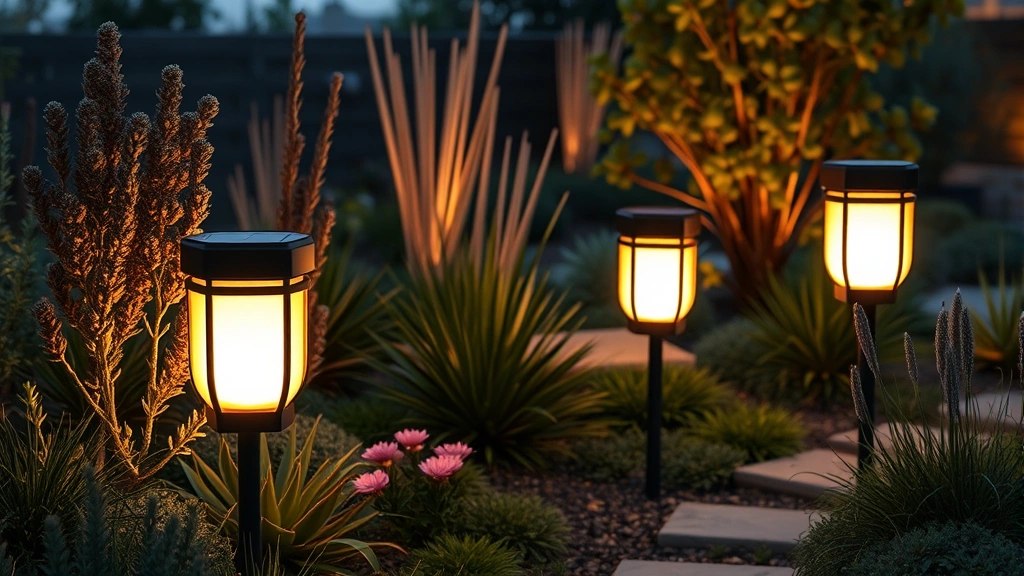
Are Gas Lanterns Eco-Friendly? Expert Analysis
Gas lanterns have been a staple of outdoor lighting and ambiance for centuries, evoking nostalgia and charm in gardens, patios, and public spaces. However, as environmental consciousness grows, many homeowners and businesses are asking whether these traditional lighting fixtures align with sustainability goals. The answer is more nuanced than a simple yes or no, requiring examination of fuel sources, emissions, efficiency, and viable alternatives.
In this comprehensive guide, we’ll explore the environmental impact of gas lanterns, comparing them to other lighting options and helping you make informed decisions about your outdoor illumination. Whether you’re considering installing gas lanterns or evaluating your current setup, understanding their ecological footprint is essential for responsible consumption.
What Are Gas Lanterns and How Do They Work?
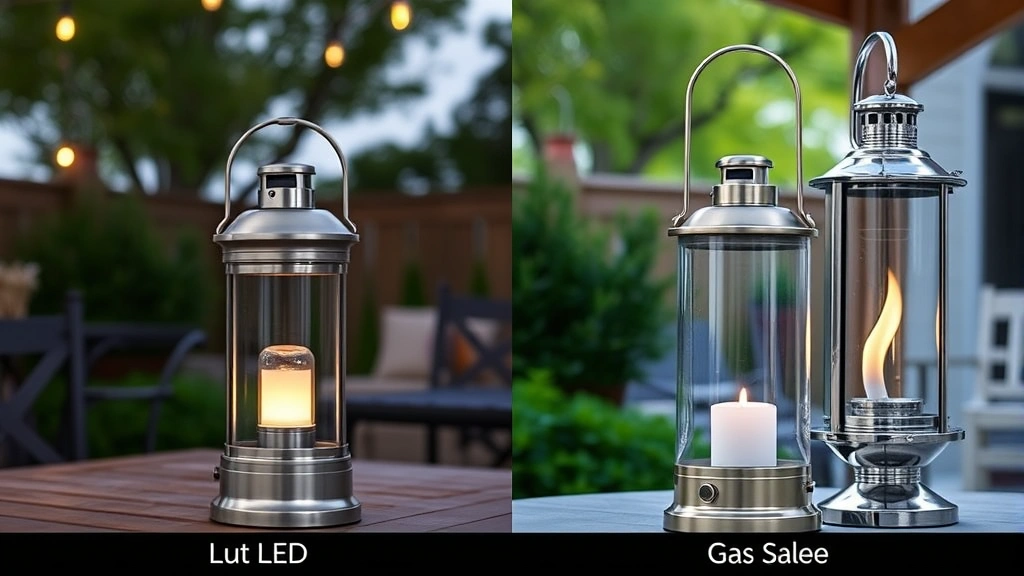
Gas lanterns are outdoor lighting fixtures that burn either natural gas or propane to produce light and heat. Traditional designs feature a flame that illuminates a mantle—a specially treated fabric that glows when heated. Modern gas lanterns may use electronic ignition systems and safety features to prevent accidental extinguishing or gas leaks.
The primary appeal of gas lanterns lies in their aesthetic value and ability to create warm, inviting atmospheres. They’ve been used for decades in residential gardens, street lighting, and commercial establishments. Understanding their operational mechanics is crucial for evaluating their environmental credentials.
When evaluating natural gas versus propane options for lanterns, it’s important to recognize that both are fossil fuels extracted from the earth. The extraction, processing, transportation, and combustion of these fuels all contribute to their overall environmental impact. Natural gas is typically delivered via underground pipelines, while propane is transported in cylinders or tanks, which affects their respective carbon footprints.
Environmental Impact of Gas Lanterns
Carbon Emissions and Greenhouse Gases
The primary environmental concern with gas lanterns centers on carbon dioxide emissions. Each time a gas lantern burns, it releases CO2 into the atmosphere—a greenhouse gas contributing to climate change. A single gas lantern burning for eight hours daily can emit approximately 15-20 pounds of CO2 annually, depending on fuel type and burning efficiency.
When multiplied across residential neighborhoods or commercial districts with numerous lanterns, these emissions accumulate significantly. Studies from the Environmental Protection Agency (EPA) indicate that outdoor gas lighting contributes measurably to residential and commercial carbon footprints, particularly in regions where such fixtures are common.
Beyond CO2, gas lanterns produce methane during fuel extraction and transportation. Methane is a potent greenhouse gas—approximately 25-28 times more effective at trapping heat than carbon dioxide over a 100-year period. Even minor leaks in fuel lines or cylinders represent environmental losses.
Resource Depletion
Natural gas and propane are non-renewable fossil fuels. Using them for decorative outdoor lighting represents consumption of finite planetary resources. As global energy demands increase, reliance on fossil fuels for non-essential applications becomes increasingly questionable from sustainability perspectives.
The extraction process for natural gas and propane often involves hydraulic fracturing (fracking), which raises additional environmental concerns including groundwater contamination risks, habitat disruption, and induced seismic activity. Supporting demand for these fuels perpetuates these extraction practices.
Methane Leakage
Throughout the natural gas supply chain—from extraction to delivery—methane leaks occur. Studies suggest that 1-2% of natural gas escapes as methane during production and distribution. When you use natural gas lanterns, you’re indirectly supporting an industry with inherent leakage rates that harm atmospheric integrity.
Propane systems, while slightly more contained, also experience leakage losses. Tank deterioration, valve malfunctions, and transfer inefficiencies contribute to environmental losses that aren’t always visible to consumers.
Emissions and Air Quality Concerns
Beyond climate impact, gas lanterns affect local air quality. Combustion of fossil fuels produces not only carbon dioxide but also nitrogen oxides (NOx), volatile organic compounds (VOCs), and particulate matter. These pollutants contribute to ground-level ozone formation and respiratory health problems, particularly affecting vulnerable populations including children and elderly individuals.
In urban areas with high concentrations of gas lanterns, cumulative air quality degradation becomes measurable. Cities implementing sustainable energy solutions often identify outdoor gas lighting as a target for conversion to electric alternatives.
The American Lung Association documents correlations between fossil fuel combustion and increased respiratory diseases. While individual gas lanterns contribute modestly to this burden, collective impact matters significantly.
Indoor Air Quality in Enclosed Spaces
When gas lanterns are used in semi-enclosed spaces like gazebos, patios with overhead covers, or enclosed porches, indoor air quality suffers. Combustion byproducts accumulate in enclosed areas without adequate ventilation, potentially causing headaches, dizziness, and respiratory irritation. This concern makes gas lanterns unsuitable for many residential settings where family members gather.
Comparing Gas Lanterns to Alternative Lighting
LED Solar Lanterns
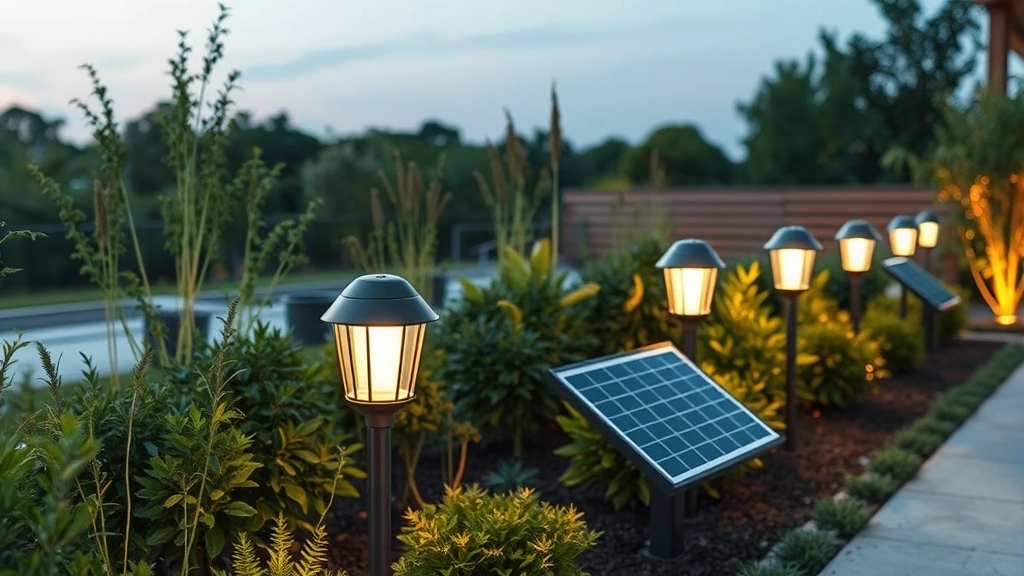
Solar-powered LED lanterns represent the most eco-friendly alternative to gas lanterns. They harness renewable solar energy, produce zero emissions during operation, and require no fuel. Modern solar lanterns provide adequate illumination for most outdoor applications while consuming minimal electricity.
The manufacturing process for solar lanterns does involve some environmental cost through battery production and electronic components. However, over their 5-10 year lifespan, solar lanterns offset their manufacturing impact many times over compared to gas lanterns’ continuous emissions.
Electric LED Lanterns
Wired electric LED lanterns powered by grid electricity represent a middle ground. Their environmental impact depends on your region’s energy grid composition. In areas with high renewable energy percentages, electric lanterns are significantly cleaner than gas alternatives. Even in regions relying on fossil fuel power plants, grid electricity typically generates fewer emissions per unit of light than gas combustion.
LED technology’s exceptional efficiency—producing more light per watt than any other technology—makes electric LED lanterns substantially more efficient than gas fixtures. A single LED bulb consuming 10 watts produces equivalent illumination to a gas lantern burning fuel continuously.
Incandescent and Halogen Alternatives
Traditional incandescent and halogen lighting, while electric, consume substantially more energy than LEDs. They’re less efficient than gas lanterns in some cases and certainly inferior to solar or LED options. Most sustainability experts recommend avoiding these outdated technologies entirely.
Direct Comparison Table
- Gas Lanterns: 15-20 lbs CO2 annually per unit, continuous fuel consumption, local air quality impact, non-renewable fuel source
- Solar LED Lanterns: Zero operational emissions, renewable energy source, minimal maintenance, higher upfront cost
- Electric LED Lanterns: 2-4 lbs CO2 annually per unit (grid-dependent), efficient operation, lower upfront cost than solar
- Incandescent Electric: 8-12 lbs CO2 annually per unit, energy-intensive, rapid bulb replacement needs
Sustainability Considerations for Homeowners
When evaluating whether to install or maintain gas lanterns, consider these sustainability factors:
Aesthetic vs. Environmental Trade-offs
Gas lanterns undeniably create distinctive ambiance that modern alternatives struggle to replicate. The warm, flickering flame provides psychological and aesthetic benefits that pure functionality doesn’t capture. However, true sustainability requires balancing these preferences against environmental costs. Many homeowners find that accepting alternative aesthetics represents a reasonable compromise for environmental responsibility.
Modern solar and electric LED lanterns increasingly offer warm color temperatures and design sophistication that appeal to traditional aesthetics. Some high-end options provide flame-like flickering effects through programmable LEDs, bridging the aesthetic gap considerably.
Usage Patterns and Impact Scaling
A single gas lantern used occasionally for special occasions carries minimal environmental impact. However, permanent installations burning nightly accumulate substantial emissions over time. Evaluate your actual usage patterns and consider whether gas lanterns serve essential functions or primarily decorative purposes.
For essential outdoor lighting—security, safety, and visibility—electric or solar alternatives make clear environmental sense. For purely decorative use, occasional operation of gas lanterns might be acceptable within broader sustainability goals, though alternatives still merit consideration.
Maintenance and Longevity
Gas lanterns require regular maintenance including mantle replacement, fuel cylinder exchanges, and inspection for leaks. These requirements generate ongoing environmental costs through manufacturing and transportation. Solar and electric LED lanterns, while initially manufactured, require minimal maintenance and often function for 10+ years without component replacement.
Calculating total lifecycle environmental cost—manufacturing, operation, maintenance, and disposal—favors LED alternatives substantially. Many manufacturers now offer green technology innovations transforming sustainability, including lanterns with extended warranties and recyclable components.
Making Eco-Conscious Lighting Choices
Transitioning Away from Gas Lanterns
If you currently use gas lanterns and want to reduce environmental impact, transition gradually rather than immediately replacing all fixtures. This approach reduces waste and spreads financial investment. Prioritize replacing gas lanterns in high-use areas first, particularly those burning nightly.
When replacing gas lanterns, donate or responsibly recycle the old fixtures rather than discarding them. Many salvage operations and antique dealers accept vintage gas lanterns, extending their useful life and preventing landfill waste.
Selecting Appropriate Alternatives
Choose replacement lighting based on specific application needs:
- Security lighting: Wired electric LED fixtures with motion sensors provide optimal efficiency and functionality
- Ambient patio lighting: Solar LED lanterns or strings reduce operational emissions to zero
- Decorative accent lighting: Battery-powered LED candles or solar lanterns offer flexibility without fuel consumption
- High-traffic pathways: Permanent electric LED installations ensure reliable illumination
Optimizing Overall Outdoor Energy Use
Beyond lantern selection, consider broader outdoor lighting strategies aligned with reducing your environmental footprint. Use lighting only when necessary, employ timers and motion sensors to prevent waste, and select warm color temperatures (2700K or lower) that minimize ecological disruption to nocturnal wildlife.
Explore sustainable energy solutions comprehensively. If installing new outdoor lighting systems, integrate them with broader home sustainability efforts including insulation improvements, renewable energy installation, and water conservation measures.
Supporting Policy and Community Change
Advocate for municipal policies reducing decorative gas lighting in public spaces. Many cities are replacing street gas lamps with LED alternatives, significantly reducing carbon emissions while improving light quality and safety. Community engagement on these issues amplifies individual efforts.
FAQ
Are gas lanterns truly eco-friendly in any context?
Gas lanterns cannot be considered eco-friendly in the context of modern sustainability standards. They produce greenhouse gases, consume non-renewable fossil fuels, and affect air quality. While occasionally used gas lanterns have minimal impact compared to continuous operation, superior alternatives exist that eliminate these concerns entirely.
How do solar lanterns compare to gas lanterns environmentally?
Solar lanterns are substantially more eco-friendly. They produce zero operational emissions, require no fuel consumption, and harness renewable energy. The only environmental cost involves manufacturing, which is offset within 1-2 years of operation compared to gas lanterns’ continuous emissions.
Can I justify using gas lanterns for aesthetic reasons?
While personal preference matters, true sustainability requires balancing aesthetics against environmental impact. Modern LED alternatives increasingly offer warm aesthetics and even flame-like effects. Most sustainability-conscious individuals find these alternatives acceptable, though occasional gas lantern use for special events may fit within broader environmental goals.
What’s the best replacement for existing gas lanterns?
The best replacement depends on your specific needs. For security lighting, wired electric LED fixtures excel. For decorative patio use, solar LED lanterns provide optimal environmental performance. For flexibility and portability, rechargeable battery-powered LED lanterns offer good compromises between convenience and sustainability.
Do electric lanterns produce significant emissions?
Electric lanterns’ emissions depend entirely on your electrical grid’s composition. In regions with high renewable energy percentages, emissions are minimal. Even in fossil fuel-dependent regions, grid electricity typically generates 75-90% fewer emissions than gas combustion for equivalent illumination, thanks to LED efficiency.
How can I transition away from gas lanterns cost-effectively?
Replace gas lanterns gradually, prioritizing high-use fixtures first. Solar lanterns have no operating costs, offsetting higher upfront expenses over time. Look for sales during seasonal transitions, and consider DIY installation for wired electric systems to reduce labor costs.
Are there environmental certifications for eco-friendly lanterns?
Yes, look for lanterns meeting ENERGY STAR certification standards for LED efficiency. Additionally, seek products from manufacturers with environmental management certifications indicating commitment to sustainable practices throughout their supply chains.