Gas Lighter Impact on Environment: Facts vs Myths
Gas lighters are ubiquitous in modern households, yet their environmental footprint remains largely misunderstood. From butane consumption to plastic waste, these small devices carry surprising ecological consequences that deserve closer examination. Understanding the true impact of gas lighters helps consumers make informed choices aligned with their sustainability values.
This comprehensive guide separates fact from fiction, exploring the manufacturing process, fuel emissions, waste generation, and viable alternatives to traditional gas lighters. Whether you’re an environmentally conscious consumer or simply curious about everyday items’ ecological costs, this article provides actionable insights for reducing your lighter-related environmental impact.
How Gas Lighters Work and Their Environmental Baseline
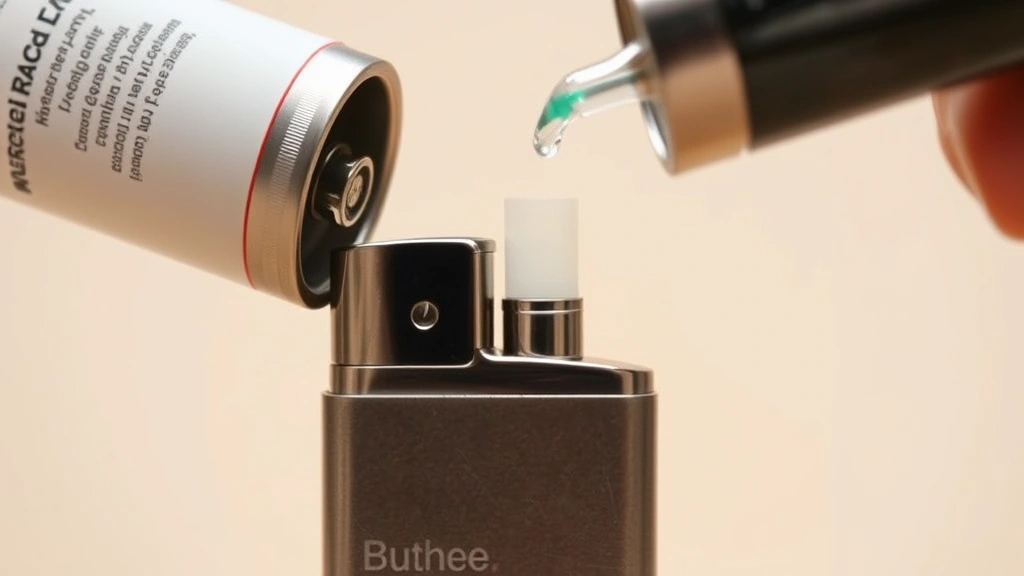
Gas lighters operate through a straightforward mechanism: pressurized butane or butane-propane blend stored in a sealed chamber ignites when a spark or flame is generated. The piezoelectric spark mechanism creates friction that ignites the fuel, producing the flame we use for candles, cigarettes, and cooking. Understanding this basic function reveals where environmental concerns originate.
The environmental baseline of a gas lighter involves multiple lifecycle stages: raw material extraction, manufacturing, packaging, distribution, consumer use, and eventual disposal. Each stage contributes to the device’s total environmental footprint, though some phases receive more attention than others. A typical disposable lighter weighs approximately 3.5 ounces and contains roughly 5-7 grams of butane fuel.
When examining gas lighter environmental impact, we must consider both direct emissions from fuel combustion and indirect impacts from manufacturing processes. The reduction of your environmental footprint requires understanding these interconnected systems. Many consumers focus solely on the burning fuel while overlooking the manufacturing waste and plastic accumulation that represent substantial ecological costs.
Manufacturing Impact and Material Waste
Manufacturing gas lighters involves plastic molding, metal component fabrication, and assembly processes that generate significant waste streams. Most consumer lighters use polypropylene or polyethylene for the main body, requiring petroleum extraction and energy-intensive processing. A single lighter factory can produce millions of units annually, multiplying the manufacturing impact exponentially.
The production process includes several environmentally relevant stages: petroleum refining for plastic materials, metal stamping for the ignition mechanism, welding and assembly, quality control testing, and packaging. Each stage consumes energy derived primarily from fossil fuels in many manufacturing regions. The comparison between propane and natural gas provides context for understanding fuel-based manufacturing emissions, though lighter production primarily relies on electrical power.
Factory waste streams include plastic scraps, metal shavings, and defective units discarded during quality control. Industrial facilities attempt to minimize waste through recycling programs, but significant quantities still enter landfills. Additionally, the transportation of raw materials and finished products across global supply chains adds carbon emissions that contribute to the lighter’s total environmental cost.
Workers in lighter manufacturing facilities face occupational health challenges from chemical exposure and repetitive motion injuries. While not strictly environmental, these social impacts reflect the true cost of consumer convenience. Ethical manufacturing practices require investment in worker safety and waste management systems that increase production costs but reduce overall environmental and human harm.
Butane Fuel Emissions and Climate Contribution
Butane combustion releases carbon dioxide and water vapor, contributing directly to greenhouse gas emissions. A single lighter’s butane content produces approximately 15-20 grams of CO2 when completely burned. While this seems minimal individually, considering billions of lighters produced annually reveals the collective climate impact.
Butane itself, when released unburned into the atmosphere, functions as a potent greenhouse gas with warming potential approximately 5 times greater than CO2 over a 100-year period. Leaking lighters, improper disposal, and manufacturing emissions release butane directly into the atmosphere without combustion benefits. This unburned fuel represents pure climate impact without any utility provision.
The EPA’s greenhouse gas overview classifies butane among volatile organic compounds that contribute to both direct warming and secondary atmospheric chemistry effects. When lighter fuel escapes during manufacturing, storage, or consumer use, it joins the atmosphere’s volatile organic compound burden, affecting air quality and climate systems simultaneously.
Comparing lighter fuel emissions to natural gas furnace emissions provides perspective: a furnace operating for one heating season releases more carbon than thousands of lighter combustion events. However, furnaces serve essential household functions, whereas lighter use often represents discretionary consumption. This distinction highlights the importance of reducing lighter dependency through alternative ignition methods.
Plastic Waste and Disposal Challenges
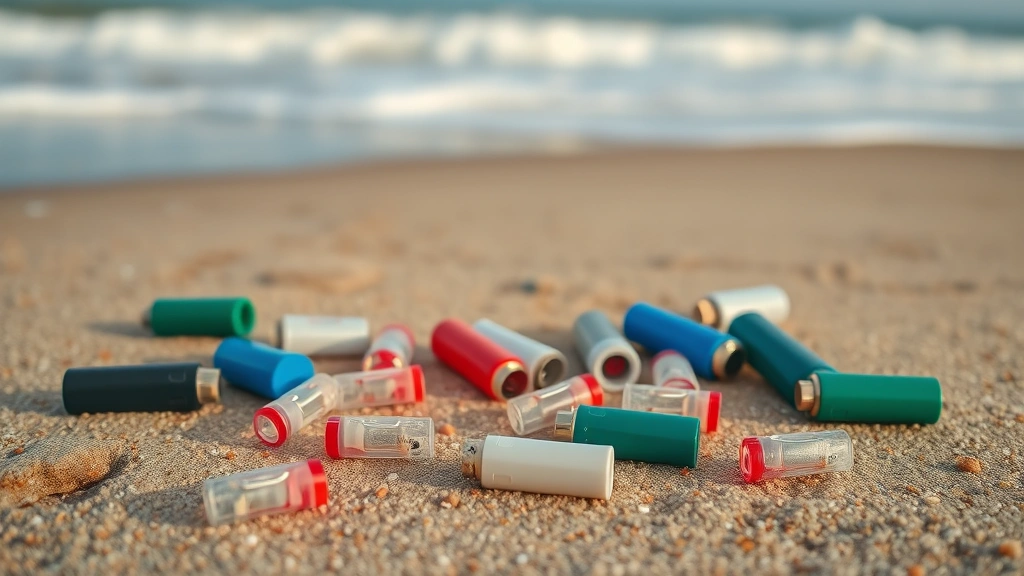
The plastic waste problem represents perhaps the most visible environmental consequence of gas lighter consumption. Disposable lighters constitute a significant portion of ocean plastic pollution, with marine researchers identifying lighter components among the most frequently discovered single-use plastic items in ocean samples. An estimated 1.5 billion lighters end up in landfills annually across North America alone.
Most gas lighters cannot be recycled through standard municipal programs because their pressurized fuel containers pose explosion hazards in processing facilities. Recycling centers typically reject lighters as hazardous waste, directing them to landfills where they persist for 100+ years without degradation. Some advanced facilities can safely depressurize and separate lighter components, but this capability remains limited in most regions.
The plastic degradation timeline for lighter components extends across centuries, during which the material breaks into microplastics that contaminate soil and water systems. Microplastics have been detected in human bloodstreams, fish tissues, and agricultural soils worldwide. This persistent pollution cycle means that lighters discarded today will continue affecting ecosystems for generations.
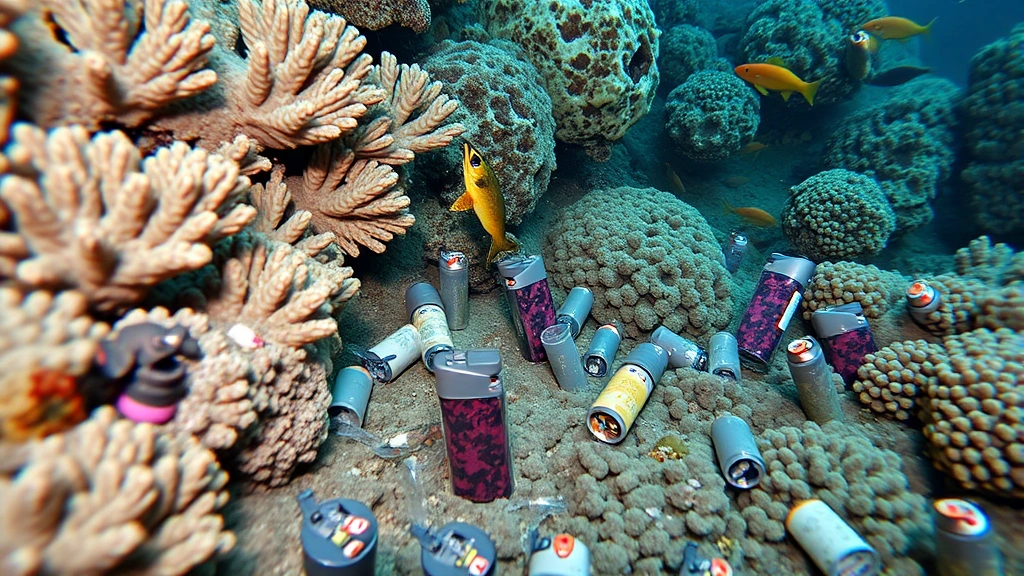
Ocean plastic accumulation specifically threatens marine biodiversity, with sea turtles, seabirds, and fish mistaking lighter components for food. Ingestion causes internal injuries, starvation, and death across multiple species. Additionally, lighter components leach chemical additives used in plastic manufacturing, contaminating marine environments with toxins that bioaccumulate through food chains.
Myth-Busting Common Environmental Claims
Myth 1: “Gas lighters are carbon-neutral because the fuel comes from natural sources.” This claim misunderstands carbon neutrality fundamentally. Butane originates from petroleum refining, a fossil fuel process that releases long-sequestered carbon. The fuel itself contains no carbon offset mechanism, and burning it adds greenhouse gases to the atmosphere. True carbon neutrality requires equivalent carbon removal, which lighters do not provide.
Myth 2: “Refillable lighters eliminate environmental impact.” While refillable lighters reduce plastic waste significantly, they do not eliminate it entirely. The refillable lighter itself requires manufacturing resources, and eventual disposal still poses environmental challenges. Additionally, refillable lighter owners often replace them after 2-5 years, still generating plastic waste, albeit at reduced frequency compared to disposable alternatives.
Myth 3: “Lighter fuel is biodegradable and poses minimal pollution risk.” Butane does not biodegrade in conventional terms. It either combusts or persists as a volatile organic compound affecting atmospheric chemistry. Unburned lighter fuel contributes to air pollution and climate change indefinitely. The persistence of butane in the environment contradicts biodegradability claims entirely.
Myth 4: “Using lighters is better than matches because matches generate ash waste.” While matches do produce ash, the comparison overlooks crucial factors. Matches are typically made from sustainably harvested wood with minimal processing, whereas lighter manufacturing involves petroleum extraction and complex industrial processes. The total environmental impact of matches generally remains lower than gas lighters when lifecycle assessments are conducted comprehensively.
Myth 5: “Most lighters get recycled or properly disposed of.” Industry data indicates that fewer than 5% of disposable lighters enter formal waste management systems designed to handle hazardous materials safely. The majority end up in regular trash destined for landfills or incinerators, where they pose explosion risks and environmental contamination. Proper disposal infrastructure remains inadequate globally.
Sustainable Lighter Alternatives
For consumers committed to reducing environmental impact, several alternatives to gas lighters exist with varying ecological profiles. Understanding these options enables informed choices aligned with individual circumstances and sustainability priorities.
Matches and Wooden Sticks
Traditional wooden matches represent one of the lowest-impact ignition options available. Made from sustainably harvested wood with minimal processing, matches generate only ash residue and require no petroleum-based materials or pressurized fuel containers. The environmental cost of match production remains substantially lower than lighter manufacturing, though matches cannot be reused and require repeated purchases.
Arc Lighters and Electric Ignition
USB-rechargeable arc lighters use electrical resistance to create ignition without fuel combustion. These devices eliminate butane emissions entirely and produce no plastic waste during use. However, their manufacturing involves electronic components and battery production, which carry environmental costs. Over their multi-year lifespan, arc lighters typically demonstrate lower total environmental impact than disposable gas lighters, particularly in regions with renewable electricity grids.
Reusable Metal Lighters
High-quality metal lighters designed for longevity represent a sustainable option for consumers willing to invest in durable goods. Premium lighter brands produce devices lasting 10-20 years with proper maintenance, dramatically reducing per-use environmental impact compared to disposable alternatives. The exploration of sustainable energy solutions includes evaluating durable consumer goods that reduce replacement frequency.
Fire-Starting Methods
For outdoor enthusiasts, traditional fire-starting methods including flint and steel, ferrocerium rods, and friction-based techniques eliminate dependency on manufactured ignition devices entirely. While requiring skill development, these methods represent the lowest-impact ignition options available and connect users with fundamental survival knowledge.
Consumer Choices for Reducing Impact
Individual consumers possess significant power to reduce lighter-related environmental impact through deliberate choices and behavioral modifications. These actions collectively influence market demand and manufacturing practices across the lighter industry.
Choose Refillable Over Disposable: Switching to refillable lighters reduces plastic waste by 90% compared to disposable alternatives. While refillable lighters still contain butane fuel, the dramatically reduced replacement frequency and lower overall plastic consumption make them substantially more sustainable. Quality refillable lighters last years, amortizing their manufacturing impact across hundreds of uses.
Reduce Overall Lighter Dependency: Minimizing lighter usage through alternative ignition methods decreases both fuel consumption and manufacturing demand. Using matches for candles, maintaining a stovetop pilot light for cooking, and employing arc lighters for daily needs reduces lighter usage patterns significantly. This behavioral shift requires minimal sacrifice while providing measurable environmental benefits.
Support Proper Disposal Programs: When lighters reach end-of-life, proper disposal through hazardous waste facilities prevents environmental contamination. Many communities offer collection events or permanent drop-off locations for hazardous household items including lighters. Advocating for expanded disposal infrastructure encourages municipal investment in proper lighter handling systems.
Educate Others About Impact: Sharing accurate information about lighter environmental consequences influences social norms around lighter consumption. Many people remain unaware of the plastic accumulation and pollution associated with disposable lighters. Conversations about sustainable alternatives create ripple effects through social networks, multiplying individual impact.
Support Regulatory Change: Environmental advocacy organizations work to implement policies restricting disposable lighter production and promoting sustainable alternatives. Participation in these efforts, whether through voting, petition signing, or direct advocacy, creates systemic change that transcends individual consumer choices. The discussion of electric vehicle advantages illustrates how regulatory frameworks and consumer demand interact to drive sustainable technology adoption.
FAQ
Are gas lighters recyclable?
Most standard gas lighters cannot be recycled through conventional municipal programs due to explosion hazards posed by pressurized fuel containers in processing facilities. Some specialized hazardous waste facilities can safely depressurize and separate lighter components, but this capability remains limited. Always check local hazardous waste disposal options before attempting lighter recycling.
How long does lighter plastic take to decompose?
Lighter plastic does not truly decompose; it persists for 100-1,000+ years while fragmenting into microplastics. This extended timeline means lighters discarded today will contaminate environments for generations. Preventing lighter waste represents a more effective strategy than relying on eventual degradation.
What is the carbon footprint of a single lighter?
A typical disposable lighter generates approximately 30-50 grams of CO2 equivalent when accounting for manufacturing emissions, fuel combustion, and transportation. This calculation varies based on manufacturing location’s energy sources and lighter specifications, but remains substantial for such a small consumer good.
Can I refill disposable lighters?
While technically possible, refilling disposable lighters poses safety risks and often voids manufacturer warranties. Disposable lighter designs prioritize cost reduction over refilling functionality, making refilled units prone to leaks and malfunction. Purchasing proper refillable lighters designed for multiple fillings represents a safer, more sustainable approach.
Which lighter alternative produces the least environmental impact?
Wooden matches represent the lowest-impact conventional ignition method, followed by reusable metal lighters with multi-year lifespans. For maximum sustainability, traditional fire-starting methods including flint and steel eliminate manufactured product dependency entirely. The optimal choice depends on individual circumstances and frequency of ignition needs.
Do lighter companies support environmental initiatives?
Major lighter manufacturers have begun implementing sustainability programs, including plastic reduction efforts and manufacturing efficiency improvements. However, industry-wide transformation remains limited, with many companies prioritizing profit over environmental protection. Supporting companies demonstrating genuine sustainability commitment through purchasing decisions encourages broader industry change.
The environmental impact of gas lighters extends far beyond their small size, encompassing manufacturing processes, fuel emissions, and persistent plastic pollution. By understanding these interconnected consequences and choosing sustainable alternatives, consumers participate in reducing their lighter-related environmental footprint. Whether through switching to refillable devices, embracing arc lighter technology, or simply using matches, individual choices accumulate into meaningful ecological benefits that protect environments for future generations.