Gas Line Repair: Eco-Friendly Solutions for Sustainable Home Maintenance
When a gas line needs attention, most homeowners focus solely on safety and cost. However, the environmental impact of gas line repairs—and the broader implications of natural gas infrastructure in your home—deserves serious consideration. Whether you’re dealing with a minor leak, a corroded section, or routine maintenance, there are genuinely eco-conscious approaches to getting your gas line fixed while minimizing your household’s carbon footprint and supporting the transition toward renewable energy alternatives.
The average American household with natural gas appliances relies on an extensive network of underground pipes that, over time, can develop leaks, corrosion, or connection issues. These problems not only pose safety risks but also contribute to methane emissions—a greenhouse gas roughly 25 times more potent than carbon dioxide over a 100-year period. This article explores how to address gas line repairs responsibly while considering long-term sustainability strategies for your home’s energy systems.
Understanding Gas Line Issues and Environmental Impact
Natural gas leaks represent one of the most underestimated sources of residential methane emissions. According to research from the EPA’s Natural Gas Air Pollutants division, residential gas line leaks contribute significantly to urban methane concentrations. A single small leak—barely noticeable to homeowners—can release substantial quantities of methane over months or years.
When you have your gas line fixed, you’re not just addressing an immediate problem; you’re preventing ongoing environmental degradation. Methane escapes through deteriorating connections, pinhole leaks in aging pipes, and faulty seals around appliances. The environmental cost extends beyond greenhouse gas emissions—it includes energy waste, which increases your utility bills while simultaneously harming the planet.
Common gas line issues include corrosion from soil minerals, physical damage from construction or settling, connection degradation at appliance entry points, and freeze-thaw cycle damage in cold climates. Each of these problems should be addressed promptly, not only for safety but also to prevent the continuous release of potent greenhouse gases into the atmosphere.
Eco-Friendly Repair Methods and Best Practices
When getting your gas line fixed, several environmentally conscious approaches can minimize impact:
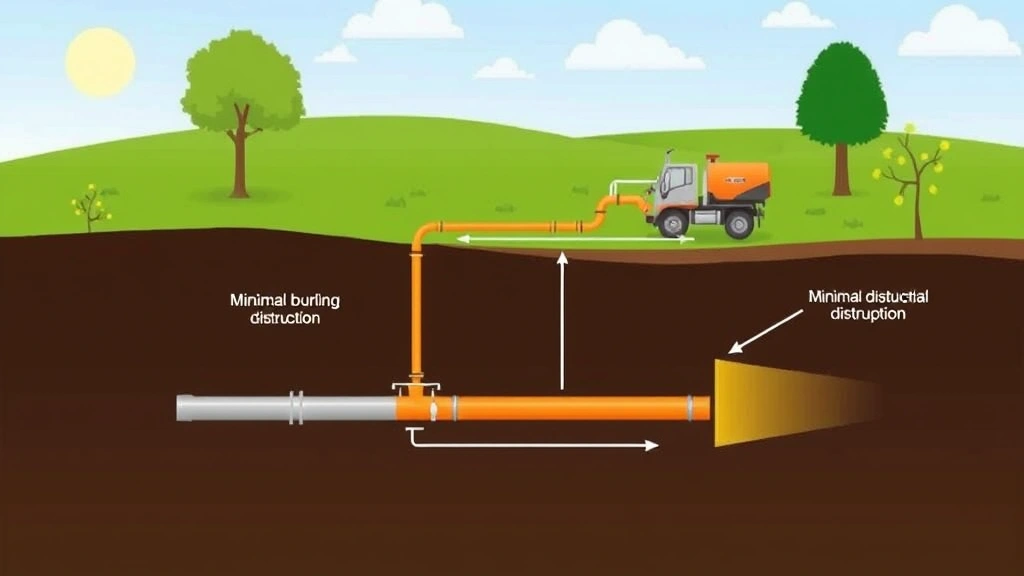
- Trenchless Repair Technology: Modern trenchless methods allow technicians to repair or replace gas lines without extensive excavation. This approach preserves soil structure, prevents landscape disruption, and eliminates the carbon emissions associated with heavy machinery operation. Techniques like pipe bursting and directional drilling reduce the overall environmental footprint of the repair process.
- High-Quality Materials: Insist on durable, corrosion-resistant materials such as black iron pipe with protective coatings or modern composite materials. These materials last longer, requiring fewer replacements and reducing long-term waste. The upfront cost may be slightly higher, but the environmental benefit justifies the investment.
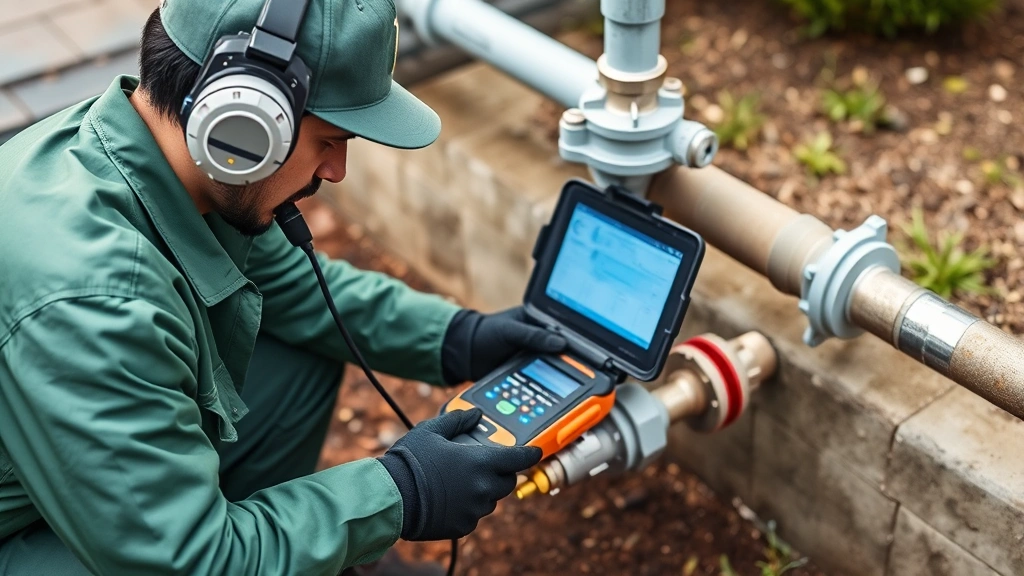
- Precision Leak Detection: Before any repairs commence, professional leak detection using ultrasonic technology or infrared imaging ensures that technicians address every problem. This prevents the need for follow-up visits and reduces unnecessary work.
- Proper Sealing and Insulation: When your gas line is fixed, ensure all connections receive appropriate sealant materials. Eco-friendly thread sealants made from plant-based compounds are available as alternatives to traditional PTFE tape, reducing synthetic chemical introduction into your home.
The repair process itself should prioritize efficiency. A reputable service provider will complete the work in a single visit, minimize vehicle idling time, and use electric tools when possible. Some progressive companies are adopting electric service vehicles for local repairs, significantly reducing their operational emissions.
Consider also the relationship between gas line repairs and your broader home energy strategy. If you’re investing in a natural gas furnace, ensure it’s properly maintained and that all fuel delivery infrastructure operates optimally. Inefficient gas lines force appliances to work harder, consuming more fuel and increasing both your expenses and environmental impact.
Choosing Sustainable Service Providers
Not all gas line repair services prioritize environmental considerations. When selecting a contractor, ask specific questions about their sustainability practices:
- Do they use trenchless technology when appropriate?
- What materials do they specify for repairs?
- Do they perform comprehensive leak detection before proposing solutions?
- Are their technicians trained in efficiency best practices?
- Do they provide documentation of emissions prevented through their repairs?
- Do they offset their operational carbon footprint?
Look for service providers certified by organizations like the Air Conditioning Contractors of America (ACCA), which sets standards for quality and environmental responsibility. Some utility companies offer rebates or preferred contractor lists that emphasize sustainable practices.
A truly eco-conscious provider will discuss your long-term energy goals during the repair consultation. They might mention the benefits of exploring sustainable energy solutions that could eventually reduce or eliminate your dependence on natural gas entirely. This perspective indicates a company genuinely invested in environmental stewardship rather than simply maximizing short-term revenue.
Leak Detection and Prevention Technologies
Advanced leak detection represents perhaps the most significant opportunity for environmental benefit when addressing gas line issues. Modern technology allows technicians to identify leaks with unprecedented precision:
- Ultrasonic Detection: This technology detects the high-frequency sound produced by escaping gas, pinpointing even microscopic leaks invisible to the naked eye.
- Infrared Thermography: Thermal imaging reveals temperature differences caused by escaping gas, creating a visual map of leak locations.
- Combustible Gas Detectors: These devices measure actual methane concentrations, providing quantitative data about leak severity.
- Pressure Testing: Pressurizing the system and monitoring pressure decay over time indicates leak presence and approximate magnitude.
Once your gas line is fixed using these detection methods, prevention becomes critical. Regular inspections—ideally annually—catch developing problems before they become significant leak sources. Our blog covers comprehensive gas and energy articles that explore maintenance schedules and preventive strategies in depth.
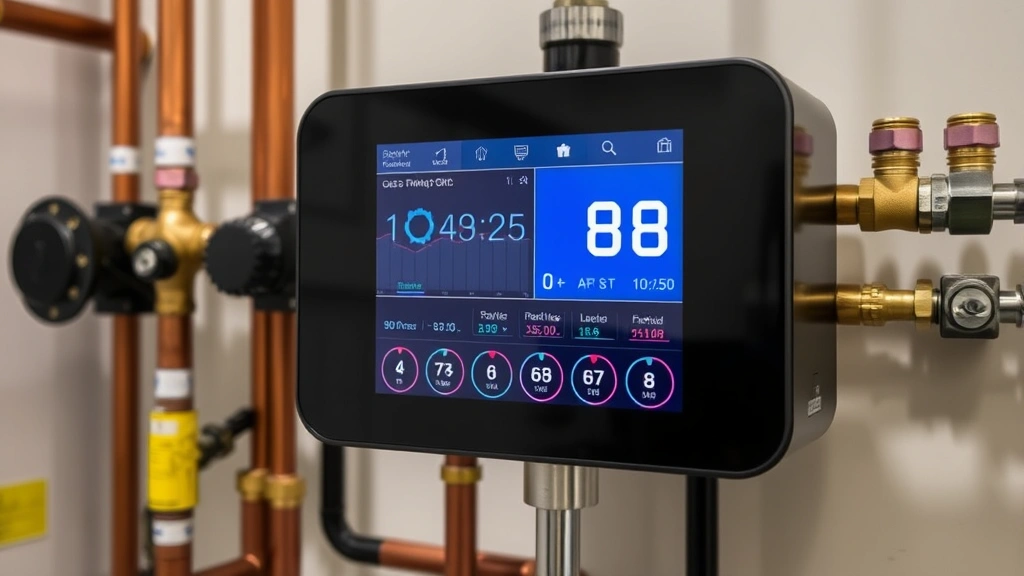
Some homeowners install smart gas monitoring systems that continuously track usage patterns and alert them to anomalies suggesting leaks. These systems, while representing an additional investment, prevent extended periods of undetected gas loss and provide data useful for optimizing overall energy consumption.
Transitioning Beyond Natural Gas
While eco-friendly gas line repairs are valuable, the most sustainable long-term approach involves transitioning away from natural gas dependence. This transition doesn’t happen overnight, but strategic planning during repair work creates opportunities:
When you have your gas line fixed, consider whether this repair aligns with your long-term sustainability goals. If the repair extends the life of aging infrastructure rather than replacing it entirely, you might simultaneously plan for future alternatives. For example, if you’re repairing gas lines to your kitchen, you could begin researching induction cooktops as a long-term replacement strategy.
Home heating represents the largest natural gas consumption for most households. Sustainable energy solutions including heat pump technology, geothermal heating, and solar thermal systems offer viable alternatives. These systems, when powered by renewable electricity sources, eliminate direct combustion emissions entirely.
For those interested in comprehensive renewable transitions, exploring advantages of electric vehicles alongside home electrification creates a holistic sustainability strategy. Electric heat pumps, electric water heaters, and electric cooking appliances, when powered by renewable energy, represent the future of low-carbon home operations.
The International Energy Agency emphasizes that electrification of residential heating and cooking is essential for meeting climate targets. Your gas line repair represents an opportunity to evaluate whether continuing investment in natural gas infrastructure aligns with your values and climate commitments.
Maintenance Schedules for Efficiency
Preventive maintenance dramatically extends the time between necessary repairs and minimizes leak-related emissions. A comprehensive maintenance schedule should include:
- Annual Visual Inspections: Check for corrosion, loose connections, and visible damage to exposed gas lines.
- Professional Testing: Every 2-3 years, hire a professional to perform pressure tests and leak detection on your entire system.
- Appliance Servicing: Gas furnaces, water heaters, and cooking appliances should receive annual maintenance to ensure efficient operation and proper gas delivery.
- Connection Verification: Ensure all gas connections at appliances remain tight and properly sealed.
- Sealing Checks: Verify that all entry points where gas lines penetrate walls or foundations are properly sealed to prevent air infiltration and gas escape.
Proper maintenance not only prevents the need for emergency repairs but also ensures your gas appliances operate at peak efficiency. An inefficient furnace or water heater consumes more gas to deliver the same heating output, wasting both fuel and money. This efficiency perspective connects directly to your home’s overall sustainability profile.
Keeping detailed maintenance records helps identify patterns. If you’re requiring repairs every 18 months, this suggests either persistent environmental conditions promoting corrosion or aged infrastructure nearing end-of-life. Such patterns should inform your decision about whether to continue investing in repairs or plan for a transition to alternative systems.
Cost-Benefit Analysis of Green Solutions
Implementing eco-friendly approaches to gas line repair typically involves modest additional costs with significant long-term benefits:
Trenchless Repair Premium: Expect to pay 15-25% more for trenchless technology compared to traditional excavation. However, you avoid landscape restoration costs, minimize property disruption, and reduce environmental impact by roughly 40-60% in terms of equipment emissions and soil disturbance.
Premium Materials: High-quality, corrosion-resistant materials cost approximately 10-20% more initially but extend service life by 20-30 years, reducing total cost of ownership while preventing repeat repairs and associated emissions.
Comprehensive Leak Detection: Adding ultrasonic or infrared detection to a repair visit costs $200-400 but often identifies 2-4 additional small leaks that would otherwise continue releasing methane indefinitely. Over a 10-year period, preventing these leaks saves thousands in wasted gas while preventing significant greenhouse gas emissions.
Monitoring Systems: Smart gas monitoring systems cost $300-800 installed but provide detailed usage data enabling optimization decisions. This information often pays for itself through identified efficiency improvements within 2-3 years.
From an environmental perspective, the cost of eco-friendly approaches is negligible compared to the damage prevented. Methane released to the atmosphere creates climate damage valued at roughly $50-150 per ton by environmental economists. Even small leaks, prevented through proper repair and maintenance, represent substantial environmental value preserved.
When considering whether to invest in green technology innovations alongside gas line repairs, remember that these investments create compound benefits. Better-maintained gas infrastructure reduces immediate environmental impact while you plan longer-term transitions to fully renewable systems.
FAQ
How can I tell if my gas line has a leak?
Professional leak detection using ultrasonic or infrared technology is most reliable. You might notice a rotten-egg smell (utilities add odorant to natural gas for safety), hissing sounds near pipes, or unusually high gas bills. If you suspect a leak, contact your utility company immediately—they provide free leak detection services.
Is it safe to repair gas lines myself?
No. Gas line repairs require specialized knowledge, proper tools, and licensing. Improper repairs create serious safety hazards including fire and carbon monoxide risks. Always hire licensed professionals to ensure your gas line is fixed correctly.
How often should gas lines be inspected?
Professional inspection is recommended every 2-3 years, with annual visual checks for obvious problems. Older homes (pre-1990s) with original gas lines should be inspected more frequently, as corrosion accelerates over time.
What’s the environmental impact of natural gas compared to other fuels?
Natural gas produces approximately 50% fewer carbon emissions than coal when burned for energy. However, methane leaks from production, distribution, and home use significantly increase its climate impact. Renewable energy sources like solar and wind have minimal environmental impact once installed.
Can eco-friendly repairs cost significantly more?
Sustainable approaches typically add 10-25% to repair costs but provide long-term savings through reduced maintenance needs, lower utility bills, and environmental benefits. The investment pays dividends over the repair’s lifetime.
What’s the best way to reduce natural gas consumption?
Combine regular maintenance with efficiency improvements: upgrade to high-efficiency appliances, improve home insulation, install programmable thermostats, and plan transitions to electric alternatives like heat pumps. Each step reduces consumption and environmental impact.
How do I find environmentally conscious gas line contractors?
Ask potential contractors about their leak detection methods, material choices, and experience with trenchless technology. Request references and verify licensing. Check whether they’re certified by professional organizations and whether they discuss long-term efficiency with clients.


