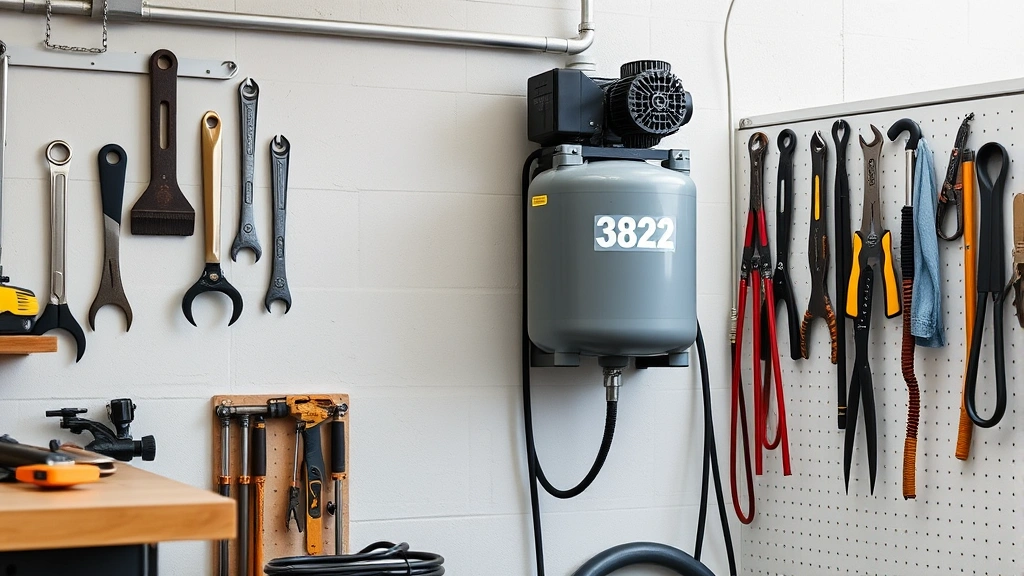
Gas Power Air Compressor: Eco-Friendly Choice?
When evaluating equipment for your workshop, construction site, or industrial operation, the choice between a gas power air compressor and electric alternatives presents a genuine sustainability dilemma. While gas-powered models offer portability and power in remote locations, their environmental impact deserves careful examination. This comprehensive guide explores whether gas power air compressors truly qualify as eco-friendly, examining emissions, efficiency, and practical alternatives that might better serve your environmental goals.
The debate over gas versus electric compressors reflects broader questions about energy consumption and carbon footprints in modern industry. Understanding the nuances helps you make an informed decision aligned with your sustainability values while meeting your operational needs.
How Gas Power Air Compressors Work
A gas power air compressor operates by using an internal combustion engine—typically powered by gasoline or propane—to drive a pump that compresses air into a storage tank. The compressed air is then released through various tools and attachments to power pneumatic equipment. These machines are particularly valued in settings where electric power is unavailable or impractical, such as remote construction sites, agricultural operations, and outdoor manufacturing environments.
The appeal of gas-powered models lies in their independence from electrical infrastructure and their ability to deliver consistent power output regardless of external power availability. They can operate continuously without requiring charging or connection to a power grid, making them invaluable for certain applications. However, this operational advantage comes with significant environmental considerations that warrant deeper investigation.
Understanding how these compressors function helps explain their environmental footprint. The internal combustion engine burns fossil fuel, producing exhaust gases that contain carbon dioxide, nitrogen oxides, and particulate matter. The efficiency of converting fuel energy into compressed air varies by model and maintenance condition, but typically ranges from 25-50%, meaning significant energy is lost as heat.
Environmental Impact Analysis
Evaluating the true environmental impact of a gas power air compressor requires examining multiple dimensions beyond simple operational emissions. The complete lifecycle assessment includes manufacturing, transportation, fuel production, operation, maintenance, and eventual disposal. Each stage contributes to the overall environmental burden of the equipment.
Manufacturing a gas-powered compressor involves extracting and processing raw materials, fabricating components, and assembling the final product. This upstream impact is significant but often overlooked in sustainability discussions. The engine components, metal tanks, and various mechanical parts require energy-intensive production processes. When compared to electric compressors, the manufacturing impact is often comparable, though gas models may involve slightly more complex engine engineering.
The fuel supply chain represents another critical environmental dimension. Gasoline and propane extraction, refining, and distribution generate their own emissions and environmental risks. Spills, leaks, and transportation accidents associated with fossil fuel handling pose additional ecological threats beyond direct combustion emissions. According to the EPA’s greenhouse gas emissions data, fuel production and distribution account for approximately 10-15% of total emissions associated with fuel consumption.
Maintenance and operational practices significantly influence the environmental impact of gas-powered equipment. Poorly maintained compressors operate less efficiently, consuming more fuel while producing greater emissions. Oil changes, spark plug replacements, and air filter maintenance all affect both environmental performance and longevity. The disposal of used oil and filters requires proper handling to prevent soil and water contamination.
Emissions and Carbon Footprint
Direct emissions from gas power air compressor operation represent the most visible environmental concern. A typical gasoline-powered compressor emits approximately 2-5 kilograms of carbon dioxide per hour of operation, depending on engine size, load, and efficiency. Over a year of regular use, this translates to substantial cumulative emissions that contribute directly to climate change.
Beyond carbon dioxide, gas compressors emit nitrogen oxides (NOx) and volatile organic compounds (VOCs), which contribute to ground-level ozone formation and air quality degradation. These pollutants pose direct health risks to workers and nearby communities, particularly in poorly ventilated indoor spaces. The EPA’s air quality standards specifically regulate emissions from small engines like those in portable compressors.
The carbon footprint comparison between gas and electric compressors depends heavily on the electricity grid’s energy sources. In regions powered primarily by renewable energy, electric compressors offer dramatically lower emissions. Conversely, in areas relying heavily on fossil fuel-based electricity generation, the advantage diminishes. On average across the United States, an electric compressor produces approximately 40-60% fewer emissions than an equivalent gas model over its operational lifetime.
Propane-powered compressors offer a marginally cleaner alternative to gasoline models, producing approximately 15-20% fewer emissions per unit of energy. However, they still represent a significant carbon source compared to electric alternatives powered by renewable electricity. Propane’s lower carbon intensity doesn’t fundamentally change the sustainability equation when renewable electric options are available.
Fuel Efficiency Comparison
Efficiency represents a crucial metric for evaluating the true environmental impact of any power source. A gas power air compressor typically converts only 25-40% of fuel energy into useful compressed air, with the remainder lost as heat through exhaust and cooling systems. This relatively low efficiency means substantial fuel waste and associated emissions for every unit of compressed air produced.
Electric compressors, by contrast, achieve efficiency rates of 60-80%, converting a significantly larger proportion of input energy into useful work. This efficiency advantage translates directly into lower operating costs and reduced environmental impact per unit of compressed air delivered. The difference becomes especially pronounced during extended operations where cumulative fuel consumption and emissions diverge substantially.
Fuel consumption rates vary based on compressor size and duty cycle, but a typical 7-10 horsepower gas compressor consumes 1-2 gallons of gasoline per hour under load. Over a year of regular operation—say 500 hours annually—this represents 500-1,000 gallons of fuel consumed, generating approximately 5-10 metric tons of carbon dioxide annually. For comparison, an equivalent electric compressor powered by the U.S. average electricity grid would generate roughly 3-6 metric tons of CO2 annually.
Newer gas compressor models incorporate efficiency improvements like automatic shut-off valves, variable displacement pumps, and improved engine designs. These enhancements can reduce fuel consumption by 10-25% compared to older models. However, even optimized gas compressors cannot match the efficiency potential of electric alternatives, particularly when powered by renewable electricity.
The practical implications of efficiency differences extend beyond environmental concerns. Lower fuel consumption reduces operating costs, which can offset higher initial purchase prices for electric models over 3-5 years of operation. This economic advantage, combined with environmental benefits, strengthens the case for electric alternatives in most applications.
Noise Pollution Considerations
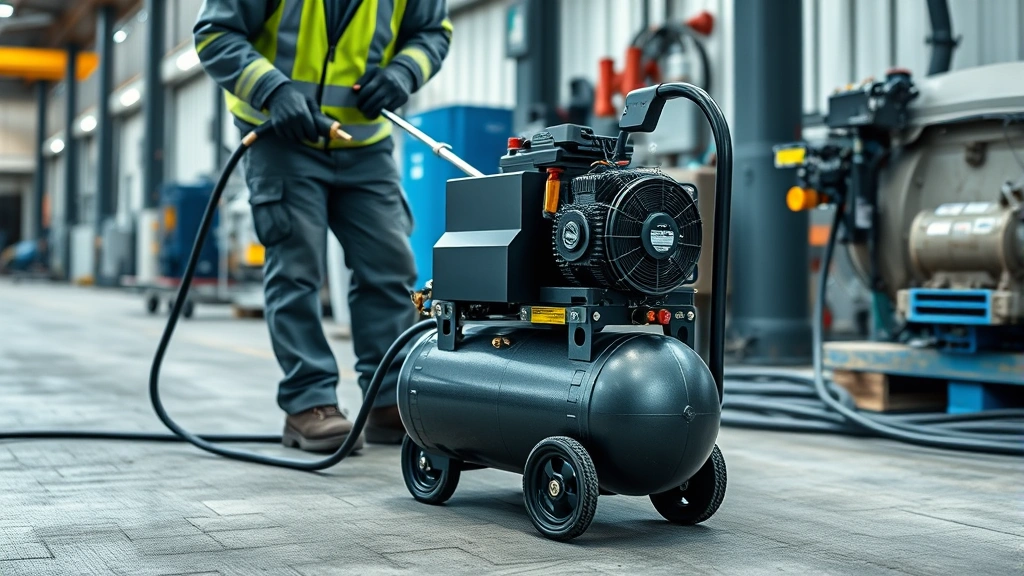
Environmental impact encompasses more than greenhouse gas emissions and air quality. Noise pollution from gas power air compressor operation affects worker health, community well-being, and wildlife behavior. A typical gas compressor operates at 85-95 decibels, within the range requiring hearing protection for extended exposure and potentially violating local noise ordinances.
Chronic noise exposure causes documented health effects including hearing loss, sleep disruption, cardiovascular stress, and cognitive impairment. Workers in construction and industrial settings experience cumulative noise exposure from multiple sources, with gas compressors often being primary contributors. Electric compressors generally operate at 70-80 decibels, substantially reducing these health and environmental burdens.
In outdoor and remote settings, noise pollution from gas equipment disturbs wildlife, potentially disrupting breeding patterns, migration routes, and natural communication behaviors. This ecological impact, though difficult to quantify monetarily, represents a genuine environmental cost of fossil fuel-powered equipment that deserves consideration alongside carbon emissions.
Electric Alternatives
Modern electric compressors represent the most straightforward path toward sustainable energy solutions for compressed air applications. These models eliminate direct emissions, reduce noise pollution, and operate at superior efficiency compared to gas-powered alternatives. Available options range from small portable units powered by standard household outlets to large industrial systems requiring dedicated electrical circuits.
Portable electric compressors suitable for job sites and remote locations have improved dramatically in recent years. Battery-powered models using lithium-ion technology can now deliver performance comparable to small gas units, though with shorter operational windows. For applications requiring 4-8 hours of continuous operation, these battery systems provide genuine alternatives to gas power without environmental compromise.
Corded electric compressors offer unlimited runtime when connected to appropriate power sources, making them ideal for workshops, manufacturing facilities, and stationary applications. The need for electrical infrastructure limits portability but enables superior efficiency and environmental performance. In settings where power access exists, electric compressors represent the clear sustainability choice.
Our detailed analysis of sustainable energy solutions explores how renewable electricity sources can power industrial equipment while maintaining full operational capability. When electric compressors draw power from solar, wind, or hydroelectric sources, environmental impact becomes negligible—a dramatic advantage over fossil fuel alternatives.
Hybrid and Sustainable Options
Emerging technologies offer middle-ground solutions combining advantages of gas and electric systems. Hybrid compressors use electric motors during standard operations, switching to gas engines only when remote operation or maximum power output becomes necessary. This approach minimizes fossil fuel consumption while maintaining flexibility for challenging applications.
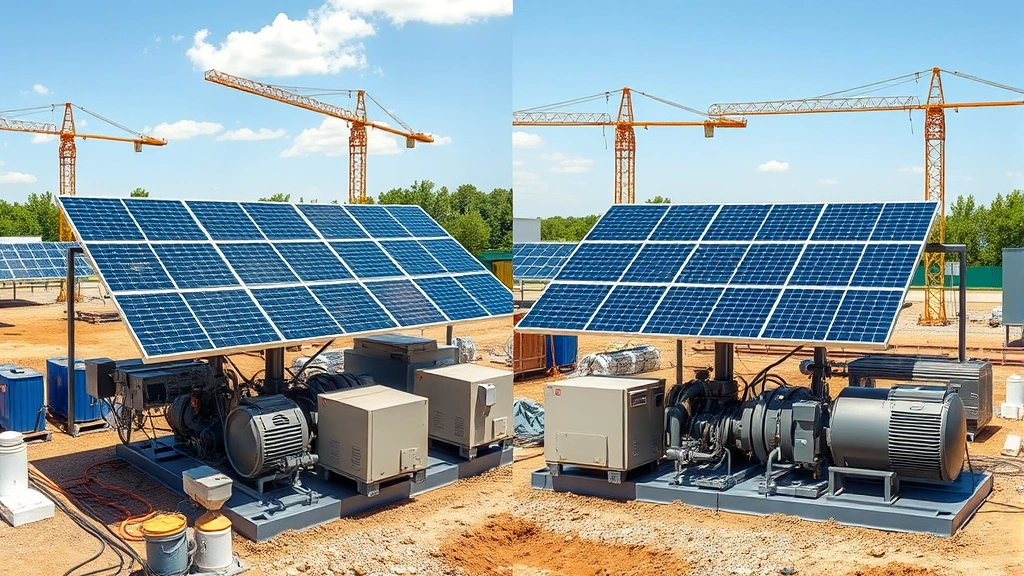
Solar-powered air compressors represent another innovative option, particularly valuable for outdoor construction sites and agricultural operations. Integrated solar panels charge battery banks that power electric compressors, eliminating fuel consumption and operating costs. While weather-dependent and requiring larger initial investment, solar systems offer compelling long-term sustainability benefits for appropriate applications.
Compressed air storage systems paired with renewable electricity sources enable sustainable operations even in demanding industrial settings. By charging compressed air tanks during periods of peak renewable generation, operations can access stored energy during high-demand periods without requiring continuous electrical input or fossil fuel backup.
For those committed to minimizing environmental footprint, exploring how to reduce your environmental footprint in equipment selection reveals that gas compressors rarely represent the optimal choice. The combination of superior efficiency, eliminated emissions, and reduced noise pollution makes electric alternatives the clear winner for sustainability-conscious operations.
Understanding the advantages of natural gas in other applications helps contextualize why compressed air systems differ. While natural gas offers efficiency benefits in heating and power generation, the compressed air application space has genuinely superior alternatives that gas cannot match environmentally or economically.
FAQ
Is a gas power air compressor truly eco-friendly?
No, gas power air compressors are not genuinely eco-friendly. They produce direct emissions of carbon dioxide and air pollutants while operating at lower efficiency than electric alternatives. While they offer portability advantages for remote locations, their environmental impact is substantially higher than electric or renewable-powered options. If electric power access exists, electric compressors should be the default choice.
How much does a gas compressor pollute compared to electric?
Gas compressors typically produce 40-60% more emissions than equivalent electric compressors powered by average U.S. electricity grids. The difference increases dramatically when electricity comes from renewable sources. A typical gas compressor generates 5-10 metric tons of CO2 annually with regular use, compared to 3-6 metric tons for electric alternatives.
Can battery-powered electric compressors replace gas models?
Battery-powered electric compressors work well for applications requiring 4-8 hours of operation and moderate air demand. For longer operations or higher power requirements, corded electric compressors connected to grid power provide superior performance. Battery technology continues improving, expanding the range of applications where electric alternatives are practical.
What’s the noise difference between gas and electric compressors?
Gas compressors typically operate at 85-95 decibels, requiring hearing protection for extended exposure. Electric compressors generally operate at 70-80 decibels, substantially reducing noise pollution and associated health impacts. This difference becomes increasingly important in shared workspaces or residential areas.
Are there sustainable uses for gas compressors?
Gas compressors remain necessary for truly remote locations where electricity access is impossible and portable power is essential. For these limited applications, choosing well-maintained, efficient models and considering propane alternatives over gasoline can minimize environmental impact. However, for most commercial and industrial applications, electric alternatives provide superior sustainability performance.
What maintenance reduces gas compressor emissions?
Regular maintenance including oil changes, spark plug replacement, air filter cleaning, and fuel system servicing improves efficiency and reduces emissions. Keeping engines properly tuned can reduce fuel consumption by 10-15%. However, even optimally maintained gas compressors cannot match the environmental performance of electric alternatives.


