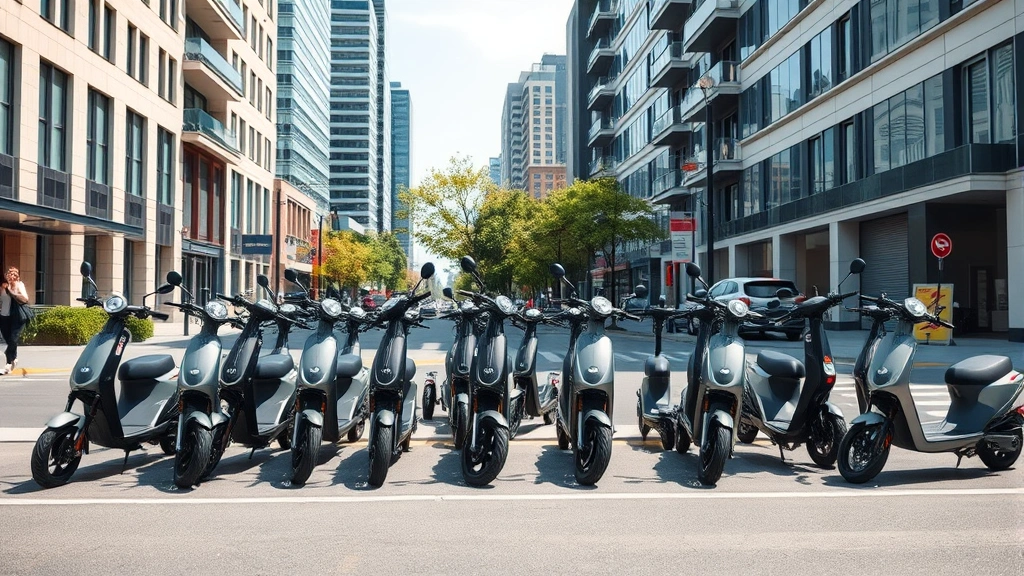
Eco-Friendly or Not? The Gas Powered Scooter Debate
The rise of urban mobility solutions has sparked an important conversation about which transportation methods truly align with environmental sustainability. Gas powered scooters have become increasingly popular in cities worldwide, marketed as convenient and affordable alternatives to cars. However, environmental advocates question whether these vehicles genuinely contribute to a greener future or simply perpetuate our dependence on fossil fuels. This comprehensive analysis examines both sides of the debate, exploring the environmental impact, efficiency metrics, and how gas scooters compare to emerging alternatives in the mobility landscape.
As cities grapple with air quality concerns and climate commitments, the choice between gas powered scooters and other transportation options carries significant weight. Understanding the true environmental footprint of these vehicles requires examining their emissions, manufacturing processes, operational efficiency, and lifecycle impact. Whether you’re a commuter considering your transportation choices or an environmental advocate seeking evidence-based arguments, this guide provides the detailed analysis needed to form an informed perspective on this contentious issue.
Understanding Gas Powered Scooters
Gas powered scooters, typically equipped with small two-stroke or four-stroke engines ranging from 50cc to 150cc, represent a middle ground in the personal mobility spectrum. These vehicles fall between bicycles and motorcycles in terms of power, speed, and environmental profile. Most gas scooters achieve speeds between 30-60 mph and consume approximately 100-150 miles per gallon of fuel, making them appear economically efficient on the surface.
The mechanics of a gas powered scooter involve an internal combustion engine that burns fossil fuels to create mechanical energy. Two-stroke engines, common in smaller scooters, complete a power cycle in two piston strokes and are known for higher emissions due to less efficient combustion. Four-stroke engines, found in larger models, require four strokes per cycle but produce significantly lower emissions and are increasingly becoming the standard for modern sustainable energy solutions in personal transportation.
The appeal of gas scooters lies in their affordability, ease of use, and established refueling infrastructure. Unlike electric vehicles requiring charging networks, gas scooters can refuel at any conventional gas station. This accessibility has made them particularly popular in developing nations and urban areas where electric charging infrastructure remains limited. However, this convenience comes with significant environmental trade-offs that deserve careful examination.
Environmental Impact Analysis
The environmental impact of gas powered scooters extends far beyond tailpipe emissions. A comprehensive assessment must consider the entire lifecycle: raw material extraction, manufacturing, transportation, operational use, and end-of-life disposal. Each stage contributes to the overall environmental burden of these vehicles.
Manufacturing a gas powered scooter requires mining and processing metals, plastics, and rubber components. The extraction of petroleum for fuel and lubricants adds additional environmental pressure through drilling, refining, and transportation processes. When compared to electric scooters, gas models require more intensive resource extraction due to their internal combustion engines and fuel systems. Studies indicate that the manufacturing phase accounts for approximately 15-20% of a gas scooter’s total lifecycle environmental impact.
Operational emissions represent the most significant environmental concern. During its operational lifetime, a typical gas powered scooter produces carbon dioxide, nitrogen oxides, particulate matter, and volatile organic compounds. A single gas scooter might generate 200-400 kilograms of CO2 equivalent annually, depending on usage patterns and engine efficiency. When multiplied across millions of scooters in urban areas, this creates measurable contributions to urban air pollution and greenhouse gas concentrations.
The fuel supply chain itself carries environmental consequences. Oil extraction, refining, and distribution involve energy-intensive processes that generate additional emissions before fuel ever reaches the scooter’s tank. Refineries consume significant quantities of water and electricity, and transportation of refined fuel across global supply chains adds further carbon footprints. Understanding these upstream impacts is essential for evaluating whether gas powered scooters truly qualify as environmentally responsible transportation.
Emissions and Air Quality Concerns
Air quality degradation represents one of the most immediate and measurable environmental impacts of gas powered scooters. In densely populated urban areas, concentrations of gas scooters can significantly contribute to poor air quality, particularly in cities with warm climates where ozone formation accelerates.
Nitrogen oxides (NOx) emitted by gas scooters react with sunlight to form ground-level ozone, a harmful air pollutant linked to respiratory diseases, cardiovascular problems, and premature mortality. The EPA identifies ozone as a major air quality concern, particularly in urban and suburban areas. Gas scooters contribute to NOx concentrations through their combustion processes, with two-stroke engines producing particularly high emissions of this pollutant.
Particulate matter emissions, especially from older or poorly maintained gas scooters, pose direct health risks to urban residents. Fine particles (PM2.5) penetrate deep into lung tissue and can enter the bloodstream, causing systemic inflammation and contributing to cardiovascular disease. Cities with high concentrations of gas scooters report elevated PM2.5 levels, particularly during peak commuting hours.
Volatile organic compounds (VOCs) released during fuel combustion contribute to photochemical smog formation and have direct toxic effects on human health. These compounds include benzene, formaldehyde, and other carcinogenic substances that accumulate in urban air. The health burden of these emissions falls disproportionately on low-income communities and communities of color living near major transportation corridors.
Carbon dioxide emissions, while invisible and lacking immediate health effects, contribute to long-term climate change impacts. Each gas powered scooter emits approximately 0.1-0.2 kg of CO2 per kilometer traveled. Over a year of regular use, this translates to several hundred kilograms of greenhouse gas emissions that accumulate in the atmosphere, contributing to global warming and its cascading environmental consequences.

Comparing to Electric Alternatives
The emergence of electric scooters has fundamentally shifted the personal mobility landscape, offering a compelling comparison point for evaluating gas powered scooters. Electric scooters produce zero direct tailpipe emissions, a significant advantage in urban air quality management. However, the environmental comparison becomes more nuanced when examining the electricity grid’s composition and manufacturing impacts.
In regions powered primarily by renewable energy sources, electric scooters offer substantial environmental advantages over gas models. Even in areas with mixed or fossil fuel-heavy grids, electric scooters typically produce 50-70% fewer lifecycle emissions than comparable gas scooters because electric motors operate at much higher efficiency rates than internal combustion engines. The advantages of electric vehicles extend to reduced noise pollution, lower maintenance requirements, and decreased urban heat generation.
Manufacturing electric scooters does involve environmental costs, particularly in battery production. Lithium extraction for batteries requires significant water resources and generates mining waste. However, battery technology continues improving, with recycling programs recovering 90%+ of battery materials. Over a scooter’s operational lifetime, these manufacturing impacts are typically offset within the first 6-12 months of use through emissions reductions compared to gas alternatives.
The electricity grid’s composition determines the ultimate environmental benefit of electric scooters. In areas with high renewable energy penetration, electric scooters deliver near-zero-emission transportation. Even in regions relying on natural gas power plants, electric scooters produce substantially lower emissions than gas models. As electrical grids globally shift toward renewable sources, the environmental advantage of electric scooters will only increase.
Cost considerations favor electric scooters for long-term sustainability. Electricity costs approximately one-tenth the price of gasoline per unit of energy, making electric scooters dramatically cheaper to operate. Maintenance costs are significantly lower due to the absence of oil changes, spark plug replacements, and transmission servicing. These economic advantages, combined with environmental benefits, position electric scooters as the superior choice for environmentally conscious commuters.
Manufacturing and Lifecycle Considerations
A complete environmental assessment of gas powered scooters must account for their entire lifecycle, from raw material extraction through end-of-life recycling or disposal. This cradle-to-grave analysis reveals environmental impacts often overlooked in discussions focused solely on operational emissions.
The extraction of petroleum for fuel represents a massive ongoing environmental cost. Oil drilling disrupts ecosystems, creates pollution risks through spills and leakage, and requires enormous energy inputs. Refineries consume water at rates of 1-2.5 gallons per gallon of fuel produced, stressing local water resources. Transportation of refined fuel across continents via ships, trains, and trucks generates additional emissions. These upstream costs are invisible to individual scooter users but represent real environmental burdens.
Manufacturing processes for gas scooter components involve resource-intensive operations. Metal casting for engine blocks, stamping for frames, and plastic injection molding for body panels all consume energy and generate waste. Supply chains spanning multiple continents add transportation emissions to manufacturing impacts. A typical gas scooter’s manufacturing phase generates 50-100 kg of CO2 equivalent, equivalent to 250-500 kilometers of operational driving emissions.
The operational phase dominates the lifecycle environmental profile, typically accounting for 70-80% of total impacts. A gas scooter used for 50,000 kilometers over its lifespan produces approximately 3-5 tons of CO2 equivalent from fuel combustion alone, dwarfing manufacturing impacts. This extended operational burden highlights why reducing gas scooter usage is more impactful than optimizing manufacturing processes.
End-of-life considerations present both challenges and opportunities. Gas scooters contain recyclable metals, plastics, and rubber, but also hazardous materials including used oil, fuel residues, and battery components. Proper recycling can recover 70-85% of materials by weight, reducing landfill impacts. However, many gas scooters in developing nations lack access to proper recycling infrastructure, resulting in environmental contamination and resource waste. Establishing robust circular economy systems for gas scooters remains an important but underdeveloped priority.

Regulatory Landscape
Governments worldwide are increasingly regulating gas powered scooters in response to air quality concerns and climate commitments. Understanding these regulatory trends provides insight into the future viability of gas scooter transportation and the industry’s environmental trajectory.
The European Union has implemented stringent emissions standards for mopeds and scooters through successive Euro regulations. Euro 5 standards, applicable since 2020, require substantial reductions in NOx and particulate matter emissions. These standards have driven manufacturers toward four-stroke engines and advanced emission control technologies, reducing per-vehicle impacts but not eliminating them. Further tightening through Euro 6 standards continues pushing the industry toward cleaner technologies.
China, despite being the world’s largest scooter market, has implemented increasingly strict emissions standards and is actively promoting electric scooter adoption through subsidies and regulatory restrictions on gas models in major cities. Beijing, Shanghai, and other major metropolitan areas have banned or severely restricted gas scooter registration, effectively redirecting the market toward electric alternatives.
In the United States, the EPA regulates small engine emissions through standards that have progressively tightened over decades. However, enforcement remains challenging, particularly for imported scooters. Many states have adopted California’s stricter emissions standards, creating pressure for nationwide improvements in gas scooter environmental performance.
Cities worldwide are implementing local regulations restricting gas scooters in favor of electric alternatives. Paris, Barcelona, and numerous other European cities have banned or phased out gas scooters in city centers. These regulatory trends reflect growing recognition that gas powered scooters conflict with climate and air quality objectives. The trajectory clearly points toward elimination of gas scooters as viable urban transportation solutions.
Cost-Benefit Analysis
A comprehensive evaluation of gas powered scooters must weigh environmental costs against economic and practical benefits. This analysis helps clarify whether the convenience and affordability of gas scooters justify their environmental impacts.
Economic advantages of gas scooters include lower upfront purchase prices (typically $500-1,500 compared to $800-2,000+ for electric models) and established refueling infrastructure. Operating costs for fuel remain lower than electricity in many regions, though this gap narrows as electricity prices remain stable while fuel costs fluctuate. However, these short-term economic advantages must be weighed against long-term environmental costs and increasingly unfavorable regulatory environments.
When calculating true costs, environmental and health impacts deserve quantification. Air pollution from gas scooters generates healthcare costs, productivity losses, and environmental remediation expenses. The World Health Organization estimates air pollution costs societies 5-10% of GDP through health impacts and environmental degradation. Assigning these costs to gas scooter users reveals that their true economic cost substantially exceeds direct fuel and maintenance expenses.
Practical advantages of gas scooters include longer range compared to early-generation electric scooters and simpler refueling compared to home charging infrastructure. However, modern electric scooters increasingly match or exceed gas models in range, while public charging networks expand rapidly in developed nations. These practical advantages are rapidly eroding, particularly in urban areas where most scooter use occurs.
The cost-benefit analysis increasingly favors electric scooters for sustainability-conscious users. Lower operating costs, superior environmental performance, and alignment with regulatory trends make electric alternatives the more rational choice despite potentially higher upfront prices. For users prioritizing environmental impact and long-term cost savings, gas powered scooters represent poor investments that externalize substantial environmental and health costs onto society.
Transitioning from gas to electric scooters represents a straightforward sustainability upgrade. Users can recoup higher purchase prices through fuel and maintenance savings within 1-2 years while simultaneously reducing their environmental footprint by 60-80%. This combination of economic and environmental benefits makes the switch compelling from both financial and ethical perspectives.
FAQ
Are gas powered scooters considered vehicles?
Yes, gas powered scooters are classified as vehicles in most jurisdictions, though specific classifications vary. Most fall under moped or motorized scooter categories, requiring registration, insurance, and operator licensing in many regions. Classification affects regulatory requirements and determines which roads and infrastructure they may access. Understanding your local vehicle classification laws is essential for legal operation.
How do gas scooters compare to motorcycles environmentally?
Gas scooters generally produce lower emissions per kilometer than motorcycles due to smaller engines and lower power output. However, motorcycles often achieve better fuel efficiency on highways. For urban commuting, scooters typically represent a lower-impact option than motorcycles, though both pale in comparison to electric alternatives or public transit. The environmental comparison depends heavily on specific models and usage patterns.
Can gas scooters be converted to electric?
While some enthusiasts have converted gas scooters to electric operation, this remains technically complex and economically impractical for most users. The conversion requires replacing the engine, fuel system, and adding battery packs, often exceeding the cost of purchasing a new electric scooter. Rather than conversion, purchasing an electric scooter new represents the most practical path toward sustainable mobility.
What is the lifespan of a typical gas powered scooter?
Well-maintained gas scooters typically operate for 5-10 years or 50,000-100,000 kilometers before requiring major repairs or replacement. Lifespan varies significantly based on maintenance quality, engine type, and usage intensity. Two-stroke engines generally have shorter lifespans than four-stroke models. Regular maintenance extending to natural gas efficiency principles like proper fuel quality and regular servicing can maximize operational longevity.
How does scooter use reduce environmental footprint?
Scooters, particularly electric models, significantly reduce individual environmental footprints by replacing car trips. A single scooter trip avoiding a car journey prevents 200-300 grams of CO2 emissions and eliminates air pollutants. Over a year, a commuter switching from cars to electric scooters prevents 2-3 tons of emissions while reducing congestion and parking pressure. For maximizing environmental benefits, electric scooters offer superior performance to gas alternatives.
Are there regions where gas scooters remain environmentally preferable?
In areas with underdeveloped electric charging infrastructure and renewable energy access limitations, gas scooters may represent practical compromises. However, even in these regions, environmental advantages of electric scooters are significant when grid electricity sources are considered. Rather than accepting gas scooters as long-term solutions, investments in electric infrastructure represent superior strategies for sustainable mobility development.
What maintenance impacts the environmental performance of gas scooters?
Proper maintenance directly affects emissions output. Regular spark plug replacement, air filter cleaning, and fuel quality ensure optimal combustion efficiency, reducing emissions by 10-20% compared to poorly maintained models. Oil changes prevent engine sludge that increases emissions. However, even perfectly maintained gas scooters cannot match the environmental performance of electric alternatives, making maintenance optimization a temporary measure rather than a solution.
How can I reduce my scooter’s environmental impact?
If currently using a gas scooter, the highest-impact action is transitioning to an electric model. Short-term improvements include maintaining proper tire pressure, using high-quality fuel, performing regular maintenance, and combining scooter trips to maximize efficiency. For more comprehensive environmental reduction, consulting resources on how to reduce your environmental footprint provides additional strategies beyond vehicle choice.


