
Gas Prices Falling? Shell’s Latest Report and What It Means for Your Wallet and the Planet
Shell’s most recent market analysis reveals shifting trends in global gas pricing, but the picture is far more complex than headlines suggest. While consumers may celebrate temporary price dips at the pump, the underlying factors—geopolitical tensions, supply chain dynamics, and energy market volatility—tell a story that extends far beyond quarterly earnings reports. Understanding these fluctuations is crucial not only for your household budget but also for recognizing why transitioning to sustainable energy solutions has never been more important.
The energy landscape is undergoing unprecedented transformation. As traditional fossil fuel markets experience price volatility, savvy consumers and businesses are exploring alternatives that offer both economic and environmental benefits. Shell’s latest findings provide valuable insights into current market conditions, but they also underscore the urgency of diversifying our energy portfolio away from petroleum dependency.
Understanding Shell’s Latest Gas Price Report
Shell’s comprehensive energy market reports serve as barometers for global petroleum trends. Their latest analysis documents price movements across major markets, highlighting the complex interplay between crude oil supply, refinery capacity, and consumer demand. When examining gas price in Shell reports, it’s essential to distinguish between temporary fluctuations and structural market shifts.
The current report indicates that while some regional markets have experienced price decreases, these reductions are largely attributable to seasonal demand patterns and temporary supply adjustments rather than fundamental changes in the fossil fuel industry’s trajectory. Shell’s data shows that crude oil prices remain sensitive to geopolitical events, OPEC production decisions, and global economic outlooks—factors that create inherent instability in petroleum markets.
What Shell’s reports often underscore, though not always explicitly, is that the era of cheap, abundant fossil fuels is drawing to a close. Even as prices dip temporarily, long-term trends point toward greater volatility and higher average costs. This reality makes exploring advantages of electric vehicles and renewable energy options increasingly rational from both economic and environmental perspectives.

Global Factors Influencing Current Gas Prices
Multiple interconnected factors determine the gas prices you see at Shell stations worldwide:
- Crude Oil Supply Dynamics: OPEC production decisions, geopolitical tensions in oil-producing regions, and investment in new extraction projects directly impact global supply levels.
- Refinery Operations: Maintenance schedules, technological capacity, and regional refinery availability affect how crude oil converts into usable gasoline.
- Transportation and Distribution: Shipping costs, pipeline infrastructure, and logistics networks add significant margins to final retail prices.
- Regulatory Environment: Environmental regulations, fuel blending requirements, and tax structures vary by region and influence pricing.
- Currency Exchange Rates: Since crude oil trades in US dollars, currency fluctuations affect prices in different nations.
- Seasonal Demand Patterns: Summer driving seasons typically increase demand, while winter months often see reduced consumption in certain regions.
- Speculative Trading: Financial markets and futures trading can amplify price movements beyond fundamental supply-demand considerations.
According to the U.S. Energy Information Administration, understanding these layers of complexity helps consumers recognize that gas price fluctuations are rarely simple or predictable. This unpredictability is precisely why diversifying away from petroleum dependency through sustainable energy solutions represents sound long-term planning.
Why Price Fluctuations Matter Beyond Your Gas Tank
While everyone notices when gas prices rise or fall, the broader implications extend far beyond the pump. Price volatility in fossil fuel markets creates economic uncertainty that ripples through entire economies. Transportation costs affect everything from food prices to manufacturing expenses, meaning that gasoline price swings influence inflation rates and consumer purchasing power across all sectors.
For businesses relying on transportation, unpredictable fuel costs complicate budgeting and strategic planning. Companies operating delivery fleets, logistics networks, or transportation services face margin compression when fuel prices spike unexpectedly. Conversely, temporary price dips can create false confidence in continued cheap energy, potentially delaying necessary investments in efficiency and alternative technologies.
From a sustainability perspective, price fluctuations often mask the true environmental cost of petroleum extraction, refining, and combustion. When prices fall, consumers may feel less motivated to consider alternatives, even though the environmental damage from fossil fuel consumption remains constant regardless of market prices. This psychological disconnect between price and actual costs represents one of the most significant barriers to energy transition.
The EPA’s climate research demonstrates that carbon emissions from petroleum combustion contribute significantly to atmospheric CO2 accumulation, with measurable impacts on global temperature and weather patterns. These costs—measured in ecosystem damage, health impacts, and climate adaptation expenses—are never reflected in gas pump prices.
The True Cost of Gasoline: Hidden Environmental Expenses
Shell’s price reports focus exclusively on market economics, but a complete cost analysis must include environmental externalities. The true cost of gasoline encompasses multiple hidden expenses that consumers and society bear collectively:
- Climate Change Costs: Carbon emissions from petroleum combustion accelerate atmospheric warming, leading to increased severe weather events, agricultural disruption, and infrastructure damage. These costs, estimated in the trillions annually, are distributed across society rather than reflected in fuel prices.
- Air Quality and Health Impacts: Combustion of petroleum products releases particulate matter, nitrogen oxides, and volatile organic compounds that degrade air quality. These pollutants cause respiratory diseases, cardiovascular problems, and premature mortality, with healthcare costs borne by public health systems.
- Water Contamination: Oil extraction, refining, and transportation create risks of water contamination through spills and leaks. Remediation costs and long-term ecological damage represent substantial but often invisible expenses.
- Ecosystem Disruption: Petroleum extraction activities fragment habitats, disrupt wildlife migration patterns, and damage sensitive ecosystems. Biodiversity loss carries economic costs through reduced pollination services, water filtration, and other ecosystem functions.
- Military and Geopolitical Costs: Protecting global oil supply routes and managing petroleum-related international conflicts generate substantial defense expenditures that subsidize cheap energy prices.
- Infrastructure Damage: Emissions contribute to acid rain and ground-level ozone formation, which accelerate deterioration of buildings, bridges, and public infrastructure.
When these hidden costs are factored into analysis, the apparent savings from lower gas prices evaporate. A gallon of gasoline priced at $3.00 at Shell pumps might represent $5.00-$7.00 in true economic cost when environmental and health externalities are included. This fundamental pricing distortion explains why how to save energy at home and transition to cleaner alternatives represent genuinely economical choices.
Transitioning Away from Fossil Fuel Dependency
Shell’s reports, while valuable for understanding current market conditions, implicitly document the decline of an industry facing structural headwinds. Renewable energy technologies are rapidly becoming cost-competitive with fossil fuels, and investment capital is increasingly flowing toward clean energy rather than petroleum infrastructure.
The transition away from fossil fuel dependency involves multiple complementary strategies rather than a single solution:
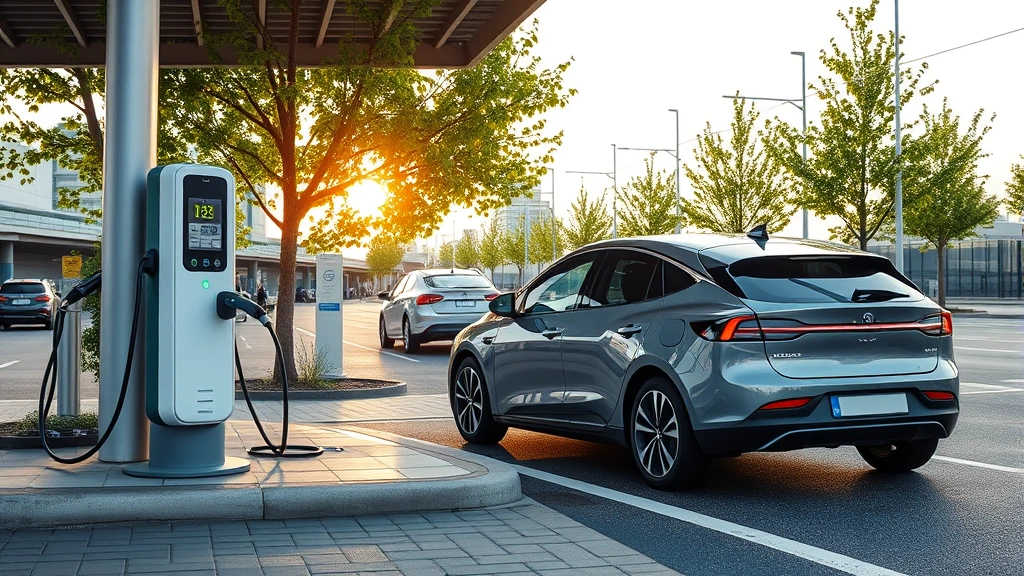
Vehicle Electrification: Electric vehicles eliminate tailpipe emissions and reduce reliance on petroleum products. The advantages of electric vehicles now extend beyond environmental benefits to include lower operating costs, reduced maintenance requirements, and superior performance characteristics. As charging infrastructure expands and battery technology advances, electric vehicle adoption accelerates across consumer and commercial segments.
Renewable Energy Expansion: Solar, wind, geothermal, and hydroelectric power generation continue expanding at unprecedented rates. These technologies now represent the cheapest source of new electricity generation in most markets, fundamentally altering energy economics.
Energy Efficiency Improvements: Reducing overall energy consumption through building insulation, efficient appliances, and behavioral changes decreases fossil fuel demand regardless of price levels. Implementing practical energy-saving strategies reduces utility bills while lowering carbon footprints.
Public Transportation and Active Mobility: Investing in buses, trains, bicycles, and pedestrian infrastructure reduces per-capita energy consumption for mobility while improving public health and livability.
The International Energy Agency projects that renewable energy sources will constitute the majority of global electricity generation within two decades. This structural shift means that petroleum demand will gradually decline regardless of price fluctuations, making the transition inevitable rather than optional.
Smart Alternatives for Conscious Consumers
For individuals seeking to reduce petroleum dependence regardless of current gas prices at Shell or other stations, multiple practical alternatives exist:
Electric and Hybrid Vehicles: Modern electric vehicles offer practical range, reasonable charging times, and lower lifetime costs than gasoline vehicles. Hybrid options provide transition solutions for those unable to switch immediately to full electrification. Government incentives in many regions further improve the economic case for vehicle electrification.
Public Transportation Usage: Utilizing buses, trains, and light rail reduces per-capita fuel consumption and often costs less than vehicle ownership when all expenses are considered. Many cities are expanding public transit networks and improving service frequency.
Active Transportation: Walking and cycling for short trips eliminates fuel consumption entirely while providing health benefits. E-bikes extend the practical range for bicycle commuting, making this option viable for longer distances.
Carpooling and Ride-Sharing: Sharing vehicle capacity with others reduces per-person fuel consumption and transportation costs. Ride-sharing services and formal carpooling arrangements distribute travel expenses across multiple users.
Remote Work and Flexible Scheduling: Reducing commute frequency through remote work arrangements or flexible schedules significantly decreases fuel consumption and associated expenses. This option became increasingly viable following pandemic-driven workplace transformations.
Home Energy Optimization: Green technology innovations enable homeowners to generate renewable electricity through solar panels, heat water efficiently, and reduce heating and cooling requirements through improved insulation. These investments reduce reliance on fossil fuel-based electricity while lowering utility bills.
Long-Term Economic Benefits of Energy Independence
While Shell’s latest gas price report may show temporary decreases, the long-term economic trajectory strongly favors energy independence achieved through renewable technologies and efficiency improvements. Consider these financial realities:
Declining Renewable Costs: Solar and wind electricity costs have declined by 90% and 70% respectively over the past decade. This cost trajectory continues, making renewable energy increasingly economical relative to fossil fuels. Battery storage technology improvements further enhance the viability of renewable-based systems.
Volatile Fossil Fuel Pricing: Historical analysis demonstrates that petroleum prices fluctuate wildly based on geopolitical events, supply disruptions, and speculative trading. Consumers investing in renewable energy and efficiency lock in predictable long-term costs, eliminating exposure to future price volatility.
Job Creation in Clean Energy: Renewable energy and energy efficiency sectors now employ more workers than fossil fuel industries in many developed nations. Career opportunities in these growing sectors offer stability and advancement potential.
Reduced Healthcare Costs: Air pollution from fossil fuel combustion generates enormous healthcare costs through respiratory diseases, cardiovascular conditions, and cancer. Communities transitioning to cleaner energy experience measurable health improvements and reduced medical expenses.
Avoided Climate Costs: Every ton of carbon dioxide not emitted today represents avoided climate adaptation expenses in the future. Investing in clean energy today prevents far more expensive climate damage mitigation expenditures tomorrow.
Energy Security: Nations reducing fossil fuel imports achieve greater energy independence and reduce vulnerability to supply disruptions or price manipulation by petroleum-exporting nations. Distributed renewable generation enhances grid resilience and reduces centralized infrastructure vulnerabilities.
The Natural Resources Defense Council and similar organizations have documented that renewable energy transitions generate net economic benefits through job creation, avoided environmental costs, and improved public health outcomes. These benefits accumulate over decades, making energy transition investments among the most economically sound available to individuals and societies.
FAQ
Why do gas prices at Shell fluctuate so frequently?
Gas prices reflect global crude oil market conditions, which respond to supply disruptions, geopolitical events, OPEC production decisions, currency exchange rates, and speculative trading. Refinery maintenance, seasonal demand patterns, and regional regulatory factors also contribute to price variations. These multiple interdependent factors create inherent volatility in petroleum markets.
Does Shell’s latest report indicate long-term price trends?
Shell’s reports document current market conditions rather than predict future trends. While temporary price decreases occur regularly, long-term petroleum price trends remain uncertain and vulnerable to disruption. This unpredictability reinforces the economic rationale for transitioning to renewable energy and efficiency improvements.
How can I reduce my fuel costs regardless of gas prices?
Multiple strategies reduce fuel expenses: switching to an electric or hybrid vehicle, utilizing public transportation, carpooling, reducing commute frequency through remote work, and optimizing home energy efficiency. These approaches provide cost savings while reducing environmental impact.
Are electric vehicles truly more economical than gasoline cars?
Yes, when total lifecycle costs are considered. Electric vehicles have lower fuel costs (electricity is cheaper than gasoline per mile), reduced maintenance expenses (no oil changes, fewer moving parts), and longer lifespan. Government incentives in many regions further improve the economic case for electrification.
What is the environmental cost of gasoline that Shell’s prices don’t reflect?
Gasoline prices exclude environmental externalities including climate change damages, air pollution health impacts, water contamination costs, ecosystem disruption, and infrastructure damage from emissions. Economic analyses suggest true gasoline costs are 50-100% higher than pump prices when these factors are included.
How can I transition to renewable energy at home?
Options include installing rooftop solar panels, upgrading to energy-efficient appliances and insulation, installing heat pumps for heating and cooling, and optimizing water heating. Many regions offer financial incentives and financing programs that make these upgrades affordable.
Will renewable energy replace fossil fuels entirely?
Energy transition projections from the International Energy Agency indicate that renewable energy will constitute the majority of electricity generation within two decades. Complete transition requires broader changes to transportation, heating, and industrial processes, but the trajectory is clear and accelerating.


