
Gas Prices by State: 2023 Analysis & Trends
Understanding gas prices state by state has become increasingly important for consumers navigating volatile fuel markets and making informed transportation decisions. In 2023, the United States experienced significant fluctuations in gasoline prices, with regional variations reflecting different factors including state taxes, refinery capacity, supply chain disruptions, and local demand patterns. This comprehensive analysis examines the geographic distribution of gas prices across all fifty states, explores the underlying causes of regional disparities, and discusses the broader implications for consumers and the energy landscape.
The year 2023 presented a complex picture of fuel pricing dynamics. While national average gas prices stabilized compared to the previous year’s extreme volatility, state-by-state variations remained substantial, with some states paying significantly more than others for the same commodity. These differences persist due to multiple factors including state excise taxes, environmental regulations, transportation costs, and the proximity to major refineries. Understanding these patterns helps consumers make better decisions about fuel consumption and encourages consideration of alternative energy options.
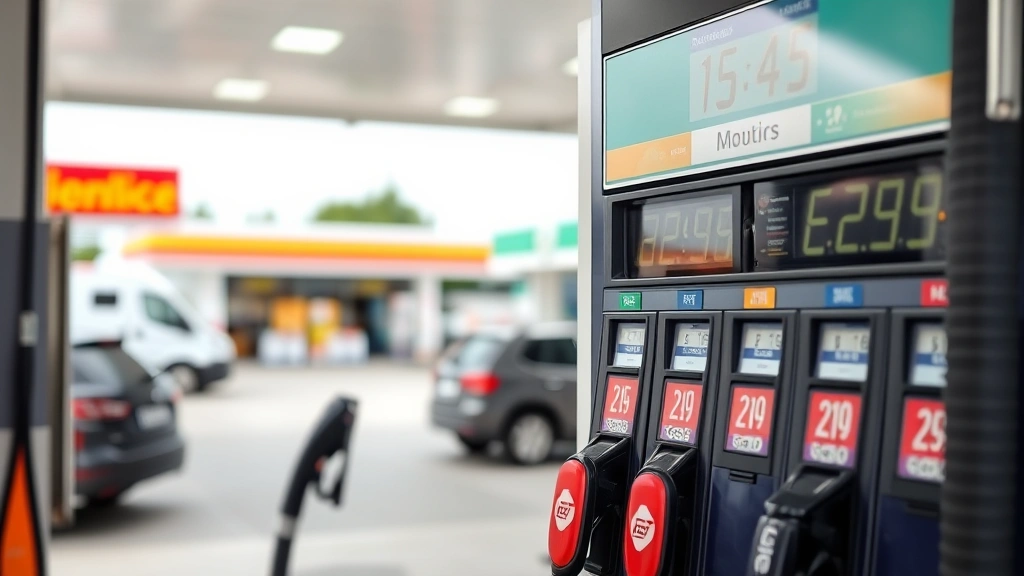
State-by-State Gas Price Overview 2023
Throughout 2023, gas prices exhibited regional clustering patterns that reveal important economic and geographic insights. The national average fluctuated between $3.00 and $3.50 per gallon across most of the year, but individual states deviated significantly from this benchmark. Western states, particularly California, Hawaii, and Washington, consistently maintained prices substantially above the national average, while states in the Midwest and South generally experienced lower prices.
California led the nation with average prices frequently exceeding $4.50 per gallon, driven by strict environmental regulations requiring special fuel blends and limited refinery capacity. Hawaii followed closely, with prices reaching $4.75 per gallon or higher due to its isolated location and complete dependence on imported fuel. Conversely, Mississippi, Louisiana, and Texas maintained some of the lowest prices nationally, benefiting from proximity to major refineries and lower state fuel taxes. Understanding your local gas prices around me helps with budgeting transportation costs effectively.
The variation between highest and lowest-priced states exceeded one dollar per gallon for extended periods during 2023. A driver in California might pay $4.75 for a gallon while a driver in Mississippi paid $2.85 for the identical commodity. These disparities significantly impact annual fuel budgets, particularly for individuals with long commutes or commercial fleets. The cumulative effect across millions of drivers creates substantial economic differences between regions.
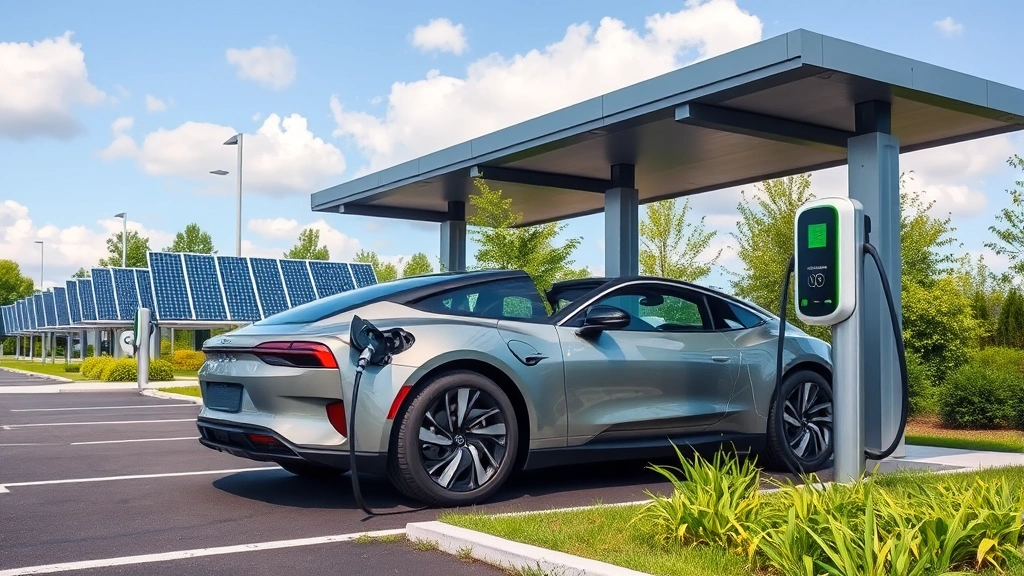
Factors Influencing Regional Price Variations
Multiple interconnected factors create the dramatic state-by-state variations in gas prices observed throughout 2023. These influences operate at different scales, from local market conditions to global commodity prices, creating a complex pricing environment that defies simple explanation. Understanding these factors provides insight into why your state’s prices may differ significantly from neighboring regions.
Crude oil costs form the foundation of all gasoline pricing, representing approximately 60-70% of the retail price at the pump. However, once crude oil arrives at refineries, state-specific factors dramatically influence the final price. Refinery capacity constraints in certain regions can create supply bottlenecks, pushing prices upward. Environmental regulations mandate specific fuel formulations in some states, requiring specialized processing that increases costs. Transportation infrastructure, including pipeline access and distribution networks, affects how efficiently fuel reaches consumers. State excise taxes create artificial price floors that vary dramatically across the nation.
Seasonal demand patterns also influence state-by-state pricing. Summer driving season increases demand, pushing prices higher during warmer months. States with significant tourism industries experience seasonal price spikes as demand surges. Winter weather conditions can disrupt supply chains and refinery operations, creating temporary price increases. Understanding these cyclical patterns helps consumers anticipate price changes and plan fuel purchases strategically.
For those concerned about fuel consumption, exploring best gas mileage truck options can help minimize fuel expenses while maintaining necessary vehicle functionality. However, this represents just one approach to managing transportation costs in an environment of varying state gas prices.
Highest and Lowest Gas Price States
A clear geographic pattern emerged in 2023 regarding which states maintained the highest and lowest gas prices. The West Coast states dominated the highest-price category, with California, Hawaii, and Washington consistently exceeding national averages by substantial margins. These states implemented stricter environmental regulations requiring special fuel blends and lower sulfur content, necessitating more expensive refining processes.
Highest-Price States (2023 Average):
- California: $4.50-$4.75 per gallon
- Hawaii: $4.65-$4.95 per gallon
- Washington: $3.75-$4.10 per gallon
- Oregon: $3.60-$3.95 per gallon
- New York: $3.40-$3.75 per gallon
Lowest-Price States (2023 Average):
- Mississippi: $2.75-$3.10 per gallon
- Louisiana: $2.80-$3.15 per gallon
- Texas: $2.85-$3.20 per gallon
- Alabama: $2.90-$3.25 per gallon
- Oklahoma: $2.95-$3.30 per gallon
The geographic clustering of high-price and low-price states reflects fundamental differences in state policies, infrastructure, and regulatory environments. Southern and Midwestern states benefit from proximity to major refining centers, particularly in the Gulf Coast region where massive refinery complexes process crude oil efficiently. These states also maintain lower fuel excise taxes, reducing the tax component of final prices. Conversely, Western states’ distance from major refineries, combined with stricter environmental mandates, creates structural cost advantages for southern refineries.
Check your SustainWise Hub Blog for ongoing updates about gas price trends and regional variations affecting your area throughout the year.
Tax Impact on Fuel Costs
State excise taxes represent a critical but often overlooked component of gas prices at the pump. These taxes vary dramatically across states, creating artificial price differences that exist independent of crude oil costs or refinery operations. In 2023, state fuel excise taxes ranged from approximately 21.5 cents per gallon to over 67 cents per gallon, creating substantial variation in final prices.
California’s fuel excise tax exceeded 68 cents per gallon in 2023, among the highest in the nation. This tax directly contributes to California’s position as the highest-priced state for gasoline. Conversely, Alaska and Wyoming maintained fuel excise taxes below 25 cents per gallon, contributing to their lower prices. These tax differences accumulate significantly over time; a driver purchasing 15,000 gallons annually in California versus Wyoming would pay approximately $6,450 more in state taxes alone.
State legislators justify these taxes through various rationales, including funding for road infrastructure, environmental programs, and public transportation. However, the regressive nature of fuel taxes means lower-income households spend a larger percentage of their income on fuel taxes than wealthy households. This creates equity concerns that influence political debates about fuel taxation across the country.
Some states adjust fuel taxes based on inflation or other economic indicators, while others maintain static rates. This variation creates different pricing trajectories over time. States with indexed taxes experience gradual price increases that reflect inflation, while states with static taxes experience relative price decreases as inflation erodes the tax’s purchasing power. Understanding your state’s fuel tax structure helps predict future price changes and plan long-term transportation budgets.
Environmental Regulations and Pricing
Environmental regulations represent a significant but variable influence on state gas prices throughout 2023. States implementing stricter air quality standards often mandate special fuel formulations that reduce emissions but increase refining costs. These regulations create measurable price premiums that directly correlate with environmental strictness.
California’s environmental regulations exemplify this dynamic. The state requires fuel meeting specific Reid Vapor Pressure (RVP) specifications and containing special additives to reduce smog-forming emissions. These requirements necessitate specialized refinery processes and limit the number of refineries capable of producing compliant fuel. The resulting supply constraint contributes approximately 20-30 cents per gallon to California’s fuel prices.
The Environmental Protection Agency (EPA) sets national fuel standards that all states must meet, but many states implement stricter standards above federal minimums. This creates a tiered regulatory structure where states fall into different compliance categories based on air quality designations and environmental commitments. States with serious air quality challenges implement stricter fuel standards, creating higher production costs and final prices.
Learning about sustainable energy solutions provides context for understanding why some states prioritize environmental regulations despite the cost implications. Environmental advocates argue that the health benefits from reduced emissions justify the fuel price premiums, particularly in states with significant air quality challenges.
Looking forward, evolving environmental regulations will continue influencing state gas prices. Many states have committed to increasing renewable fuel mandates, requiring blending of ethanol or biodiesel with conventional gasoline. These mandates increase production costs but also support domestic agricultural industries and reduce petroleum dependence. The balance between environmental protection and consumer costs remains politically contentious.
Transportation and Refinery Proximity
Geographic proximity to major refining centers fundamentally influences state gas prices. The United States maintains a concentrated refinery infrastructure, with significant capacity concentrated in Texas, Louisiana, and a few other locations. States far from these refining centers incur higher transportation costs, which translate directly to higher pump prices.
The Gulf Coast region hosts approximately 45% of U.S. refinery capacity, creating geographic advantages for southern states. Gasoline produced in Louisiana refineries can be transported via pipeline to nearby states at minimal cost, keeping prices competitive. Conversely, California’s distance from major refineries necessitates either operating expensive in-state refineries or importing fuel via tanker ships, both options increasing costs substantially.
Pipeline infrastructure determines how efficiently fuel reaches different regions. States with direct pipeline access to major refineries enjoy price advantages, while states requiring truck or rail transportation incur higher logistics costs. Texas, Oklahoma, and Louisiana benefit from extensive pipeline networks that distribute fuel efficiently. Some states lack direct pipeline connections, requiring more expensive alternative transportation methods.
Refinery capacity constraints in certain regions create supply bottlenecks that drive prices higher. When a major refinery experiences maintenance or unexpected shutdowns, nearby states experience immediate price increases as supply tightens. California’s limited refinery capacity creates particular vulnerability to supply disruptions. When the state’s largest refinery undergoes scheduled maintenance, prices spike noticeably as supply becomes constrained.
The Energy Information Administration (EIA) provides detailed data about refinery locations and capacity, helping analysts understand how infrastructure influences prices across different regions.
Consumer Impact and Decision Making
Gas price variations state by state significantly impact consumer behavior, financial planning, and transportation choices throughout 2023. Individuals and businesses allocate substantial resources to fuel purchases, making price differentials consequential for household budgets and commercial operations.
For individual consumers, state gas prices influence vehicle purchasing decisions. Residents of high-price states like California face ongoing fuel cost pressures that incentivize purchasing fuel-efficient vehicles or considering advantages of electric vehicles that eliminate fuel expenses entirely. A California resident driving 12,000 miles annually in a vehicle averaging 25 mpg would spend approximately $2,160 on gasoline at 2023 average prices, compared to $1,368 in Mississippi. Over a vehicle’s lifetime, this differential exceeds $20,000.
Commercial transportation companies factor state gas prices into route planning and pricing decisions. Trucking companies operating across multiple states adjust routes to minimize fuel costs in high-price states. Delivery companies incorporate fuel surcharges into pricing, passing costs to consumers. These economic pressures create competitive advantages for businesses located in low-price states.
State gas price variations influence migration and business location decisions. Some individuals and companies consider fuel costs when choosing where to live or establish operations. States with consistently high gas prices face subtle competitive disadvantages in attracting and retaining residents and businesses, particularly those with high fuel consumption.
Understanding definition of sustainability helps consumers evaluate long-term transportation strategies beyond immediate fuel costs. Sustainable transportation choices like public transit, carpooling, or vehicle electrification reduce fuel expenses while supporting environmental objectives.
Future Trends and Predictions
Looking beyond 2023, several trends will likely influence state gas prices in coming years. The transition toward vehicle electrification will gradually reduce overall gasoline demand, potentially moderating price pressures over the long term. However, this transition creates uncertainty about refinery economics and fuel tax sustainability.
State governments face revenue challenges as vehicle electrification reduces fuel tax collections. Some states are implementing alternative transportation funding mechanisms, including vehicle miles traveled (VMT) taxes and increased registration fees. These policy changes may alter the cost structure of transportation without directly affecting gas prices.
Renewable fuel mandates will continue expanding, requiring increasing percentages of ethanol, biodiesel, and other biofuels blended into gasoline. These mandates increase production costs but support agricultural industries and reduce petroleum dependence. The U.S. Department of Energy’s Bioenergy Office tracks renewable fuel developments that will influence future gas prices.
Geopolitical factors will continue creating volatility in crude oil prices, which form the foundation of gasoline pricing. Supply disruptions from major producing regions can create sudden price spikes that cascade through state markets. Climate change may influence refinery operations and fuel demand patterns, creating additional pricing pressures.
The long-term trajectory suggests gradual divergence between high-price and low-price states as environmental regulations become stricter and vehicle electrification accelerates unevenly across regions. States committed to aggressive climate goals will likely maintain higher fuel prices reflecting environmental priorities, while states prioritizing low energy costs will maintain competitive pricing.
For current information about fuel market dynamics, the American Petroleum Institute and Organization of the Petroleum Exporting Countries (OPEC) provide regular market analysis and forecasts.
FAQ
Why do gas prices vary so much between states?
Gas prices vary between states due to multiple factors including state excise taxes, environmental regulations requiring special fuel formulations, refinery capacity and proximity, transportation costs, and local supply and demand dynamics. States far from major refineries incur higher transportation costs, while states with stricter environmental standards require more expensive fuel processing.
Which states had the highest gas prices in 2023?
California, Hawaii, and Washington maintained the highest average gas prices in 2023, with California averaging $4.50-$4.75 per gallon and Hawaii exceeding $4.65-$4.95 per gallon. These states’ high prices reflect strict environmental regulations, limited refinery capacity, and elevated state fuel taxes.
How much do state fuel taxes contribute to gas prices?
State fuel excise taxes vary from approximately 21.5 cents to over 67 cents per gallon, representing roughly 15-25% of the final pump price depending on the state. California’s 68-cent tax is among the highest, while Alaska and Wyoming maintain taxes below 25 cents per gallon.
Can environmental regulations reduce gas prices?
Environmental regulations typically increase gas prices rather than reducing them, as they require specialized fuel formulations and more expensive refining processes. However, these regulations reduce air pollution and associated health costs, creating environmental benefits that justify the price premiums.
Will electric vehicles eliminate gas price concerns?
Yes, electric vehicles eliminate fuel costs entirely, though electricity prices vary by region. For individuals concerned about gas price volatility and state-by-state variations, vehicle electrification provides a long-term solution to fuel cost pressures.
How do refinery locations affect gas prices?
Refinery locations fundamentally influence gas prices through transportation costs and supply availability. States near major refining centers like the Gulf Coast enjoy lower prices due to minimal transportation distances. States far from refineries incur higher costs for fuel transportation via pipeline, truck, or ship.


