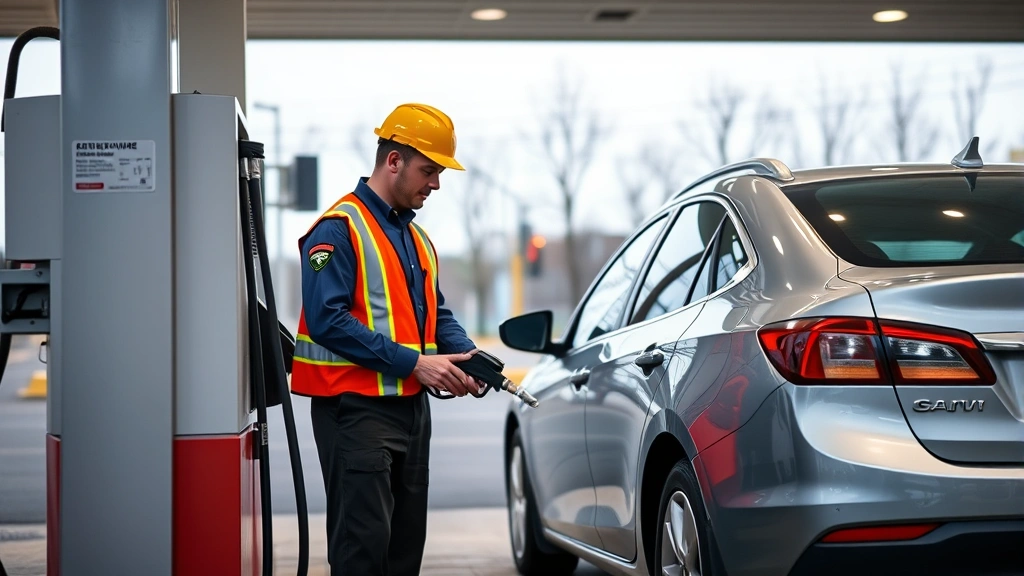
Gas Pump Girls: Eco-Friendly Fuel Tips for Sustainable Driving
Whether you’re a daily commuter or weekend road warrior, the choices you make at the gas pump significantly impact both your wallet and the planet. For women who drive—often juggling multiple responsibilities while staying conscious of environmental impact—understanding how to refuel responsibly has become increasingly important. This comprehensive guide explores practical, actionable strategies that gas pump girls can implement to minimize their carbon footprint while optimizing fuel efficiency and supporting sustainable transportation practices.
The transportation sector accounts for approximately 27% of greenhouse gas emissions in the United States, with personal vehicles representing a substantial portion of this impact. However, the good news is that informed decisions at the pump, combined with strategic driving habits and vehicle maintenance, can meaningfully reduce your environmental contribution. From understanding fuel grades to exploring alternative energy options, this guide empowers you with knowledge to make greener choices every time you refuel.
Understanding Fuel Types and Their Environmental Impact
When you pull up to the pump, you’re typically faced with several fuel grade options: regular (87 octane), mid-grade (89 octane), and premium (91-93 octane). Understanding these distinctions is crucial for both your vehicle’s performance and environmental responsibility. Most vehicles run optimally on regular unleaded gasoline, and using premium fuel when your vehicle doesn’t require it wastes money and increases unnecessary emissions from fuel production and transportation.
The octane rating indicates a fuel’s resistance to detonation—higher octane doesn’t mean cleaner or more efficient fuel, but rather fuel suited to engines with higher compression ratios. Consult your vehicle’s owner manual to determine the correct fuel grade; using the manufacturer’s recommended grade ensures optimal engine performance and minimizes wasted resources.
Ethanol-blended fuels, such as E10 (10% ethanol) and E15 (15% ethanol), represent an increasingly common option at pumps across North America. Ethanol, derived from renewable corn sources, reduces tailpipe emissions and decreases dependence on crude oil. However, ethanol production carries its own environmental considerations, including land use and agricultural inputs. Research from the EPA’s Renewable Fuel Standard demonstrates that blended fuels can reduce lifecycle greenhouse gas emissions by 20-30% compared to pure gasoline.
For those seeking deeper sustainability commitments, exploring sustainable energy solutions beyond traditional gasoline becomes essential. Biodiesel and synthetic fuels represent emerging alternatives that some stations now offer, though availability varies significantly by region.

Optimizing Fuel Efficiency: Practical Driving Strategies
Your driving behavior dramatically influences fuel consumption and emissions. Aggressive acceleration and rapid braking can increase fuel consumption by up to 40%, according to the U.S. Department of Energy. As a conscious driver, adopting smooth acceleration patterns, maintaining steady speeds, and anticipating stops contributes to both fuel savings and reduced environmental impact.
Highway driving at excessive speeds compounds fuel inefficiency. Each 5 mph increase above 50 mph reduces fuel economy by approximately 7%. For gas pump girls managing tight schedules, leaving slightly earlier to maintain moderate speeds offers dual benefits: cost savings and environmental responsibility. This simple behavioral adjustment requires no vehicle modifications or additional expenses.
Idling represents another significant efficiency killer. Modern engines consume fuel while idling, producing emissions without any forward progress. Turning off your engine during extended waits (longer than 10 seconds) saves fuel and reduces unnecessary pollution. This practice proves especially valuable during school pickups, parking lot waits, and drive-through transactions.
Tire pressure directly affects rolling resistance and fuel economy. Under-inflated tires can reduce fuel efficiency by 3-5% while also wearing prematurely and compromising safety. Check tire pressure monthly and before long trips, maintaining the pressure specified on your driver’s door jamb (not the maximum pressure listed on the tire itself). Proper tire maintenance represents one of the easiest efficiency improvements available.
Route planning deserves consideration in your fuel efficiency strategy. Combining errands into single trips, avoiding traffic congestion, and utilizing GPS navigation to select efficient routes prevents unnecessary driving. For women managing household responsibilities alongside work commitments, strategic trip planning saves both fuel and time.
Vehicle Maintenance for Maximum Efficiency
Regular vehicle maintenance represents your most direct tool for sustaining optimal fuel efficiency. A well-maintained engine operates at peak efficiency, consuming less fuel while producing fewer emissions. Engine oil quality directly impacts fuel economy; using the manufacturer-recommended oil grade ensures proper engine lubrication and efficiency. Synthetic oils often provide superior performance and longer intervals between changes.
Air filter maintenance frequently gets overlooked but significantly impacts efficiency. A clogged air filter restricts oxygen flow to the engine, forcing it to work harder and consume more fuel. Replacing air filters according to manufacturer recommendations—typically every 12,000 to 15,000 miles—maintains optimal engine breathing and performance.
Spark plugs ignite the fuel-air mixture that powers your engine. Worn spark plugs create incomplete combustion, reducing efficiency and increasing emissions. Modern spark plugs last longer than older versions, but regular inspection ensures timely replacement when needed. This maintenance task, though often delegated to mechanics, represents a fundamental efficiency component.
Fuel injector cleaning prevents carbon buildup that reduces combustion efficiency. While some gasoline contains detergents, professional fuel system cleaning every 50,000 to 100,000 miles optimizes fuel atomization and engine performance. This investment pays dividends through improved mileage and reduced emissions.
Battery health affects overall vehicle efficiency, particularly in modern vehicles with sophisticated electrical systems. A weak battery forces the alternator to work harder, consuming additional fuel. Maintaining proper battery connections and replacing batteries when they weaken ensures your vehicle operates at peak efficiency.

Exploring Alternative Fuels and Electric Options
The automotive landscape is rapidly evolving beyond traditional gasoline engines. For gas pump girls considering long-term sustainability, understanding alternative fuel options and advantages of electric vehicles provides valuable perspective on transportation’s future.
Hybrid vehicles combine gasoline engines with electric motors, capturing energy during braking and reducing reliance on fuel combustion. Hybrids eliminate the range anxiety associated with pure electric vehicles while dramatically improving fuel economy—often achieving 50+ mpg compared to 25-30 mpg for conventional vehicles. This technology represents an excellent bridge option for drivers unable to fully transition to electric power.
Plug-in hybrid electric vehicles (PHEVs) extend electric-only range to 20-50 miles, covering most daily commutes without consuming gasoline. For households with multiple vehicles, using a PHEV for daily driving and reserving conventional vehicles for longer trips optimizes sustainability while maintaining flexibility.
Fully electric vehicles (EVs) produce zero tailpipe emissions and operate at 85-90% efficiency compared to gasoline engines’ 20-30% efficiency. Falling battery costs and expanding charging infrastructure make EVs increasingly accessible. The U.S. Department of Energy provides comprehensive EV information, including tax incentives and charging resources.
Natural gas vehicles (NGVs) produce fewer emissions than gasoline vehicles and cost less to fuel, though infrastructure remains limited outside certain regions. Hydrogen fuel cell vehicles represent an emerging technology producing only water vapor emissions, though hydrogen infrastructure is still developing. For women interested in cutting-edge sustainability, monitoring hydrogen vehicle development offers insight into transportation’s evolution.
When evaluating alternative fuel options, consider your driving patterns, budget, and local infrastructure. What works for urban commuters may differ from rural drivers’ needs. Research alternative fuels through the Department of Energy’s data center to understand options available in your region.
Smart Refueling Practices and Cost Savings
Beyond fuel selection, your refueling approach influences both expenses and environmental impact. Filling your tank during cooler morning or evening hours reduces fuel evaporation—a significant source of air pollution. Cooler temperatures increase fuel density, meaning you receive slightly more fuel for your money.
Avoid topping off your tank beyond the automatic shutoff point. Overfilling causes fuel to spill or overflow, contaminating groundwater and producing harmful vapors. The automatic shutoff exists precisely to prevent this waste; respecting this mechanism protects both your wallet and water resources.
Warehouse clubs like Sam’s Club offer competitive fuel pricing that can significantly reduce annual fuel costs. Exploring gas price at Sam’s Club and similar retailers may provide substantial savings for high-mileage drivers. Membership costs typically pay for themselves within months through fuel savings alone.
Loyalty programs at major gas stations often provide discounts on fuel or merchandise. Enrolling in these programs costs nothing while accumulating benefits with regular purchases. Some programs offer bonus points during promotional periods, maximizing savings for strategic timing.
Fuel efficiency apps and vehicle telematics systems provide real-time feedback on driving efficiency, helping you identify behavioral patterns that waste fuel. Many modern vehicles include built-in fuel economy displays; actively monitoring these readings encourages more efficient driving habits.
Planning fuel purchases around price fluctuations requires monitoring local gas prices through apps like GasBuddy. While gas prices depend on numerous factors beyond individual control, purchasing fuel during price dips rather than peaks accumulates substantial savings over time.
Sustainable Transportation Beyond the Pump
True sustainability extends far beyond individual refueling decisions. Evaluating your overall transportation approach and seeking opportunities to reduce vehicle dependence creates meaningful environmental impact. Public transportation, carpooling, biking, and walking represent powerful alternatives to solo driving.
For women balancing work and family responsibilities, carpooling deserves serious consideration. Sharing rides with colleagues or neighbors reduces individual fuel consumption and emissions by 50-75%. Carpooling also provides social benefits, reduced stress from driving, and measurably lower transportation costs.
Telecommuting and flexible work arrangements reduce commuting frequency entirely. If your employer offers remote work options, even partial telecommuting significantly decreases fuel consumption and emissions. Advocating for workplace flexibility benefits both personal sustainability and organizational environmental responsibility.
Urban planning increasingly incorporates walkability and bikeability, making non-motorized transportation viable for more trips. Short trips under three miles represent ideal cycling or walking opportunities, reducing fuel consumption while providing health benefits. Electric bikes extend the range and utility of pedal-powered transportation for those facing hills or longer distances.
Public transit investments, though varying by region, provide an alternative to personal vehicle use. Using buses, trains, or light rail for commuting eliminates personal fuel consumption entirely. Many transit systems offer monthly passes providing cost savings compared to daily driving and parking.
Reducing overall driving through intentional lifestyle choices—choosing employers or housing closer to work, consolidating errands, and prioritizing local services—creates systemic sustainability. These decisions require more deliberation than individual refueling choices but generate exponentially greater environmental benefits.
For comprehensive strategies on minimizing your transportation impact, how to reduce your environmental footprint provides additional guidance across multiple life domains beyond fuel consumption.
FAQ
What fuel grade should I use in my vehicle?
Always use the fuel grade specified in your vehicle’s owner manual, typically found on the inside of the fuel door or in the manual itself. Using premium fuel when regular is recommended wastes money and increases unnecessary emissions. Your engine is engineered for specific octane requirements; matching these requirements optimizes efficiency and performance.
How much can proper tire pressure improve fuel economy?
Maintaining proper tire pressure can improve fuel economy by 3-5%, according to the EPA. Under-inflated tires increase rolling resistance, forcing your engine to work harder. Check pressure monthly and before long trips, using the recommended pressure from your driver’s door jamb rather than the maximum pressure listed on tires.
Is premium gasoline better for the environment?
Premium gasoline is not inherently more environmentally friendly than regular gasoline. Both contain similar detergents and produce comparable emissions. Premium fuel’s higher octane rating suits high-compression engines; using it in engines designed for regular fuel provides no environmental benefit and wastes resources on unnecessary fuel production and transportation.
How do electric vehicles compare to hybrid vehicles for sustainability?
Electric vehicles produce zero tailpipe emissions and operate at superior efficiency (85-90%) compared to gasoline engines (20-30%). However, hybrids provide excellent fuel economy and zero-emission capability for daily driving while maintaining flexibility for longer trips. The best choice depends on your driving patterns, budget, and local charging infrastructure. Both represent significant improvements over conventional gasoline vehicles.
What’s the environmental impact of ethanol-blended fuels?
Ethanol-blended fuels like E10 reduce tailpipe emissions and crude oil dependence, with lifecycle emissions typically 20-30% lower than pure gasoline. However, ethanol production involves agricultural inputs and land use considerations. E10 is widely available and compatible with most vehicles; E15 requires compatible vehicles. Both represent reasonable options for environmentally conscious drivers seeking readily available alternatives.
How can I reduce fuel consumption while commuting?
Adopt smooth acceleration patterns, maintain steady speeds (below 60 mph when possible), avoid idling, keep tires properly inflated, and perform regular maintenance. Plan routes efficiently, combine errands into single trips, and avoid traffic congestion. Consider carpooling, public transit, biking, or telecommuting to reduce overall commuting frequency. These strategies can reduce fuel consumption by 20-40%.
What’s the best way to save money on fuel?
Maintain your vehicle properly, drive efficiently, keep tires inflated, check gas price at Sam’s Club and warehouse retailers for competitive pricing, use loyalty programs, monitor local prices through apps, and fill up during cooler hours when fuel density is higher. Combining multiple strategies creates substantial annual savings.
Should I consider switching to an electric vehicle?
Consider your driving patterns, available charging infrastructure, budget, and environmental priorities. EVs excel for daily urban commuting but require planning for longer trips. Hybrids and plug-in hybrids offer excellent alternatives if you’re not ready for full electrification. Research advantages of electric vehicles and available incentives in your area before deciding.
For additional sustainability insights across multiple life domains, explore the SustainWise Hub Blog for comprehensive guidance on reducing environmental impact. Whether you’re optimizing fuel consumption, exploring alternative energy, or evaluating power tools like gas powered pole saw alternatives, informed decision-making empowers sustainable living.
The choices gas pump girls make today shape transportation’s environmental future. From selecting appropriate fuel grades to exploring hybrid and electric options, each decision contributes to meaningful emissions reductions and resource conservation. By implementing these practical strategies—optimizing fuel efficiency, maintaining vehicles properly, exploring alternative fuels, and reducing overall driving—you demonstrate that environmental responsibility and practical transportation needs aren’t mutually exclusive. Your commitment to sustainable refueling practices, combined with broader lifestyle choices, creates ripple effects inspiring others and supporting the transition toward cleaner transportation systems for generations to come.