
Gas Regulators: Eco-Friendly Options Explored
Gas regulators are critical components in countless residential, commercial, and industrial applications, controlling the flow and pressure of gases from supply sources to end-use equipment. However, traditional gas regulator systems often operate with minimal environmental consideration, contributing to energy waste, methane leakage, and inefficient resource management. As climate concerns intensify and sustainability becomes non-negotiable, the industry is witnessing a significant shift toward eco-friendly gas regulator innovations designed to minimize environmental impact while maintaining optimal performance and safety standards.
Understanding the environmental implications of gas regulation systems is essential for businesses and homeowners seeking to reduce their carbon footprint. Modern eco-friendly gas regulators incorporate advanced materials, precision engineering, and smart monitoring technologies that not only decrease operational emissions but also enhance system reliability and reduce long-term maintenance costs. This comprehensive exploration examines the latest sustainable alternatives, technological breakthroughs, and practical strategies for transitioning to environmentally responsible gas regulation solutions.
Understanding Traditional Gas Regulators and Environmental Impact
Conventional gas regulators, while functional, present several environmental challenges that sustainability advocates cannot ignore. These devices maintain consistent pressure across distribution networks, yet many older models suffer from inherent inefficiencies that result in significant methane emissions. Methane, a potent greenhouse gas approximately 28-36 times more effective at trapping heat than carbon dioxide over a century-long period, escapes through leaky seals, corroded connections, and outdated valve designs.
The environmental burden extends beyond direct emissions. Manufacturing traditional regulators often involves energy-intensive processes and materials extraction that contribute to ecosystem degradation. Additionally, the typical lifespan of conventional systems means frequent replacements, generating substantial electronic and metal waste. Understanding these limitations is crucial for recognizing why transitioning to sustainable energy solutions includes upgrading gas regulation infrastructure.
Industrial facilities consuming natural gas at scale face particularly acute environmental responsibilities. A single facility operating outdated regulator systems can leak thousands of cubic meters of gas annually, equivalent to the carbon emissions of dozens of vehicles. This reality has prompted regulatory bodies and environmental organizations to establish stricter emissions standards, making equipment upgrades not merely optional but increasingly mandatory for compliance.
Eco-Friendly Gas Regulator Technologies
The emerging generation of eco-friendly gas regulators incorporates cutting-edge engineering principles designed specifically to minimize environmental harm while maximizing operational efficiency. These advanced systems employ precision-engineered components that reduce internal friction, minimize gas leakage at connection points, and optimize pressure regulation across varying demand conditions.
Direct-acting regulators represent one significant technological advancement, utilizing pressure-responsive mechanisms that eliminate the need for external pilot systems. This design reduces complexity, decreases potential leak points, and improves response times to pressure fluctuations. Consequently, facilities employing direct-acting regulators experience lower methane emissions and enhanced system stability.
Pilot-operated regulators have also undergone substantial improvements, with modern versions featuring enhanced sealing technologies and corrosion-resistant components. These systems prove particularly valuable in large-scale applications where precise pressure control directly impacts energy efficiency and safety protocols. When properly maintained, updated pilot-operated regulators can reduce fugitive emissions by up to 40% compared to legacy equipment.
Zero-loss regulators represent the pinnacle of eco-friendly design, incorporating vent systems that capture gas that would otherwise escape during normal operation. These units redirect vented gas back into the supply stream or to processing facilities where it can be utilized productively. For facilities handling expensive specialty gases or operating in environmentally sensitive regions, zero-loss regulators justify their premium pricing through emissions reduction and product recovery.
Integration with renewable gas alternatives has also accelerated innovation in regulator design. As biogas, synthetic methane, and hydrogen blends gain market traction, regulators must accommodate varying gas compositions and properties. Modern eco-friendly units feature adaptable designs that function effectively with conventional natural gas while seamlessly transitioning to renewable alternatives.
Materials Innovation in Sustainable Regulators
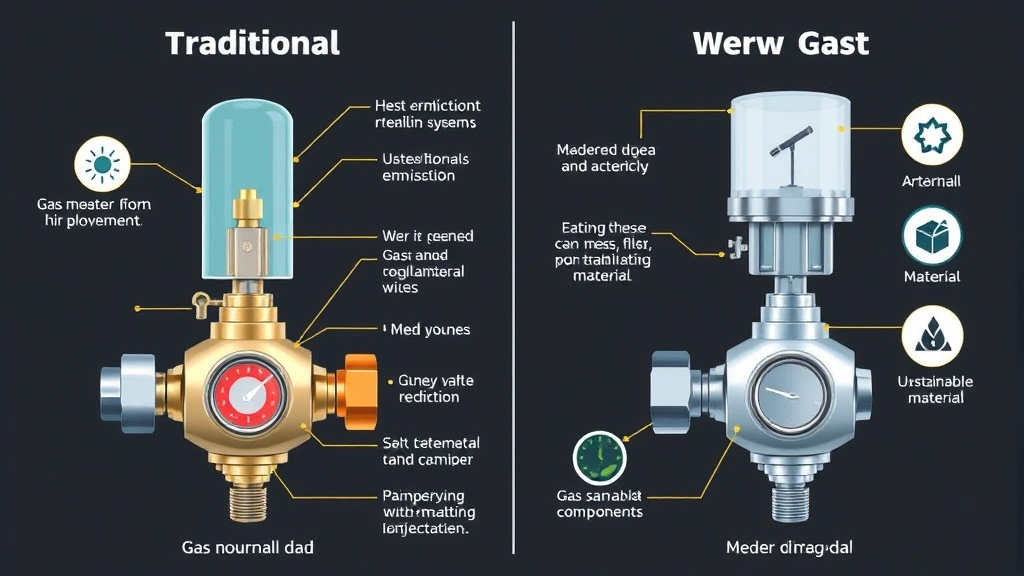
The materials used in gas regulator construction profoundly influence both environmental impact and operational performance. Traditional brass and steel components, while durable, require energy-intensive extraction and processing. Contemporary eco-friendly regulators increasingly employ advanced materials that reduce manufacturing carbon footprints while enhancing longevity and reliability.
Recycled and reclaimed metals now feature prominently in sustainable regulator manufacturing. Manufacturers utilizing high-grade recycled aluminum, copper, and stainless steel reduce embodied carbon by 50-70% compared to virgin material alternatives. This shift toward circular economy principles extends product lifecycles while minimizing primary resource extraction pressures on natural ecosystems.
Advanced polymers and composites offer additional sustainability advantages, particularly in non-critical structural components. High-performance engineering plastics provide excellent corrosion resistance, reducing maintenance requirements and extending operational lifespans. These materials also facilitate manufacturing processes that generate less waste and consume significantly less energy than traditional metal fabrication.
Ceramic coatings and surface treatments enhance regulator durability without relying on hazardous chemical processes. Modern electroless nickel plating alternatives and ceramic composite treatments provide superior corrosion protection while minimizing environmental contamination risks during manufacturing and disposal phases. These innovations directly support reducing your environmental footprint throughout product lifecycles.
The trend toward modular regulator design enables component replacement without full system replacement, dramatically extending equipment life and reducing waste generation. Facilities can upgrade specific modules addressing efficiency improvements while retaining functional components, aligning with circular economy principles that minimize resource consumption.
Smart Monitoring and Leak Detection Systems
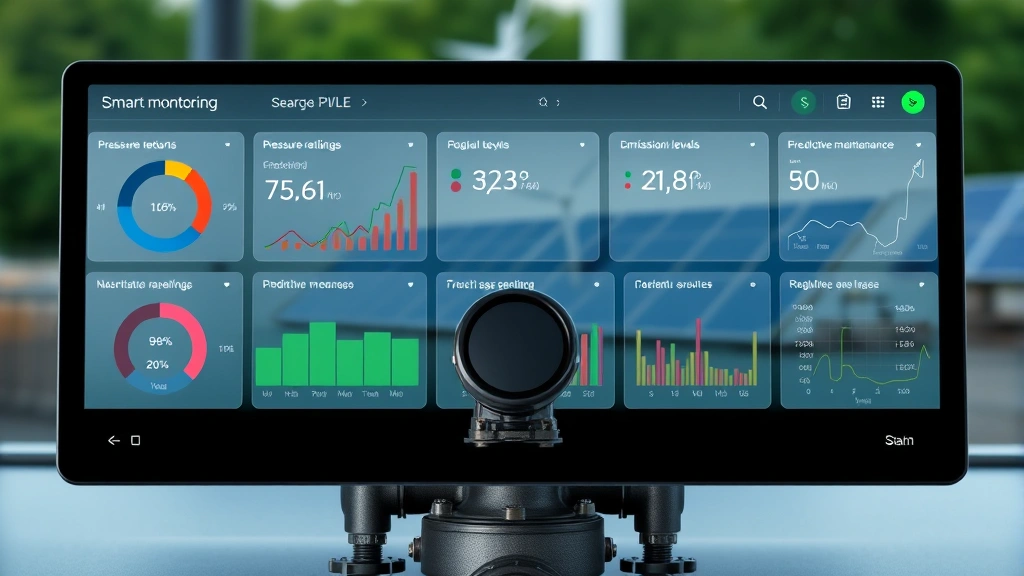
Perhaps the most transformative advancement in eco-friendly gas regulator technology involves integration with intelligent monitoring and diagnostic systems. These smart regulators employ sensors, data analytics, and real-time reporting capabilities that identify inefficiencies and potential failures before they escalate into significant environmental problems.
Real-time pressure monitoring enables operators to detect anomalies indicating seal degradation or internal leakage. Advanced systems alert maintenance teams immediately upon detecting pressure deviations exceeding normal operating ranges, preventing extended periods of undetected fugitive emissions. This proactive approach can reduce methane losses by 30-50% compared to conventional scheduled maintenance protocols.
Acoustic emission detection utilizes ultrasonic sensors to identify microscopic leaks at connection points and internal seals. These systems detect pressure differentials and gas escape signatures invisible to conventional monitoring, enabling precise targeting of maintenance efforts. Facilities implementing acoustic detection systems consistently report dramatic reductions in environmental compliance violations and operational costs.
Integrated data logging and cloud connectivity facilitate remote monitoring and predictive maintenance scheduling. Regulators continuously transmit performance data to centralized management systems, where machine learning algorithms analyze patterns to forecast maintenance needs before failures occur. This capability proves invaluable for multi-site operations managing numerous regulators across dispersed locations.
Environmental impact reporting features quantify emissions reductions, energy savings, and operational improvements in standardized formats compatible with sustainability reporting frameworks. Facilities can track progress toward climate commitments and demonstrate measurable environmental benefits to stakeholders, regulators, and customers.
Renewable Gas Integration with Modern Regulators
The transition toward renewable and alternative gas sources requires gas regulators capable of handling diverse gas compositions, pressure ranges, and operational characteristics. Modern eco-friendly regulators support this energy transition through flexible design features and enhanced compatibility protocols.
Biogas compatibility represents a critical capability for facilities utilizing agricultural waste, wastewater treatment byproducts, or landfill gas sources. Biogas compositions vary significantly from conventional natural gas, containing higher moisture content, corrosive hydrogen sulfide, and variable energy density. Specialized eco-friendly regulators incorporate enhanced filtration, corrosion resistance, and adaptive pressure control mechanisms enabling reliable biogas utilization.
Hydrogen blending support prepares infrastructure for hydrogen economy development. As hydrogen increasingly features in energy systems, regulators must accommodate hydrogen percentages in gas blends, accounting for hydrogen’s unique physical properties including lower density and different combustion characteristics. Forward-thinking manufacturers design regulators supporting gradual hydrogen introduction, facilitating smooth transitions without wholesale infrastructure replacement.
Synthetic methane and power-to-gas applications benefit significantly from advanced regulator flexibility. These innovative gas sources, produced through renewable electricity conversion, require precisely calibrated regulation to maintain system stability and safety. Eco-friendly regulators engineered for synthetic gas applications enable renewable energy storage and utilization at scale, supporting broader climate mitigation objectives.
Exploring green technology innovations transforming our future reveals how regulator advancements facilitate the broader energy transition. By enabling seamless renewable gas integration, modern regulators function as critical enablers of decarbonization strategies across residential, commercial, and industrial sectors.
Cost-Benefit Analysis of Green Alternatives
While eco-friendly gas regulators often command premium initial pricing, comprehensive lifecycle cost analysis consistently demonstrates economic advantages justifying investment in sustainable alternatives. Understanding the complete financial picture enables informed decision-making aligned with both environmental and business objectives.
Reduced operational losses constitute the primary financial benefit of upgrading to eco-friendly regulators. Lower fugitive emissions mean less wasted product, directly reducing operational expenses. Facilities processing expensive specialty gases experience particularly dramatic cost savings, with some operations recovering upgrade investments within 2-3 years through product recovery alone.
Decreased maintenance and replacement costs emerge from improved durability and reliability of modern eco-friendly systems. Advanced materials resist corrosion, reducing unplanned maintenance interventions and emergency repairs that disrupt operations and inflate costs. Extended operational lifespans mean fewer replacement cycles, amortizing capital investments across longer periods.
Energy efficiency improvements throughout connected systems contribute additional savings. Optimized pressure regulation reduces compressor workload, lowering electricity consumption and associated operational costs. Industrial facilities often observe 10-15% reductions in energy expenditures following comprehensive regulator upgrades.
Compliance and regulatory benefits provide intangible but substantial value. Facilities exceeding environmental standards avoid penalties, streamline permitting processes, and enhance reputation with environmentally conscious customers and partners. These advantages prove increasingly valuable as environmental regulations tighten globally.
Tax incentives and rebate programs in many jurisdictions subsidize eco-friendly equipment upgrades. Manufacturers, utilities, and government agencies frequently offer financial incentives encouraging adoption of efficient gas regulation technologies. Investigating available programs can significantly reduce net capital requirements for system upgrades.
Installation and Maintenance Best Practices
Maximizing environmental benefits from eco-friendly gas regulators requires proper installation, operation, and maintenance protocols. Suboptimal implementation undermines technological advantages, necessitating attention to proven best practices.
Professional installation by certified technicians ensures proper system configuration, calibration, and integration with existing infrastructure. Improper installation introduces leak points, pressure inconsistencies, and safety hazards that negate efficiency advantages. Selecting installers experienced with eco-friendly regulator systems ensures optimal implementation and system performance.
Baseline performance documentation establishes reference points for evaluating improvement efficacy. Recording pressure readings, emission levels, and operational parameters before and after upgrades enables quantification of environmental and economic benefits. This documentation proves valuable for regulatory compliance reporting and sustainability communications.
Regular inspection schedules identify wear patterns, seal degradation, and potential failure points before they escalate. Monthly pressure verification, quarterly leak detection sweeps, and annual comprehensive system evaluations maintain peak performance and minimize environmental impact throughout regulator lifespan.
Seal and component replacement protocols should prioritize environmental considerations. Using compatible replacement components maintains system integrity while avoiding contamination from incompatible materials. Implementing take-back programs for worn components ensures proper recycling and prevents environmental contamination from discarded regulators.
Staff training and operational guidelines ensure operators understand eco-friendly regulator capabilities and operational requirements. Educated operators recognize abnormal performance indicators, implement efficient operational practices, and schedule timely maintenance interventions. Investing in comprehensive staff training maximizes returns on equipment investments.
Organizations committed to comprehensive sustainability initiatives should explore the SustainWise Hub Blog for additional guidance on integrating eco-friendly technologies across operational systems. Complementary upgrades in other areas amplify environmental benefits and operational efficiencies.
FAQ
What are the primary environmental benefits of upgrading to eco-friendly gas regulators?
Eco-friendly gas regulators significantly reduce methane emissions through improved sealing technologies and precision engineering. Modern systems can reduce fugitive emissions by 30-50% compared to conventional equipment. Additional benefits include decreased product waste, lower energy consumption, reduced manufacturing carbon footprints through sustainable materials, and enhanced system reliability. Over time, these improvements translate to measurable reductions in operational environmental impact and often generate substantial cost savings through improved efficiency.
How do smart monitoring systems improve environmental outcomes?
Smart monitoring systems provide real-time visibility into regulator performance, enabling immediate detection of leaks and inefficiencies. Acoustic emission detection identifies microscopic leaks undetectable through conventional methods. Data analytics and predictive maintenance algorithms forecast failures before they occur, preventing extended periods of undetected emissions. Cloud connectivity facilitates remote monitoring across multiple sites, optimizing maintenance scheduling and resource allocation. These capabilities reduce environmental impact while improving operational reliability and cost-effectiveness.
Are eco-friendly gas regulators compatible with renewable gas sources?
Yes, modern eco-friendly regulators are specifically designed for compatibility with renewable and alternative gas sources. Advanced models support biogas utilization, hydrogen blending, and synthetic methane applications. These flexible designs accommodate varying gas compositions, moisture content, and energy densities, enabling seamless transitions to renewable alternatives. This compatibility positions eco-friendly regulators as critical infrastructure components supporting broader energy transition objectives.
What is the typical return on investment for upgrading to eco-friendly systems?
Return on investment varies based on facility size, current equipment condition, gas costs, and available incentive programs. Many industrial facilities recover upgrade investments within 2-5 years through reduced operational losses, decreased maintenance expenses, and improved energy efficiency. Facilities processing expensive specialty gases or operating under strict emissions regulations often achieve faster payback periods. Tax incentives and utility rebates in many jurisdictions further improve financial outcomes, sometimes reducing net capital requirements by 30-50%.
What certifications and standards apply to eco-friendly gas regulators?
Eco-friendly gas regulators must comply with established safety and performance standards including ASME standards, API specifications, and regional pressure equipment directives. Environmental certifications including ISO 14001 and carbon footprint declarations increasingly distinguish premium eco-friendly products. Many manufacturers pursue third-party verification of environmental claims through organizations like EPA certification programs and industry-specific sustainability initiatives.
How often should eco-friendly gas regulators be serviced and maintained?
Proper maintenance schedules typically include monthly pressure verification, quarterly leak detection assessments using acoustic or thermal imaging, and comprehensive annual inspections. Smart monitoring systems may recommend service intervals based on actual performance data, potentially extending maintenance cycles while maintaining reliability. Following manufacturer recommendations and regulatory requirements ensures optimal performance and environmental compliance throughout the regulator’s operational lifespan.


