
Gas Royal: Is It Sustainable? Analyst Insight
Gas Royal, a premium fuel product marketed for high-performance vehicles, has gained attention in recent years as consumers seek efficient energy solutions. However, the critical question remains: can a gasoline-based product truly align with sustainability principles? This analyst insight examines Gas Royal’s environmental impact, production methods, and positioning within the broader context of definition of sustainability to provide a comprehensive assessment.
As global emissions continue to rise and climate change accelerates, the transportation sector faces mounting pressure to transition toward cleaner energy sources. While premium gasoline products like Gas Royal offer improved engine efficiency and reduced emissions compared to standard fuel, they remain fundamentally dependent on fossil fuels. Understanding the full lifecycle implications of such products is essential for environmentally conscious consumers and industry analysts alike.
What Is Gas Royal and How Does It Work?
Gas Royal is a premium gasoline product formulated with advanced additives designed to enhance engine performance, improve fuel efficiency, and reduce harmful emissions. The product typically contains detergents and friction modifiers that clean fuel injectors, promote more complete combustion, and minimize engine deposits. These features appeal to vehicle owners seeking optimal performance and potentially lower operating costs.
The formulation includes octane boosters that prevent engine knocking, allowing engines to operate at higher compression ratios. This technical advantage translates to better fuel economy—a key selling point for consumers concerned about both their wallets and environmental impact. However, the sustainability credentials of premium gasoline require deeper examination beyond marketing claims. Understanding sustainable energy solutions means evaluating the entire energy lifecycle, not just immediate performance benefits.
Gas Royal’s chemical composition includes hydrocarbons refined from crude oil, combined with proprietary additives. While these additives improve combustion efficiency, the fundamental fuel source remains non-renewable fossil fuel. The production process involves extraction, refining, transportation, and distribution—each stage carrying environmental costs that must be factored into a genuine sustainability assessment.
Environmental Impact Assessment
From an environmental perspective, Gas Royal presents a mixed picture. On the positive side, improved fuel efficiency means vehicles consume less fuel per mile, directly reducing carbon dioxide emissions from combustion. Studies show that premium gasoline with advanced detergent packages can improve fuel economy by 1-3%, representing meaningful reductions for high-mileage vehicles.
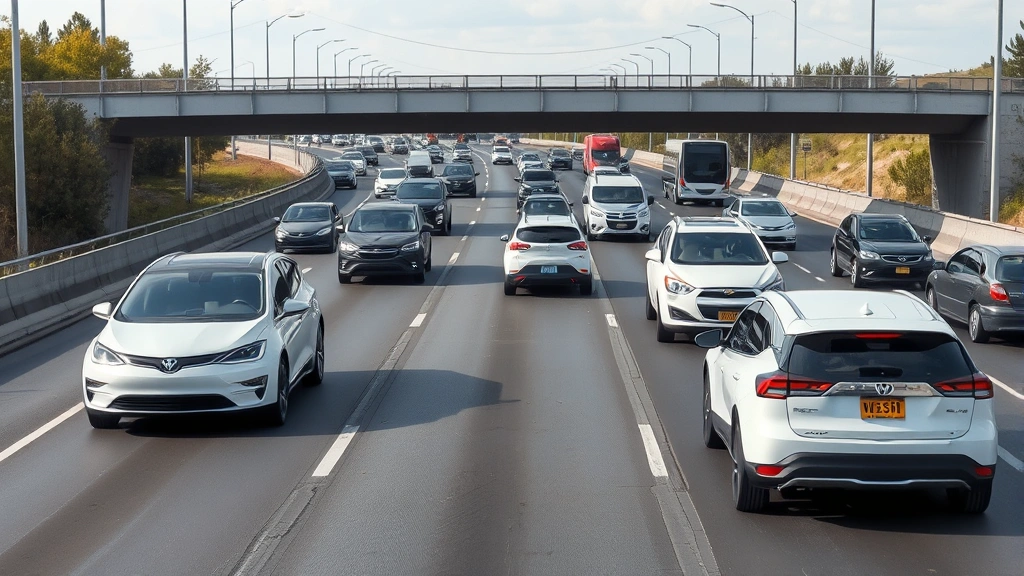
However, the environmental benefits are constrained by fundamental limitations. Burning any gasoline-based fuel produces carbon dioxide, a primary greenhouse gas contributing to climate change. According to EPA greenhouse gas emission data, transportation accounts for approximately 27% of total U.S. greenhouse gas emissions, with light-duty vehicles responsible for the majority. Premium gasoline cannot eliminate this core problem—it merely reduces the rate of harm.
Beyond carbon emissions, gasoline combustion produces nitrogen oxides and particulate matter contributing to air pollution and respiratory health issues. Premium fuel formulations may reduce some of these pollutants through improved combustion, but they cannot eliminate them entirely. Communities near highways and transportation hubs continue experiencing elevated pollution levels regardless of fuel type.
The extraction and refining processes associated with petroleum products generate additional environmental concerns. Oil drilling disrupts ecosystems, risks marine contamination, and contributes to habitat destruction. Refining crude oil into usable gasoline requires substantial energy input, typically from fossil fuels, creating a carbon-intensive production chain. Transportation of finished fuel products adds further emissions before Gas Royal ever reaches a gas station pump.
Production and Sustainability Practices
Examining Gas Royal’s production methods reveals important sustainability considerations. The petroleum refining industry has implemented various efficiency improvements and emissions reduction technologies over the past two decades. Modern refineries incorporate process optimization, waste heat recovery, and stricter environmental controls compared to older facilities.
However, the refining industry remains energy-intensive and carbon-heavy. International Energy Agency data indicates that petroleum refining accounts for approximately 8% of global industrial energy consumption and generates roughly 1.5 billion metric tons of CO2 annually. Individual companies producing premium gasoline products like Gas Royal operate within this larger industrial context, contributing to these aggregate impacts.
Some fuel producers have begun incorporating renewable components into their products. Ethanol blends, for example, reduce petroleum dependence and lower lifecycle carbon emissions. However, Gas Royal’s specific formulation and whether it includes renewable additives requires verification from manufacturer specifications. Many premium gasoline brands maintain conventional fossil fuel compositions with minimal renewable content.
Water usage represents another sustainability dimension often overlooked. Petroleum refining requires significant water for cooling, steam generation, and processing. This demand strains local water resources, particularly in arid regions. Additionally, refinery operations produce wastewater containing hydrocarbons and other contaminants requiring treatment before discharge. While modern facilities employ advanced treatment systems, the overall water footprint of petroleum refining remains substantial.
The supply chain for Gas Royal extends beyond refining to include crude oil transportation via pipelines, tanker ships, and trucks. Each transportation mode carries environmental costs and spill risks. The NOAA Hazardous Materials division documents numerous petroleum spills from transportation accidents, highlighting ongoing environmental risks inherent to fossil fuel distribution.
Comparison With Alternative Energy Solutions
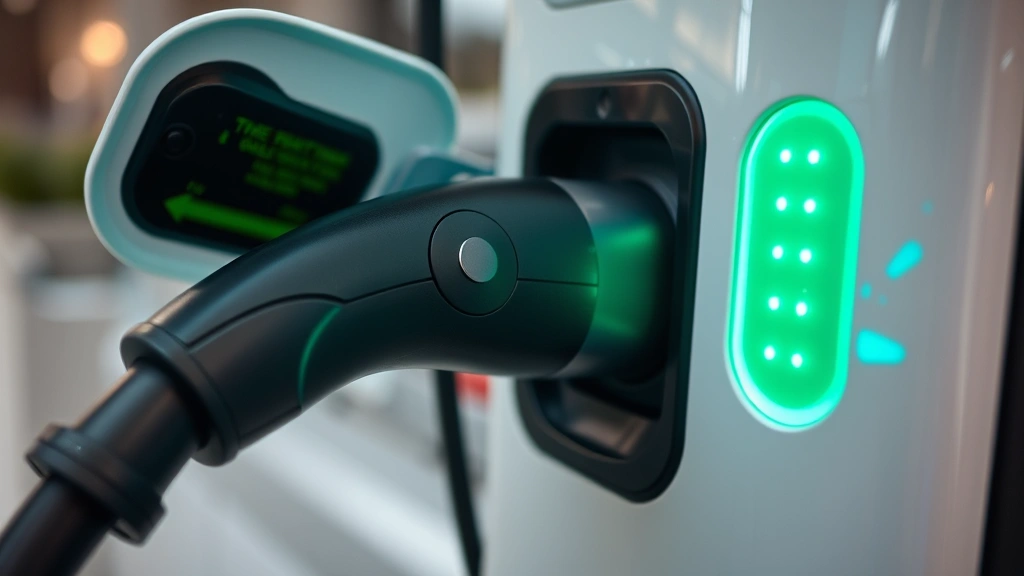
To properly evaluate Gas Royal’s sustainability, comparing it with alternative transportation fuels and technologies proves essential. Advantages of electric vehicles include zero direct emissions, dramatically lower operating costs, and reduced dependence on fossil fuels. While electricity generation methods vary by region, even in areas relying partially on fossil fuels, electric vehicles produce significantly lower lifetime emissions than gasoline vehicles.
Battery electric vehicles (BEVs) operating in regions with renewable electricity grids achieve near-zero operational emissions. Even in areas with mixed energy sources, the emissions per mile traveled remain substantially lower than conventional gasoline vehicles. As electrical grids continue transitioning toward renewable energy, the environmental advantage of electric vehicles grows continuously.
Hydrogen fuel cell vehicles represent another emerging alternative, producing only water vapor as an emission. However, hydrogen production currently relies heavily on natural gas reforming, limiting environmental benefits unless green hydrogen production from renewable electricity becomes mainstream. The infrastructure for hydrogen fueling remains underdeveloped compared to electric charging networks.
Hybrid vehicles offer a middle-ground solution, combining gasoline engines with electric motors to improve overall efficiency. Modern hybrids achieve 30-50% better fuel economy than conventional vehicles, surpassing Gas Royal’s potential efficiency gains. Plug-in hybrids extend this advantage further by enabling all-electric driving for daily commutes while maintaining gasoline engines for longer trips.
Biofuels derived from sustainable sources present another alternative pathway. Advanced biofuels from agricultural waste or dedicated energy crops can reduce lifecycle carbon emissions compared to petroleum gasoline. However, biofuel sustainability depends critically on production methods, land-use practices, and feedstock sourcing. Not all biofuel production qualifies as genuinely sustainable, requiring careful evaluation of specific products.
Gas Royal, regardless of its efficiency improvements, cannot compete with these alternatives from a sustainability standpoint. The fundamental reliance on fossil fuel combustion places premium gasoline products in a declining category as transportation electrification accelerates globally.
Carbon Footprint Analysis
A comprehensive carbon footprint analysis of Gas Royal must account for emissions across the entire lifecycle: extraction, refining, transportation, distribution, and combustion. Lifecycle assessment (LCA) methodology provides the framework for this evaluation.
Crude oil extraction typically generates 10-15 kg of CO2 equivalent per barrel of oil extracted, accounting for drilling operations, pumping, and facility operations. Transportation of crude oil to refineries adds approximately 5-10 kg CO2 equivalent per barrel. The refining process itself produces 20-30 kg CO2 equivalent per barrel, representing the most energy-intensive stage of the supply chain.
Distribution and retail operations contribute an additional 5-10 kg CO2 equivalent per barrel. When combined, the pre-combustion supply chain for conventional gasoline generates approximately 40-65 kg CO2 equivalent per barrel. Given that one barrel of crude oil yields approximately 19 gallons of gasoline, this translates to roughly 2-3.5 kg CO2 equivalent per gallon before the fuel is burned.
Combustion of one gallon of gasoline produces approximately 8.9 kg of CO2 equivalent. Adding pre-combustion emissions, the total carbon footprint reaches approximately 11-12 kg CO2 equivalent per gallon of conventional gasoline. Gas Royal, through improved efficiency, may reduce this slightly—perhaps to 10.5-11.5 kg CO2 equivalent per gallon when accounting for 1-3% better fuel economy—but the reduction remains marginal.
For a vehicle averaging 25 miles per gallon and traveling 12,000 miles annually, the total carbon footprint equals approximately 5,280-5,760 kg CO2 equivalent per year. An electric vehicle powered by an average U.S. electrical grid generates approximately 2,400-2,800 kg CO2 equivalent annually, representing roughly 50% lower emissions. In regions with cleaner grids, the advantage exceeds 70-80%.
This analysis demonstrates that while Gas Royal improves upon standard gasoline, it cannot achieve the emissions reductions necessary to align with climate goals. The Intergovernmental Panel on Climate Change (IPCC) emphasizes that achieving net-zero emissions requires transitioning away from fossil fuels, not merely optimizing their consumption.
Future Outlook and Industry Trends
The future of premium gasoline products like Gas Royal appears constrained by accelerating transportation electrification and regulatory pressures. Global governments have implemented increasingly stringent emissions standards and, in many cases, announced phase-out dates for internal combustion engine vehicles.
The European Union plans to ban new combustion engine vehicle sales by 2035. California and several other U.S. states have adopted similar targets. China, the world’s largest automotive market, actively promotes electric vehicle adoption through subsidies and infrastructure investment. These regulatory trends suggest declining demand for gasoline products, including premium formulations, over the coming decades.
Green technology innovations transforming our future increasingly focus on electrification, hydrogen fuel cells, and sustainable biofuels rather than optimized gasoline products. Major petroleum companies themselves are investing heavily in renewable energy and electric vehicle infrastructure, signaling recognition of long-term market shifts.
However, a transition period will persist for several decades. Internal combustion vehicles will remain on roads well into the 2040s and beyond, creating continued demand for gasoline products. In this transitional context, premium gasoline with superior efficiency characteristics may serve a limited role in reducing emissions from existing vehicle fleets.
The most sustainable approach for current vehicle owners involves maximizing fuel efficiency through driving habits, vehicle maintenance, and where feasible, transitioning to hybrid or electric alternatives. For consumers requiring gasoline vehicles, selecting the most fuel-efficient model available and utilizing premium fuel if the engine is designed for it can minimize environmental impact—though this remains substantially less impactful than switching to electric or hybrid vehicles.
Industry experts anticipate consolidation within premium fuel markets as demand declines. Some petroleum companies may develop hybrid-compatible premium fuels or incorporate higher renewable content. However, without fundamental shifts toward non-combustion energy sources, these innovations represent incremental improvements rather than transformative sustainability solutions.
For those seeking to reduce your environmental footprint, the transportation sector offers particularly high-impact opportunities. Choosing electric or hybrid vehicles, reducing vehicle miles through public transportation or remote work, and consolidating trips represents far more effective strategies than optimizing gasoline consumption.
FAQ
Is Gas Royal actually more sustainable than regular gasoline?
Gas Royal offers modest improvements over standard gasoline through enhanced fuel efficiency, potentially reducing fuel consumption by 1-3%. However, this incremental efficiency gain does not qualify as genuine sustainability. The product remains dependent on fossil fuels, produces substantial carbon emissions, and requires energy-intensive extraction and refining processes. While marginally better than conventional gasoline, Gas Royal cannot be considered sustainable in the context of climate change mitigation and environmental protection.
Does premium gasoline reduce emissions?
Premium gasoline can reduce certain tailpipe emissions by enabling more complete combustion and allowing engines to operate more efficiently. However, it does not eliminate carbon dioxide emissions—the primary concern for climate change. While nitrogen oxide and particulate matter reductions may provide local air quality benefits, the overall environmental impact remains substantially negative compared to zero-emission transportation alternatives.
What percentage of Gas Royal comes from renewable sources?
Gas Royal’s specific renewable content depends on the manufacturer’s formulation and sourcing practices. Many premium gasoline products contain minimal renewable components, consisting primarily of conventional petroleum-derived hydrocarbons with synthetic additives. Consumers should review manufacturer specifications to determine renewable content, as marketing materials often emphasize efficiency benefits while downplaying fossil fuel dependence.
How does Gas Royal compare to electric vehicles?
Electric vehicles dramatically outperform Gas Royal from a sustainability perspective. BEVs produce zero direct emissions and, when charged with renewable electricity, achieve near-zero lifecycle emissions. Even in regions with mixed electrical grids, EVs produce roughly 50% lower emissions than vehicles using Gas Royal. As grids transition toward renewable energy, this advantage continues increasing.
Should I switch to Gas Royal for environmental reasons?
Switching to Gas Royal offers minimal environmental benefit compared to the impact of vehicle choice itself. If your current vehicle is gasoline-powered, using premium fuel with superior efficiency characteristics represents a small positive step. However, transitioning to a hybrid or electric vehicle provides far greater environmental benefits. The most sustainable choice involves evaluating vehicle replacement timing and selecting the most efficient or electric alternative feasible for your circumstances.
What is the carbon footprint of Gas Royal?
The total lifecycle carbon footprint of Gas Royal reaches approximately 10.5-11.5 kg CO2 equivalent per gallon, including extraction, refining, distribution, and combustion. This accounts for efficiency improvements over standard gasoline. For a vehicle traveling 12,000 miles annually at 25 mpg, annual emissions reach approximately 5,000-5,500 kg CO2 equivalent, substantially higher than electric vehicles powered by average grids.
Are petroleum refineries improving their sustainability practices?
Modern petroleum refineries have implemented various efficiency improvements, waste reduction technologies, and emissions controls. However, refining remains an inherently energy-intensive and carbon-heavy industrial process. Individual facility improvements do not fundamentally address the sustainability challenges posed by fossil fuel dependence and climate change.
Will Gas Royal become more sustainable in the future?
Marginal improvements in gasoline formulation may occur, but Gas Royal cannot achieve genuine sustainability without transitioning away from fossil fuel combustion. The petroleum industry is increasingly investing in renewable energy and electric vehicle infrastructure, signaling recognition that optimized gasoline products represent a declining market segment. True sustainability requires electrification and renewable energy, not improved fossil fuel formulations.


