Are Gas Scooters Eco-Friendly? Expert Analysis
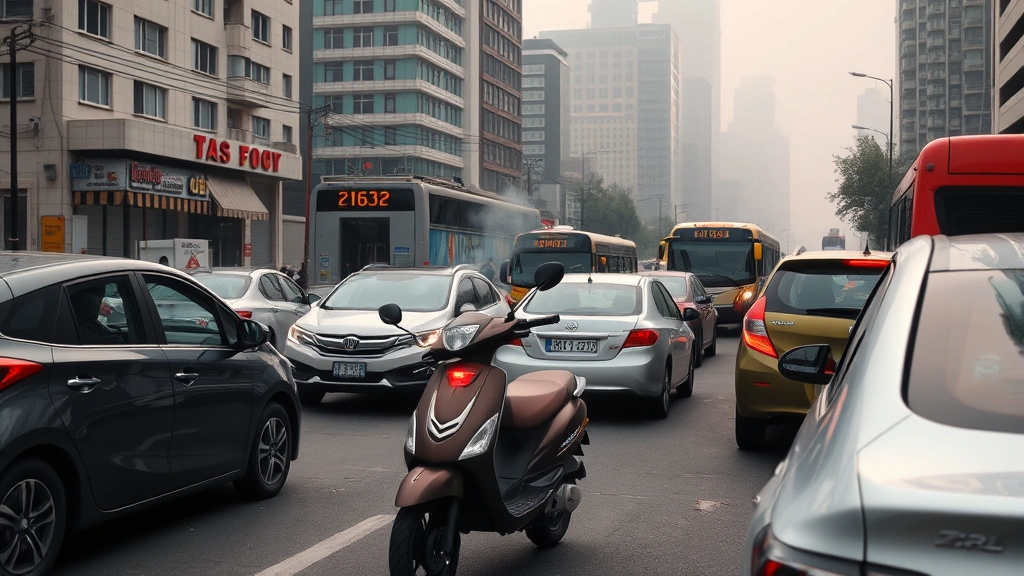
Gas scooters have become increasingly popular as an affordable and convenient mode of urban transportation. However, their environmental impact remains a critical concern for sustainability-conscious consumers. Unlike electric alternatives, gas scooters rely on fossil fuel combustion, which raises important questions about their carbon footprint, emissions profile, and overall ecological consequences. This comprehensive analysis examines whether gas scooters truly deserve a place in our vision for sustainable urban mobility.
The debate surrounding gas scooter environmental friendliness isn’t merely academic—it directly affects policy decisions, consumer choices, and the future of urban transportation infrastructure. As cities worldwide grapple with air quality challenges and climate commitments, understanding the real-world sustainability implications of gas scooters becomes increasingly vital. We’ll explore the scientific evidence, compare alternatives, and provide actionable insights for environmentally conscious riders.
How Gas Scooters Work and Their Emissions Profile
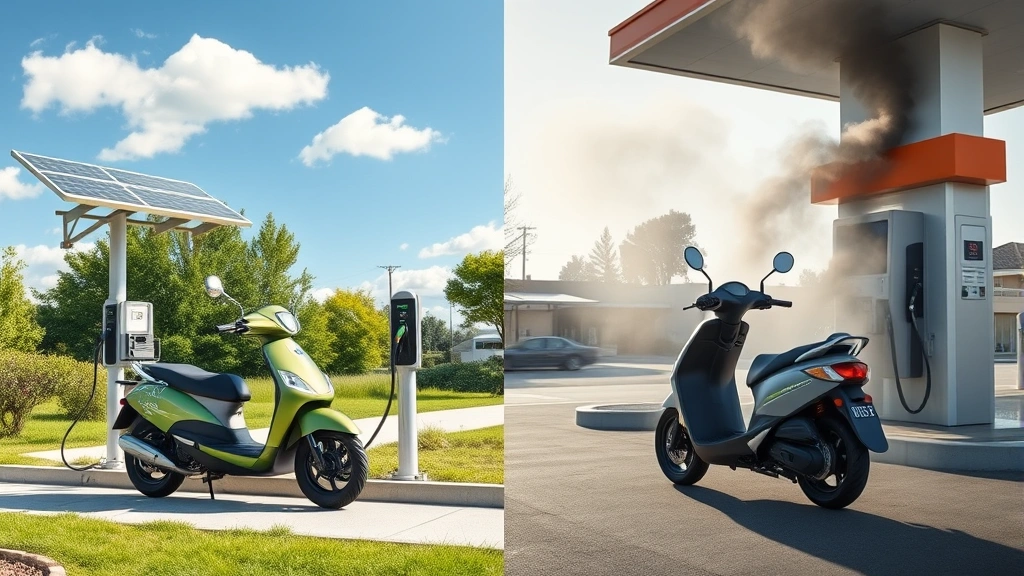
Gas scooters operate using small internal combustion engines, typically two-stroke or four-stroke motors that burn gasoline to produce mechanical energy. Two-stroke engines, commonly found in budget gas scooters, are particularly problematic from an environmental standpoint. These engines complete a full combustion cycle in just two piston strokes, resulting in incomplete fuel combustion and significantly higher emissions of unburned hydrocarbons, nitrogen oxides (NOx), and particulate matter.
Four-stroke engines, while more efficient and cleaner than their two-stroke counterparts, still generate substantial greenhouse gas emissions. A single gas scooter can emit between 50-100 grams of CO2 equivalent per kilometer traveled, depending on engine efficiency and fuel consumption rates. When multiplied across millions of scooters in urban areas, this translates to a considerable cumulative environmental burden. The combustion process inherently produces carbon dioxide, a primary greenhouse gas contributing to climate change.
Beyond CO2, gas scooters emit volatile organic compounds (VOCs), nitrogen oxides, and fine particulate matter (PM2.5). These pollutants don’t merely contribute to global warming; they directly degrade local air quality and pose serious public health risks. Studies have documented that VOCs and NOx participate in ground-level ozone formation, creating photochemical smog that exacerbates respiratory conditions, particularly in vulnerable populations including children and elderly individuals.
The fuel itself represents another environmental consideration. Gasoline extraction, refining, and transportation consume significant energy and generate emissions before the fuel ever reaches your scooter’s tank. When accounting for these upstream processes, the total lifecycle emissions of gas scooter operation increase substantially—a concept known as well-to-wheel emissions analysis.
Carbon Footprint Analysis
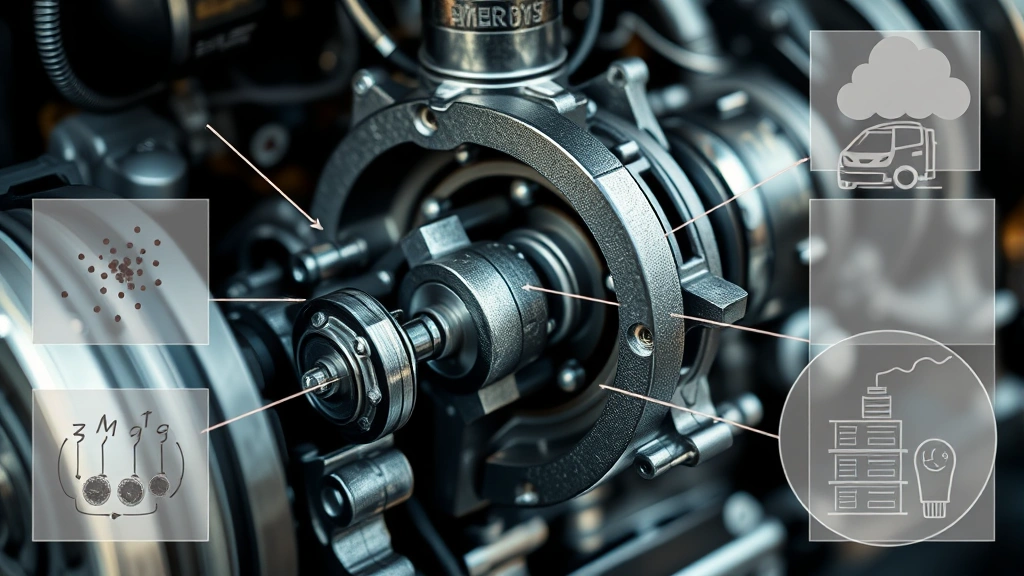
Calculating the true carbon footprint of gas scooters requires examining multiple lifecycle stages: fuel extraction and processing, manufacturing, distribution, operational use, and eventual disposal. Research from environmental organizations indicates that a typical gas scooter generates approximately 150-200 grams of CO2 per kilometer when considering well-to-wheel emissions.
For context, consider a daily commute of 10 kilometers. A gas scooter would generate roughly 1.5-2 kilograms of CO2 daily, or approximately 550-730 kilograms annually for a regular commuter. Over a scooter’s typical 5-7 year lifespan, this represents 2.75-5.1 metric tons of CO2 emissions. By comparison, electric scooters charged from renewable energy sources produce virtually zero operational emissions, while those charged from grid electricity generate only 20-40 grams of CO2 per kilometer.
The manufacturing phase also deserves attention. Producing a gas scooter requires resource extraction, component manufacturing, and assembly—processes that generate embodied carbon. However, this manufacturing carbon footprint (typically 30-50 kg CO2 equivalent) is offset relatively quickly due to the operational emissions disparity. An electric scooter’s manufacturing footprint is often higher initially, but its operational advantages mean it achieves carbon neutrality within 6-12 months of regular use.
Fuel efficiency varies considerably among gas scooter models. Premium four-stroke models might achieve 25-35 kilometers per liter, while less efficient two-stroke variants may only manage 15-20 kilometers per liter. This efficiency variation significantly impacts annual carbon emissions and operational costs. Current natural gas research exploring alternative fuel options shows limited applicability to scooter applications, leaving conventional gasoline as the primary fuel source.
Air Quality and Local Pollution Impact
While carbon footprint represents the global climate dimension, local air quality impacts pose immediate health consequences for urban populations. Gas scooters contribute directly to the formation of ground-level ozone and secondary organic aerosols—pollutants that degrade air quality in densely populated areas.
According to the EPA’s air quality standards, nitrogen oxides and volatile organic compounds are classified as criteria pollutants requiring strict regulation. A single gas scooter’s emissions may seem negligible, but urban centers with thousands of gas scooters create concentrated pollution zones, particularly in neighborhoods with heavy scooter traffic. These areas experience elevated PM2.5 levels, which the World Health Organization links to cardiovascular disease, respiratory infections, and premature mortality.
Two-stroke engine scooters prove especially problematic. These engines emit approximately 200-300 times more unburned hydrocarbons than modern automobiles. In some international markets, two-stroke scooters have been banned or heavily restricted precisely because their pollution contribution per vehicle exceeds that of cars. The particulate matter they emit includes ultrafine particles capable of penetrating deep into lung tissue, causing systemic inflammation and health complications.
Urban neighborhoods experiencing high gas scooter concentrations show measurable degradation in air quality metrics. Children living in these areas exhibit higher rates of asthma, reduced lung function development, and increased respiratory symptoms. Environmental justice concerns arise when gas scooters concentrate in lower-income neighborhoods, disproportionately exposing vulnerable populations to pollution.
Comparison with Electric Scooters
The environmental comparison between gas and electric scooters reveals stark differences across multiple sustainability dimensions. Electric scooters produce zero tailpipe emissions and generate 75-90% fewer lifecycle emissions than gas alternatives, even when charged from electricity grids powered partially by fossil fuels.
Energy efficiency represents a critical advantage for electric scooters. Electric motors convert 85-90% of electrical energy into mechanical motion, while internal combustion engines achieve only 20-30% efficiency. This fundamental physics advantage means electric scooters require substantially less energy input per kilometer traveled. When charged from renewable energy sources—increasingly common as grid electricity decarbonizes—electric scooters approach near-zero environmental impact.
Battery production does generate environmental costs, particularly in mining and processing lithium, cobalt, and other materials. However, battery recycling technologies continue advancing, with modern recycling facilities recovering 90%+ of battery materials. The environmental impact of battery production, distributed across a scooter’s 3-5 year lifespan, represents a fraction of the operational emissions difference between gas and electric alternatives.
Noise pollution represents another often-overlooked environmental factor. Gas scooters generate 70-85 decibels of noise during operation, contributing to urban noise pollution that affects sleep quality, increases stress hormones, and impairs cognitive function. Electric scooters operate nearly silently at 55-60 decibels, significantly reducing noise pollution in urban environments.
Maintenance requirements also differ substantially. Gas scooters require regular oil changes, spark plug replacements, and fuel system maintenance—processes generating waste and requiring resource-intensive manufacturing of replacement parts. Electric scooters need minimal maintenance beyond tire care and occasional brake servicing, reducing overall resource consumption and waste generation.
Manufacturing and Lifecycle Considerations
Comprehensive environmental assessment requires examining the complete product lifecycle, not merely operational emissions. Manufacturing a gas scooter involves extracting raw materials—steel, aluminum, plastics, rubber—and processing them into components. This extraction and processing phase generates significant environmental impacts including habitat disruption, water consumption, and chemical pollution.
A typical gas scooter weighs 80-120 kilograms and contains numerous components requiring specialized manufacturing processes. Steel production alone generates approximately 1.8 metric tons of CO2 per metric ton of steel produced. Aluminum manufacturing is energy-intensive, consuming 12-15 kilowatt-hours of electricity per kilogram. When multiplied across a scooter’s components, manufacturing-phase emissions become substantial.
Distribution networks add additional environmental costs. Scooters manufactured internationally must be transported via container ships, trucks, and air freight, each generating emissions proportional to distance and transport mode. Local manufacturing reduces distribution emissions but remains economically impractical in most markets.
The end-of-life phase presents disposal challenges. Gas scooters contain residual fuel, oil, and fuel system components requiring careful handling. Recycling rates for scooters remain low globally, with many units ending up in landfills where metals corrode, plastics persist for decades, and residual chemicals leach into soil and groundwater. Sustainable energy solutions increasingly emphasize circular economy principles, yet scooter manufacturers have been slow to adopt design-for-recycling approaches.
Material composition impacts end-of-life environmental outcomes. Scooters featuring aluminum frames and minimal plastic components recycle more efficiently than those with mixed materials bonded together. Designing scooters for disassembly—enabling straightforward component separation—significantly improves recycling efficiency and material recovery rates.
Regulatory Standards and Environmental Compliance
Environmental regulations governing gas scooter emissions vary dramatically across jurisdictions, reflecting different policy priorities and environmental concerns. The European Union enforces strict Euro 5 standards requiring gas scooters to emit no more than 50 milligrams of hydrocarbons and nitrogen oxides combined per kilometer. These standards have driven technological improvements in engine efficiency and emission control systems.
The United States lacks comprehensive federal scooter emission standards, leaving regulation primarily to state and local authorities. California, with its strict emission standards, has effectively eliminated two-stroke scooters from retail sales. Other states have adopted less stringent approaches, permitting higher-emission vehicles. This regulatory fragmentation means that scooters legal in one state may violate standards in another, creating market inefficiencies and environmental inconsistencies.
Many developing nations lack meaningful emission standards for scooters, resulting in widespread use of highly polluting two-stroke models. In Southeast Asia, India, and parts of Africa, gas scooters and motorcycles represent the dominant personal transportation mode, generating enormous aggregate emissions due to minimal regulatory oversight.
Emission control technologies including catalytic converters, particulate filters, and fuel injection systems improve gas scooter environmental performance but increase manufacturing costs by 20-40%. Manufacturers in price-sensitive markets often omit these technologies, prioritizing affordability over environmental performance. This creates a perverse incentive structure where the cheapest scooters prove most environmentally damaging.
Sustainable Transportation Alternatives
For environmentally conscious commuters, numerous alternatives to gas scooters offer superior sustainability profiles. Green technology innovations have made electric scooters, e-bikes, and other zero-emission options increasingly practical and affordable.
Electric Scooters: Modern electric scooters provide comparable convenience to gas models while generating 75-90% fewer lifecycle emissions. Battery technology continues improving, with newer models offering 40-60 kilometer ranges sufficient for most urban commutes. Charging costs typically represent 1-3 cents per kilometer compared to 8-12 cents for gasoline scooters.
E-Bikes: Electric bicycles combine human power with electric assistance, generating minimal emissions while providing health benefits through active transportation. E-bikes prove particularly effective for commutes under 20 kilometers and offer superior weather protection compared to scooters through cargo capacity and structural design flexibility.
Public Transportation: Buses, trams, and trains represent the most sustainable transportation options when fully occupied. Modern electric buses generate 50-70% fewer emissions than comparable private vehicle transportation. Transit systems require infrastructure investment but provide unmatched efficiency for high-volume commuting corridors.
Active Transportation: Walking and cycling represent zero-emission transportation modes offering health and community benefits. How to save energy at home strategies increasingly include reducing transportation-related energy consumption through active mobility adoption.
Shared Mobility: Car-sharing and ride-sharing services reduce per-capita emissions by distributing vehicle impacts across multiple users. Electric vehicle-based sharing services provide further environmental benefits, though sustainability depends critically on vehicle utilization rates and occupancy factors.
Evaluating alternatives requires considering individual circumstances including commute distance, weather conditions, physical capability, and personal preferences. A hybrid approach combining multiple transportation modes often proves most practical and sustainable. For example, combining public transit with an e-bike for final-mile connectivity reduces overall transportation emissions while maintaining flexibility.
Frequently Asked Questions
Are gas scooters worse for the environment than cars?
On a per-kilometer basis, gas scooters can actually generate comparable or higher emissions than modern cars when accounting for efficiency differences. However, scooters consume less total fuel due to their lighter weight and lower power requirements. The critical distinction involves emissions concentration—scooters operating in dense urban areas create localized pollution hotspots affecting air quality for pedestrians and nearby residents.
Can gas scooters be made more environmentally friendly?
Technological improvements including advanced catalytic converters, fuel injection systems, and particulate filters can reduce emissions by 30-50%. However, these improvements face economic constraints in price-sensitive markets and cannot eliminate the fundamental carbon emissions inherent to fossil fuel combustion. Electric conversion represents the most effective path toward genuine environmental improvement.
What is the environmental impact of gas scooter fuel production?
Gasoline production involves crude oil extraction, refining, and distribution—processes consuming significant energy and generating emissions. Refining alone produces approximately 10 kilograms of CO2 per barrel of crude oil processed. When added to operational emissions, the total well-to-wheel impact of gas scooters increases by 15-25% compared to direct combustion emissions alone.
How do gas scooter emissions compare to motorcycles?
Larger motorcycles typically feature more efficient engines and better emission control systems than scooters, resulting in 20-30% lower per-kilometer emissions. However, motorcycles’ greater power and weight offset these efficiency gains in many comparisons. Both remain substantially more polluting than electric alternatives.
Are there any environmental benefits to gas scooters?
Gas scooters generate minimal positive environmental attributes. They require less resource-intensive manufacturing than automobiles and consume less fuel per kilometer traveled. However, these marginal benefits pale in comparison to the superior environmental performance of electric scooters and other zero-emission alternatives. From a sustainability standpoint, gas scooters represent a transitional technology rather than an environmentally beneficial solution.
Should I replace my gas scooter with an electric model?
If feasible financially and practically, transitioning to an electric scooter provides substantial environmental benefits. Electric models generate 75-90% fewer lifecycle emissions, eliminate local air pollution, and reduce operational costs by 70-80%. Used electric scooter markets offer affordable entry points, while battery recycling programs minimize end-of-life environmental impact. Gas generator concepts similarly face displacement by renewable energy alternatives, reflecting broader technological transitions toward cleaner power sources.
What regulations exist for gas scooter emissions?
Regulations vary significantly by jurisdiction. The European Union enforces strict Euro 5 emission standards, California prohibits two-stroke models, while many developing nations lack meaningful standards. Check your local regulations to understand applicable emission requirements and potential future restrictions affecting gas scooter legality.
Do gas scooters qualify as sustainable transportation?
No, gas scooters do not qualify as sustainable transportation by any rigorous environmental definition. Sustainability requires minimal ecological impact across a product’s complete lifecycle while supporting long-term environmental and social wellbeing. Gas scooters generate substantial greenhouse gas and local air pollution, making them fundamentally incompatible with sustainability principles. Electric scooters and other zero-emission alternatives represent genuinely sustainable options.


