Best Gas Siphon Pump? Top Picks Reviewed for Safe Fuel Transfer
Gas siphon pumps are essential tools for anyone who needs to transfer fuel between containers safely and efficiently. Whether you’re managing equipment fuel, preparing for emergencies, or maintaining vehicles, choosing the right siphon pump can make a significant difference in your work. This comprehensive guide reviews the top gas siphon pumps available today, examining their features, safety ratings, and practical applications to help you make an informed decision.
As we increasingly focus on sustainability and responsible resource management, understanding how to properly handle and transfer fuel becomes more important. Even as the world transitions toward electric vehicles and alternative energy sources, many people still rely on gasoline-powered equipment, generators, and vehicles that require safe fuel handling practices.
What Is a Gas Siphon Pump and Why You Need One
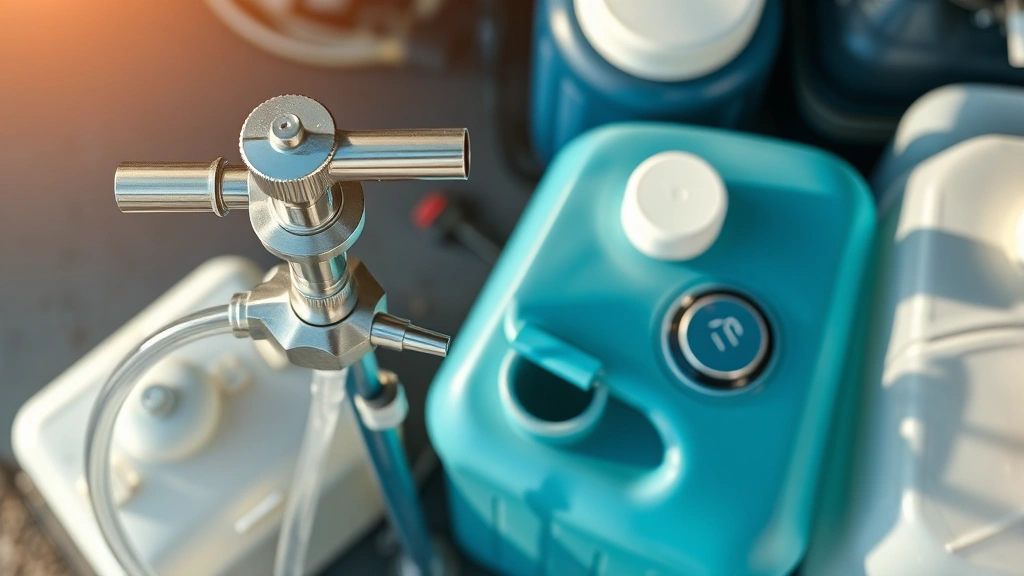
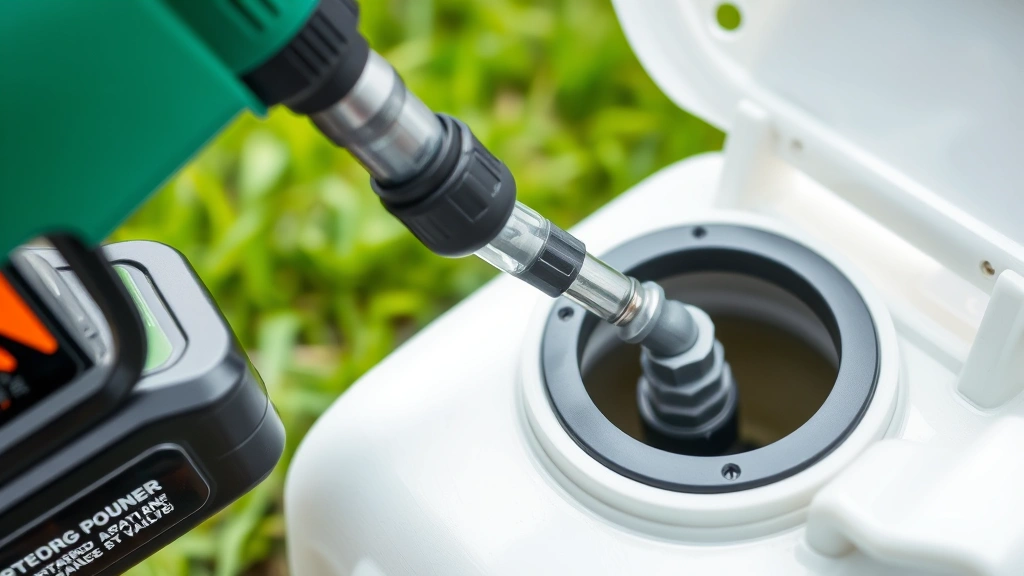
A gas siphon pump is a mechanical device designed to transfer liquid fuel from one container to another without spillage or vapor exposure. Traditional siphoning methods rely on gravity and manual suction, which pose significant health and safety risks. Modern siphon pumps eliminate these dangers by using manual or battery-powered mechanisms to create controlled fluid transfer.
These pumps serve multiple purposes across various scenarios. Homeowners use them for managing fuel in lawn equipment and generators. Vehicle owners employ them during emergencies or when transferring fuel between cars. Construction workers and equipment operators depend on siphon pumps for efficient fuel management at job sites. Understanding the mechanics and benefits of a quality gas siphon pump helps you select the right tool for your needs.
The importance of proper fuel transfer extends beyond convenience. The EPA emphasizes safe fuel handling practices to prevent environmental contamination and personal injury. Gasoline spills can contaminate groundwater, harm ecosystems, and create fire hazards. Using a reliable siphon pump significantly reduces these risks.
Top Gas Siphon Pump Models Reviewed
Manual Hand Pump Siphons represent the most affordable and reliable option for occasional users. These pumps feature a simple handle mechanism that creates pressure to move fuel from source to destination containers. The best manual pumps include one-way valves that prevent backflow and spillage. They require no electricity, making them ideal for emergency situations or remote locations. Most quality manual siphons cost between $15 and $40 and can transfer fuel at rates of 2-5 gallons per minute.
Battery-Powered Electric Siphon Pumps offer convenience and faster transfer rates for frequent users. These devices typically operate on 12V or rechargeable lithium batteries and can transfer fuel at 4-8 gallons per minute. Electric pumps reduce physical effort and provide consistent flow rates regardless of container height differences. Premium electric models include automatic shut-off features and LED indicators. Expect to invest $40-$100 for quality battery-powered options.
12V Car Cigarette Lighter Siphons connect directly to your vehicle’s power outlet, making them perfect for roadside emergencies. These pumps deliver reliable performance without requiring separate battery management. The direct power source ensures consistent operation, and most models include multiple nozzle attachments. Prices range from $30-$75 depending on build quality and included accessories.
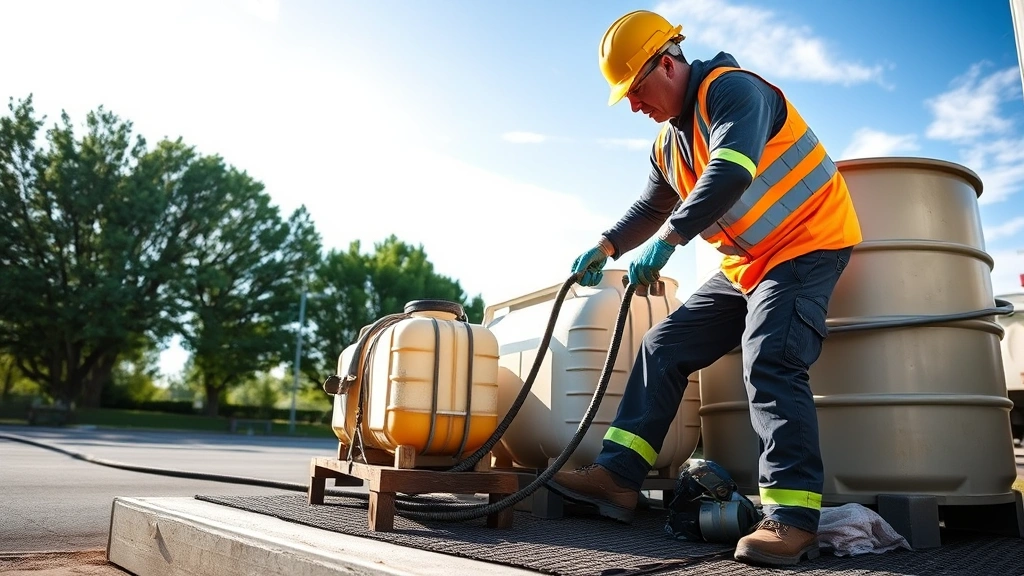
Heavy-Duty Professional Siphon Pumps cater to commercial applications, construction sites, and industrial facilities. These robust models handle high-volume fuel transfers with durable materials and enhanced safety features. Professional-grade pumps often include adjustable flow rates, longer hoses, and reinforced construction. Investment in professional equipment typically ranges from $75-$200.
Safety Features to Look For
When evaluating any gas siphon pump, prioritize models that include comprehensive safety features. One-way valve systems prevent backflow and siphoning reversal, protecting against accidental spills. Flame arrestors minimize ignition risks by filtering out vapors and static electricity. Anti-siphon nozzles stop fuel flow automatically when containers reach capacity, preventing overfilling.
Look for pumps constructed from chemical-resistant materials that won’t degrade when exposed to gasoline, diesel, or other petroleum products. Stainless steel components and food-grade plastic tubing offer superior durability and safety compared to standard materials. Grounding straps on professional models help dissipate static electricity, reducing fire hazards.
Quality siphon pumps feature clearly marked flow rates and transparent tubing sections that allow you to monitor fuel transfer progress. Ergonomic handles reduce hand fatigue during extended use, while adjustable nozzle tips accommodate various container shapes and sizes. Read manufacturer specifications carefully and verify that products meet NHTSA and EPA fuel system standards.
Consider pumps with shut-off valves that allow you to pause transfer without disconnecting hoses. Leak-proof connectors prevent drips and spills at connection points. Storage cases or carrying pouches protect your pump and keep accessories organized. Always verify that your chosen pump includes detailed safety instructions and follows industry best practices.
How to Choose the Right Siphon Pump
Selecting the ideal gas siphon pump depends on your specific needs and usage patterns. Begin by assessing frequency of use. Occasional users benefit from affordable manual pumps, while regular operators justify investment in electric models. Consider the volume of fuel you typically transfer. Larger quantities benefit from faster electric pumps, while small transfers work fine with manual options.
Evaluate your available power sources. If you work in locations without electricity access, manual or 12V car-powered pumps are essential. Battery-powered options work well in workshops or garages with charging facilities. Assess the types of containers you’ll be transferring fuel between. Different pump nozzles accommodate various opening sizes and shapes.
Review portability requirements. Compact manual pumps fit easily in vehicle trunks or tool kits. Electric pumps require more storage space but offer superior convenience. Consider hose length—longer hoses provide flexibility for awkward container positioning. Standard hoses measure 3-6 feet, while professional models extend to 10-15 feet.
Examine material quality and durability. Stainless steel components resist corrosion better than plastic or aluminum. Food-grade tubing withstands prolonged fuel exposure without degrading. Read customer reviews focusing on long-term reliability and warranty coverage. Reputable manufacturers offer 1-3 year warranties on their products. Compare prices across multiple retailers while prioritizing safety features over cost savings.
Check whether your pump comes with multiple nozzle attachments and hose extensions. Verify that replacement parts are readily available and reasonably priced. Research the manufacturer’s reputation by visiting Consumer Reports and similar review sites. Don’t compromise on safety features to save money—a quality pump pays for itself through reliability and reduced risk.
Installation and Usage Tips
Proper installation and usage of your gas siphon pump ensures safe, efficient fuel transfer. Begin by reading all manufacturer instructions thoroughly before your first use. Inspect the pump for damage or defects before operation. Ensure all connections are secure and hoses show no signs of cracks or deterioration.
Prepare your work area by clearing clutter and ensuring proper ventilation. Never use siphon pumps in enclosed spaces—fuel vapors accumulate quickly and create explosion hazards. Work outdoors or in well-ventilated garages with doors and windows open. Ground yourself by touching a metal part of the source container to dissipate static electricity.
Position containers appropriately for optimal gravity assistance. Place the source container higher than the destination when possible. This reduces pumping effort and accelerates transfer rates. Insert hoses carefully into containers, ensuring they reach the fuel level without touching the bottom. Submerge the intake hose fully in the source container while keeping the discharge hose above the destination container initially.
Start the pump slowly using smooth, controlled motions. Don’t force the handle or apply excessive pressure—quality pumps operate smoothly with moderate effort. Monitor the transfer continuously and watch for leaks at connection points. Many pumps include automatic shut-off features—never override these safety mechanisms.
Stop the transfer when the destination container approaches capacity. Allow fuel to drain from hoses back into the source container before disconnecting. Clean and dry all components thoroughly after use. Store your pump in a cool, dry location away from heat sources and direct sunlight. Maintain hoses carefully—replace them if you notice cracks, stiffness, or discoloration.
For sustainable energy management, consider minimizing fuel transfers by consolidating storage and using practices that reduce your environmental footprint. Modern alternatives to gas-powered equipment continue improving, offering better environmental outcomes.
Environmental Considerations
Fuel transfer operations, while sometimes necessary, carry environmental implications worth understanding. Gasoline spills contaminate soil and groundwater, harming ecosystems and making water unsafe for human consumption. A single gallon of gasoline can contaminate up to 750,000 gallons of water. Using a quality siphon pump significantly reduces spill risks and protects environmental health.
Fuel vapors released during transfer contribute to air pollution and ground-level ozone formation. Proper ventilation and quick transfer minimize vapor release. Never leave containers uncovered or allow fuel to sit in open containers. Spill containment materials like absorbent pads should always be nearby during fuel transfer operations.
Consider the broader context of fuel use in your operations. Transitioning away from gasoline-powered equipment represents the most effective long-term environmental solution. Battery-powered tools, electric vehicles, and renewable energy systems continue improving and becoming more affordable. Explore NREL’s renewable energy research and resources for information about sustainable alternatives.
If you must use gasoline, implement best management practices that minimize environmental impact. Keep fuel in proper containers with secure caps. Store fuel away from water sources and in well-ventilated areas. Dispose of fuel properly through licensed recycling facilities—never pour gasoline down drains or into soil. Support policies and practices that encourage net-zero energy transitions and renewable energy adoption.
FAQ
Can I use a gas siphon pump for diesel fuel?
Yes, most quality gas siphon pumps work with both gasoline and diesel fuel. However, verify compatibility with your specific pump model before use. Some pumps include additives or coatings optimized for gasoline, which may not perform as well with diesel. Always check manufacturer specifications to ensure your pump handles the fuel type you need to transfer.
How often should I replace the hose on my siphon pump?
Inspect hoses regularly for cracks, stiffness, or discoloration. Replace hoses every 2-3 years with regular use or immediately if you notice damage. Fuel exposure gradually degrades rubber and plastic materials. Replacement hoses are inexpensive compared to the cost of environmental cleanup from leaks caused by failed hoses.
Is it safe to siphon fuel from a vehicle into a jerry can?
Yes, using a proper siphon pump is safe for transferring fuel from vehicles to containers. Never use manual siphoning methods that require mouth suction—gasoline ingestion causes serious health problems. Always use a mechanical siphon pump with proper safety features, work outdoors, and follow all manufacturer instructions carefully.
What’s the fastest way to transfer large quantities of fuel?
Battery-powered or 12V electric siphon pumps offer the fastest transfer rates, typically 4-8 gallons per minute. For very large quantities, professional-grade pumps designed for commercial use provide even faster rates. Position containers to maximize gravity assistance and use the longest available hoses to reduce the number of pump cycles required.
Can I leave a siphon pump connected between containers?
No, never leave siphon pumps connected unattended. Fuel can continue siphoning due to gravity differences, leading to overfilling or spills. Always monitor the transfer process continuously and disconnect promptly when complete. Store pumps separately from fuel containers when not actively in use.


