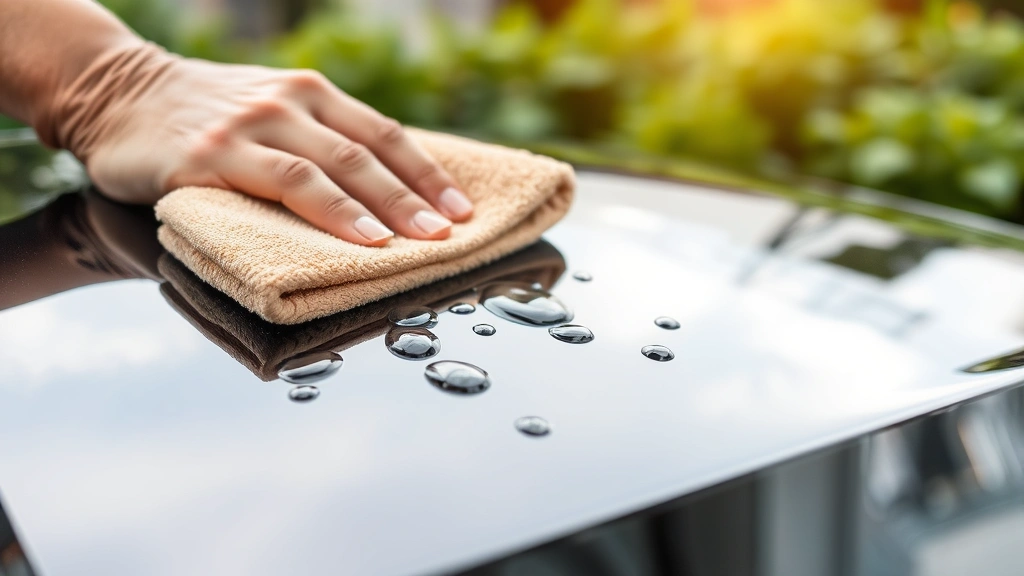
Eco-Friendly Car Wash Methods: Industry Insights on Sustainable Alternatives to Gas Station Washes
Traditional gas station car washes consume thousands of gallons of water annually while releasing harmful chemicals into our waterways. As environmental consciousness grows, the automotive industry faces mounting pressure to adopt sustainable practices that protect both vehicles and ecosystems. This comprehensive guide explores eco-friendly car wash alternatives, industry innovations, and actionable methods that reduce your environmental impact while keeping your car pristine.
The average American car wash uses 27-50 gallons of water per vehicle, with conventional facilities often discharging untreated wastewater containing phosphates, surfactants, and heavy metals directly into storm drains. By understanding sustainable car wash methods, you can make informed decisions that align with your values and contribute to meaningful environmental change.
Why Traditional Gas Station Car Washes Harm the Environment
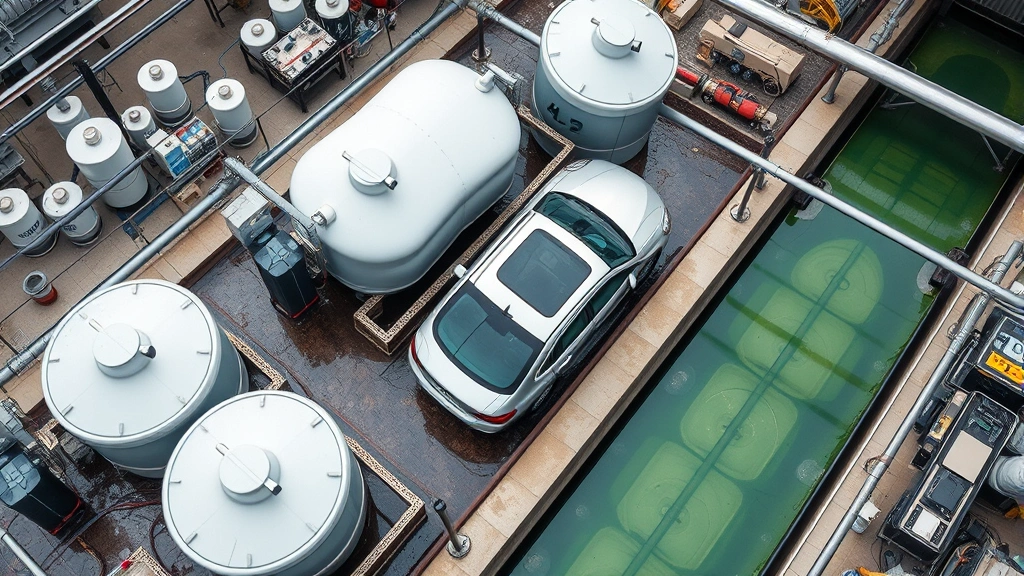
Conventional gas station car wash operations present significant environmental challenges that extend far beyond simple water waste. Most facilities lack proper wastewater treatment systems, allowing contaminated runoff to flow directly into municipal storm systems and natural waterways. This practice violates environmental protection standards and contributes to water pollution on a massive scale.
The chemicals used in standard car wash formulations include phosphates that trigger algal blooms, surfactants that harm aquatic life, and petroleum-based compounds that persist in ecosystems. Additionally, traditional facilities generate approximately 900 million gallons of wastewater annually across the United States alone. Many gas station washes operate without recirculation systems, meaning every vehicle wash requires fresh water extraction from already-stressed water supplies.
Consider exploring how to reduce your environmental footprint through transportation choices and maintenance practices. Vehicle maintenance, including proper washing techniques, significantly impacts your overall environmental impact. By transitioning to eco-friendly methods, you actively participate in reducing water pollution and chemical contamination.
Waterless Car Wash Technology
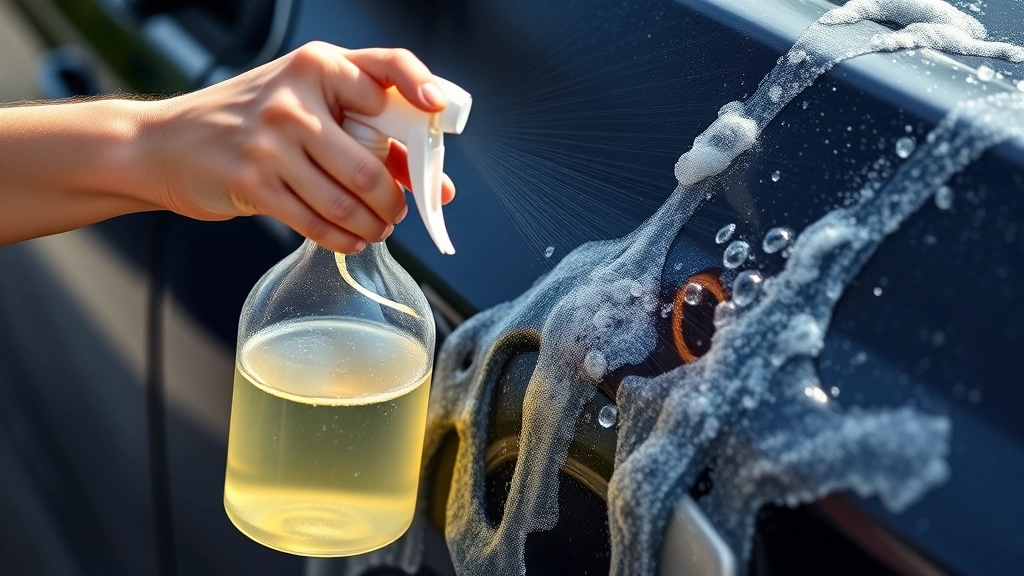
Waterless car wash technology represents one of the most innovative sustainable alternatives to traditional methods. These systems use specially formulated, biodegradable solutions combined with microfiber cloths to encapsulate dirt particles without requiring water. The encapsulation process lifts contaminants away from paint surfaces, preventing scratches while eliminating water waste entirely.
Modern waterless solutions typically contain natural waxes, polymers, and plant-based lubricants that provide protective coatings while cleaning. Premium formulations include carnauba wax derived from Brazilian palm trees and synthetic polymers that enhance paint protection and shine. These products work effectively on most vehicle types, from standard sedans to luxury vehicles, and can be applied in any weather condition.
The advantages of waterless systems extend beyond environmental benefits. Users report superior paint protection, reduced drying time, and convenience for apartment dwellers and those without yard access. A single waterless car wash uses approximately 1-2 gallons of water compared to 27-50 gallons for traditional facilities. Over a year, switching to waterless methods saves approximately 800-1,200 gallons per vehicle.
However, waterless methods work best on lightly to moderately soiled vehicles. Heavily contaminated vehicles may require pre-rinsing or combination approaches. Professional waterless car wash services have expanded significantly, with operators reporting 40% year-over-year growth as consumers prioritize sustainability.
Biodegradable and Plant-Based Cleaning Solutions
The chemistry of car wash products directly determines environmental impact. Biodegradable cleaning solutions break down naturally within weeks rather than persisting in ecosystems for years or decades. Plant-based formulations derived from coconut oil, citrus extracts, and vegetable proteins offer powerful cleaning action without synthetic chemicals that harm aquatic organisms.
Citrus-based degreasers contain limonene, a natural solvent that effectively dissolves grease and tar while remaining safe for waterways. Coconut-derived surfactants provide superior wetting and cleaning properties compared to traditional petroleum-based alternatives. These natural compounds biodegrade rapidly through microbial action, leaving no harmful residues in soil or water systems.
Look for products certified by the EPA’s environmental stewardship programs or carrying third-party certifications from organizations like Green Seal or EcoLogo. These certifications verify that products meet stringent environmental and health standards. Many eco-conscious manufacturers publish full ingredient transparency, allowing consumers to verify the absence of phosphates, ammonia, and harsh chemical compounds.
Investing in quality biodegradable products supports companies committed to sustainable practices. While slightly more expensive than conventional alternatives, plant-based solutions offer superior performance on modern clear-coat finishes and provide peace of mind regarding environmental responsibility. Learn more about green technology innovations shaping the automotive care industry.
Rinseless Car Wash Methods
Rinseless car wash systems represent a middle ground between waterless methods and traditional approaches. These techniques use specially formulated solutions with suspension polymers that trap dirt particles in the wash water, preventing re-deposition on paint surfaces. Rinseless methods require only 2-3 gallons of water per vehicle, reducing consumption by 90% compared to conventional washes.
The rinseless process involves applying diluted wash solution to small vehicle sections, agitating with microfiber towels, and buffing dry with clean microfiber cloths. The polymers in solution chemistry work to suspend contaminants as they’re lifted from paint surfaces. This approach proves particularly effective for vehicles with light to moderate dust and dirt accumulation.
Professional detailers increasingly adopt rinseless methods for multiple reasons: water conservation aligns with client values, reduced drying time increases throughput, and superior paint protection extends vehicle finish longevity. Many commercial operations now promote rinseless services as premium offerings, educating consumers about environmental benefits while commanding premium pricing that reflects true sustainability costs.
Rinseless systems work exceptionally well in water-restricted regions, apartment complexes with washing prohibitions, and areas experiencing drought conditions. The method requires minimal equipment investment, making it accessible for DIY enthusiasts and professional operators alike. Combine rinseless washing with sustainable energy solutions for vehicle maintenance and charging infrastructure.
Home Car Washing Best Practices
Responsible home car washing significantly reduces environmental impact compared to commercial facilities. If you must use water-based washing at home, position your vehicle on permeable surfaces like gravel or lawn rather than concrete or asphalt. This allows water to infiltrate soil where natural filtration processes remove contaminants before groundwater contamination occurs.
Use only biodegradable, phosphate-free soaps specifically formulated for vehicles. Standard household detergents contain high phosphate concentrations and harsh surfactants inappropriate for automotive finishes. Dedicated car wash products balance cleaning effectiveness with environmental safety and paint compatibility.
Implement these home washing techniques:
- Pre-rinse efficiently: Use a hose with shut-off nozzle to minimize water flow while loosening loose debris
- Bucket washing: Fill two buckets—one soapy, one rinse-only—to prevent dirt from circulating back onto paint
- Two-towel method: Use separate microfiber cloths for washing and drying to avoid dragging contaminants across paint
- Wash top-to-bottom: Gravity naturally moves dirtier water downward, preventing recontamination of clean areas
- Minimize rinsing: Reduce water usage by pre-soaking sections and using concentrated rinsing rather than continuous spray
- Dry strategically: Microfiber towels absorb water efficiently, reducing runoff volume
Consider adopting waterless or rinseless methods for regular maintenance, reserving traditional washing for heavily soiled vehicles. This hybrid approach balances cleanliness with conservation. Explore how to save energy at home and extend these principles to vehicle maintenance routines.
Professional Eco-Certified Facilities
Premium eco-certified car wash facilities invest in water recirculation systems, advanced filtration, and proper wastewater treatment. These operations capture and filter wash water for reuse, reducing consumption to 5-10 gallons per vehicle while maintaining cleaning effectiveness. Water recycling systems remove suspended solids, oils, and contaminants before water returns to wash systems or appropriate disposal channels.
Certified facilities implement comprehensive environmental management systems addressing water conservation, chemical safety, and waste reduction. Many operations achieve water-neutral status through recirculation efficiency, meaning wash water consumption approaches zero after accounting for recycling and reuse. These facilities typically display third-party certifications from environmental organizations, providing transparent accountability.
When selecting professional car wash services, verify:
- Water recirculation systems: Ask about filtration technology and recycling capacity
- Chemical certifications: Confirm use of biodegradable, phosphate-free products
- Wastewater treatment: Inquire about proper disposal of treated effluent
- Industry certifications: Look for membership in professional associations promoting sustainability
- Environmental policies: Request documentation of conservation practices and emission reduction
Professional eco-facilities often charge premium prices reflecting true environmental costs and superior service quality. This pricing transparency educates consumers about the actual expense of sustainable operations versus artificially cheap conventional washes that externalize environmental costs onto society.
Industry Standards and Certifications
The International Car Wash Association and similar professional organizations establish environmental standards for sustainable operations. Many jurisdictions now require car wash facilities to implement water recycling systems and proper wastewater treatment, recognizing that voluntary compliance insufficient to protect water resources.
Leading certifications include:
- Green Seal Certification: Verifies compliance with strict environmental, health, and safety standards for car wash operations and products
- EcoLogo Certification: Confirms that facilities meet rigorous environmental performance criteria and reduce impact throughout product lifecycles
- Water Stewardship Council: Recognizes operations demonstrating responsible water management and conservation practices
- ISO 14001: Indicates comprehensive environmental management systems meeting international standards
Research from the EPA’s wastewater management division demonstrates that certified facilities reduce water pollution by 95% compared to conventional operations. Visit the California Water Boards website for regional standards and facility certifications. The American Chemistry Council provides resources on sustainable chemical formulations in automotive care.
Industry leaders report that certification investments yield returns through operational efficiency, customer loyalty, and reduced regulatory compliance costs. Facilities implementing best practices typically reduce operating expenses by 15-20% through water recycling and chemical efficiency while attracting environmentally conscious consumers willing to pay premium prices.
Cost-Benefit Analysis of Green Car Washing
Transitioning to eco-friendly car wash methods requires initial investment but generates substantial long-term savings. Waterless and rinseless products cost $15-30 per application compared to $8-15 for conventional washes, yet provide superior paint protection extending finish longevity by 2-3 years. This extended protection reduces repainting expenses and maintains vehicle resale value more effectively than conventional washing.
Professional eco-certified facilities typically charge $18-35 per wash compared to $10-20 at conventional gas stations. The premium reflects actual operational costs of water recycling, proper chemical disposal, and superior service quality. Over five years, the cost difference amounts to $200-400 per vehicle, while conventional washes cause approximately $500-800 in paint damage requiring professional restoration.
Environmental cost externalities present compelling economic arguments for sustainable methods. Water pollution remediation costs taxpayers approximately $15 billion annually in the United States, with car wash runoff contributing significantly. By adopting eco-friendly practices, consumers avoid contributing to these societal costs while protecting personal vehicle investments.
Long-term benefits of green car washing include:
- Extended paint finish lifespan reducing repainting costs
- Improved vehicle resale value through superior condition maintenance
- Protection against water-borne contaminants damaging clear coats
- Reduced environmental liability through proper chemical handling
- Support for sustainable business practices and innovation
For advantages of electric vehicles and sustainable transportation, eco-friendly maintenance practices complement vehicle choice decisions. Electric vehicle owners particularly benefit from waterless and rinseless methods, as these vehicles require less frequent maintenance and benefit from protective coatings that extend battery component longevity.
FAQ
What makes waterless car wash safe for vehicle paint?
Waterless solutions contain suspension polymers and natural waxes that encapsulate dirt particles without scratching clear coats. Microfiber cloths provide gentle contact surfaces, and formulations include lubricants preventing friction damage. Professional-grade products undergo rigorous testing on various paint types, ensuring compatibility and safety.
Can I use regular household soap for car washing?
Standard household detergents contain high phosphate concentrations and harsh surfactants that strip protective wax coatings and damage clear coats. Dedicated car wash products balance cleaning effectiveness with paint safety and environmental responsibility. Always use formulations specifically designed for automotive finishes.
How often should I wash my car using eco-friendly methods?
Most vehicles benefit from washing every 2-4 weeks depending on environmental conditions. Waterless and rinseless methods can be safely applied weekly without damaging paint, while traditional water-based washing should occur no more than twice monthly. Frequency depends on exposure to salt, industrial fallout, and weather conditions.
Are eco-certified car wash facilities more expensive?
Eco-certified facilities typically charge 20-40% premiums reflecting true operational costs and superior service quality. These prices accurately represent water recycling infrastructure, proper chemical disposal, and environmental compliance. Cost differences disappear when accounting for paint protection benefits and extended vehicle finish longevity.
What certifications indicate genuinely sustainable car wash operations?
Look for Green Seal, EcoLogo, ISO 14001, or Water Stewardship Council certifications. These third-party verifications indicate compliance with rigorous environmental standards. Request facility documentation of water recycling capacity, chemical certifications, and wastewater treatment procedures.
Can waterless car wash damage vehicle paint?
Professional-grade waterless products with high-quality microfiber cloths do not damage paint when applied correctly. Improper technique using low-quality solutions or rough cloths may cause swirl marks. Always follow manufacturer instructions and use dedicated automotive microfiber cloths rated for paint application.
What environmental impact do traditional gas station car washes have?
Conventional facilities consume 27-50 gallons of water per vehicle, discharge untreated wastewater containing phosphates and heavy metals into storm systems, and contribute to algal blooms and aquatic ecosystem damage. Annually, traditional car washes generate approximately 900 million gallons of contaminated wastewater across the United States.
How do rinseless methods prevent dirt recontamination?
Rinseless solutions contain suspension polymers that trap dirt particles, preventing them from resettling on paint surfaces. The chemistry of these formulations works differently from traditional soap and water, using chemical bonding rather than physical rinsing to remove contaminants from vehicle finishes.