Are Gas Stations Sustainable? Industry Insights and Future Perspectives
Gas stations have been the backbone of transportation infrastructure for over a century, but their sustainability credentials are increasingly under scrutiny. As climate change accelerates and environmental consciousness grows, the question isn’t whether gas stations can survive—it’s whether they can transform into truly sustainable fueling hubs. The traditional gas station model relies on fossil fuels, which contribute significantly to greenhouse gas emissions and air pollution. However, the industry is at a crossroads, with many operators investing in cleaner technologies and alternative fuel options to meet evolving consumer demands and regulatory requirements.
The sustainability of gas stations extends beyond the fuel they dispense. It encompasses everything from operational practices and supply chain management to the environmental impact of fuel extraction, refinement, and combustion. Understanding these complexities requires examining both the current state of the industry and the innovations reshaping how we fuel our vehicles. This comprehensive guide explores whether gas stations can achieve genuine sustainability and what changes are necessary for the future.
The Current Environmental Impact of Traditional Gas Stations
Traditional gas stations present a complex sustainability challenge. The fuel pump at your local station represents the final link in a long supply chain that begins with oil extraction and refining—processes with substantial environmental consequences. Fossil fuel combustion from vehicles fueled at these stations accounts for approximately 27% of U.S. greenhouse gas emissions, making the transportation sector one of the largest contributors to climate change.
Beyond direct emissions, gas stations themselves generate environmental concerns. Fuel storage tanks can leak, potentially contaminating groundwater and soil. Vapor emissions during fuel transfer contribute to air pollution and ozone formation. Spills and improper handling of hazardous materials pose risks to local ecosystems. Additionally, the construction and maintenance of gas station infrastructure often requires significant land use, frequently in areas that could support green spaces or natural habitats.
The carbon footprint of gasoline extends throughout its lifecycle. Extraction of crude oil involves drilling, which disrupts ecosystems and requires energy. Refining processes consume substantial electricity and generate waste. Transportation of fuel to stations adds additional emissions. When customers purchase fuel, they’re participating in a supply chain with deep environmental costs—costs that traditional gas stations do little to offset or mitigate.

Operational Sustainability Challenges
Running a gas station sustainably presents operational hurdles that many traditional stations haven’t adequately addressed. Most gas stations operate with minimal environmental management systems. Stormwater runoff from station forecourts can carry fuel residue, oil, and other pollutants into local waterways. Many stations lack proper containment systems or environmental monitoring protocols.
Energy consumption at gas stations is another overlooked factor. Lighting, air conditioning, refrigeration for convenience stores, and pumping equipment consume electricity throughout the day and night. Most stations rely on grid power sourced from conventional energy mixes, meaning their operations indirectly support fossil fuel generation. A truly sustainable energy solution would require stations to transition to renewable power sources.
Waste management at gas stations creates additional environmental burdens. Convenience stores generate packaging waste, plastic bags, and discarded food items. Oil changes and maintenance services produce hazardous waste requiring special disposal. Many stations haven’t implemented comprehensive recycling programs or waste reduction strategies. The convenience culture that gas stations promote—single-use cups, plastic bottles, and packaged snacks—directly contradicts sustainability principles.
Supply chain practices also warrant examination. The products sold at gas stations, from snacks to cleaning supplies, often come from companies with questionable environmental records. Stations rarely prioritize sourcing from sustainable suppliers or offering eco-friendly product alternatives. This represents a missed opportunity to promote reducing your environmental footprint at the consumer level.
The Rise of Alternative Fuel Infrastructure
The sustainability conversation around gas stations is evolving as alternative fuels gain traction. Hydrogen fuel cells, biofuels, and compressed natural gas (CNG) represent potential bridges between traditional fossil fuels and fully renewable energy systems. Some forward-thinking gas stations are beginning to offer these alternatives, though infrastructure remains limited.
Hydrogen fuel stations, while still rare, represent a promising long-term solution. Hydrogen combustion produces only water vapor as a byproduct, making it theoretically emission-free. However, current hydrogen production methods often rely on natural gas reforming, which generates carbon emissions. Green hydrogen, produced through electrolysis powered by renewable electricity, offers true sustainability but remains expensive and infrastructure-limited.
Biofuels like ethanol and biodiesel can reduce lifecycle carbon emissions compared to petroleum-based fuels. Some gas stations already offer E10 (10% ethanol) or higher ethanol blends. However, biofuel sustainability depends heavily on feedstock sourcing. Corn-based ethanol, for instance, raises concerns about agricultural land use, pesticide application, and food security. Advanced biofuels from algae or waste materials show more promise but aren’t yet widely available.
Compressed natural gas (CNG) provides lower emissions than gasoline and is increasingly available at select stations. While CNG combustion produces fewer pollutants, natural gas is still a fossil fuel with associated extraction and methane leakage concerns. It represents a transitional fuel rather than a long-term sustainable solution.
Electric Vehicle Charging Integration
The most significant shift in gas station sustainability involves integrating electric vehicle (EV) charging infrastructure. Leading gas station operators recognize that their survival depends on adapting to the EV revolution. Many major chains are installing charging stations alongside traditional fuel pumps, positioning themselves as comprehensive mobility hubs.
The advantages of electric vehicles extend beyond reduced emissions—they represent a fundamental reimagining of transportation energy. When charged with renewable electricity, EVs produce zero direct emissions. Gas stations installing EV chargers acknowledge this shift and position themselves for long-term relevance. However, the transition involves significant capital investment and requires access to reliable electrical infrastructure.
The sustainability of EV charging depends on the electricity grid’s energy mix. In regions with substantial renewable energy generation, EV charging is genuinely clean. In areas relying on fossil fuel power plants, the environmental benefit diminishes but remains superior to gasoline combustion. As grids transition toward renewable sources, the sustainability case for EV charging strengthens considerably.
Integration of EV charging at gas stations creates interesting hybrid spaces. Customers can charge while shopping at convenience stores, transforming the traditional gas station model into a modern mobility center. However, this requires rethinking station design, power infrastructure, and customer experience. Early adopters investing in this transition position themselves as leaders in sustainable transportation infrastructure.
Green Technology Innovations at Gas Stations
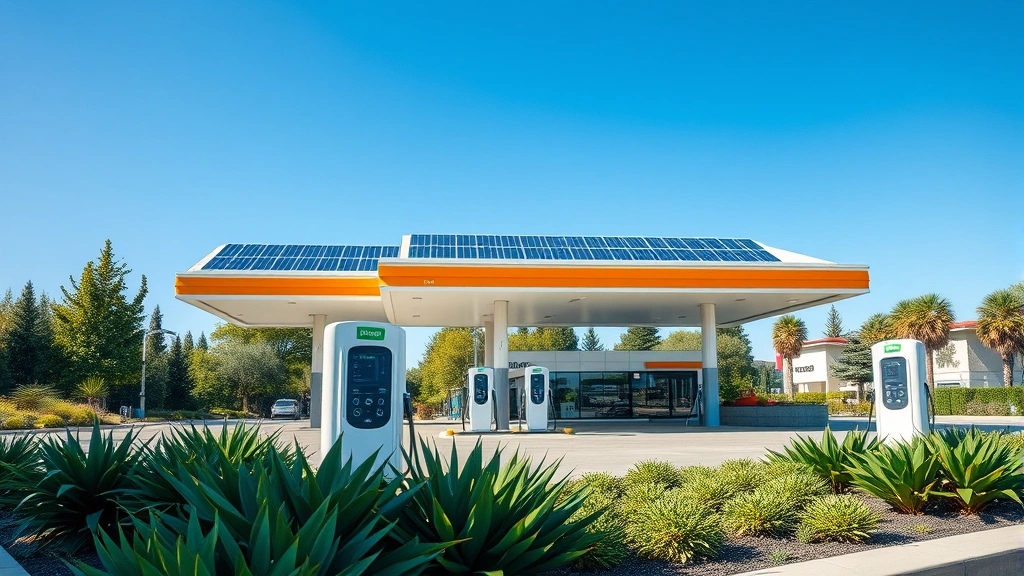
Innovative gas stations are implementing green technology innovations transforming the industry. Solar panels on station roofs generate clean electricity for operations and EV charging. Smart lighting systems reduce energy consumption through motion sensors and LED technology. Some stations have installed rainwater harvesting systems for landscaping and cleaning.
Advanced fuel vapor recovery systems minimize emissions during refueling. These technologies capture fuel vapors that would otherwise escape into the atmosphere, reducing both air pollution and product loss. While not revolutionary, vapor recovery represents practical environmental improvement available with current technology.
Some innovative stations have implemented electric vehicle support infrastructure including battery storage systems. These allow stations to manage charging loads efficiently and provide backup power during grid disruptions. Combined with on-site solar generation, battery storage creates more resilient and sustainable fueling infrastructure.
Digital innovations also contribute to sustainability. Mobile apps help customers locate nearby charging stations or alternative fuels. Real-time data on fuel quality and pricing empowers informed purchasing decisions. Some stations use data analytics to optimize operations, reducing waste and improving efficiency. These technological advances, while not addressing fundamental sustainability concerns about fossil fuels, demonstrate industry commitment to incremental improvements.
Regulatory Pressures and Compliance
Government regulations increasingly push gas stations toward sustainability. The EPA establishes fuel quality standards and emissions regulations that gas stations must comply with. State and local regulations vary significantly, with California and other progressive states imposing stricter environmental requirements.
European regulations are particularly stringent. The European Union’s fuel quality directive and renewable energy directives mandate increasing renewable fuel blending percentages. Gas stations in Europe must offer charging infrastructure for electric vehicles, driving industry transformation. These regulatory frameworks demonstrate how policy can accelerate sustainability transitions.
Carbon pricing mechanisms and emissions trading systems create financial incentives for stations to reduce their environmental impact. As these policies become more prevalent globally, traditional fossil fuel-dependent business models face increasing financial pressure. Stations investing in alternative fuels and renewable energy position themselves advantageously within this regulatory landscape.
However, regulatory compliance alone doesn’t guarantee sustainability. Many regulations focus on incremental improvements rather than fundamental transformation. True sustainability requires going beyond minimum compliance to embrace comprehensive environmental responsibility and carbon neutrality goals.
The Transition to Sustainable Fuel Options
The most honest assessment of gas station sustainability must acknowledge that selling fossil fuels, regardless of operational improvements, fundamentally contradicts environmental goals. The transition to sustainable fuel options represents the only genuine path to sustainability for the industry.
This transition is already underway. Major oil companies are investing in renewable energy, biofuels, and hydrogen infrastructure. Gas station networks are gradually shifting toward multimodal fuel offerings. However, the pace of change remains insufficient to meet climate targets. According to International Energy Agency projections, fossil fuel demand must decline dramatically to achieve net-zero emissions.
For consumers, this transition creates opportunities to reduce their environmental impact. Choosing electric vehicles eliminates direct emissions from transportation. Selecting biofuel blends reduces carbon intensity compared to pure gasoline. Supporting stations investing in renewable energy and charging infrastructure accelerates industry transformation.
The business case for this transition is strengthening. Electric vehicle adoption is accelerating, with projections suggesting EVs will dominate new vehicle sales within 20 years. Gas stations clinging to traditional models risk obsolescence. Those investing in charging infrastructure, alternative fuels, and renewable energy position themselves for long-term viability in a decarbonizing economy.
Consumer Behavior and Market Demand
Consumer preferences increasingly favor sustainability, creating market pressure for gas stations to transform. Surveys consistently show that customers value environmental responsibility and are willing to support businesses demonstrating genuine commitment to sustainability. This consumer demand represents perhaps the most powerful driver of industry change.
The rise of EV adoption reflects shifting consumer priorities. As more customers drive electric vehicles, they seek charging infrastructure at convenient locations like gas stations. This demand creates financial incentives for station operators to invest in charging technology. Consumer choice literally reshapes the industry landscape.
However, consumer behavior remains complex. Many drivers continue choosing vehicles powered by fossil fuels, influenced by cost, convenience, and habit. Gas stations respond to these preferences by maintaining traditional fuel offerings. Breaking this cycle requires sustained commitment to supporting sustainable transportation alternatives and making them genuinely convenient and affordable.
Younger consumers demonstrate stronger sustainability preferences, suggesting market demand for sustainable gas stations will intensify over time. Millennials and Generation Z show greater willingness to adopt electric vehicles and support environmentally responsible businesses. Gas station operators recognizing this demographic shift position themselves for future market relevance.
Beyond fuel choices, consumers influence sustainability through their purchasing decisions at station convenience stores. Demanding sustainable products, refusing single-use plastics, and supporting stations with comprehensive recycling programs creates incentives for operational improvements. Consumer activism, while sometimes overlooked, powerfully drives industry transformation.
FAQ
Are gas stations becoming more sustainable?
Yes, many gas stations are investing in sustainability improvements, particularly through EV charging infrastructure, renewable energy, and alternative fuel offerings. However, progress remains uneven across the industry. Some stations lead with comprehensive sustainability initiatives, while others maintain traditional business models. The overall industry is transitioning, but the pace must accelerate to meet climate goals.
Can traditional gas stations ever be truly sustainable?
Traditional gas stations selling exclusively fossil fuels cannot achieve true sustainability, as combustion of these fuels generates greenhouse gas emissions regardless of operational improvements. Sustainability requires transitioning to renewable or zero-emission energy sources. Gas stations can reduce their environmental impact through operational changes, but fundamental transformation toward alternative fuels and charging infrastructure is necessary for genuine sustainability.
What should consumers do to support sustainable gas stations?
Support stations offering EV charging, alternative fuels, and renewable energy. Choose electric vehicles when possible, or select high-efficiency vehicles if gasoline remains necessary. At gas stations, minimize convenience store purchases, refuse single-use plastics, and participate in recycling programs. Advocate for policies supporting sustainable transportation infrastructure. Your consumer choices directly influence which business models succeed.
When will gas stations disappear?
Complete disappearance of traditional fuel stations will take decades. However, their role will diminish significantly as vehicle electrification accelerates. Projections suggest that by 2050, fossil fuel vehicles may represent only a small portion of the fleet. Many current gas stations will transform into EV charging hubs, multimodal mobility centers, or other uses. The transition will be gradual but ultimately transformative.
How do I find sustainable gas stations?
Use apps and websites tracking EV charging infrastructure and alternative fuel stations. Check individual station websites for information about their sustainability practices. Look for stations certified by environmental organizations or participating in sustainability programs. Supporting chains investing in renewable energy and comprehensive environmental management sends market signals favoring sustainable practices.
What role do gas stations play in climate change?
Gas stations facilitate the consumption of fossil fuels, which represent the primary driver of climate change. The fuel purchased at stations, when combusted, releases greenhouse gases contributing to atmospheric carbon accumulation. While gas stations themselves aren’t the root cause, they’re essential infrastructure enabling the transportation emissions driving climate change. Reducing transportation emissions requires transitioning away from fossil fuel-dependent stations toward sustainable alternatives.


