Healthy Gas Station Snacks? Nutritionist’s Picks for Better On-the-Go Choices
Finding nutritious options at gas stations might seem like an impossible task, but it doesn’t have to be. Whether you’re on a long road trip, commuting to work, or simply need a quick bite between meetings, gas stations increasingly stock healthier alternatives to the typical processed snacks. The key is knowing what to look for and understanding how your food choices impact both your health and the environment.
As a nutritionist, I’ve helped countless clients navigate convenience store aisles and discover satisfying snacks that won’t leave them feeling sluggish or guilty. The good news? You don’t need to sacrifice nutrition for convenience. By making informed choices about gas station snacks, you can fuel your body properly while supporting sustainable food practices. In this guide, I’ll share my top picks for healthy gas station snacks and explain the nutritional science behind why they work.
Why Gas Station Snack Choices Matter
The average American spends considerable time on the road, making gas station snacking a significant part of daily nutrition. What you choose during these convenience stops directly impacts your energy levels, weight management, and long-term health outcomes. When you grab highly processed snacks loaded with refined sugars and unhealthy fats, you experience a rapid blood sugar spike followed by an energy crash—exactly what you don’t need during a drive or busy workday.
Beyond personal health, your snacking choices have environmental implications. Conventional snack production often involves resource-intensive agriculture, excessive packaging, and long supply chains. By selecting environmentally conscious snack options, you’re participating in a larger movement toward sustainable consumption. Many gas stations now recognize this demand and are stocking better-for-you alternatives that also align with eco-friendly principles.
Understanding the nutritional profile of available snacks empowers you to make choices that serve your body and support your wellness goals. Most healthy gas station snacks contain adequate protein, fiber, and healthy fats—nutrients that promote satiety and stable energy throughout your day.

Top Protein-Packed Options
Protein is essential for muscle maintenance, hormone production, and sustained energy. When selecting protein-rich gas station snacks, look for options containing at least 10 grams of protein per serving.
Beef Jerky and Meat Sticks: Quality beef jerky and grass-fed meat sticks are excellent portable protein sources. Choose brands that minimize added sugars and sodium. Look for jerky made from humanely raised cattle—many premium brands now highlight their sourcing practices. These snacks provide up to 15 grams of protein in a single serving.
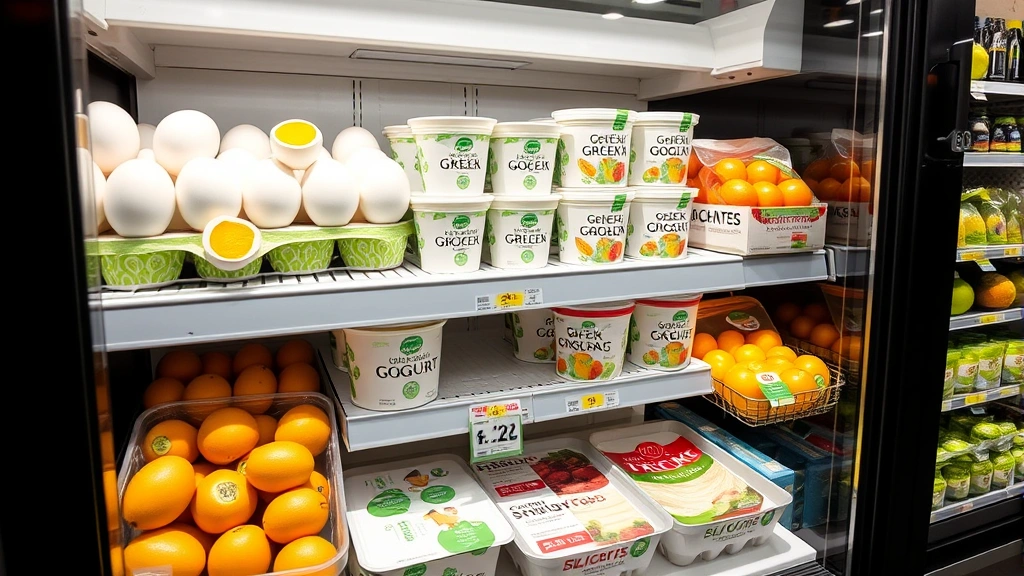
Hard-Boiled Eggs: Increasingly common at modern gas stations, hard-boiled eggs offer complete protein with all nine essential amino acids. One egg contains about 6 grams of protein and keeps you satisfied for hours. The packaging is minimal, making it an eco-friendly choice.
Greek Yogurt: Many convenience stores now carry individual Greek yogurt cups. With 15-20 grams of protein per serving, Greek yogurt provides probiotics for digestive health. Choose unsweetened varieties and add your own fruit if desired.
Protein Bars: Select bars with real ingredients you can recognize. Aim for options containing 15-20 grams of protein, less than 5 grams of added sugar, and whole food ingredients like nuts and seeds rather than artificial sweeteners.
Cheese and Nuts: String cheese paired with almonds creates a balanced snack combining protein, healthy fats, and minimal processing. This combination stabilizes blood sugar and provides sustained energy.
Best Nut and Seed Selections
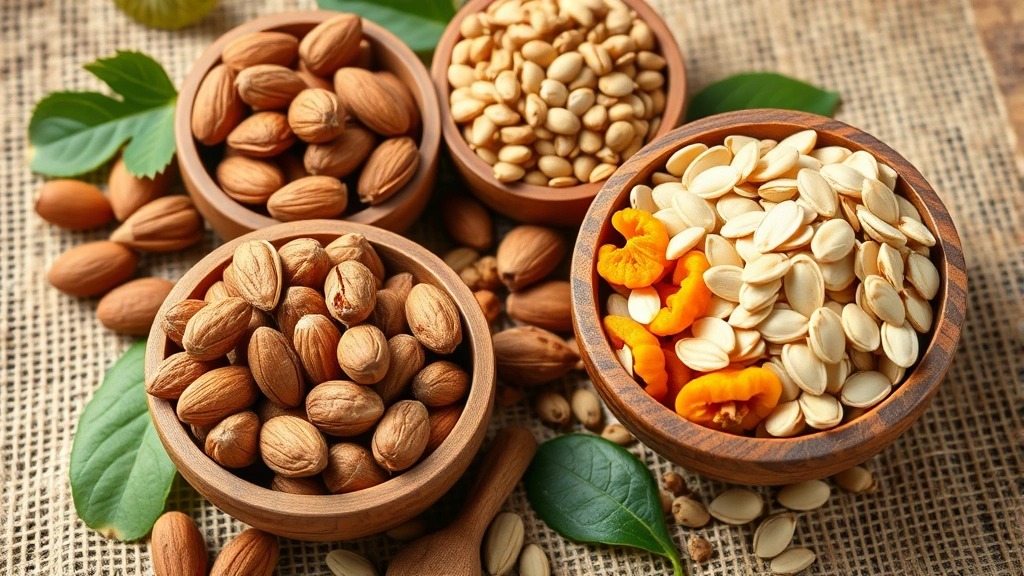
Nuts and seeds are nutritional powerhouses packed with protein, healthy fats, fiber, and essential minerals. They’re ideal gas station snacks because they require no preparation and store easily.
Mixed Nuts: Unsalted or lightly salted mixed nuts provide diverse nutrients. Almonds offer vitamin E and magnesium, walnuts contain omega-3 fatty acids, and cashews provide copper. A small handful (about 1 ounce) provides approximately 6 grams of protein and 4 grams of fiber.
Pumpkin Seeds: Often overlooked, pumpkin seeds deliver impressive nutritional value with 9 grams of protein per ounce. They’re rich in magnesium, manganese, and phosphorus. Look for roasted varieties without excessive oil or salt.
Sunflower Seeds: These seeds provide selenium, a mineral crucial for thyroid function. They’re portable, affordable, and available at virtually every gas station. Choose in-shell varieties for a slower eating pace that promotes satiety.
Trail Mix: Select trail mixes with minimal dried fruit and chocolate. The best options combine nuts, seeds, and a small amount of dried fruit without added sugars or artificial ingredients. Homemade trail mix is ideal, but quality store-bought versions work well too.
Nut Butters: Individual peanut or almond butter packets pair perfectly with apple slices or whole grain crackers. Two tablespoons provide 7-8 grams of protein and healthy monounsaturated fats that support heart health.
Fruit and Vegetable Snacks
Fresh produce provides vitamins, minerals, antioxidants, and fiber with minimal processing. While fresh fruit availability varies by location, most gas stations now carry several healthy options.
Fresh Fruit: Bananas are ideal—portable, naturally packaged, and rich in potassium and B vitamins. Apples provide fiber and polyphenols. Oranges and clementines offer vitamin C and are naturally portioned. These whole foods contain no added ingredients and minimal packaging.
Dried Fruit: Unsweetened dried fruit like raisins, cranberries, and apricots provides concentrated nutrients and natural sweetness. However, watch portions since dried fruit is calorie-dense. Pair with nuts for balanced macronutrients.
Vegetable Sticks: Pre-packaged carrot sticks, celery, and bell peppers are increasingly available. These vegetables are low in calories, high in fiber, and provide essential vitamins. Pair with hummus or nut butter for added protein and satiety.
Vegetable Chips: While not equivalent to fresh vegetables, baked vegetable chips made from real produce offer more nutrition than traditional potato chips. Look for options with minimal oil and salt.
When selecting produce, consider the carbon footprint of transport. Sustainable food sourcing increasingly influences how we choose our snacks, favoring locally grown options when available.
Whole Grain Alternatives
Whole grains provide sustained energy through complex carbohydrates and fiber. They keep blood sugar stable and support digestive health. Several whole grain gas station snacks deserve your attention.
Whole Grain Crackers: Look for crackers made from whole wheat, oats, or seeds. These contain more fiber and nutrients than refined white crackers. Pair with cheese or nut butter for complete nutrition.
Popcorn: Air-popped popcorn is an underrated healthy snack containing fiber and antioxidants. Many gas stations stock individual popcorn bags. Choose lightly salted varieties without artificial butter flavoring. Popcorn provides 3-4 grams of fiber per 3-cup serving.
Granola and Oat Bars: Select bars made with rolled oats, nuts, and minimal added sugar. These provide fiber, complex carbohydrates, and sustained energy. Avoid bars loaded with honey, chocolate, or high-fructose corn syrup.
Whole Grain Bread: Some gas stations carry whole grain bread or rolls. These provide B vitamins, fiber, and sustained energy. Pair with cheese or nut butter for added protein.
Brown Rice Cakes: These provide a light, crunchy option lower in calories than traditional crackers. Top with nut butter or cheese for balanced nutrition.
Hydration and Beverage Choices
Proper hydration is crucial for sustained energy and overall health. Many gas station beverages, however, contain excessive sugar and artificial ingredients. Making smart beverage choices complements your snack selection.
Water: The obvious choice—filtered or bottled water hydrates without calories or additives. Staying properly hydrated improves energy, concentration, and metabolism. Consider bringing a refillable water bottle to reduce plastic waste and support sustainable living practices.
Unsweetened Tea: Iced or hot unsweetened tea provides hydration without sugar. Green tea offers antioxidants and a modest caffeine boost. Black tea provides sustained energy without the jitters of coffee.
Coconut Water: Natural coconut water provides electrolytes and potassium, making it excellent for post-exercise hydration. Choose brands without added sugars.
Plant-Based Milk: Almond, oat, and soy milk offer hydration with added nutrients. These work well as standalone beverages or paired with protein-rich snacks.
Avoid: Energy drinks, regular sodas, and sweetened beverages contain excessive sugar and artificial additives. A single energy drink may contain 50+ grams of sugar—more than your daily recommended intake.
What to Avoid
Understanding which gas station snacks to skip is as important as knowing which to choose. These foods offer minimal nutrition while promoting energy crashes and weight gain.
Highly Processed Snack Cakes: Products like packaged cupcakes and snack pies contain refined flour, added sugars, and trans fats. They provide empty calories without satiety.
Regular Potato and Corn Chips: Traditional chips are fried in unhealthy oils and loaded with sodium. They spike blood sugar rapidly and provide minimal nutritional value. A single serving often exceeds 150 calories with little protein or fiber.
Candy and Chocolate Bars: Pure sugar with minimal nutritional benefit, candy causes rapid energy spikes and crashes. If you crave chocolate, choose dark chocolate (70% cacao or higher) in small quantities.
Sugary Cereals: Many packaged cereals marketed as healthy contain 12+ grams of sugar per serving. Read labels carefully—aim for cereals with less than 5 grams of sugar and at least 3 grams of fiber.
Flavored Yogurt: Commercial flavored yogurt often contains as much sugar as dessert. Choose plain yogurt and add fresh fruit or honey yourself.
Processed Meat Products: Highly processed deli meats and sausages contain sodium nitrates and excessive sodium. Choose minimally processed options like grass-fed beef jerky instead.
Making Sustainable Snacking Choices
Your snacking habits influence environmental sustainability. When selecting gas station snacks, consider the broader impact of your choices. Understanding what sustainability means helps you make decisions aligned with environmental values.
Packaging Considerations: Choose snacks with minimal or recyclable packaging. Bulk nuts in paper bags are preferable to individually wrapped portions. Fresh fruit in its natural skin requires no packaging.
Sourcing Practices: Support brands that prioritize ethical sourcing and sustainable agriculture. Many premium nut and seed brands now highlight their environmental commitments. Look for certifications from organizations like the Rainforest Alliance and Forest Stewardship Council.
Transportation Footprint: Locally sourced snacks reduce transportation emissions. When available, choose produce grown regionally. Some gas stations now partner with local farms to stock fresh options.
Organic Options: Organic snacks reduce pesticide exposure and support sustainable farming practices. While often pricier, organic nuts, seeds, and dried fruit are increasingly available at convenience stores.
Beverage Choices: Bring a reusable water bottle and refill at gas station water dispensers rather than purchasing bottled beverages. This reduces plastic waste and saves money. Green technology innovations are making sustainable choices increasingly convenient.
By aligning your snacking habits with environmental values, you support businesses that prioritize sustainability. This creates market demand for healthier, more sustainable options, encouraging gas stations to expand their offerings.
FAQ
What’s the best protein-rich gas station snack for quick energy?
Greek yogurt and hard-boiled eggs offer the highest protein content with minimal processing. For shelf-stable options, beef jerky and mixed nuts provide excellent protein and sustained energy without refrigeration.
Are protein bars actually healthy?
Quality protein bars can be healthy if they contain whole food ingredients, adequate protein (15-20g), and minimal added sugar (under 5g). However, many commercial bars resemble candy bars nutritionally. Read labels carefully and choose brands prioritizing real ingredients over artificial sweeteners.
How can I find healthy snacks at older gas stations with limited options?
Focus on basics: fresh fruit, nuts, cheese, and water. These staples are available at virtually every gas station. Pair them creatively—apple with peanut butter, banana with almonds—to create balanced snacks.
Is dried fruit a healthy gas station snack?
Unsweetened dried fruit provides nutrients and natural sweetness, but it’s calorie-dense and concentrated in sugars. Consume in moderation (small handful) and pair with protein or healthy fats to prevent blood sugar spikes.
What should I look for on snack labels?
Prioritize: whole food ingredients you recognize, protein content (at least 5-10g), fiber (3g+), and minimal added sugars (under 5g). Avoid trans fats and long ingredient lists with unrecognizable chemicals.
Can I eat gas station snacks while dieting?
Yes, when you choose wisely. Protein-rich options with healthy fats and fiber promote satiety and prevent overeating. Hard-boiled eggs, nuts, cheese, and fresh fruit support weight management while satisfying hunger.
How do gas station snack choices impact the environment?
Minimally packaged, locally sourced, organic snacks reduce environmental impact. Supporting sustainable brands encourages gas stations to stock more eco-friendly options, creating positive market change.
Are there vegan gas station snacks?
Absolutely. Nuts, seeds, fresh fruit, vegetable sticks, hummus, plant-based protein bars, and oat-based snacks provide excellent vegan options. Many gas stations now stock plant-based milk and meat alternatives.


