Gas Stations Accepting Apple Pay: 2023 Complete Guide
Digital payment technology has revolutionized how we fuel our vehicles, making transactions faster, safer, and more convenient. Apple Pay has emerged as a leading contactless payment method at gas stations across North America, offering consumers a seamless way to pay without handling physical cards or cash. This comprehensive guide explores which gas stations accept Apple Pay, the benefits of this payment method, and how it fits into the broader conversation about sustainable transportation and eco-conscious consumer choices.
As we navigate an increasingly digital world, understanding your payment options at the pump is essential. Whether you’re an early adopter of mobile payments or simply looking to streamline your fueling experience, this 2023 guide provides current information on major fuel retailers, regional chains, and independent stations that have embraced Apple Pay technology.
Major Gas Stations Accepting Apple Pay
The largest petroleum retailers in North America have prioritized Apple Pay adoption to meet consumer demand for contactless payments. Shell, Chevron, Exxon Mobil, and BP represent the major players that have integrated Apple Pay technology across most of their locations. These industry leaders recognized early that mobile payment adoption would become standard, investing in infrastructure upgrades to support contactless transactions at thousands of pumps nationwide.
Shell has been particularly aggressive in expanding Apple Pay acceptance, with the majority of their U.S. locations now supporting the payment method. Chevron similarly offers Apple Pay at nearly all company-operated stations, though some franchised locations may have varying payment capabilities. Exxon Mobil and BP have followed suit, recognizing that sustainable energy solutions must include modern, efficient payment infrastructure.
Speedway, one of North America’s largest convenience store chains, accepts Apple Pay across its extensive network of over 3,900 locations. This makes Speedway stations particularly accessible for Apple Pay users seeking fuel and convenience items. Similarly, Murphy USA and Casey’s General Stores have expanded Apple Pay compatibility, providing regional coverage especially in the Midwest and South.
For urban consumers, Pilot Flying J locations increasingly support Apple Pay, though availability varies by individual truck stop. This is particularly valuable for commercial drivers and long-distance travelers who frequent major highway corridors.
Regional Chains and Independent Stations
Beyond major national chains, numerous regional gas stations have adopted Apple Pay to remain competitive. Wawa, the beloved convenience store chain across the Northeast and Mid-Atlantic, accepts Apple Pay at all locations. Sheetz, operating primarily in the Mid-Atlantic and Midwest regions, similarly supports contactless payments including Apple Pay.
On the West Coast, Arco stations predominantly accept Apple Pay, making it an excellent option for California and Nevada drivers. Valero Energy operates numerous branded stations accepting Apple Pay, while independent franchisees may require verification of individual location capabilities.
GetGo, a chain primarily serving Pennsylvania, Ohio, and surrounding states, has integrated Apple Pay across its network. Smaller regional operators like Love’s Travel Stops and Loves Truck Stops increasingly support contactless payments, though availability remains inconsistent across their thousands of locations.
Many independent station owners have recognized the importance of modern payment infrastructure for customer retention. However, payment acceptance varies significantly among owner-operated locations. Always check individual pump displays or ask attendants before assuming Apple Pay availability at independent stations.
How to Use Apple Pay at Gas Pumps
Using Apple Pay at gas pumps has become increasingly straightforward as payment terminals have been upgraded across the industry. First, ensure your Apple device is set up with Apple Pay, requiring you to add at least one credit or debit card to your Wallet app. Your device must support NFC (Near Field Communication) technology—all iPhones from the iPhone 6 onwards and Apple Watches are compatible.
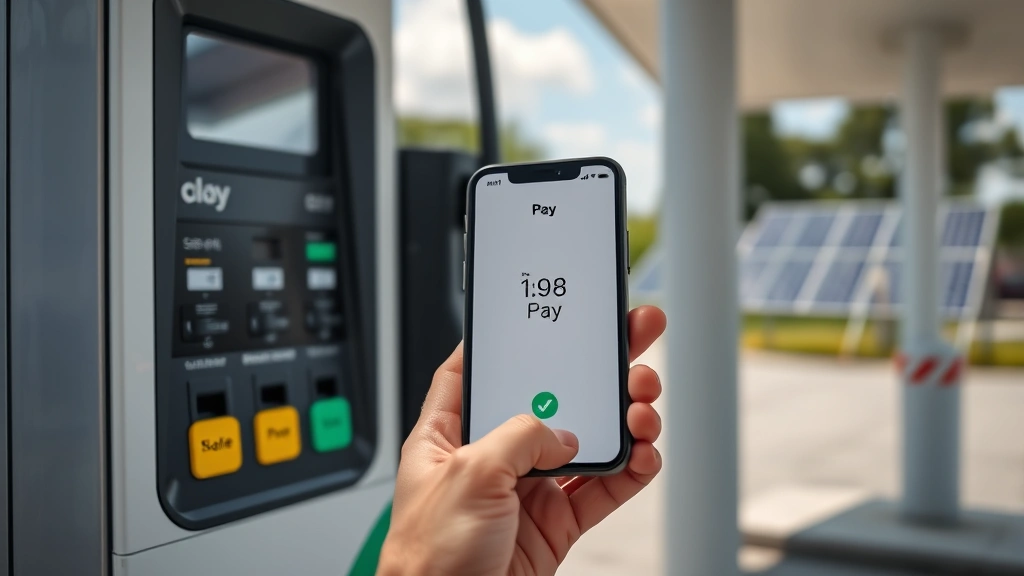
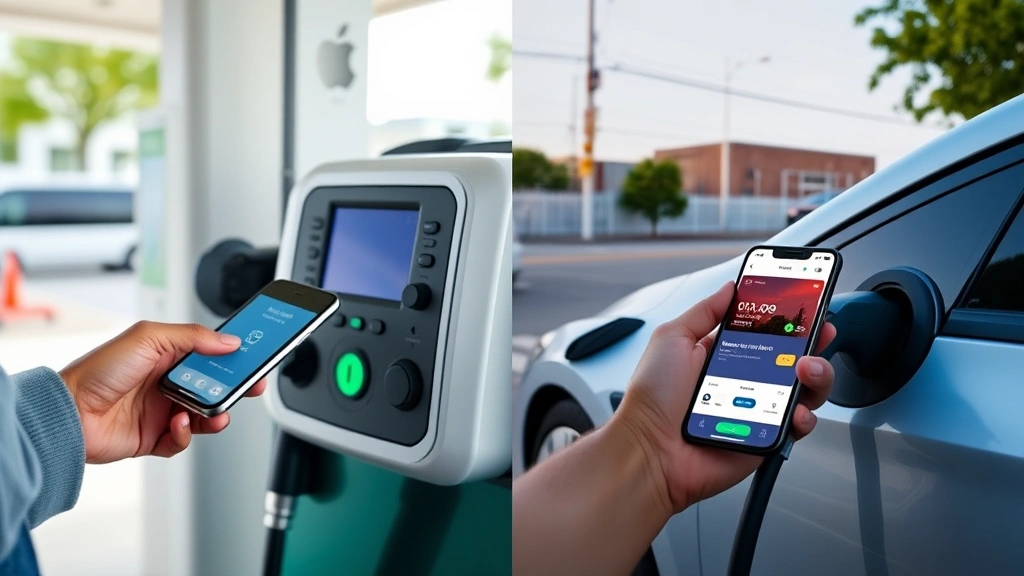
When arriving at a pump that accepts Apple Pay, locate the contactless payment terminal, typically located at the pump itself or at an attendant station. Double-tap the side button on your iPhone (or use Face ID/Touch ID for authentication), then hold your device near the contactless reader. The transaction completes within seconds, displaying confirmation on your screen.
Some stations require entering your zip code for verification, a security measure designed to prevent fraudulent transactions. This process is quick and straightforward. For Apple Watch users, simply double-tap the side button and hold your wrist near the reader—authentication happens automatically via your watch.
One important consideration: many stations still require pre-authorization before pumping. If Apple Pay isn’t available at the pump itself, you may need to pre-pay inside the convenience store or use the pump’s card reader. This is where understanding your specific station’s capabilities becomes valuable.
Security and Privacy Benefits
Apple Pay represents a significant security advancement compared to traditional payment methods. Your actual card information is never shared with the merchant—instead, Apple Pay uses tokenization technology that creates a unique transaction code for each purchase. This means gas station attendants and payment processors never see your card number, expiration date, or CVV.
Every Apple Pay transaction requires authentication through Face ID, Touch ID, or your device passcode, creating an additional security layer. If your iPhone is lost or stolen, you can remotely disable Apple Pay through iCloud, protecting your accounts immediately.
Privacy-conscious consumers appreciate that Apple doesn’t track your specific purchases or locations. Unlike some digital payment services that compile consumer data for marketing purposes, Apple maintains user privacy as a core principle. Your payment history remains between you and your financial institution.
Contactless payments also reduce exposure to bacteria and viruses compared to handling cash or shared payment terminals. This health benefit became particularly relevant following the COVID-19 pandemic, accelerating adoption of touchless payment technologies across the fuel industry.
Rewards Programs and Cashback Options
Many gas stations offering Apple Pay have integrated loyalty programs accessible through their mobile apps or directly via Apple Pay. Shell Rewards, for example, allows cardholders to earn points on every purchase, redeemable for fuel discounts or merchandise. When you use Apple Pay with a Shell Rewards card, you continue earning benefits without compromising security.
Chevron’s Techron Rewards program similarly integrates with digital payment methods, allowing customers to accumulate points and access exclusive member pricing. Exxon Mobil Rewards provides comparable benefits, with points earned on fuel and convenience store purchases.
Credit card issuers often provide additional cashback or rewards on gas purchases. Many premium credit cards offer 3-5% cashback at gas stations, and these benefits apply when you use Apple Pay. Check your specific card’s terms to maximize rewards on fuel purchases.
Third-party apps like GasBuddy integrate with Apple Pay, allowing you to find the cheapest fuel nearby and pay directly through the app at participating stations. This combination of convenience and cost-savings appeals to budget-conscious drivers seeking to reduce their environmental footprint through informed consumer choices.
Digital Payments and Sustainability
The shift toward digital payments like Apple Pay represents a meaningful sustainability advancement, though perhaps less obvious than advantages of electric vehicles. Reducing reliance on physical payment cards and paper receipts contributes to decreased plastic production and waste generation. Each contactless transaction eliminates the need for card manufacturing, shipping, and eventual disposal.
Digital payments reduce the infrastructure required for processing physical transactions. Fewer payment cards mean reduced manufacturing emissions and plastic waste entering landfills and oceans. While individual impact seems minimal, aggregate reduction across millions of daily transactions creates meaningful environmental benefits.
The broader ecosystem of digital transactions supports the shift toward definition of sustainability in modern commerce. When consumers choose digital payments, they signal market demand for paperless, efficient systems that reduce waste throughout supply chains.
Interestingly, the same technological infrastructure supporting Apple Pay enables green technology innovations transforming our future. The contactless payment networks being deployed nationwide will eventually support broader smart infrastructure, including real-time electric vehicle charging networks and optimized traffic management systems.
For environmentally conscious consumers, choosing digital payments aligns with broader sustainability goals. While not a substitute for reducing fuel consumption through transitioning to electric vehicles, it represents a conscious choice to minimize unnecessary waste in daily transactions.
Future of Contactless Fuel Payments
The trajectory of fuel payment technology points toward increasingly seamless, integrated systems. Industry analysts predict that Apple Pay and competing contactless methods will become standard across virtually all gas stations within the next few years. This normalization will eliminate the current fragmented landscape where payment options vary significantly by location.
Future developments likely include biometric authentication becoming even more sophisticated, potentially enabling payment authorization based on facial recognition or other advanced security measures. This could accelerate transaction speeds even further, reducing pump interaction time to mere seconds.
Integration with vehicle systems represents another emerging frontier. Some automotive manufacturers are exploring native in-vehicle payment systems where your car communicates directly with fuel pumps, potentially authenticating through your smartphone’s secure element. This would represent the ultimate in contactless payment convenience.
The relationship between fuel payment technology and sustainable transportation deserves consideration. As payment systems become more efficient and seamless, the transition toward sustainable energy solutions may accelerate. Simplified payment infrastructure removes friction from electric vehicle charging, making EV adoption more practical for mainstream consumers.
Industry experts from the Fuel Retailers Association indicate that standardization of payment technologies will eventually reduce operational costs for gas stations, potentially lowering pump prices marginally. Consumer adoption of contactless payments also generates valuable transaction data, helping retailers optimize inventory and staffing.
FAQ
Which gas stations accept Apple Pay in 2023?
Major chains including Shell, Chevron, Exxon Mobil, BP, Speedway, Casey’s, and Wawa accept Apple Pay at most locations. Regional availability varies, so verify with your local station. Check the EPA Green Business Bureau resources for station locators supporting contactless payments.
Is Apple Pay safe to use at gas pumps?
Yes, Apple Pay is extremely secure. Your card information is never shared with merchants, transactions require authentication, and tokenization technology protects your financial data. Contactless payment eliminates the security risks associated with physical card readers.
Can I earn rewards using Apple Pay?
Absolutely. If you add a rewards card to Apple Pay, you continue earning points and cashback. Shell Rewards, Chevron Rewards, and many credit cards offer benefits that apply to Apple Pay transactions.
What if a gas station doesn’t accept Apple Pay?
You can pay inside the convenience store with Apple Pay, or use a physical card at the pump. Many independent stations are gradually upgrading payment infrastructure, so options continue improving.
Do I need an iPhone to use Apple Pay?
No, Apple Watch users can also use Apple Pay at contactless readers. Any Apple device with NFC capability and Apple Pay setup works at compatible pumps.
How does Apple Pay at gas stations relate to sustainability?
Digital payments reduce plastic card production and paper receipt waste. While modest individually, aggregate reduction across millions of transactions creates meaningful environmental benefits. This aligns with broader sustainability initiatives promoting efficient, waste-reducing technologies.
Will more gas stations accept Apple Pay in the future?
Yes, industry trends indicate near-universal adoption within several years. As payment infrastructure standardizes, contactless methods will become the default option at virtually all fuel retailers.
Can I use Apple Pay for convenience store purchases at gas stations?
Yes, most gas station convenience stores accepting Apple Pay at pumps also support it for in-store purchases. Look for contactless reader symbols at registers.


