Find Free Air at Gas Stations: Your Complete Local Guide to Tire Inflation
Maintaining proper tire pressure is one of the simplest yet most impactful ways to improve your vehicle’s fuel efficiency, extend tire lifespan, and reduce your environmental footprint. Yet many drivers overlook this basic maintenance task, partly because they’re unsure where to find free air stations in their area. The good news? Free air is more accessible than you might think, and knowing where to locate these services can save you money while supporting more sustainable driving habits.
Properly inflated tires reduce rolling resistance, which means your engine works less hard to move your vehicle forward. This translates to better gas mileage, lower emissions, and reduced fuel consumption—all critical components of reducing your environmental footprint. Whether you drive a conventional gasoline vehicle or are considering advantages of electric vehicles, tire maintenance remains essential for efficiency and safety.
Where to Find Free Air at Gas Stations
Free air stations are available at numerous gas stations across North America, though availability varies by location and brand. Many major petroleum retailers have made complimentary air a standard amenity to attract customers and encourage vehicle maintenance. The challenge lies in knowing which stations in your specific area offer this service without calling ahead.
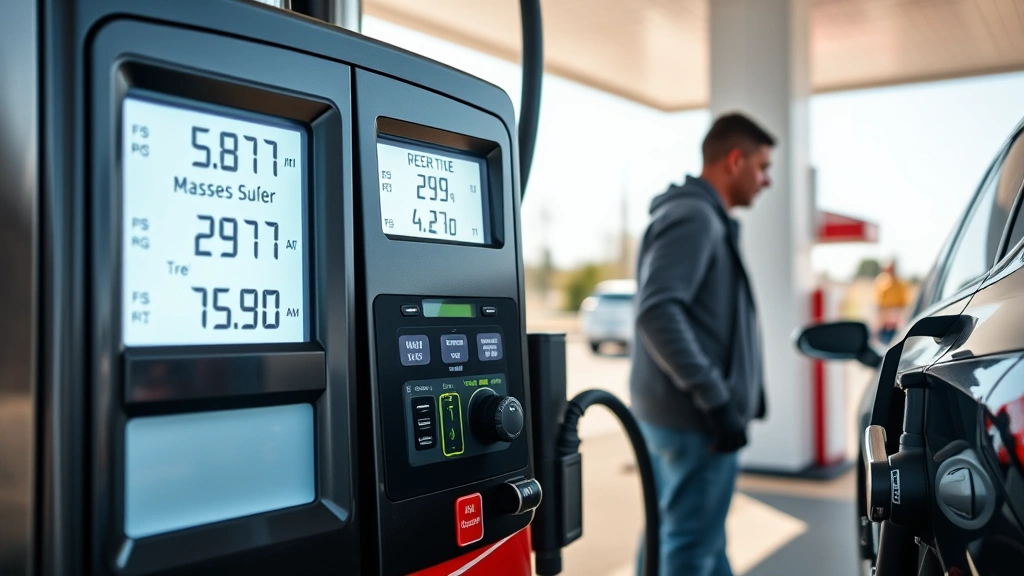
Most convenience store chains and fuel retailers understand that sustainable energy solutions begin with efficient vehicle operation. Free air pumps represent a minimal investment for these businesses while providing genuine value to customers. Some stations have invested in modern digital air pumps with pressure gauges and automatic shut-off features, making the process faster and more accurate than older mechanical models.
The availability of free air often depends on your region’s regulations and the station’s business model. Stations that prioritize customer service and community engagement are more likely to maintain free air stations. Independent convenience stores, truck stops, and established chains typically offer this amenity, though it’s always worth confirming before making a special trip.
Major Chains Offering Complimentary Air
Shell Gas Stations have made free air a commitment at most locations, particularly in the United States and Canada. Their modern air pumps are user-friendly and often feature digital displays showing real-time tire pressure readings. Many Shell stations provide this service 24/7, making it convenient for drivers with irregular schedules.
Chevron stations typically offer free air at their locations, recognizing that customer convenience drives loyalty. Their air stations are generally well-maintained and accessible from the pump area, allowing drivers to inflate tires without walking far from their vehicles.
Speedway and Murphy USA locations commonly provide complimentary air, especially at their convenience store fuel stations. These chains understand that small amenities like free air significantly impact customer satisfaction and repeat business.
Pilot Flying J truck stops, found throughout North America, almost universally offer free air stations. These high-traffic locations serve professional drivers who depend on proper tire maintenance for safety and fuel economy.
Costco Gas Stations provide free air to members at most warehouse locations. While you need a membership to purchase fuel, many Costco stations allow non-members to use the air pump—though policies vary by location, so it’s worth asking.
Walmart and Sam’s Club fuel centers frequently offer free air to customers. These retail giants have integrated air stations into their fuel center amenities, understanding the value of comprehensive automotive services.
Kroger Fuel Centers and other grocery store fuel stations typically provide free air as part of their service offerings. These convenient locations make it easy to maintain tire pressure while completing regular errands.
How to Locate Free Air Stations Near You
Technology has made finding free air stations remarkably simple. Several digital tools and resources can help you locate the nearest complimentary air pump:
- Google Maps: Search “free air near me” or “tire air pump” to see nearby locations with ratings and reviews
- GasBuddy App: This popular fuel price tracking app includes amenity information, including which stations offer free air
- Station-Specific Apps: Shell, Chevron, and other major chains offer branded apps showing amenities at each location
- AAA TripTik: The American Automobile Association’s app includes amenity filters for trip planning
- Local Business Directories: Yelp and similar platforms allow you to filter by “air pump” or “tire service”
When searching online, look for stations with recent positive reviews mentioning working air pumps. Some older stations may have non-functional equipment, so customer feedback is valuable. Many modern gas stations have invested in high-quality digital pumps that are more reliable than older mechanical models.
If you’re traveling and unfamiliar with an area, calling ahead to a major chain station is always a safe bet. Customer service representatives can confirm whether air is available and provide directions. This approach eliminates uncertainty and ensures you won’t waste time driving to a station that lacks the service.
Understanding Tire Pressure and Maintenance
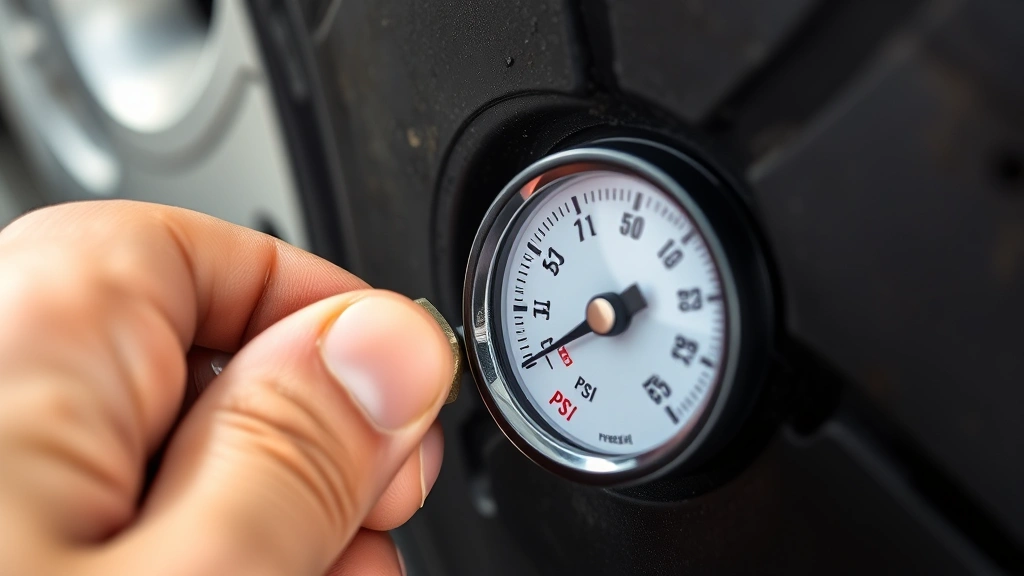
Proper tire pressure is measured in pounds per square inch (PSI) and is critical for vehicle performance, safety, and fuel efficiency. Most vehicles require between 30-35 PSI, though your specific vehicle’s requirements are listed on a sticker inside the driver’s door jamb or in your owner’s manual. Never use the maximum PSI printed on the tire sidewall—that’s the tire’s maximum capacity, not the recommended operating pressure.
Tire pressure naturally decreases in cold weather, typically dropping one PSI for every 10-degree Fahrenheit temperature decrease. This seasonal variation means you should check tire pressure monthly and adjust as needed, particularly during winter months. Underinflated tires generate excess heat, increasing wear and reducing fuel economy by up to 3% per PSI below recommended levels.
The relationship between tire maintenance and fuel consumption efficiency is well-documented. According to the U.S. Environmental Protection Agency (EPA), proper tire inflation can improve fuel economy and reduce emissions. This simple maintenance task directly supports your efforts to minimize your vehicle’s environmental impact.
Digital air pumps with integrated pressure gauges eliminate guesswork. These modern systems display your current tire pressure and the recommended PSI, automatically stopping when the correct pressure is reached. This precision prevents over-inflation, which can cause uneven wear and reduce traction.
The Environmental Impact of Proper Tire Inflation
The environmental benefits of maintaining correct tire pressure extend far beyond individual fuel savings. When multiplied across millions of vehicles, proper tire inflation represents a significant opportunity for emissions reduction. Underinflated tires increase rolling resistance, forcing engines to work harder and burn more fuel, which directly increases greenhouse gas emissions.
Extending tire lifespan through proper inflation also reduces waste. Tires that are correctly inflated wear more evenly and last longer, meaning fewer tires end up in landfills. The tire manufacturing process is energy-intensive, so reducing premature tire replacement decreases the industry’s overall environmental footprint.
For drivers interested in green technology innovations, tire maintenance is an often-overlooked but highly effective sustainability practice. It requires no special equipment, costs nothing when using free air stations, and delivers measurable environmental benefits. This accessibility makes it an excellent starting point for drivers beginning their sustainability journey.
Research published by the National Highway Traffic Safety Administration (NHTSA) demonstrates that proper tire pressure maintenance contributes to safer vehicles and reduced emissions. The collective environmental impact of widespread tire maintenance could prevent millions of tons of carbon dioxide from entering the atmosphere annually.
Tips for Using Public Air Stations
Check Your Pressure First: Many modern air pumps have built-in gauges. Insert your tire valve, and the pump will display current pressure. This information guides your inflation decisions.
Know Your Vehicle’s Requirements: Before approaching the air pump, confirm your vehicle’s recommended PSI. This information is on the driver’s door jamb sticker, not the tire sidewall maximum.
Inflate All Four Tires: Don’t neglect the spare tire. While it doesn’t affect daily driving, a properly inflated spare is essential if you need it during an emergency.
Allow Tires to Cool: Tire pressure increases when tires are warm from driving. For most accurate readings, check pressure when tires have been stationary for at least three hours.
Use Short Bursts: When inflating, use short bursts of air rather than continuous flow. This prevents over-inflation and allows the gauge to register accurately between additions.
Check the Equipment: Before using an air pump, ensure it appears functional and clean. If the gauge is broken or the hose is damaged, find an alternative station.
Be Patient in Busy Locations: Popular gas stations may have lines for air pump access during peak hours. Plan your visit during slower times if possible.
Alternative Resources Beyond Gas Stations
While gas stations are convenient, other resources offer free or low-cost tire inflation services. Many tire retailers, including Discount Tire, Tire Rack, and local independent shops, provide free air to customers who’ve previously purchased tires from them. These businesses view air station maintenance as customer service that encourages return visits.
Automotive service centers and dealerships frequently offer complimentary air to customers, even those not currently purchasing services. This amenity builds goodwill and strengthens customer relationships. Some dealerships have invested in premium digital air stations, offering a superior experience compared to older gas station equipment.
Community centers, municipal facilities, and public works departments occasionally maintain air stations for public use. These resources are particularly valuable in rural areas where gas stations may be sparse. Calling your local public works department can reveal available community resources.
Car wash facilities often provide free air as part of their service offerings. Many customers find it convenient to check tire pressure while washing their vehicle. Some premium car washes have invested in state-of-the-art air systems with automatic pressure settings for different vehicle types.
For those driving electric or hybrid vehicles interested in exploring sustainable energy solutions, maintaining proper tire pressure becomes even more critical. Electric vehicles experience different wear patterns than conventional vehicles, making regular pressure checks essential for maximizing efficiency and range.
Check the EPA’s Green Vehicles Database for information on how vehicle maintenance, including tire pressure, affects emissions and efficiency ratings for different vehicle types.
FAQ
Is it legal to use air stations at gas stations where I don’t buy fuel?
Most gas stations allow free air access to any customer, whether they purchase fuel or not. However, policies vary by location and chain. Calling ahead to confirm is the best approach if you’re unsure about a specific station’s policy.
How often should I check tire pressure?
The EPA recommends checking tire pressure monthly and before long trips. Seasonal temperature changes necessitate more frequent checks, particularly in winter when pressure drops as temperatures decrease.
Can over-inflated tires be dangerous?
Yes. Over-inflated tires have reduced contact with the road, decreasing traction and increasing the risk of blowouts. Always adhere to the manufacturer’s recommended PSI rather than the tire’s maximum capacity.
Why do some gas stations charge for air?
While most major chains offer free air, some independent stations or older locations may charge a small fee (typically 50 cents to $2). This fee often reflects the cost of maintaining and upgrading air station equipment.
Does proper tire inflation really save fuel?
Absolutely. The EPA confirms that properly inflated tires can improve fuel economy by up to 3% per PSI below recommended levels. Over a year, this translates to significant fuel savings and emissions reductions.
What should I do if an air station is broken?
Use the alternative resources listed above, including tire retailers, service centers, or nearby gas stations. Most areas have multiple options within a short driving distance.
How do I know if my tires are properly inflated?
Use the PSI listed on your vehicle’s driver’s door jamb sticker. Modern air pump gauges will display your current pressure and indicate whether you need to add or release air.
Are there apps specifically for finding free air?
While dedicated air-finding apps don’t exist, GasBuddy, Google Maps, and station-specific apps all include amenity filters that help locate free air stations near your location.


