Is a Gas Stove Eco-Friendly? Expert Analysis of Environmental Impact and Alternatives
Gas stoves have been a kitchen staple for decades, prized for their instant heat control and cooking precision. However, as environmental consciousness grows and climate science advances, homeowners increasingly question whether gas stoves align with eco-friendly living. The answer is more nuanced than a simple yes or no. Gas stoves present a complex environmental picture, involving considerations of energy efficiency, indoor air quality, methane emissions, and the broader energy grid. Understanding these factors helps you make an informed decision about your kitchen’s environmental impact.
The environmental debate around gas stoves intensifies as cities implement restrictions and health organizations raise concerns about indoor air pollution. While gas cooking offers efficiency advantages over electric resistance cooktops, it comes with significant drawbacks related to greenhouse gas emissions and indoor air quality. This comprehensive analysis examines the ecological footprint of gas stoves, compares them to alternatives, and explores how proper ventilation—particularly through hood fans—affects their overall sustainability profile.
Environmental Impact of Gas Stoves
Gas stoves operate by burning natural gas—primarily methane—to produce heat for cooking. This combustion process creates several environmental concerns that extend beyond the kitchen. The extraction, transportation, and burning of natural gas contribute to your household’s carbon footprint. When evaluating whether a gas stove qualifies as eco-friendly, you must consider the entire lifecycle: from wellhead to your stovetop.
The environmental impact begins with extraction. Natural gas drilling requires significant infrastructure, energy consumption, and potential land disruption. Transportation through pipelines involves methane leakage—a critical issue since methane traps roughly 80 times more heat than carbon dioxide over a 20-year period. Even small leaks throughout the distribution network accumulate into substantial atmospheric methane releases. Once the gas reaches your home and enters your stove, combustion produces carbon dioxide and other byproducts.
Natural gas combustion generates approximately 50% fewer emissions than coal but substantially more than renewable electricity sources. For climate-conscious consumers, this represents a middle-ground option rather than a truly sustainable solution. The carbon intensity of your gas stove depends partly on your regional energy grid composition—if your area generates electricity from renewables, switching to electric cooking becomes increasingly attractive from an environmental standpoint.
Methane Emissions and Climate Change
Methane emerges as the most pressing environmental concern regarding gas stoves. Unlike carbon dioxide, which persists in the atmosphere for centuries, methane breaks down within approximately 12 years. However, during its atmospheric lifetime, methane proves devastatingly potent at trapping heat. According to the EPA, methane’s global warming potential is 28-36 times greater than CO2 over a 100-year period.
Gas stove emissions occur at two points: during natural gas production and distribution, and during combustion in your kitchen. Methane leakage happens throughout the supply chain, from extraction sites to residential pipelines. Studies indicate that approximately 2-3% of natural gas leaks during distribution. While this percentage seems small, it translates to millions of tons of methane entering the atmosphere annually across developed nations.
When you light your gas stove, you’re contributing to atmospheric methane in two ways: the methane content in the gas itself (some escapes unburned) and the combustion byproducts. Research from the International Energy Agency highlights that reducing methane emissions represents one of the fastest pathways to limiting near-term climate warming. Choosing alternatives to gas stoves directly supports this climate mitigation strategy.
Indoor Air Quality Concerns
Beyond atmospheric emissions, gas stoves significantly impact indoor air quality—a sustainability issue that directly affects human health. Burning natural gas releases nitrogen dioxide (NO₂), carbon monoxide (CO), and particulate matter into your kitchen air. These pollutants don’t simply dissipate; they accumulate in your home, particularly if ventilation is inadequate.
Nitrogen dioxide exposure has been linked to respiratory issues, asthma exacerbation, and reduced lung function development in children. Studies indicate that homes with gas stoves have NO₂ concentrations 50-100% higher than homes with electric cooking. Carbon monoxide, though typically not lethal at stove-produced levels, still represents unnecessary indoor pollution. The American Academy of Pediatrics has expressed concerns about gas stove emissions, particularly in homes where children spend significant time.
The sustainability question here extends beyond carbon footprint to encompassing genuine environmental stewardship—protecting your immediate ecosystem (your home) and the health of its inhabitants. A truly eco-friendly kitchen considers both planetary and personal health impacts. When evaluating gas stoves, the indoor air quality dimension reveals significant sustainability concerns that raw efficiency comparisons might overlook.
The Role of Hood Fans in Gas Stove Sustainability
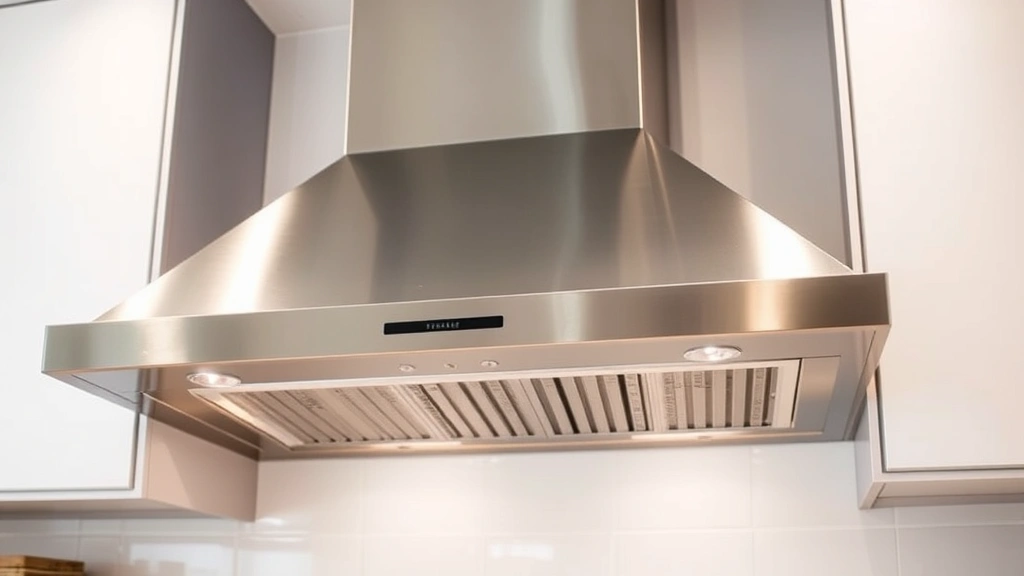
This brings us to a critical component often overlooked in sustainability discussions: the hood fan and gas stove ventilation system. A properly functioning hood fan and exhaust system can substantially mitigate indoor air quality problems associated with gas cooking. However, the effectiveness and sustainability of hood fans themselves warrant examination.
Hood fans work by capturing combustion byproducts and venting them outside, preventing indoor accumulation of nitrogen dioxide, carbon monoxide, and particulates. Ducted range hoods (venting outside) prove far more effective than recirculating hoods with filters. For gas stove sustainability, a quality ducted hood fan becomes nearly essential—it’s not optional ventilation but rather a requirement for responsible gas stove operation.
From an energy perspective, hood fans consume electricity, adding to household energy consumption. However, this additional energy use pales in comparison to the health and indoor air quality benefits provided. Modern Energy Star-certified hood fans operate efficiently while effectively removing pollutants. The sustainability equation for gas stoves must include hood fan operation; without adequate ventilation, gas stoves pose genuine indoor environmental concerns.
Proper hood fan operation requires running the fan during cooking and ideally for 15-20 minutes afterward. Many households fail to use their ventilation systems adequately, negating their benefits. For gas stove owners committed to sustainability, installing and consistently using a quality ducted hood fan becomes a non-negotiable component of responsible kitchen design.
Comparing Gas to Electric and Induction Stoves
To determine whether gas stoves are eco-friendly, comparison with alternatives provides essential context. Electric resistance cooktops, induction cooktops, and gas stoves each present distinct environmental profiles. Understanding these differences helps you select the most sustainable option for your situation.
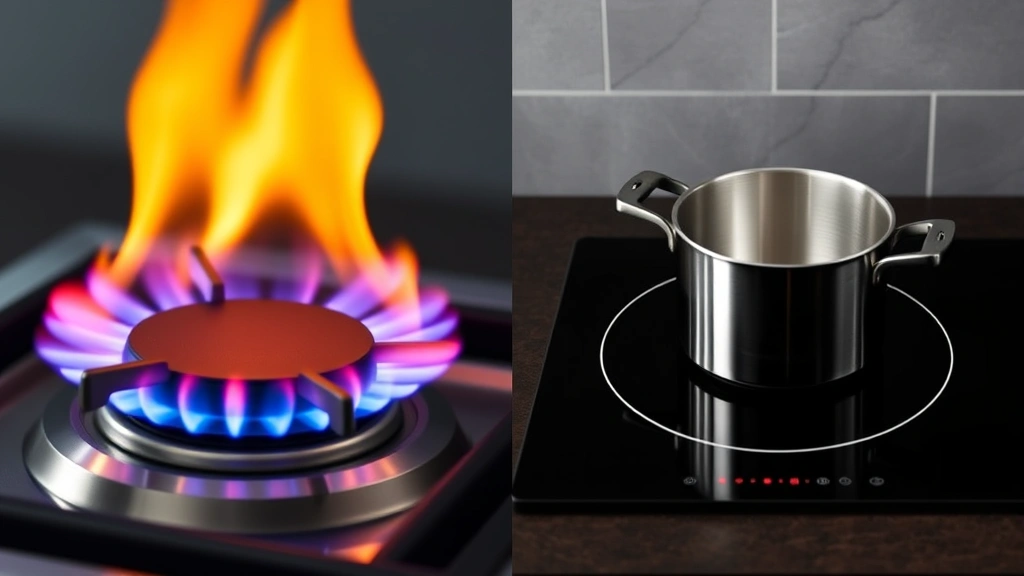
Electric Resistance Cooktops: Traditional electric coil or smooth-top electric stoves generate heat through electrical resistance. They produce zero direct emissions but rely entirely on grid electricity. Environmental impact depends on your regional energy mix. If your grid includes significant renewable sources, electric cooking becomes quite sustainable. In regions relying heavily on fossil fuels, the environmental advantage diminishes substantially. Electric resistance cooking also proves less efficient than gas or induction, wasting more energy as heat loss.
Induction Cooktops: Induction technology uses electromagnetic fields to directly heat cookware, achieving superior energy efficiency—approximately 90% compared to 70-75% for gas and 65-70% for electric resistance. Induction cooktops produce zero emissions, operate cleanly, and excel at energy conservation. However, they require compatible cookware and represent higher upfront costs. From a pure sustainability standpoint, induction cooktops powered by renewable electricity represent the optimal kitchen solution. Our guide on sustainable energy solutions explores how renewable electricity transforms appliance sustainability.
Gas Stoves: Gas cooking achieves better efficiency than electric resistance (though not induction) but produces emissions throughout the supply chain and combustion process. The efficiency advantage doesn’t offset the environmental costs when compared to induction or electric cooking powered by renewable electricity.
The environmental comparison also depends on your grid’s carbon intensity. In regions with clean electricity grids, switching from gas to electric or induction cooking dramatically reduces your carbon footprint. Even in regions with mixed energy sources, electric or induction cooking typically produces lower lifecycle emissions than gas cooking.
Energy Efficiency Considerations
Energy efficiency represents one area where gas stoves maintain genuine advantages. Gas burners deliver heat directly to cookware with minimal lag, achieving approximately 70-75% efficiency. Electric resistance cooktops waste significant energy heating the cooking surface itself, achieving only 65-70% efficiency. Induction cooktops surpass both at roughly 90% efficiency.
However, efficiency alone doesn’t determine sustainability. A gas stove’s superior cooking efficiency must be weighed against upstream methane emissions and indoor air quality impacts. The complete lifecycle analysis—from extraction through combustion—often favors electric or induction alternatives, even accounting for gas’s cooking efficiency advantage.
Modern gas stove designs have improved efficiency somewhat, but fundamental physics limits potential gains. Burning fuel in your kitchen will never match the efficiency of direct electromagnetic heating (induction) or the cleanliness of electric resistance cooking powered by renewable sources. If you’re committed to reducing your environmental footprint, cooking efficiency should factor into but not dominate your decision-making.
Making the Sustainable Choice
After analyzing gas stoves’ environmental impact across multiple dimensions, can we declare them eco-friendly? The honest answer is: not particularly, and increasingly less so as cleaner alternatives become accessible. Gas stoves represent a legacy technology that served well when alternatives were inferior, but contemporary electric and induction options offer superior environmental performance.
If you currently own a gas stove: Maximize sustainability by installing and properly maintaining a quality ducted hood fan system. Ensure your ventilation runs during cooking and for adequate time afterward. This doesn’t make gas stoves truly eco-friendly, but it significantly mitigates indoor air quality impacts. Consider your kitchen’s timeline for eventual appliance replacement—when your current stove reaches end-of-life, strongly consider transitioning to induction cooking.
If you’re selecting a new stove: Unless you have compelling reasons to maintain gas cooking, induction cooktops represent the most sustainable choice. They combine superior efficiency, zero emissions, and excellent cooking performance. If induction isn’t feasible due to cookware or electrical infrastructure limitations, electric resistance cooktops prove more sustainable than gas, particularly if your region’s electricity increasingly derives from renewables.
If you’re passionate about sustainability: Pair your cooktop choice with renewable energy. Installing solar panels or subscribing to community solar programs transforms electric or induction cooking into genuinely clean cooking. Visit sustainable energy solutions to explore how renewable electricity enhances your kitchen’s environmental profile. The same principle applies to understanding broader energy choices—explore how advantages of electric vehicles demonstrate how electrification with clean energy creates truly sustainable living.
The environmental case against gas stoves strengthens as climate science advances and clean alternatives proliferate. Cities worldwide increasingly restrict new gas connections or ban gas stove installation in new construction, recognizing that natural gas appliances conflict with climate goals. Individual choices to transition away from gas cooking contribute meaningfully to broader decarbonization efforts.
FAQ
Are gas stoves bad for the environment?
Gas stoves contribute to environmental degradation through methane emissions in the supply chain and carbon dioxide from combustion. Additionally, they produce indoor air pollutants including nitrogen dioxide and carbon monoxide. While not the worst environmental choice, gas stoves are inferior to modern electric and induction alternatives from sustainability standpoints.
Do gas stoves need special hood fans?
Gas stoves don’t require special hood fans, but they absolutely require quality ventilation. A ducted range hood (venting outside) proves essential for removing combustion byproducts. Recirculating hoods with filters provide minimal benefit. Without proper ventilation, gas stoves pose genuine indoor air quality concerns.
How much does a gas stove contribute to climate change?
A typical household gas stove contributes roughly 0.5-1 ton of CO₂ equivalent annually when accounting for supply chain methane emissions and combustion. This represents a modest but measurable portion of household carbon footprint. Switching to electric or induction cooking powered by renewable electricity eliminates this contribution.
Can I make my gas stove more eco-friendly?
While you can’t eliminate gas stove environmental impacts, proper ventilation substantially improves sustainability by protecting indoor air quality. Ensure your hood fan operates during cooking and afterward. However, the most effective sustainability improvement involves eventually replacing your gas stove with an induction or electric model.
What’s the most eco-friendly cooking method?
Induction cooktops powered by renewable electricity represent the most sustainable cooking method, combining superior efficiency, zero emissions, and excellent performance. If induction isn’t feasible, electric resistance cooktops powered by clean electricity rank second. Gas stoves represent the least sustainable common cooking option.
Should I remove my gas stove?
If your gas stove functions well and you have budget constraints, replacement isn’t immediately necessary. However, when your stove requires replacement or during kitchen renovations, strongly consider switching to induction. For those with flexibility and environmental commitment, transitioning sooner rather than later aligns with climate goals.


