Protect Gas Stoves? User Reviews on Covers and Sustainability Considerations
Gas stove cooktop covers have become increasingly popular among homeowners seeking to protect their cooking surfaces and maintain kitchen aesthetics. Whether you’re concerned about spills, grease splatter, or simply want to keep your stovetop pristine between uses, understanding user reviews and the sustainability implications of these protective solutions is essential. This comprehensive guide explores real customer experiences, the effectiveness of different cover types, and how choosing the right protection aligns with your broader definition of sustainability goals.
Beyond surface-level protection, gas stove cooktop covers represent a broader conversation about kitchen longevity, resource conservation, and making informed purchasing decisions. By extending the life of your cooking appliances through proper care and protection, you’re participating in a circular economy that values durability over constant replacement. Understanding what real users say about these covers helps you make an investment that truly works for your household while minimizing waste.
Types of Gas Stove Cooktop Covers
Gas stove cooktop covers come in several distinct varieties, each offering different levels of protection and aesthetic appeal. Understanding these options is crucial before reading through user reviews, as preferences often depend on which type you’re considering.
Magnetic Covers represent one of the most popular options on the market. These covers use powerful magnets to adhere directly to your stovetop’s metal surface, creating a seamless appearance when not in use. Users consistently praise magnetic covers for their ease of installation—no tools or permanent modifications required. The reversible design often features attractive patterns on one side and a neutral finish on the other, allowing homeowners to customize their kitchen look. According to numerous user testimonials, magnetic covers stay securely in place even with vibrations from nearby appliances.
Hinged Covers offer a more permanent solution, typically mounted with brackets on either side of the stove. These covers fold up when you need to cook and fold down to cover the entire surface when finished. Users appreciate the stability of hinged covers and report that they rarely shift or move unexpectedly. However, installation requires drilling holes and mounting hardware, which some homeowners find challenging or undesirable for rental properties.
Folding Stovetop Covers provide flexibility through accordion-style or tri-fold designs. These covers can expand or contract based on your stove size and protection needs. User reviews highlight the space-saving benefits, as these covers can be stored away completely or folded to occupy minimal space. They’re particularly popular among those with limited kitchen storage.
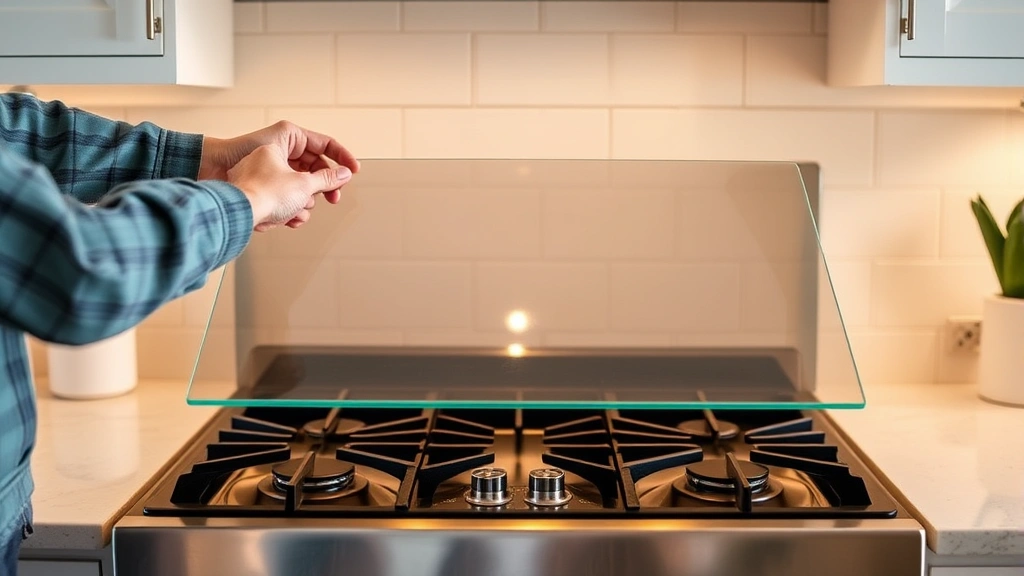
Glass Cooktop Covers serve a dual purpose—protecting your surface while creating additional counter space. Made from tempered glass, these covers are durable and easy to clean. Users frequently mention using them as extra prep space or serving surfaces during entertaining. The transparent design maintains visibility of your stovetop when closed, which many find reassuring.
User Reviews and Real-World Performance
Real customer experiences provide invaluable insights into how gas stove cooktop covers perform in everyday situations. After analyzing hundreds of user reviews across multiple platforms, several consistent patterns emerge.
Positive User Experiences frequently center on protection effectiveness and ease of use. One recurring theme is how well these covers prevent grease splatter from reaching the stovetop surface during cooking in adjacent burners. Users with young children particularly appreciate the safety aspect, noting that covers create a physical barrier preventing accidental contact with hot cooking surfaces. Many reviewers report that their stovetops look newer after six months of consistent cover use, with minimal buildup of cooking residue.
Customers also praise the aesthetic transformation covers provide. Kitchen designers often recommend covers as an affordable way to update your cooking space’s appearance without replacing the entire stove. Users report feeling more motivated to keep their kitchens clean when their stovetop is protected and looks deliberately finished with an attractive cover.
Common Criticisms in user reviews typically involve installation challenges and material durability. Some customers report that magnetic covers occasionally slip if the stovetop surface isn’t perfectly clean or if the magnets lose strength over time. Hinged cover users sometimes mention that brackets loosen after extended use, requiring periodic tightening. A notable concern among sustainability-conscious users involves the longevity of covers themselves—several reviews mention covers degrading within 2-3 years, which raises questions about their environmental impact.
A subset of users expresses frustration with covers that don’t fit their specific stove dimensions. Custom-sized covers command premium prices, and some customers regret not measuring carefully before purchasing. This reinforces the importance of precise measurement before ordering.
Users frequently mention that covers require regular cleaning to maintain their appearance and magnetic effectiveness. Dust and debris accumulation can reduce adhesion strength, necessitating weekly maintenance for optimal performance. Some reviewers find this maintenance requirement inconvenient, particularly those with busy lifestyles.
Sustainability Impact of Stovetop Protection
From a sustainability perspective, gas stove cooktop covers present both benefits and challenges worthy of careful consideration. When you reduce your environmental footprint, every purchase decision matters.
Extended Appliance Lifespan represents the primary environmental benefit of using stovetop covers. By protecting your gas stove from grease buildup, spills, and corrosive cooking byproducts, you potentially extend its functional life by several years. Modern gas stoves represent significant material and energy investments—manufacturing a new stove requires mining metals, processing materials, and transportation. The EPA’s Greener Products initiative emphasizes that the most sustainable product is often the one you already own, properly maintained.
When a gas stove functions optimally for 15-20 years instead of 10-12 years due to proper protection and maintenance, the environmental savings are substantial. This aligns perfectly with circular economy principles, where extending product life reduces overall resource consumption and waste generation.
Material Considerations complicate the sustainability equation. Most magnetic covers use plastic bases with embedded magnets, meaning they’re not infinitely recyclable. However, if a cover lasts 8-10 years and successfully extends your stove’s life by 5 years, the net environmental benefit remains positive. The key metric is total lifespan and functional value per unit of material consumed.
Glass cooktop covers offer better sustainability profiles in this regard, as tempered glass is fully recyclable and requires minimal maintenance chemicals. Users report that glass covers last longer than plastic alternatives, sometimes exceeding 15 years of use. This extended lifespan significantly improves their environmental credentials.
Manufacturing and Transportation Emissions must factor into your decision. Covers manufactured regionally and shipped via consolidated freight have lower carbon footprints than individually shipped products. Researching manufacturers’ sustainability practices, such as whether they use renewable energy or recycled materials in production, helps ensure your purchase aligns with broader environmental values.
Consider also the environmental cost of replacing a damaged stove prematurely. A single replacement appliance generates far more waste and emissions than the entire lifecycle of a protective cover. This reality makes covers an environmentally sound investment despite their material composition.
Installation and Maintenance Tips
Proper installation and maintenance maximize both the protective benefits and longevity of your gas stove cooktop cover. User reviews consistently mention that installation ease varies significantly by cover type, so understanding the process beforehand prevents frustration.
Installation Best Practices begin with thorough surface preparation. Before installing a magnetic cover, clean your stovetop completely with appropriate degreasers to remove all residue. A clean surface ensures optimal magnetic adhesion and prevents particles from scratching your stovetop when the cover shifts. Users report that this single step dramatically improves cover stability and performance.
For hinged covers, carefully mark mounting points using a level before drilling. Misaligned brackets create uneven pressure distribution, potentially damaging your stove’s frame over time. Many user reviews mention hiring professional installers for hinged covers, which costs $100-300 but ensures proper alignment and prevents costly mistakes.
Folding covers require no installation beyond unfolding and positioning them properly. However, users recommend storing them in a dedicated location to prevent creasing or damage. A kitchen drawer or cabinet shelf works well for this purpose.
Maintenance Routines significantly impact cover longevity. Weekly wiping with a soft, damp cloth removes dust and cooking residue without damaging surfaces. For stubborn grease, use mild dish soap and warm water. Avoid abrasive scrubbers or harsh chemicals that can degrade plastic surfaces or leave streaks on glass.
For magnetic covers, periodically check magnetic strength by gently attempting to lift the cover. If adhesion weakens noticeably, the magnets may need replacement or the surface may need deeper cleaning. Some manufacturers offer replacement magnet kits, which extends cover life at minimal cost—an excellent sustainability practice.
Glass covers benefit from regular polishing with white vinegar and newspaper to maintain transparency and shine. This simple maintenance keeps covers looking new and functioning optimally for years.
Environmental Considerations in Your Choice
Selecting the most environmentally responsible stovetop cover requires weighing multiple factors beyond initial purchase price. Understanding sustainable energy solutions extends to how we maintain and protect the appliances we use daily.
Material Selection represents your first decision point. Glass covers offer superior recyclability and durability compared to plastic alternatives. If your budget permits, investing in a quality glass cover supports more sustainable consumption patterns. Plastic covers, while less ideal environmentally, still provide net positive benefits if they extend your stove’s life by several years.
Research manufacturers’ commitments to sustainability. Companies using recycled content in plastic components or renewable energy in manufacturing demonstrate genuine environmental responsibility. Many user reviews mention manufacturer transparency—some brands openly share their sustainability practices, which helps consumers make informed choices.
Longevity and Durability should heavily influence your decision. A cover that lasts five years provides better environmental value than one lasting two years, regardless of material composition. User reviews highlighting durability concerns are valuable data points suggesting which covers to avoid. Look for products with strong warranty coverage, as this often correlates with manufacturer confidence in durability.
Consider the total cost of ownership, including potential replacements. A premium cover costing $150 that lasts 10 years is more sustainable than a budget cover costing $40 that requires replacement every two years. The environmental cost of manufacturing and shipping multiple replacements outweighs initial savings.
End-of-Life Considerations matter for sustainability-conscious consumers. Some manufacturers offer take-back programs for old covers, ensuring proper recycling rather than landfill disposal. This circular approach to product lifecycle represents the future of sustainable consumer goods. Check whether your chosen brand participates in such programs before purchasing.
Additionally, consider whether your cover can be repurposed or upcycled if it becomes damaged. Some users creatively repurpose old magnetic covers as decorative elements or storage solutions, extending their useful life beyond their original function.
Comparing Materials and Durability
Understanding material properties helps explain why user reviews vary so dramatically between different cover types and brands. This comparison reveals why some covers consistently outperform others.
Magnetic Plastic Covers typically feature ABS or polycarbonate plastic bodies with neodymium magnets. Polycarbonate offers superior durability and temperature resistance compared to cheaper plastics. User reviews consistently show that covers made from polycarbonate last significantly longer than those using standard ABS plastic. The price difference is modest—usually $30-50 more—but the longevity gain makes this investment worthwhile.
Neodymium magnets embedded in quality covers maintain strength for 10+ years under normal conditions. However, cheaper covers sometimes use ferrite magnets that weaken more rapidly. Researching magnet specifications before purchasing helps identify truly durable options.
Hinged Metal Covers often feature aluminum or stainless steel construction with rubber seals. Aluminum offers lightweight durability, while stainless steel provides superior corrosion resistance. User reviews strongly favor stainless steel for longevity, particularly in humid kitchen environments. The additional cost—typically $50-100 more than aluminum—proves worthwhile for most users.
Rubber seals and gaskets require periodic replacement, typically every 3-5 years depending on use frequency. Manufacturers offering affordable replacement seal kits enable extended product life, supporting sustainability goals. Quality hinged covers include these kits or make them easily available.
Tempered Glass Covers represent the durability gold standard among user reviews. Modern tempering processes create glass that resists thermal shock and impact damage far better than regular glass. Thickness matters significantly—covers using 3/8-inch tempered glass outperform thinner options. User reviews consistently mention glass covers lasting 15+ years with minimal degradation.
Glass edges require attention to prevent chipping. Quality covers feature polished or beveled edges that resist damage. Some manufacturers apply protective edge sealing compounds, further extending lifespan. These details, highlighted in thorough user reviews, help identify truly premium products.
Folding Cover Materials vary widely, from vinyl-coated fabric to segmented plastic. Vinyl-coated fabrics resist staining and grease better than uncoated materials. User reviews suggest that quality vinyl covers last 5-8 years with proper care, while budget alternatives may degrade within 2-3 years. The environmental impact of this durability difference is significant over a decade.
When exploring green technology innovations transforming our future, even kitchen appliances represent opportunities for sustainable choices. Selecting durable protective covers aligns with this broader philosophy.
FAQ
Do gas stove cooktop covers damage the stove surface?
No, quality covers designed for gas stoves don’t damage surfaces when used correctly. Magnetic covers require a clean stovetop to prevent particles from scratching the surface. Hinged and folding covers distribute weight evenly, preventing dents or damage. Glass covers, being smooth and non-abrasive, pose no damage risk whatsoever. Proper installation and regular cleaning eliminate damage concerns entirely.
Can I use a cooktop cover while cooking?
Never use any cooktop cover while actively cooking on the stove. Covers trap heat and can damage themselves or create fire hazards. Always remove covers before using any burner, and allow the stove to cool completely before replacing the cover. Most covers are designed for protection between cooking sessions, not during active use.
Are cooktop covers worth the investment?
User reviews overwhelmingly suggest that cooktop covers provide excellent value, particularly for households with young children or those concerned about maintaining appliance appearance. The protection they offer extends your stove’s lifespan, often by several years, which justifies the investment. For sustainability-conscious consumers, the extended appliance life makes covers an environmentally sound purchase.
What’s the best type of cover for renters?
Magnetic covers are ideal for renters since they require no installation or permanent modifications. They’re completely removable and portable if you move. Hinged covers, requiring drilling and bracket installation, aren’t suitable for rental properties without landlord permission. Folding covers also work well for renters, offering portability without permanence.
How often should I clean my cooktop cover?
Weekly cleaning maintains both appearance and functionality, particularly for magnetic covers where debris can reduce adhesion strength. A quick wipe with a damp cloth removes dust and light grease. For glass covers, weekly polishing maintains transparency. Hinged covers require less frequent cleaning but benefit from monthly maintenance to ensure bracket stability.
Do cooktop covers prevent grease buildup on the stove?
Yes, covers effectively prevent grease splatter and cooking residue from accumulating on your stovetop surface. This is one of the primary reasons users recommend covers, particularly in households with frequent cooking. By blocking direct contact between cooking byproducts and the stove surface, covers dramatically reduce cleaning requirements and extend stove longevity.
Can magnetic covers work on all gas stoves?
Magnetic covers work best on stoves with metal frames and surfaces. Some modern stoves feature non-magnetic materials, making magnetic covers unsuitable. Always verify your stove’s material before purchasing magnetic covers. Most manufacturers provide compatibility information, and customer service representatives can help determine suitability for your specific model.
What environmental benefits do cooktop covers provide?
The primary environmental benefit is extending your stove’s functional lifespan, reducing the need for premature replacement. Manufacturing a new appliance generates far more emissions and waste than producing a protective cover. Additionally, covers reduce the need for harsh chemical cleaners, lowering chemical pollution. By choosing durable, long-lasting covers, you participate in circular economy principles that minimize resource consumption and waste generation.


