Gas Stove Efficiency? Chef’s Insights on Gas Stove with Electric Oven Combinations
Professional chefs and home cooking enthusiasts have long debated the merits of different cooking appliances. When it comes to achieving optimal kitchen performance while maintaining sustainability, the combination of a gas stove with an electric oven represents a compelling middle ground. This hybrid approach leverages the immediate heat control that chefs prize in gas cooktops while harnessing the precise temperature regulation and energy efficiency of modern electric ovens. Understanding this dynamic requires exploring both the technical advantages and the environmental implications of choosing gas stovetops paired with electric ovens.
The kitchen is often considered the heart of the home, and the appliances within it play a crucial role in daily life. For those seeking to balance culinary performance with environmental responsibility, the gas-electric combination warrants serious consideration. This guide draws on professional chef insights, engineering data, and sustainability research to help you make an informed decision about your cooking setup.
Understanding Gas Stove Efficiency
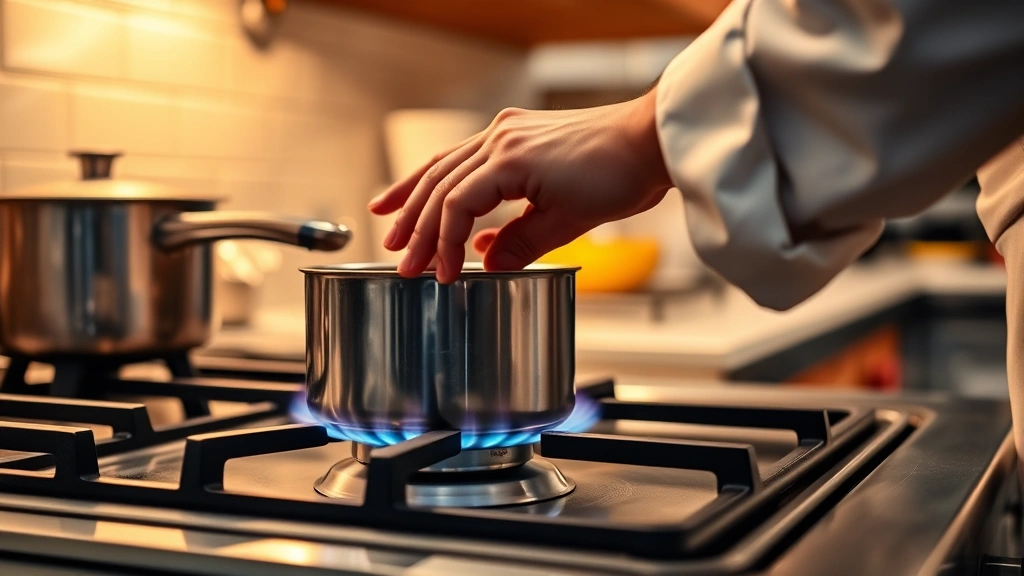
Gas cooktops have maintained their popularity among professional chefs for over a century, and for good reason. The efficiency of gas stoves lies in their immediate heat response—turning a dial produces instant flame with adjustable intensity. Unlike electric coil burners that require time to heat and cool, gas burners respond instantaneously to user input. This responsiveness allows chefs to execute precise cooking techniques, from searing at high temperatures to maintaining delicate simmering.
The thermal efficiency of gas cooktops typically ranges from 70-75%, meaning that roughly three-quarters of the heat generated reaches your cookware. Modern gas cooktop designs have improved significantly, with sealed burners and better insulation reducing heat loss. However, gas cooking does release combustion byproducts into your kitchen, including nitrogen dioxide and carbon monoxide in small quantities, which is why proper ventilation remains essential.
Professional chefs consistently cite flame visibility and heat control as primary reasons for preferring gas. You can see the flame’s intensity and adjust it with fine precision. The cookware sits directly in the flame, allowing for rapid temperature changes that are essential for techniques like flambéing, stir-frying, and rapid searing. This tactile feedback and visual control simply cannot be replicated with electric coil or smooth-top electric ranges.
Electric Oven Advantages and Performance
While gas cooktops excel at stovetop cooking, electric ovens offer distinct advantages for baking and roasting applications. Electric ovens provide superior temperature stability and uniformity, which is critical for baking where precision temperatures can mean the difference between a perfect cake and a collapsed one. The heating elements in electric ovens are typically located both above and below the cooking chamber, creating more consistent heat distribution compared to many gas oven designs.
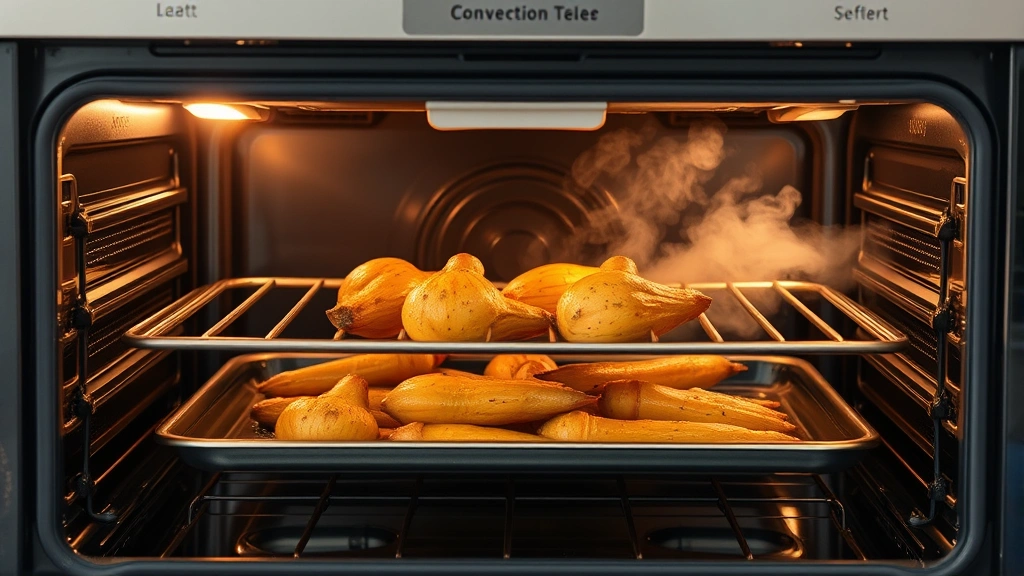
Modern electric ovens feature convection capabilities that circulate heated air throughout the cavity, ensuring even browning and cooking. This technology has become increasingly sophisticated, with sensors that maintain exact temperatures within 1-2 degrees Fahrenheit. For bakers and those preparing roasted vegetables or proteins requiring consistent results, this precision is invaluable.
Electric ovens also tend to have better insulation than their gas counterparts, retaining heat more efficiently and reducing energy consumption. The self-cleaning cycles on electric ovens operate at extremely high temperatures, making maintenance easier. Additionally, electric ovens eliminate the safety concerns associated with gas flame exposure and combustion byproducts in enclosed spaces.
The Hybrid Advantage: Gas Plus Electric
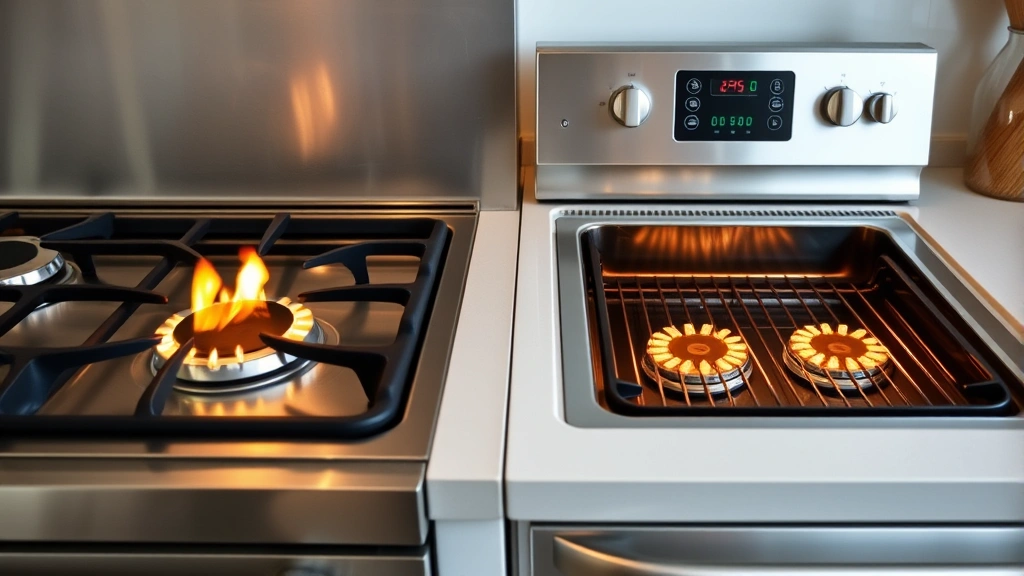
The combination of a gas stove with an electric oven creates a synergistic cooking solution that maximizes the strengths of both technologies. This hybrid approach allows you to harness the stovetop control that professional Whirlpool gas stove models provide while benefiting from the oven precision that electric heating delivers. Many modern kitchen designers and culinary professionals now recommend this exact configuration.
From a practical standpoint, this combination eliminates the compromises you’d make with either technology alone. Gas stoves require proper ventilation and can create humidity in your kitchen, while electric ovens don’t produce combustion byproducts. The gas cooktop’s open flame provides the cooking performance chefs demand, while the electric oven’s even heat distribution ensures consistent baking and roasting results.
This setup also addresses energy efficiency concerns. While gas cooktops have reasonable efficiency, electric ovens with convection technology often outperform gas ovens in terms of energy-to-cooking output ratio. By separating these functions, you can optimize each independently. Modern electric ovens with smart temperature controls and insulation can consume less energy than combined gas ranges while delivering superior results.
Chef Preferences and Professional Insights
Professional chefs across the culinary world show a strong preference for gas cooktops in restaurant kitchens. This isn’t merely tradition—it’s rooted in practical performance requirements. High-volume cooking demands rapid heat adjustments, precise temperature control, and the ability to manage multiple burners at varying heat levels simultaneously. Gas delivers on all these fronts with unmatched responsiveness.
However, many professional pastry chefs and bakers prefer electric ovens or specialized convection ovens for their baking operations. This explains why upscale restaurants often feature gas cooktops paired with dedicated electric or convection ovens. The separation of cooking functions allows each appliance to be optimized for its specific purpose.
Celebrity chefs and culinary educators frequently discuss this hybrid approach in cooking shows and culinary schools. The consensus among professionals is that the gas-electric combination represents the optimal kitchen configuration for both everyday home cooks and serious culinary enthusiasts. This preference isn’t driven by marketing but by decades of practical experience.
When considering your own kitchen setup, consulting the SustainWise Hub Blog’s main hub for additional appliance insights can provide valuable perspective on making choices that align with both performance and sustainability goals.
Energy Consumption and Environmental Impact
Environmental considerations increasingly influence kitchen appliance choices. Natural gas, while a fossil fuel, produces lower carbon emissions than coal or oil when used efficiently. However, the environmental impact of your cooking setup extends beyond energy source to actual consumption patterns and efficiency.
Electric ovens, particularly those powered by renewable energy sources, represent a pathway toward lower-carbon cooking. Many regions now offer electricity generated from wind, solar, and hydroelectric sources. By choosing an electric oven, you position your kitchen to benefit from increasingly clean energy grids. Gas, by contrast, remains tied to fossil fuel infrastructure.
The U.S. Environmental Protection Agency provides comprehensive data on household energy consumption and appliance efficiency. According to ENERGY STAR, ENERGY STAR certified electric ovens can reduce energy consumption by up to 15% compared to conventional models. This efficiency difference compounds over years of use.
Exploring sustainable energy solutions can help you understand how to power your gas-electric appliance combination with lower environmental impact. Consider pairing your cooking appliances with renewable energy adoption or carbon offset programs to further reduce your kitchen’s environmental footprint.
Natural gas leaks during extraction, processing, and distribution represent a significant environmental concern. Methane, the primary component of natural gas, has a global warming potential approximately 80 times greater than carbon dioxide over a 20-year period. This upstream environmental impact should factor into your decision-making process.
Installation and Safety Considerations
Installing a gas cooktop with an electric oven requires proper planning and professional installation. Gas lines must meet safety codes and be installed by certified technicians. Improper gas line installation poses serious safety risks including gas leaks, carbon monoxide exposure, and fire hazards. Never attempt DIY gas line installation.
Electric ovens require adequate electrical capacity. Most modern electric ovens demand a 240-volt circuit with appropriate amperage capacity. Your home’s electrical panel may need upgrades to support this requirement, adding to installation costs. Professional electricians should handle all electrical connections to ensure safety and code compliance.
Ventilation becomes particularly important when combining gas cooktops with electric ovens. Gas cooktops produce combustion byproducts that require exhaust venting. Installing a range hood or ventilation system that properly exhausts these byproducts outside is essential for indoor air quality and safety. This is one area where hybrid systems require careful attention.
Gas cooktops also present burn risks, particularly in households with children. The open flame requires education and supervision. Electric ovens, while hot during operation, don’t present the same open flame hazard. Understanding these safety differences helps you implement appropriate precautions.
Cost Analysis and Long-Term Value
The financial investment in a gas stove with electric oven combination varies based on quality, brand, and features. Premium models from established manufacturers may cost $2,000-$5,000 or more, while mid-range options typically fall between $1,000-$2,500. Initial cost is just one factor in the long-term value equation.
Operating costs depend on your local natural gas and electricity prices. In regions where natural gas is inexpensive, gas cooking may offer lower operational costs. However, as electricity increasingly comes from renewable sources, the cost advantage of gas diminishes while the environmental advantage of electric grows.
Maintenance costs differ between gas and electric components. Gas burners require periodic cleaning and may need replacement grates or burner caps over time. Electric oven elements are generally durable but can fail after years of use, requiring element replacement. Both systems are repairable, though professional service calls add costs.
Resale value considerations matter if you anticipate selling your home. Modern gas-electric combinations appeal to a broad range of buyers, particularly those who cook frequently or have specific culinary preferences. This hybrid approach often commands better resale value than single-fuel systems.
When analyzing long-term value, factor in how reducing your environmental footprint through appliance choices aligns with your values. Some homeowners prioritize environmental impact enough to accept slightly higher operational costs for cleaner cooking methods.
Maintenance and Durability
Gas cooktops require regular maintenance to operate safely and efficiently. Burner ports can become clogged with debris or food particles, reducing flame quality and heat distribution. Regular cleaning with appropriate brushes and tools keeps burners functioning optimally. Grates should be cleaned frequently to prevent buildup that can affect performance.
Electric ovens demand less frequent maintenance but require occasional attention. The interior should be cleaned regularly to prevent grease buildup, though self-cleaning cycles handle heavy-duty cleaning automatically. Racks and thermometers may need replacement over time, but these are inexpensive consumables.
The lifespan of well-maintained gas cooktops typically extends 15-20 years, while electric ovens often last 10-15 years depending on use frequency and quality. Premium models from established manufacturers generally outlast budget options. Proper installation and adherence to manufacturer maintenance recommendations significantly extend appliance life.
Spare parts availability differs between brands and models. Established manufacturers like Whirlpool, GE, and Samsung maintain parts availability for years after production, making repairs feasible. Lesser-known brands may have limited parts availability, making repairs impossible when components fail.
Professional maintenance services can extend appliance lifespan. Annual inspections of gas lines and connections ensure safety and identify potential issues before they become serious. Oven calibration services ensure continued temperature accuracy, particularly important for bakers and precision cooking.
Frequently Asked Questions
Is a gas stove with electric oven more efficient than a full electric range?
The efficiency comparison depends on specific models and usage patterns. Gas cooktops with 70-75% efficiency paired with modern electric ovens (which can exceed 80% efficiency in convection mode) often outperform full electric ranges in overall kitchen performance. However, full electric induction ranges achieve superior efficiency to gas, though they lack the flame control chefs prefer.
Can I install a gas cooktop and electric oven in any kitchen?
Most kitchens can accommodate this combination, but installation requirements vary. You’ll need access to a natural gas line or the ability to have one installed, adequate electrical capacity for the electric oven (typically requiring a 240-volt circuit), and proper ventilation for gas combustion byproducts. Professional assessment determines feasibility for your specific kitchen.
What ventilation system works best with gas cooktops?
Range hoods with ducting that vents outside work best, as they remove combustion byproducts completely. Recirculating hoods that filter and return air to the kitchen are less effective for gas cooktops. Downdraft ventilation systems offer an alternative when overhead hoods aren’t feasible, though they’re generally less efficient.
How much does installation cost for a gas stove with electric oven?
Installation costs vary widely based on your home’s existing infrastructure. Gas line installation might cost $300-$1,000 depending on distance and complexity. Electrical upgrades could range from $500-$2,000 if your panel requires work. Professional installation for the appliances themselves typically adds $200-$500. Ventilation system installation adds another $500-$2,000.
Are gas cooktops safe for homes with children?
Gas cooktops present burn risks from open flames and hot cookware. However, they’re safe when proper precautions are implemented: supervise children in the kitchen, educate them about kitchen safety, use back burners when possible, and consider safety gates if you have very young children. Many families successfully use gas cooktops with children through appropriate safety measures.
What brands offer quality gas stove with electric oven combinations?
Reputable manufacturers include Whirlpool, GE, Samsung, LG, and Viking. Mid-range options from Whirlpool and GE offer good value and reliability. Premium brands like Viking and Thermador cater to serious cooks willing to invest in top-tier performance. Review specific models for features, warranty coverage, and customer satisfaction ratings.
How do gas cooktops compare to induction cooktops?
Induction cooktops offer superior efficiency (up to 90%) and precise temperature control through magnetic technology. However, they require induction-compatible cookware and lack the visual flame feedback chefs prefer. Gas cooktops remain superior for high-heat cooking, wok cooking, and flame-based techniques. The choice depends on your cooking style and priorities.
Can I upgrade my existing gas range to a gas cooktop with separate electric oven?
Yes, many kitchens can be upgraded by replacing a combined gas range with separate gas and electric appliances. This requires assessing your existing gas line, electrical capacity, and cabinet configuration. Professional kitchen designers can evaluate feasibility and recommend optimal layouts for your space.


