Gas Tank Sealer: Eco-Friendly Options Explored
Maintaining vehicle fuel systems is essential for both performance and environmental protection. A compromised gas tank can lead to fuel leaks, vapor emissions, and contamination of soil and groundwater—serious ecological consequences that extend far beyond your vehicle. As sustainability becomes increasingly important, understanding eco-friendly gas tank sealer options allows you to make responsible choices that protect both your vehicle and the planet.
Traditional gas tank sealers often contain volatile organic compounds (VOCs) and toxic chemicals that harm air quality and water systems during application and disposal. Modern eco-conscious alternatives offer comparable durability and effectiveness while minimizing environmental impact. This comprehensive guide explores sustainable gas tank sealing solutions, their benefits, application methods, and how they fit into a broader commitment to reducing your environmental footprint.
Whether you’re a vehicle owner seeking preventative maintenance or an environmentally conscious individual evaluating sustainable alternatives, understanding these options empowers you to make informed decisions that align with your values.
Understanding Gas Tank Corrosion and Environmental Impact
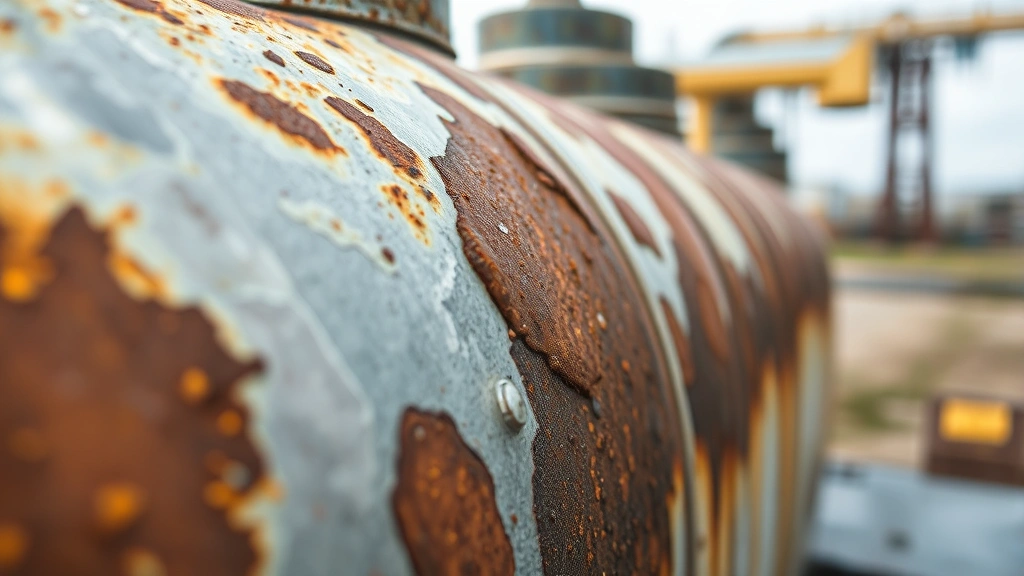
Fuel tanks deteriorate through oxidation, rust formation, and chemical degradation. Steel tanks are particularly vulnerable to corrosion when exposed to moisture, oxygen, and sulfur compounds present in fuel. This deterioration creates pinhole leaks that release gasoline and diesel into the environment, contaminating soil and groundwater aquifers that communities depend on for drinking water.
The environmental consequences of untreated tank leaks are significant. According to the EPA’s Underground Storage Tank program, petroleum leaks from vehicle fuel systems have contaminated thousands of sites across North America. Beyond contamination, fuel vapors contribute to ground-level ozone formation and air pollution that affects respiratory health in surrounding communities.
Traditional sealant products compound these problems. Many contain harsh solvents and epoxy resins that release VOCs during application, curing, and eventual disposal. These chemicals persist in the environment, bioaccumulate in ecosystems, and pose risks to aquatic life. Choosing sustainable gas tank sealer products represents a proactive step in preventing environmental damage while maintaining vehicle integrity.
Types of Eco-Friendly Gas Tank Sealers
The market for environmentally responsible tank maintenance has expanded significantly. Modern eco-friendly sealers fall into several categories, each offering distinct advantages and application scenarios. Understanding these categories helps you select the most appropriate solution for your specific needs and environmental commitments.
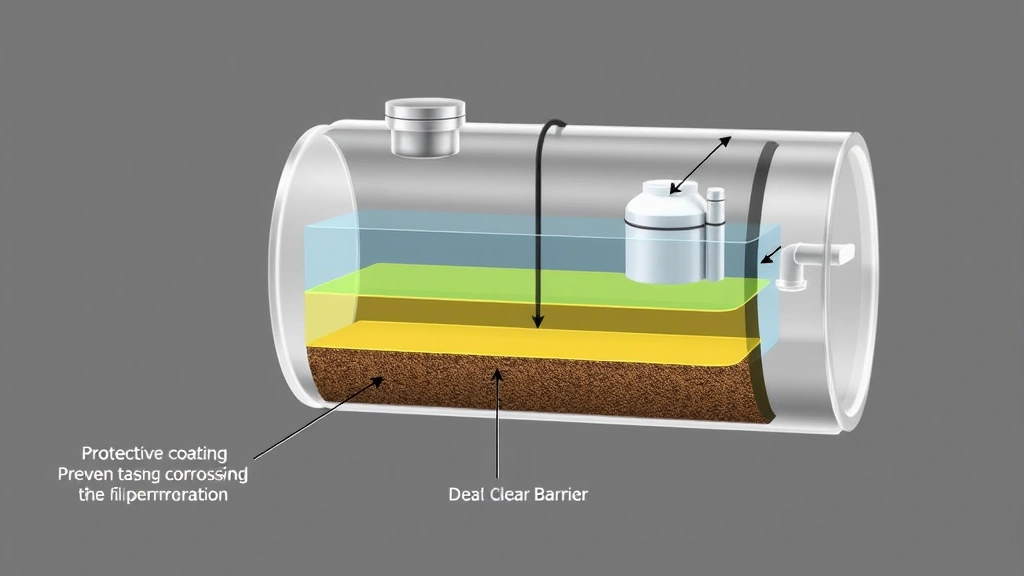
Leading manufacturers have responded to consumer demand by developing formulations that reduce harmful emissions without sacrificing effectiveness. These products utilize advanced chemistry to create protective barriers that resist fuel degradation, prevent corrosion, and seal micro-fractures. The transition toward sustainable options reflects broader industry recognition that environmental responsibility and product performance are not mutually exclusive.
When evaluating options, consider the specific condition of your tank, the type of fuel you use, and your vehicle’s age and intended use. Different formulations excel in different scenarios, and understanding these distinctions ensures you select a product that delivers optimal results while minimizing ecological impact.
Water-Based Sealant Solutions
Water-based gas tank sealers represent a significant advancement in eco-friendly fuel system maintenance. These formulations replace toxic organic solvents with water as the primary carrier, dramatically reducing VOC emissions during application and curing. Water-based products typically contain epoxy or polyurethane resins suspended in aqueous solutions, along with additives that enhance adhesion, flexibility, and corrosion resistance.
The advantages of water-based sealers extend beyond environmental benefits. These products produce minimal odor during application, making them safer for DIY users and professionals working in enclosed spaces. They cure through water evaporation rather than chemical reactions that generate harmful byproducts. Cleanup requires only water and basic tools, eliminating the need for harsh solvents that contaminate wastewater systems.
Performance data demonstrates that modern water-based formulations deliver durability comparable to traditional sealers. Independent testing shows they provide 5-10 years of effective protection against fuel permeation and corrosion in most vehicle applications. The cured coating resists fuel exposure, moisture penetration, and temperature fluctuations while maintaining flexibility that prevents cracking under thermal stress.
Application of water-based sealers requires proper surface preparation and environmental conditions. Tanks must be thoroughly cleaned and dried before application, as residual moisture can compromise adhesion. Ideal application temperatures range from 50-85°F with humidity below 85%, ensuring proper evaporation and curing. Most products cure to full strength within 24-48 hours, though complete hardening may require several days.
Bio-Based and Natural Alternatives
Emerging bio-based tank sealers utilize renewable resources and natural compounds to create protective coatings. These innovative formulations incorporate plant-derived resins, natural polymers, and bio-compatible additives that perform similarly to synthetic alternatives while offering superior environmental profiles. Leading examples include products based on soy-derived polyols, plant-based epoxies, and natural rubber compounds.
Bio-based sealers appeal to consumers committed to reducing reliance on petroleum-derived chemicals. These products align with circular economy principles by utilizing agricultural byproducts and renewable feedstocks. Manufacturing processes typically require less energy than synthetic alternatives, further reducing their carbon footprint. When eventually disposed of, many bio-based formulations biodegrade more readily than traditional sealers.
The performance characteristics of bio-based products continue improving as research advances. Current formulations provide excellent adhesion to metal substrates, resist fuel permeation effectively, and maintain flexibility across temperature ranges typical in automotive applications. Some products incorporate natural antimicrobial compounds that inhibit microbial growth within tanks, preventing fuel degradation and filter clogging.
Sourcing and certification become important considerations with bio-based products. Look for formulations certified by environmental organizations verifying renewable content percentages and sustainable sourcing practices. Products bearing EPA Safer Choice certification have undergone rigorous evaluation confirming reduced hazards to human health and the environment compared to conventional alternatives.
Application Methods and Best Practices
Proper application technique directly impacts sealant effectiveness and environmental outcomes. Whether selecting water-based, bio-based, or hybrid formulations, following manufacturer guidelines ensures optimal performance while minimizing waste and environmental exposure.
Surface Preparation: Successful sealing begins with thorough tank cleaning. Remove rust, scale, and sediment using mechanical methods or specialized cleaning solutions. Many eco-conscious applicators utilize vinegar-based rust removers or biodegradable degreasers instead of harsh chemical cleaners. After mechanical cleaning, rinse thoroughly with water and allow complete drying before sealant application.
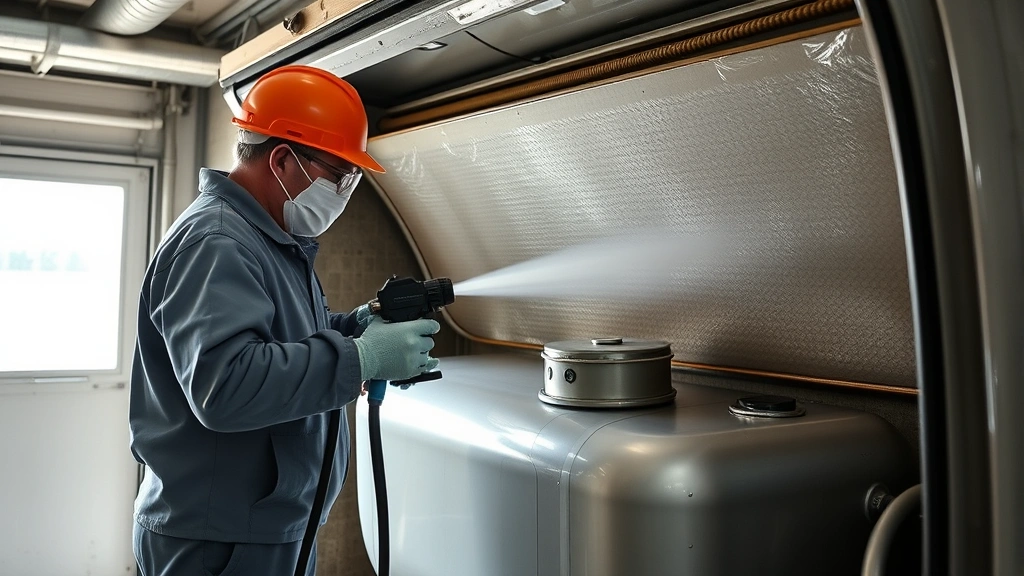
Application Technique: Most eco-friendly sealers are applied through one of three methods. Brush application works for accessible areas and small tanks, though it may leave visible brush marks. Spray application provides uniform coverage and professional results but requires proper ventilation and protective equipment. Rolling application offers a middle ground, delivering consistent coverage with minimal overspray and material waste.
Environmental Considerations: Apply products in well-ventilated areas or outdoors when possible, even water-based formulations. Capture and properly dispose of excess product rather than allowing it to enter storm drains. Use minimal quantities needed for adequate coverage, as oversaturation wastes material and extends curing time. Store unused portions in sealed containers away from heat and direct sunlight.
Curing and Hardening: Allow adequate curing time before returning the tank to service. Most eco-friendly sealers require 24-48 hours before fuel exposure, though some products offer faster cure times. During curing, maintain moderate temperatures and low humidity for optimal results. Avoid exposing freshly sealed tanks to extreme temperature fluctuations that can cause premature failure.
Comparing Performance and Sustainability
Evaluating gas tank sealers requires balancing performance metrics with environmental impact assessment. While traditional products may offer established track records, modern eco-friendly alternatives increasingly match or exceed their durability and effectiveness.
| Sealant Type | VOC Content | Expected Lifespan | Environmental Impact | Cost Range |
|---|---|---|---|---|
| Traditional Epoxy | High (500+ g/L) | 5-8 years | High (VOC emissions, toxic residues) | $50-$150 |
| Water-Based Epoxy | Low (<100 g/L) | 5-10 years | Low (minimal VOCs, biodegradable) | $75-$200 |
| Bio-Based Polyol | Very Low (<50 g/L) | 6-10 years | Very Low (renewable sources, biodegradable) | $100-$250 |
| Natural Rubber Compounds | Low (<80 g/L) | 4-8 years | Low-Moderate (natural materials, some processing) | $80-$180 |
Performance testing by independent laboratories shows that eco-friendly sealers effectively prevent fuel permeation, resist corrosion, and maintain adhesion across temperature ranges from -40°F to 180°F. Water-based and bio-based formulations demonstrate comparable or superior flexibility compared to traditional epoxies, reducing stress cracking in thermal cycling scenarios common in automotive applications.
Life cycle assessment studies reveal that eco-friendly options reduce total environmental burden when manufacturing, application, use, and disposal phases are evaluated comprehensively. Lower VOC emissions during production and application prevent air pollution and protect worker health. Reduced toxicity minimizes soil and water contamination risks throughout the product’s lifecycle. Many formulations biodegrade safely when eventually disposed of, unlike persistent synthetic chemicals.
Cost considerations have become increasingly favorable for eco-friendly options. While initial purchase prices may be slightly higher, the superior longevity of modern water-based and bio-based sealers reduces replacement frequency. Accounting for labor costs and vehicle downtime, total cost of ownership often favors sustainable alternatives over multiple applications of cheaper traditional products.
Prevention Strategies for Tank Longevity
The most sustainable approach to fuel system maintenance emphasizes prevention over remediation. Implementing protective practices extends tank lifespan, reduces the need for sealers, and minimizes environmental impact from fuel leaks and contamination.
Regular Inspection: Monitor your fuel tank regularly for signs of corrosion, leaks, or damage. Small issues caught early prevent catastrophic failures that cause environmental contamination. Annual inspections should include visual examination of the tank exterior, checking fuel filter condition, and monitoring fuel quality.
Fuel Quality Management: Use high-quality fuel from reputable sources containing detergents and corrosion inhibitors. Fuel additives help prevent internal tank degradation and microbial growth. Consider using fuel stabilizers during extended storage periods to prevent gum formation and oxidation that accelerates corrosion.
Moisture Control: Moisture inside fuel tanks promotes rust formation and microbial contamination. Keep fuel tanks as full as practical to minimize condensation on interior surfaces. During storage, maintain stable temperatures and humidity levels. If moisture accumulation occurs, use fuel drying additives containing isopropyl alcohol to remove water.
Temperature Management: Extreme temperature fluctuations accelerate tank degradation. Park vehicles in shaded areas when possible to reduce thermal stress on fuel systems. During winter, avoid rapid temperature changes that cause condensation inside tanks. Proper insulation and protective coverings extend tank lifespan in harsh climates.
Sustainable Vehicle Maintenance: Beyond tank-specific care, overall vehicle maintenance supports fuel system longevity. Regular engine maintenance optimizes fuel combustion, reducing byproduct accumulation in tanks. Proper tire pressure and aerodynamic efficiency improve fuel economy, decreasing tank cycling frequency and associated stress.
For environmentally conscious vehicle owners, exploring advantages of electric vehicles represents the ultimate preventative strategy, entirely eliminating fuel tank concerns while reducing transportation-related emissions.
Understanding sustainable energy solutions and green technology innovations transforming our future provides broader context for how fuel system maintenance fits into comprehensive sustainability strategies. For additional insights, explore our SustainWise Hub Blog covering diverse environmental topics.
FAQ
What is the best eco-friendly gas tank sealer available?
The optimal choice depends on your specific tank condition and environmental priorities. Water-based epoxy sealers offer excellent balance between performance, cost, and environmental impact. Bio-based formulations provide superior sustainability credentials for consumers prioritizing renewable materials. Research products certified by environmental organizations and read independent performance reviews before selecting.
How long do eco-friendly gas tank sealers last?
Most modern water-based and bio-based sealers provide 5-10 years of effective protection under normal driving conditions. Longevity depends on fuel type, driving patterns, climate exposure, and maintenance practices. Vehicles operating in extreme temperatures or high-mileage scenarios may require resealing sooner. Regular inspections help identify when reapplication becomes necessary.
Can I apply gas tank sealer myself, or do I need professional help?
Many eco-friendly sealers are designed for DIY application with proper preparation and technique. Water-based products are particularly accessible for owner application due to minimal toxicity and simple cleanup. However, professional application ensures optimal surface preparation and technique. For complex tank damage or vehicles with inaccessible fuel systems, professional services provide better results and warranties.
Are water-based sealers as effective as traditional chemical sealers?
Yes, modern water-based formulations perform comparably or better than traditional products. Independent testing confirms they effectively prevent fuel permeation, resist corrosion, and maintain flexibility across temperature ranges. The primary difference is reduced VOC emissions and toxicity, not performance degradation. Water-based products often outlast traditional sealers in thermal cycling scenarios.
What should I do with leftover sealer after application?
Store unused product in sealed, airtight containers in cool, dry locations away from direct sunlight. Most eco-friendly sealers remain viable for 1-3 years when properly stored. Never pour excess product down drains or into soil. Contact local hazardous waste facilities for proper disposal of unused portions. Some retailers accept unopened containers for recycling programs.
How do I know if my fuel tank needs sealing?
Signs indicating sealing may be necessary include visible rust or corrosion on the exterior, fuel odors suggesting leaks, decreased fuel efficiency indicating vapor loss, or fuel filter contamination suggesting internal degradation. Professional fuel system inspections can assess internal tank condition. Preventative sealing for older vehicles with intact tanks extends lifespan and prevents future environmental contamination.
Can gas tank sealers be used on diesel fuel systems?
Many eco-friendly sealers work effectively with both gasoline and diesel fuel. However, diesel’s different chemical composition and temperature characteristics require formulations specifically tested for diesel compatibility. Always verify product compatibility with your fuel type before application. Specialized diesel tank sealers ensure optimal performance and prevent degradation.
What environmental certifications should I look for?
Seek products bearing EPA Safer Choice certification, indicating reduced hazards compared to conventional alternatives. Look for Green Seal certification confirming environmental and health criteria compliance. Products with Global Organic Latex Standard certification provide assurance of natural material sourcing and processing practices. Third-party testing and transparent ingredient disclosure indicate manufacturer commitment to sustainability.


