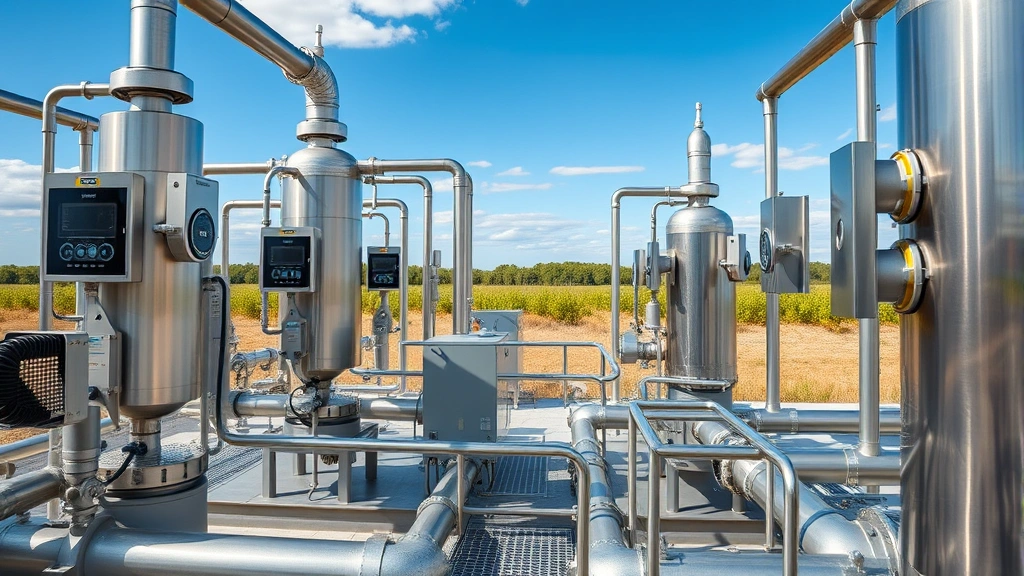
Gas Treatment: Does It Affect Sustainability?
Gas treatment has become an increasingly critical component of modern energy infrastructure, yet its sustainability implications remain poorly understood by the general public. As industries and households continue to rely on natural gas for heating, electricity generation, and various industrial processes, understanding how gas treatment impacts our environment becomes essential. Gas treatment encompasses a wide range of processes designed to purify, condition, and prepare natural gas for safe distribution and use, but each treatment method carries distinct environmental consequences.
The relationship between gas treatment and sustainability is complex and multifaceted. While proper gas treatment is necessary to ensure safe energy delivery and prevent system contamination, the processes themselves consume significant energy, generate waste products, and require careful management to minimize ecological impact. This comprehensive guide explores the various dimensions of gas treatment sustainability, examining both the environmental challenges and emerging solutions that are reshaping how we approach this critical energy infrastructure.
Understanding Gas Treatment Fundamentals
Gas treatment refers to the comprehensive process of removing impurities, water vapor, and unwanted compounds from natural gas before it reaches end-users. Natural gas extracted from wells contains numerous contaminants including hydrogen sulfide, carbon dioxide, nitrogen, water vapor, and various hydrocarbons that must be separated for safety and efficiency reasons. The treatment process ensures that gas meets strict quality standards established by regulatory bodies and prevents equipment damage, corrosion, and operational inefficiencies.
The primary objectives of gas treatment include dehydration, desulfurization, and removal of heavy hydrocarbons. Dehydration prevents ice crystal formation in pipelines during cold weather, which could cause blockages. Desulfurization removes corrosive hydrogen sulfide compounds that damage equipment and create hazardous conditions. Understanding these fundamental processes is crucial for evaluating their sustainability implications and determining how they fit into broader environmental footprint reduction strategies.
Different treatment methods employ varying technologies, from absorption and adsorption systems to membrane separation and chemical conversion processes. Each method has distinct resource requirements and environmental consequences. The choice of treatment technology often depends on the specific composition of the source gas, local regulatory requirements, and economic considerations, though sustainability factors are increasingly influencing these decisions.
Environmental Impact of Traditional Gas Treatment
Traditional gas treatment methods have operated for decades with primary focus on operational efficiency and safety rather than environmental sustainability. Many conventional treatment facilities generate substantial waste streams, consume significant quantities of water and energy, and produce byproducts that require careful disposal or management. The environmental footprint of these facilities extends beyond their immediate operational area, affecting water systems, air quality, and land use patterns.
One of the most concerning aspects of traditional gas treatment is the generation of spent adsorbents and solvents that often end up in landfills or require incineration. These materials may contain concentrated quantities of removed compounds, including sulfur compounds and heavy hydrocarbons, which pose environmental risks if not properly managed. Additionally, many older treatment facilities were designed with minimal environmental controls, leading to fugitive emissions of volatile organic compounds and other air pollutants.
The cumulative effect of widespread traditional gas treatment practices has contributed meaningfully to industrial emissions profiles. Studies indicate that gas treatment facilities account for a measurable portion of industrial greenhouse gas emissions in regions with significant natural gas infrastructure. As climate awareness increases and sustainable energy solutions gain prominence, the pressure to reform traditional treatment methods has intensified considerably.
Water Usage and Contamination Concerns
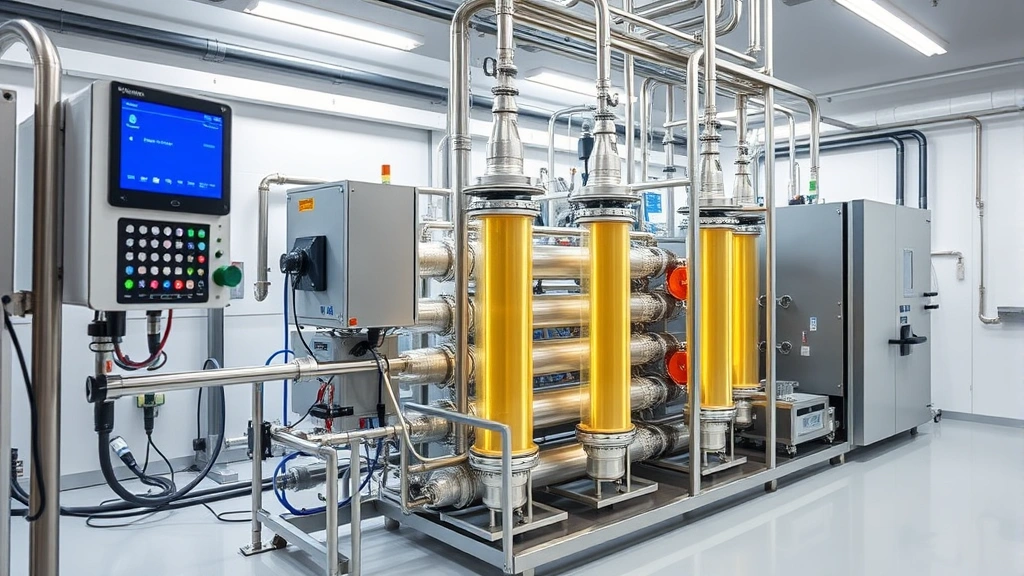
Water consumption represents one of the most significant environmental concerns associated with gas treatment operations. Many treatment processes require substantial quantities of water for cooling, washing, and chemical processes. In regions experiencing water scarcity or drought conditions, this consumption can strain local water resources and create conflicts between energy infrastructure and community water needs.
Beyond consumption, water contamination represents an equally serious sustainability challenge. Treatment processes can generate wastewater containing dissolved salts, residual chemicals, and concentrated contaminants removed from the gas stream. If not properly treated before discharge, this wastewater can contaminate groundwater and surface water systems, affecting aquatic ecosystems and potentially compromising drinking water supplies. The Environmental Protection Agency has established increasingly stringent standards for treatment facility wastewater discharge, reflecting growing recognition of these risks.
Advanced treatment facilities now employ closed-loop water systems, wastewater treatment technologies, and water recycling methods to minimize both consumption and contamination risks. These improvements require capital investment and operational complexity but represent essential steps toward more sustainable gas treatment practices. Facilities that implement comprehensive water management strategies demonstrate that operational excellence and environmental responsibility can be achieved simultaneously.
Chemical Additives and Sustainability Issues
Gas treatment relies on various chemical additives to accomplish purification objectives, and the sustainability implications of these chemicals deserve careful examination. Dehydration agents, corrosion inhibitors, biocides, and odorization compounds are routinely added to natural gas during treatment, and each presents distinct environmental considerations. While these chemicals serve important operational purposes, their production, use, and eventual environmental fate raise legitimate sustainability concerns.
Triethylene glycol (TEG), one of the most widely used dehydrating agents, exemplifies the complexity of chemical sustainability in gas treatment. While effective at removing water vapor, TEG can accumulate in treatment facilities and requires careful disposal. If released into the environment, it can persist and potentially impact aquatic systems. Similarly, corrosion inhibitor chemicals and biocides used to prevent microbial growth in treatment systems may have environmental persistence or toxicity concerns that warrant ongoing evaluation and mitigation.
The push toward greener chemical alternatives is gradually reshaping the gas treatment industry. Researchers and equipment manufacturers are developing biodegradable and less toxic alternatives to conventional additives, though cost and performance considerations sometimes slow adoption. Facilities that prioritize chemical sustainability typically implement rigorous inventory management, recycling programs, and disposal protocols that minimize environmental release of these substances.
Energy Consumption in Treatment Processes
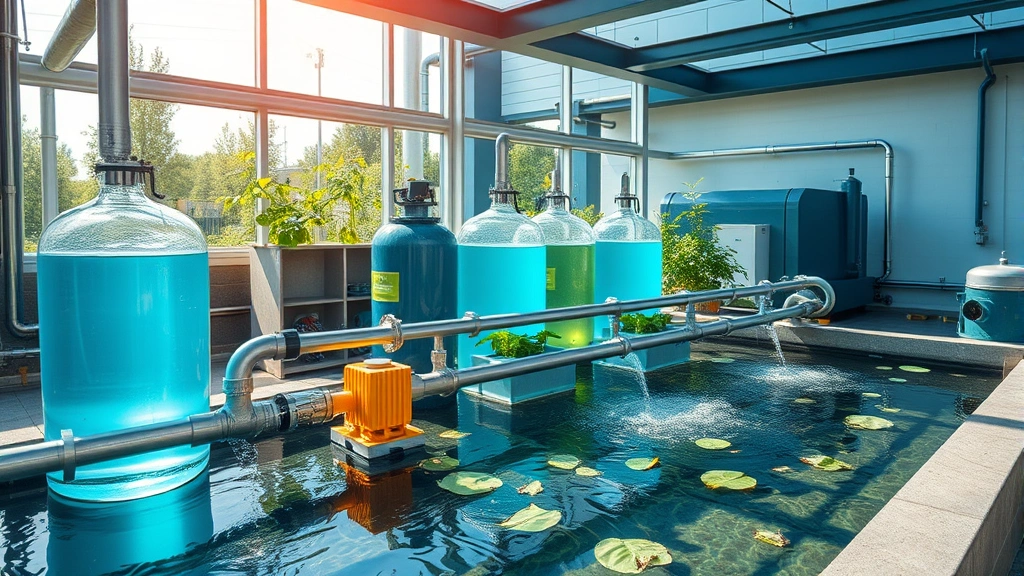
The energy intensity of gas treatment operations represents a fundamental sustainability paradox: energy infrastructure requires energy-intensive processes to function safely and efficiently. Compression systems, heating and cooling equipment, separation machinery, and control systems collectively consume substantial electricity or fuel. In many cases, this energy comes from conventional power grids that may rely significantly on fossil fuels, creating a circular dependency where energy infrastructure consumes energy from other energy infrastructure.
The magnitude of this energy consumption is substantial. Large-scale gas treatment facilities can consume megawatts of power continuously, and the cumulative energy demand of all treatment facilities across regional and national infrastructure networks represents a meaningful portion of total industrial energy consumption. Improving the energy efficiency of treatment processes offers significant opportunities for reducing overall sustainability impacts, yet many facilities operate with outdated equipment designed decades ago when energy efficiency was not a primary design consideration.
Modern treatment facilities increasingly incorporate energy efficiency improvements including variable frequency drives on pump and compressor motors, waste heat recovery systems, and optimized process control. These upgrades can reduce energy consumption by 20-40 percent while maintaining or improving treatment effectiveness. As electricity grids increasingly incorporate renewable energy sources, the sustainability profile of gas treatment improves accordingly, demonstrating how infrastructure sustainability is interconnected with broader energy system transformation.
Sustainable Gas Treatment Innovations
The sustainability challenges associated with traditional gas treatment have catalyzed significant innovation in treatment technology and methodology. Advanced membrane separation systems, molecular sieve technologies, and novel chemical processes offer pathways toward substantially reducing the environmental footprint of gas treatment operations. These innovations typically focus on reducing energy consumption, minimizing waste generation, and eliminating or replacing problematic chemical additives.
Membrane technology represents one of the most promising innovation areas, offering selective separation of gas components with minimal chemical requirements and reduced energy intensity compared to conventional absorption methods. Hollow fiber membranes and spiral-wound modules can effectively remove water vapor and certain contaminants while generating less waste and requiring lower operating costs. As membrane materials improve and manufacturing scales increase, this technology is becoming economically competitive with traditional methods while offering superior sustainability profiles.
Solid sorbent technologies utilizing advanced materials like metal-organic frameworks and zeolites offer another innovation pathway. These materials can be regenerated and reused repeatedly, eliminating the waste stream associated with spent solvents in absorption systems. While still emerging in commercial applications, these technologies demonstrate significant potential for transforming gas treatment sustainability. Research institutions and equipment manufacturers continue developing and refining these approaches, supported by both regulatory incentives and corporate sustainability commitments.
Digital optimization and artificial intelligence are also reshaping gas treatment sustainability. Advanced monitoring systems and predictive analytics enable facility operators to optimize treatment processes in real-time, reducing energy consumption and chemical usage while maintaining safety and quality standards. These technologies represent a convergence of digital transformation and sustainability improvement, demonstrating how innovation in information technology can drive environmental benefits across industrial sectors.
Comparing Gas Treatment to Alternative Energy Sources
Understanding the sustainability implications of gas treatment requires comparing natural gas infrastructure, including its treatment requirements, to alternative energy sources. While gas treatment presents environmental challenges, natural gas itself offers certain advantages compared to coal and petroleum products in terms of carbon intensity and air pollution. However, this comparative advantage diminishes as renewable energy technologies improve and become more cost-competitive, raising important questions about the long-term role of natural gas in sustainable energy systems.
The advantages of electric vehicles and renewable electricity generation increasingly suggest that direct electrification rather than continued reliance on natural gas represents the optimal sustainability path for many applications. Heat pumps, induction cooking, and electric water heating can replace natural gas appliances with substantially lower lifecycle environmental impacts. However, natural gas infrastructure will likely remain relevant for several decades during the energy transition, making gas treatment sustainability improvements essential for reducing interim environmental impacts.
For industrial processes that currently depend on natural gas and cannot be readily electrified, improving the sustainability of gas treatment becomes a practical necessity. The natural gas water heater industry exemplifies this transition challenge: while electric heat pump water heaters offer superior long-term sustainability, existing natural gas infrastructure will require continued treatment and maintenance for years to come. Focusing on treatment sustainability during this transition period represents pragmatic environmental stewardship.
Comparing gas treatment requirements to renewable energy infrastructure reveals interesting sustainability tradeoffs. While renewable energy systems avoid fuel extraction and treatment challenges, they present their own sustainability considerations including manufacturing impacts, land use requirements, and end-of-life management. Comprehensive lifecycle assessments demonstrate that the optimal sustainability approach typically involves diverse energy sources, with natural gas playing a transitional role while treatment sustainability is continuously improved.
Regulatory Framework and Sustainability Standards
Government regulations increasingly recognize gas treatment’s environmental significance and are establishing standards designed to improve sustainability outcomes. The EPA’s air emissions standards for the oil and natural gas industry include specific requirements for treatment facility operations, including controls on volatile organic compound emissions and methane venting. These regulations drive investment in cleaner treatment technologies and better operational practices across the industry.
Beyond air quality standards, emerging regulations address water management, waste disposal, and chemical usage in treatment facilities. State-level regulations in major gas-producing regions increasingly impose stricter requirements on wastewater treatment and disposal, encouraging facilities to implement advanced treatment technologies and minimize environmental release. The Interstate Oil and Gas Compact Commission facilitates coordination among states to establish consistent standards while allowing regional flexibility.
International climate agreements and corporate sustainability commitments are also reshaping gas treatment practices. Companies operating globally increasingly adopt sustainability standards that exceed regulatory minimums, recognizing that environmental leadership provides competitive advantages and attracts investment. Industry associations and professional organizations are developing best practice guidelines that help facilities identify cost-effective sustainability improvements while maintaining operational safety and reliability.
The regulatory trajectory clearly points toward increasingly stringent sustainability requirements for gas treatment operations. Facilities investing now in modern, efficient treatment technologies position themselves favorably for future regulatory requirements while reducing current environmental impacts. This alignment of business interest and environmental responsibility suggests that regulatory-driven sustainability improvements in gas treatment will continue accelerating in coming years.
FAQ
What is the primary purpose of gas treatment?
Gas treatment removes impurities, water vapor, and unwanted compounds from natural gas to ensure safe distribution and prevent equipment damage. The process includes dehydration to prevent pipeline blockages, desulfurization to remove corrosive compounds, and removal of heavy hydrocarbons that could condense in pipelines.
How does gas treatment affect sustainability?
Gas treatment impacts sustainability through energy consumption, water usage, chemical additive requirements, and waste generation. Traditional treatment methods can be energy-intensive and generate waste streams requiring careful disposal. However, modern innovations and improved practices are substantially reducing these environmental impacts while maintaining necessary safety and quality standards.
What are the main environmental concerns with traditional gas treatment?
Primary concerns include energy consumption, water contamination risks, generation of spent solvents and adsorbents requiring disposal, chemical additive environmental fate, and fugitive emissions from treatment facilities. These cumulative impacts contribute meaningfully to industrial environmental footprints in regions with significant gas infrastructure.
Are there sustainable alternatives to current gas treatment methods?
Yes, emerging technologies including advanced membrane systems, solid sorbent materials, and digital optimization approaches offer more sustainable treatment alternatives. These innovations typically reduce energy consumption, minimize waste generation, and decrease chemical requirements compared to conventional absorption and adsorption methods.
How do regulations address gas treatment sustainability?
The EPA and state regulatory agencies establish air emissions standards, wastewater treatment requirements, and operational protocols for treatment facilities. Regulations continue evolving toward stricter sustainability standards, encouraging facilities to invest in modern treatment technologies and implement best management practices.
What is the relationship between gas treatment and climate change?
Gas treatment contributes to climate impacts through energy consumption, often sourced from fossil fuel-based electricity grids, and through fugitive methane and other greenhouse gas emissions from treatment facilities. Improving treatment efficiency and transitioning to renewable energy sources for facility operations can substantially reduce these climate impacts.
How can facility operators improve gas treatment sustainability?
Operators can implement energy efficiency improvements, upgrade to modern treatment technologies, establish closed-loop water systems, optimize chemical usage, invest in renewable energy for facility operations, and adopt digital monitoring systems. Regular audits and continuous improvement practices help identify cost-effective sustainability enhancements.
Does natural gas treatment make gas a sustainable energy source?
While proper treatment ensures safe gas delivery, it does not fundamentally transform natural gas into a sustainable energy source. Natural gas remains a fossil fuel with carbon emissions. However, improved treatment sustainability is valuable during the energy transition period while natural gas infrastructure remains in use, and it reduces interim environmental impacts compared to untreated alternatives.


