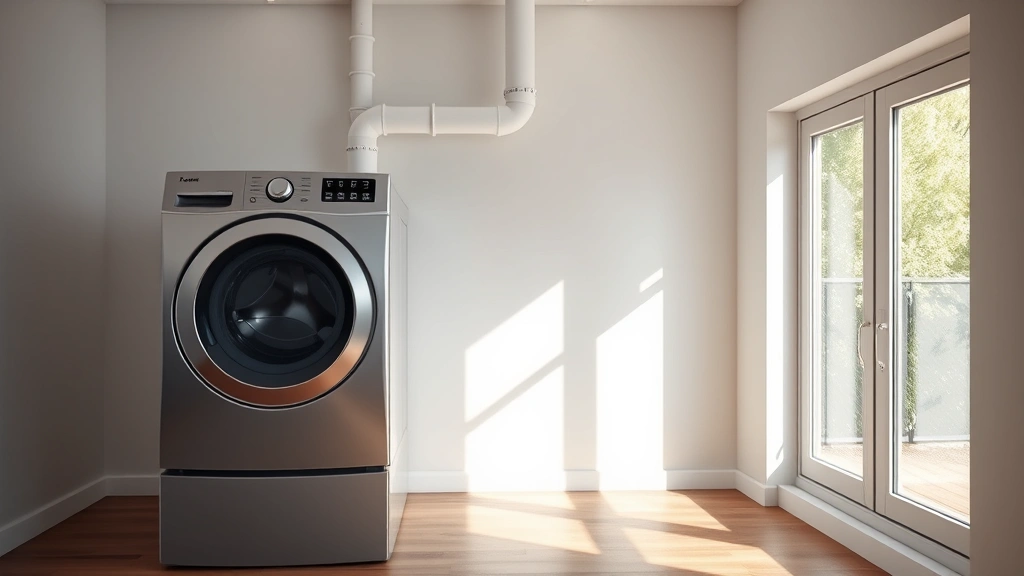
Gas vs Electric Dryer: Energy Expert’s Take
When it comes to household appliances, few decisions impact both your utility bills and environmental footprint quite like choosing between a gas and electric dryer. This choice extends far beyond personal preference—it touches on energy efficiency, operating costs, environmental responsibility, and long-term sustainability. As homeowners increasingly seek ways to reduce their carbon footprint and energy consumption, understanding the nuances of gas versus electric dryers becomes essential.
The dryer sits among the most energy-intensive appliances in the average home, typically accounting for 3-5% of residential electricity consumption. For those committed to sustainability, this decision deserves careful consideration. Both technologies have legitimate advantages and drawbacks, and the optimal choice depends on your specific circumstances, local energy infrastructure, and environmental priorities.
Understanding Gas and Electric Dryer Technology
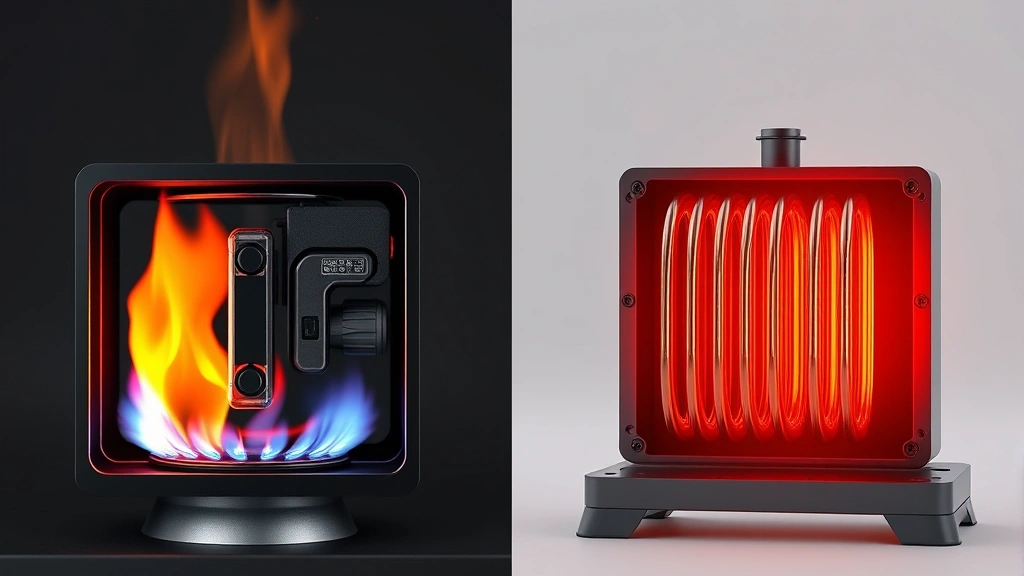
Gas dryers operate by igniting natural gas or propane to create heat that dries your clothes. An electric igniter or pilot light initiates combustion, and a heating element maintains consistent temperatures throughout the drying cycle. The moisture-laden air is then vented outside, carrying dampness away from your garments. This straightforward mechanism has remained largely unchanged for decades, though modern models incorporate sophisticated sensors and controls.
Electric dryers, by contrast, use electric heating elements powered by 240-volt circuits in most North American homes. These resistance coils generate heat directly without combustion, and moisture is similarly vented outdoors. The simplicity of electric heating means fewer moving parts and typically lower maintenance requirements. Modern electric dryers frequently feature heat pump technology, which represents a significant technological leap—these units recycle heated air and moisture to dramatically reduce energy consumption.
Understanding these mechanical differences provides the foundation for evaluating which technology aligns with your household’s needs and values. The choice between these systems influences not only immediate drying performance but also your participation in broader sustainable energy solutions.
Energy Efficiency Comparison
When examining efficiency metrics, the data reveals compelling distinctions between technologies. Traditional electric dryers consume approximately 3,000-5,000 watts per cycle, while gas dryers typically use 300-600 watts—a dramatic difference that reflects gas’s superior heat generation capacity. However, this comparison oversimplifies the complete energy picture.
Gas dryers achieve faster drying times because natural gas generates more intense heat than electric resistance coils. A typical gas dryer cycle completes in 30-40 minutes, while standard electric models require 45-60 minutes. This efficiency advantage means lower per-load energy consumption, translating to meaningful savings across thousands of annual drying cycles.
Heat pump electric dryers fundamentally alter this equation. These advanced units operate at significantly lower temperatures, recirculating warm air multiple times before venting. Though cycle times extend to 60-120 minutes, overall energy consumption drops by 50-80% compared to conventional electric dryers. Energy Star certified heat pump models represent the most efficient drying technology currently available, consuming as little as 1.5 kWh per load.
The efficiency advantage becomes context-dependent when considering your regional electrical grid composition. In areas powered predominantly by renewable sources, electric dryers—particularly heat pump models—demonstrate superior overall efficiency. Conversely, regions relying heavily on fossil fuel power generation may see gas dryers presenting a more favorable energy profile. This consideration connects directly to understanding whether natural gas is renewable and your local energy infrastructure.
Operating Costs and Long-Term Economics
Monthly utility expenses represent the most tangible factor influencing most household purchasing decisions. Current average utility rates in the United States price natural gas at approximately $0.03-0.05 per therm, while electricity averages $0.12-0.18 per kilowatt-hour, though rates vary significantly by region and season.
For a family performing 300 drying loads annually, operating costs typically break down as follows:
- Traditional electric dryer: $200-350 annually
- Gas dryer: $80-150 annually
- Heat pump electric dryer: $50-100 annually
Gas dryers maintain a substantial operating cost advantage over conventional electric models—roughly 50-75% lower annual expenses. However, this economic benefit presumes stable gas pricing and ignores installation costs. Retrofitting a home without existing gas infrastructure requires running new gas lines, installing proper venting, and potentially upgrading the home’s gas meter—expenses ranging from $800-2,500.
Heat pump electric dryers occupy an interesting middle ground. Though initial purchase prices run $400-800 higher than conventional models, the dramatic energy savings recoup this premium within 3-5 years for average households. Over a dryer’s typical 13-year lifespan, heat pump models generate $1,500-3,000 in cumulative savings compared to standard electric dryers.
To truly optimize household expenses, consider conducting a comprehensive audit of your home’s energy consumption. Strategies outlined in our guide to reducing your environmental footprint extend far beyond dryer selection alone.
Environmental Impact Analysis
The environmental equation extends well beyond operational efficiency metrics. Each technology carries distinct upstream and downstream environmental implications worthy of serious consideration.
Gas dryers depend on natural gas extraction, processing, and distribution infrastructure. While natural gas burns cleaner than coal or oil, combustion still releases carbon dioxide and methane—potent greenhouse gases. Methane leakage during extraction, processing, and transportation amplifies the environmental burden; studies suggest 2-3% of produced gas escapes into the atmosphere before reaching consumer appliances. Additionally, natural gas extraction through hydraulic fracturing raises concerns about groundwater contamination, habitat disruption, and induced seismic activity.
Electric dryers’ environmental footprint depends entirely on your regional electrical grid’s energy composition. A heat pump dryer powered by renewable electricity represents nearly carbon-neutral operation. Conversely, the same appliance in a coal-dependent region generates substantially higher lifecycle emissions than a gas dryer. Most North American electrical grids increasingly incorporate wind, solar, and hydroelectric generation, improving the environmental case for electric appliances over time.
Lifecycle assessment studies from the U.S. Environmental Protection Agency consistently demonstrate that heat pump electric dryers offer superior environmental performance across most scenarios. Even in regions with carbon-intensive electrical grids, heat pump models typically outperform gas alternatives when accounting for complete lifecycle impacts.
Manufacturing considerations also merit attention. Electric dryers require fewer complex components than gas models, reducing production-phase environmental costs. Gas dryers necessitate precision-engineered combustion systems, safety mechanisms, and venting infrastructure, increasing manufacturing complexity and resource consumption.
Understanding your role in broader environmental stewardship connects to exploring green technology innovations reshaping household sustainability.
Installation and Infrastructure Requirements
Practical installation considerations often determine which technology becomes viable for specific households. Gas dryers require either existing natural gas infrastructure or substantial retrofit investments. Homes with gas water heaters, furnaces, or stoves likely have accessible gas lines, simplifying installation to $200-500 for a professional hookup.
Properties without gas service face more challenging economics. Running new gas lines from the meter to a laundry location can cost $1,500-3,000, with prices escalating if extensive wall modifications are necessary. Some apartment dwellers or properties in all-electric communities cannot pursue gas dryer installation regardless of economic incentives.
Electric dryers present simpler installation profiles. Most homes already possess 240-volt circuits dedicated to laundry applications. Replacing an existing electric dryer typically requires only unplugging the old unit and connecting the new one—a 15-minute process requiring no professional installation. Even upgrading from 120-volt to 240-volt service costs substantially less than installing new gas lines.
Venting requirements apply to both technologies. Both gas and electric dryers require direct external venting through rigid or semi-rigid ducting. Improperly vented dryers reduce efficiency, damage clothing, and create moisture problems. Installation must ensure ductwork slopes slightly downward toward exterior termination, minimizes bends, and maintains appropriate diameter specifications.
For renters or those in temporary housing situations, electric dryers offer obvious practical advantages. The lower installation friction and reduced infrastructure requirements make electric dryers the accessible choice for most households.
Safety Considerations and Maintenance
Safety profiles differ meaningfully between technologies, with each presenting distinct hazard considerations. Gas dryers introduce combustion risks if not properly installed and maintained. Gas leaks, though rare with modern appliances, pose serious health dangers including carbon monoxide exposure. Annual professional inspections protect against these risks but add ongoing maintenance costs.
Gas dryer pilot lights and igniters occasionally malfunction, though modern electronic ignition systems prove highly reliable. Combustion byproducts require proper venting; blockages create indoor air quality problems and efficiency losses. The combustion process generates slightly more lint than electric dryers, necessitating more frequent vent cleaning.
Electric dryers eliminate combustion hazards but present distinct concerns. Resistance heating elements can occasionally fail, though replacement costs remain modest ($100-300). The absence of combustion makes electric dryers inherently safer regarding indoor air quality, though proper external venting remains essential.
Heat pump electric dryers operate at lower temperatures, reducing fire risk compared to conventional electric models. The sophisticated control systems do introduce potential repair complexity; when failures occur, replacement parts may cost more than traditional dryer components. However, the robust engineering of quality heat pump models translates to exceptional reliability and longevity.
Routine maintenance applies universally: clean lint filters after every load, inspect ductwork quarterly for blockages, and verify exterior vents open freely. These simple steps extend appliance lifespan, maintain efficiency, and prevent safety issues regardless of technology choice.

Future Outlook and Emerging Technologies
The appliance industry is undergoing profound transformation driven by climate consciousness and efficiency mandates. Regulatory bodies increasingly restrict high-energy appliances; the European Union has phased out inefficient gas dryers entirely, and North American standards continue tightening.
Heat pump technology represents the current efficiency frontier, but innovation continues advancing. Emerging ultra-efficient models incorporate machine learning algorithms that optimize cycle parameters based on fabric types and moisture content. Some manufacturers develop hybrid systems combining heat pump efficiency with gas supplementation during peak drying demands.
As electrical grids worldwide incorporate increasing renewable energy percentages, the environmental advantage of electric appliances strengthens. Many utilities now offer time-of-use pricing encouraging appliance operation during periods of renewable abundance. Future smart dryers will coordinate operation with grid conditions, maximizing use of clean energy while minimizing reliance on fossil fuel generation.
Natural gas infrastructure faces uncertain long-term viability. Many municipalities have begun restricting or eliminating gas connections in new construction, anticipating future electrification. Homeowners installing gas dryers today may face stranded infrastructure as regional policies shift toward all-electric building standards.
The trajectory clearly favors electric dryers, particularly heat pump models. Forward-thinking households selecting appliances today should anticipate regulatory and infrastructure changes likely to accelerate electrification over the coming decades.
FAQ
Which dryer type dries clothes fastest?
Gas dryers typically complete cycles 15-20 minutes faster than conventional electric dryers due to superior heat output. Heat pump electric dryers take longer—sometimes 90+ minutes—but use dramatically less energy per load. If drying speed is your priority, gas dryers excel; if energy efficiency matters most, heat pump models win.
Are heat pump dryers worth the extra upfront cost?
For most households, yes. Heat pump dryers cost $400-800 more initially but save $50-200 annually on utility bills. This premium recoups within 3-5 years, with substantial additional savings accumulating over the appliance’s remaining lifespan. Environmental benefits provide additional justification beyond pure economics.
Can I convert from electric to gas dryer?
Converting requires installing gas lines, which costs $800-2,500 depending on distance and complexity. This significant expense makes conversion uneconomical unless you’re already undertaking major renovations. Most households find it more sensible to replace electric dryers with efficient electric alternatives rather than invest in gas infrastructure.
What’s the environmental impact of my dryer choice?
This depends on your regional electrical grid composition. In areas with renewable-heavy grids, electric dryers—particularly heat pump models—generate 40-70% fewer lifecycle emissions than gas alternatives. Even in fossil fuel-dependent regions, modern heat pump electric dryers typically match or exceed gas dryers’ environmental performance.
How often should I maintain my dryer?
Clean the lint filter after every load. Inspect ductwork and exterior vents quarterly for blockages. Schedule professional gas dryer inspections annually to verify safe operation. Electric dryers require less frequent professional service but benefit from annual duct cleaning to maintain efficiency.
Do gas dryers use less electricity than electric dryers?
Gas dryers use roughly 80-85% less electricity than conventional electric dryers because heating comes from combustion rather than resistance elements. However, this advantage disappears when comparing gas dryers to heat pump electric models, which use comparable or less total energy when accounting for electricity consumption.


