Gas Water Heater Efficiency: The Complete 40 Gallon Guide
A 40-gallon gas water heater represents one of the most common appliances in American households, serving approximately 50 million homes with reliable hot water for daily needs. Understanding the efficiency metrics, operational costs, and environmental impact of these systems is essential for homeowners seeking to optimize their energy consumption while maintaining comfort. This comprehensive guide explores how gas water heaters function, what efficiency ratings mean, and how to maximize performance in your home.
The energy efficiency of your water heating system directly influences your monthly utility bills and carbon footprint. A standard 40-gallon gas water heater typically accounts for 15-25% of household energy consumption, making it the second-largest energy expense after heating and cooling systems. By learning about efficiency factors and maintenance strategies, you can reduce operational costs while contributing to broader sustainability goals.
Understanding Gas Water Heater Efficiency Ratings
The efficiency of a gas water heater is measured through multiple standardized metrics that help consumers compare models and understand performance capabilities. The primary rating system used in North America is the Energy Factor (EF), which represents the amount of hot water produced per unit of fuel consumed. Modern gas water heaters typically achieve Energy Factors ranging from 0.55 to 0.70, meaning they convert 55-70% of fuel energy into usable hot water.
The Federal Trade Commission requires all water heaters sold in the United States to display an EnergyGuide label showing estimated annual operating costs. This label helps consumers understand the long-term financial implications of their purchase decisions. A 40-gallon gas water heater with an Energy Factor of 0.62 will cost approximately $400-500 annually to operate, depending on local natural gas prices and household usage patterns. When evaluating sustainable energy solutions, water heater efficiency should rank among your top priorities.
Efficiency standards have evolved significantly over the past decade. The U.S. Department of Energy updated minimum efficiency requirements in 2015, mandating that all new gas water heaters meet stricter performance benchmarks. These regulations directly translate to reduced energy consumption and lower operating costs for homeowners who purchase newer models. Understanding these standards helps you make informed decisions about replacement timing and equipment selection.
Energy Factor and Recovery Rate Explained
Energy Factor measures the overall efficiency of your water heating system by accounting for standby losses, cycling losses, and heating losses. Standby losses occur when heated water cools in the tank during periods of non-use, while cycling losses happen as the burner cycles on and off to maintain temperature. A higher Energy Factor indicates better insulation and more efficient combustion processes.
Recovery rate represents how quickly your water heater can heat cold water to the set temperature, measured in gallons per hour. A 40-gallon gas water heater typically achieves a recovery rate of 35-45 gallons per hour, meaning it can replenish a full tank of hot water in approximately 1-1.5 hours. This metric becomes particularly important for larger households with simultaneous hot water demands, such as multiple showers or laundry combined with dishwashing.
The relationship between Energy Factor and recovery rate creates an important trade-off. Higher recovery rates require larger burners that consume more fuel, potentially lowering overall Energy Factor ratings. Conversely, smaller burners reduce fuel consumption but extend the time needed to recover a full tank of hot water. For most households, a balanced approach optimizing both metrics provides the best combination of efficiency and usability.
Thermal efficiency specifically measures the percentage of fuel energy transferred to water during the heating process. Modern condensing gas water heaters can achieve thermal efficiencies exceeding 95% by capturing heat from exhaust gases that traditional models waste. While condensing models cost 20-30% more upfront, their superior efficiency often justifies the investment through reduced operating costs over their 10-15 year lifespan.
40 Gallon Capacity: Is It Right for Your Home?
Determining the appropriate water heater capacity requires analyzing household hot water consumption patterns. A 40-gallon tank typically serves 2-4 person households adequately, providing sufficient hot water for daily showers, laundry, and dishwashing. Households with four or more occupants, frequent baths, or high simultaneous hot water demands may require larger capacity tanks or alternative solutions.
Peak demand periods occur during morning routines when multiple family members shower simultaneously. A 40-gallon tank with a recovery rate of 40 gallons per hour provides approximately 80 gallons of hot water during a 2-hour morning period, assuming the tank begins at full temperature. This capacity typically satisfies most household needs, though larger families may experience occasional shortages during extended peak demand windows.
The advantages of 40-gallon systems include lower upfront costs, reduced space requirements, faster recovery times compared to larger tanks, and lower standby heat losses. These benefits make 40-gallon models the most popular choice for residential applications. However, households considering how to reduce your environmental footprint should evaluate whether their actual consumption patterns justify upgrading to a more efficient model with better insulation and higher Energy Factor ratings.
Installation location affects efficiency significantly. Water heaters installed in conditioned spaces maintain better thermal retention compared to those in unheated basements or garages. Insulating pipes and the tank exterior can reduce standby losses by 5-10%, improving overall system efficiency without requiring equipment replacement. These relatively inexpensive improvements often provide quick payback periods through reduced energy consumption.
Comparing Natural Gas vs Propane Performance
While 40-gallon gas water heaters typically run on natural gas, propane-fueled models offer similar efficiency ratings and performance characteristics. Natural gas vs propane comparisons reveal that fuel choice primarily impacts operating costs rather than efficiency levels. Propane contains approximately 2.5 times more energy per unit volume than natural gas, resulting in lower fuel consumption but higher per-unit fuel costs in most markets.
Natural gas water heaters dominate residential markets because municipal gas infrastructure reduces installation costs and provides continuous fuel supply without storage concerns. Propane systems require tank installation and periodic refilling, adding complexity and expense. However, propane systems offer advantages in rural areas lacking natural gas infrastructure and can provide backup functionality during natural gas service interruptions.
The choice between natural gas and propane should consider local fuel availability, pricing trends, and infrastructure compatibility. In regions with stable natural gas pricing and established distribution networks, natural gas typically offers lower operating costs. Propane becomes more economical in areas with limited natural gas infrastructure or volatile gas prices. Both fuel types achieve comparable efficiency ratings when using equivalent technology and maintenance practices.
Conversion between fuel types requires professional modification involving burner assembly changes and gas valve adjustments. While possible, conversion costs often exceed $200-400, making fuel switching impractical unless relocating to an area with different fuel infrastructure. Understanding regional fuel costs before purchasing a water heater helps ensure long-term economic optimization.
Maintenance Tips for Maximum Efficiency
Regular maintenance preserves efficiency and extends the operational lifespan of your 40-gallon gas water heater. Annual inspections by qualified technicians identify potential issues before they compromise performance or safety. Professional maintenance typically costs $100-150 annually but prevents costly repairs and maintains warranty coverage.
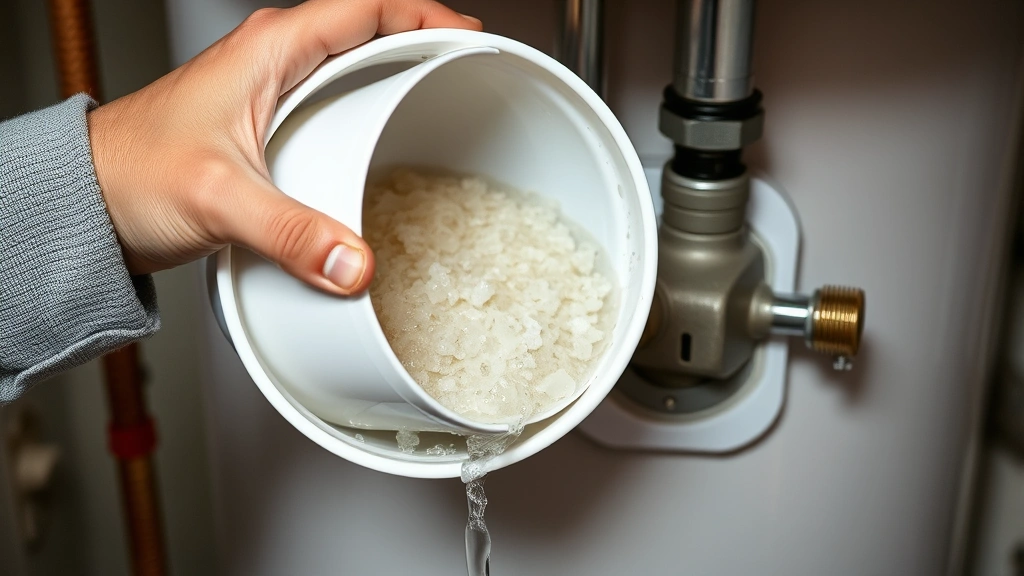
Sediment accumulation represents the primary efficiency threat in gas water heaters. Mineral deposits from hard water settle on the tank bottom, creating an insulating layer that reduces heat transfer efficiency. Flushing the tank annually removes sediment and restores thermal performance. For households with hard water, installing a water softener reduces sediment accumulation and extends equipment lifespan by 2-5 years.
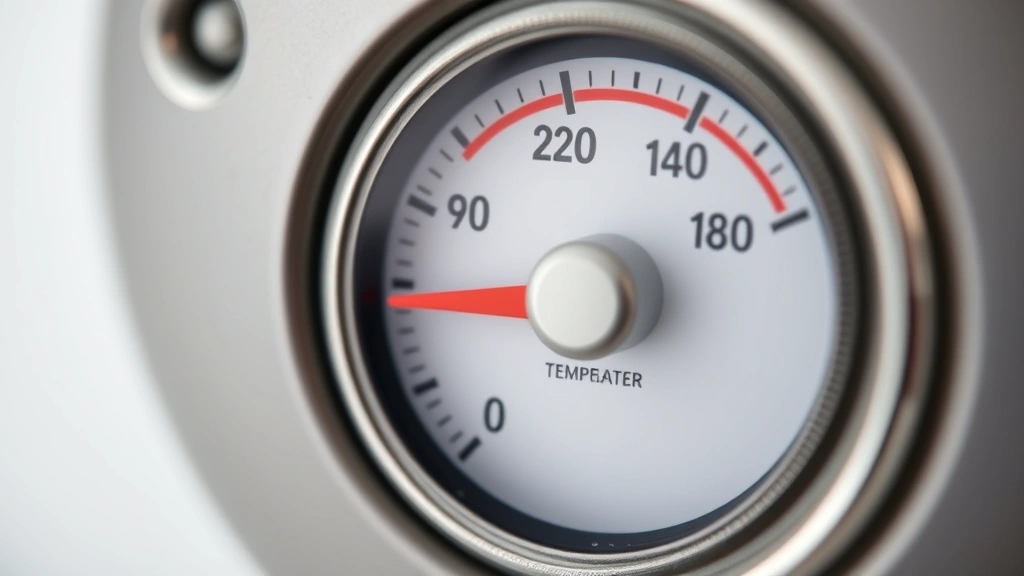
Temperature setting optimization balances efficiency with comfort and safety. Most manufacturers recommend 120°F (49°C) as the ideal balance, reducing scalding risks while minimizing standby losses. Lowering the thermostat from 140°F to 120°F reduces energy consumption by approximately 6-8% without significantly impacting hot water availability for most households. However, institutional settings and healthcare facilities require higher temperatures to prevent bacterial growth.
Insulation improvements reduce standby losses and improve overall efficiency. Tank insulation blankets rated for gas water heaters can reduce standby losses by 5-9%, with installation costs typically under $50. Pipe insulation prevents heat loss as hot water travels from the tank to fixtures, improving efficiency in systems with long pipe runs. These passive improvements require minimal investment and provide immediate energy savings.
Anode rod replacement represents critical maintenance for corrosion prevention. Most gas water heaters include a sacrificial anode rod made from magnesium or aluminum that corrodes instead of the steel tank. Inspecting the anode rod annually and replacing it when corroded prevents tank perforation and extends equipment lifespan. Replacement costs approximately $100-200 but prevents catastrophic tank failure requiring complete system replacement.
Cost-Benefit Analysis of Upgrading
Determining whether to upgrade from an older gas water heater requires analyzing operating costs, efficiency improvements, and equipment expenses. A 40-gallon gas water heater typically lasts 8-12 years, after which efficiency degradation and repair costs often justify replacement. Older models with Energy Factor ratings below 0.55 consume significantly more fuel than modern equipment rated 0.60 or higher.
Upgrading from a 0.55 Energy Factor model to a 0.68 Energy Factor model reduces annual energy consumption by approximately 24%, translating to $100-150 in annual savings depending on local fuel prices. Over a 12-year equipment lifespan, these savings accumulate to $1,200-1,800, often exceeding the additional upfront cost of higher-efficiency models. When evaluating sustainable energy solutions for your home, water heater upgrades offer compelling financial and environmental returns.
Condensing gas water heaters represent the premium efficiency option, achieving Energy Factors exceeding 0.90. These units cost $1,000-1,500 more than standard models but reduce operating costs by 30-40% compared to conventional equipment. For households with high hot water consumption, condensing models often achieve payback periods of 6-8 years through operational savings, making them economically attractive despite higher initial investment.
Rebate programs and tax incentives can significantly reduce upgrade costs. Many utility companies offer rebates for upgrading to ENERGY STAR certified water heaters, typically $300-500 per unit. Federal tax credits and state-level incentive programs vary by location but can further reduce net equipment costs. Researching available incentives before purchasing can reduce upgrade costs by 25-40%, improving return on investment calculations.
The decision to upgrade should also consider environmental benefits. Exploring current sustainability topics reveals that residential water heating accounts for significant carbon emissions. Upgrading to a higher-efficiency model reduces household carbon footprint by 10-15%, contributing to broader climate goals while providing economic benefits through reduced energy consumption.
Environmental Impact and Carbon Footprint
Residential water heating generates approximately 2 tons of carbon dioxide annually per household, representing a significant portion of residential greenhouse gas emissions. Improving water heater efficiency directly reduces carbon footprint and contributes to climate change mitigation efforts. Upgrading to a more efficient 40-gallon model can prevent 5-8 tons of CO2 emissions over the equipment’s operational lifespan.
Natural gas combustion produces carbon dioxide, methane, and nitrous oxide, all potent greenhouse gases contributing to climate change. While gas water heaters cannot eliminate these emissions without transitioning to renewable energy sources, maximizing efficiency minimizes the fuel consumption required to meet household hot water needs. Understanding this connection between sustainability definitions and personal energy choices empowers homeowners to make environmentally conscious decisions.
Comparing gas water heaters to alternative technologies reveals the environmental implications of fuel choice. Electric water heaters produce zero direct emissions but rely on grid electricity, which varies in carbon intensity depending on regional energy sources. Heat pump water heaters achieve superior efficiency to gas models while operating on grid electricity, making them increasingly attractive as electricity grids transition toward renewable sources. Hybrid systems combining heat pump and electric backup elements offer optimal efficiency for many applications.
Solar water heating represents the lowest-carbon option, using renewable solar energy to heat water. However, solar systems require significant upfront investment ($2,000-4,000) and geographic suitability, limiting applicability to many regions. For households unable to implement solar systems, maximizing gas water heater efficiency provides the most practical approach to reducing energy-related carbon emissions. Over time, pairing efficient gas systems with renewable electricity sources creates comprehensive sustainability strategies.
The lifecycle environmental impact of water heater manufacturing, transportation, installation, operation, and disposal should inform purchase decisions. Modern equipment manufactured with improved materials and processes often exhibits lower environmental impact despite higher upfront costs. Choosing ENERGY STAR certified models ensures compliance with rigorous environmental standards and supports manufacturers investing in sustainable practices. When considering broader household sustainability efforts, water heater selection represents one piece of comprehensive environmental responsibility.
Extended equipment lifespan through proper maintenance reduces the environmental impact of manufacturing and disposing of new units. Maintaining your current gas water heater in peak condition through regular flushing, anode rod replacement, and temperature optimization delays the need for replacement and reduces overall lifecycle environmental impact. However, replacing severely inefficient aging equipment with modern high-efficiency models typically provides greater environmental benefits than extending the life of obsolete technology.
FAQ
What is the average lifespan of a 40-gallon gas water heater?
Most 40-gallon gas water heaters last 8-12 years with proper maintenance. Factors affecting lifespan include water hardness, maintenance frequency, anode rod condition, and operating temperature. Regular flushing and anode rod replacement can extend lifespan toward the upper range, while neglected maintenance reduces longevity to 6-8 years.
How much does a 40-gallon gas water heater cost to install?
Equipment costs range from $400-800 for standard models to $1,000-1,500 for high-efficiency condensing units. Installation labor typically costs $300-600, depending on local rates and installation complexity. Total installed costs generally fall between $700-2,100 for complete system replacement including removal of old equipment.
Can I increase hot water supply without upgrading to a larger tank?
Yes, several options can improve hot water availability without replacing the tank. Installing a tankless water heater provides unlimited hot water at the point of use. Alternatively, adding a second smaller tank or installing a demand circulation pump can improve hot water delivery to distant fixtures. These solutions often cost less than upgrading to a larger capacity tank.
What temperature should I set my 40-gallon gas water heater?
The recommended temperature is 120°F (49°C), balancing efficiency with safety and comfort. This temperature prevents scalding while minimizing energy consumption and bacterial growth risks. Some households prefer 130°F (54°C) for increased hot water availability, though this increases operating costs by approximately 8-10% compared to 120°F settings.
How often should I flush my water heater?
Annual flushing is recommended for most households, particularly in areas with hard water. The flushing process removes sediment accumulation that reduces efficiency and can damage the tank. Some manufacturers recommend more frequent flushing in severely hard water areas. Professional flushing typically costs $100-150 and should be performed by qualified technicians.
Are tankless water heaters more efficient than 40-gallon tanks?
Tankless water heaters achieve higher Energy Factor ratings (0.80-0.95) compared to storage tank models (0.55-0.70), resulting in 20-30% lower operating costs. However, tankless systems have higher upfront costs ($1,500-2,500) and require specific venting and gas line modifications. The choice depends on hot water usage patterns and budget constraints.
What does ENERGY STAR certification mean for water heaters?
ENERGY STAR certification indicates that a water heater meets stringent efficiency standards set by the EPA, typically requiring Energy Factor ratings 10-15% higher than federal minimum requirements. ENERGY STAR models qualify for utility rebates and tax incentives while providing measurable energy savings and reduced environmental impact.


