
GE Gas Stoves: Eco-Friendly or Not? Expert Insight
When it comes to kitchen appliances, the choice between gas and electric cooking has become increasingly scrutinized through an environmental lens. GE gas stoves represent a significant portion of the residential cooking market, yet their sustainability credentials remain contested among environmental experts and homeowners alike. Understanding the true ecological impact of these appliances requires examining everything from manufacturing processes to operational emissions and long-term energy consumption patterns.
The debate surrounding GE gas stoves isn’t simply about whether they’re “good” or “bad” for the environment. Rather, it’s a nuanced discussion involving greenhouse gas emissions, indoor air quality, manufacturing footprints, and how they compare to alternative cooking technologies. This comprehensive analysis will help you make an informed decision about whether a GE gas stove aligns with your sustainability goals and values.
Environmental Impact of Gas Cooking
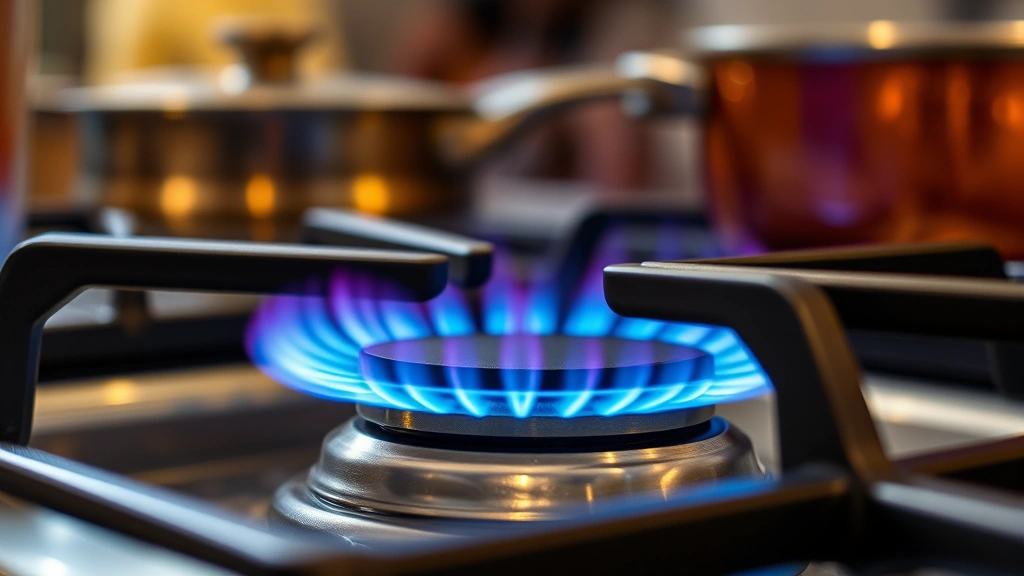
GE gas stoves operate by burning natural gas to produce heat for cooking. While this combustion process has been standard in kitchens for over a century, modern environmental awareness demands we scrutinize its impact. The environmental consequences of gas stove usage extend beyond simple energy consumption; they encompass greenhouse gas emissions, methane leakage, combustion byproducts, and the broader energy infrastructure that supports natural gas delivery.
Natural gas, primarily composed of methane, presents a paradox in sustainability discussions. While it produces fewer carbon emissions than coal or oil when burned, methane itself is a potent greenhouse gas—approximately 28-36 times more effective at trapping heat than carbon dioxide over a 100-year period, according to research from the Environmental Protection Agency. This means that even before combustion occurs, leaks in the gas supply chain contribute significantly to climate change.
The relationship between cooking fuel choices and overall definition of sustainability requires examining the complete lifecycle of the product and its operational impact. GE, as a major manufacturer, has implemented various efficiency improvements to their gas stove lines, but fundamental questions remain about whether gas cooking can ever be truly considered an environmentally conscious choice.
Direct Emissions and Climate Considerations
When you use a GE gas stove, the combustion process directly releases carbon dioxide and other compounds into your kitchen and home. A typical gas stove burner produces approximately 5-10 grams of CO2 per minute of operation, translating to substantial cumulative emissions when multiplied across daily cooking activities and the stove’s operational lifetime of 10-15 years.
Beyond carbon dioxide, gas stoves also emit nitrogen dioxide (NO2) and other nitrogen oxides. The National Institutes of Health has documented that indoor cooking with gas produces NO2 levels that frequently exceed outdoor air quality standards, even with ventilation systems in place. These emissions contribute to both climate change and localized air quality degradation.
The methane supply chain itself presents additional environmental concerns. Natural gas extraction, processing, and distribution involve inherent leakage rates. Studies suggest that 1-4% of natural gas leaks throughout the supply chain before reaching your home, and this fugitive methane represents a significant portion of residential gas stoves’ true carbon footprint. When evaluating sustainable energy solutions for your home, understanding these upstream emissions is crucial.
Comparing GE gas stoves to electric alternatives powered by renewable energy sources reveals a stark difference. If your electricity grid includes significant renewable energy generation, an electric stove powered by wind or solar produces virtually zero operational emissions. Even in regions relying on fossil fuels for electricity, the efficiency of centralized power generation typically results in lower overall emissions than individual gas appliances.
Indoor Air Quality and Health Concerns
Beyond climate considerations, GE gas stoves impact indoor air quality in ways that directly affect household health. The combustion process produces not only CO2 but also formaldehyde, propylene oxide, and other volatile organic compounds. These pollutants accumulate in your home, particularly in kitchens with inadequate ventilation.
Research published by PNAS (Proceedings of the National Academy of Sciences) indicates that children exposed to indoor gas stove emissions experience increased rates of respiratory issues and asthma. Vulnerable populations—including elderly individuals, those with pre-existing respiratory conditions, and young children—face heightened health risks from prolonged exposure to nitrogen dioxide and other combustion byproducts.
The sustainability perspective must encompass human wellbeing as a core component. An appliance that reduces emissions but compromises indoor air quality presents a false sustainability solution. This consideration becomes particularly important when families with health vulnerabilities are involved.
Proper ventilation can mitigate some of these concerns, but many households lack effective range hoods or adequate ventilation systems. Even with ventilation, studies show that gas stove emissions frequently exceed safe indoor air quality standards, particularly in smaller kitchens or homes with limited air circulation.
Manufacturing and Production Footprint
The sustainability evaluation of GE gas stoves must include their manufacturing process. GE, as a global conglomerate, operates manufacturing facilities that consume significant energy and resources. The production of stainless steel components, cast iron grates, electrical controls, and safety systems all contribute to the appliance’s embodied carbon—the total greenhouse gas emissions generated during manufacturing.
A typical GE gas stove generates approximately 1-2 tons of CO2 equivalent during its manufacturing process, depending on the model’s complexity and the energy sources powering the manufacturing facility. This embodied carbon represents a significant environmental investment that must be amortized across the stove’s operational lifetime.
GE has made commitments toward reducing manufacturing emissions and improving supply chain sustainability, though independent verification of these efforts remains limited. The company has outlined goals to achieve carbon neutrality in operations by 2030, yet the extent to which gas stove production aligns with these commitments requires transparency that isn’t always readily available to consumers.
When considering the complete lifecycle impact, this manufacturing footprint means that even a highly efficient gas stove must operate for several years before it potentially becomes more environmentally favorable than alternatives—and only if the electricity powering those alternatives comes from fossil fuels.
Comparing GE Gas Stoves to Alternative Options
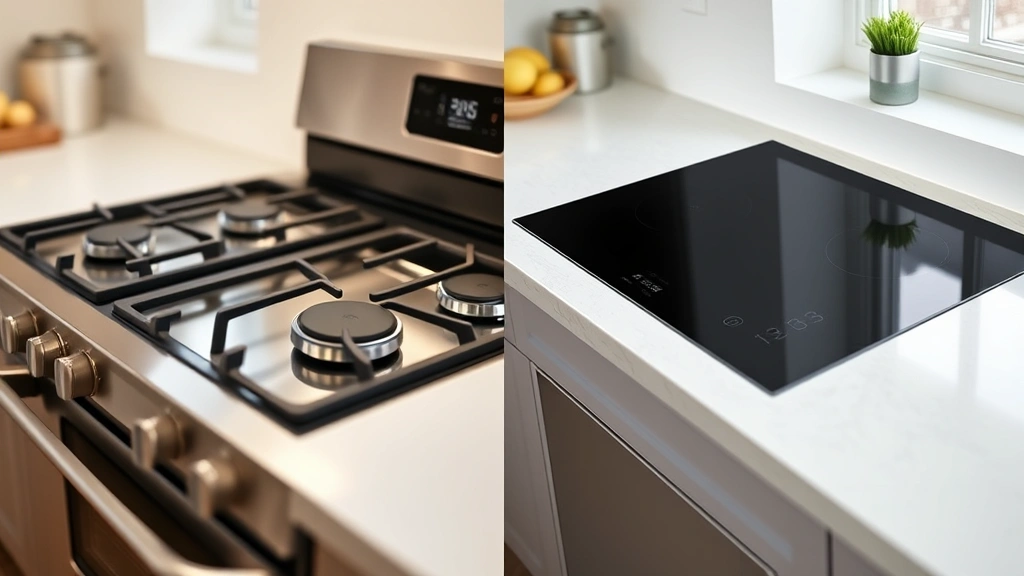
To properly assess whether GE gas stoves are eco-friendly, comparison with alternatives provides essential context. The primary alternatives include electric coil stoves, smooth-top electric ranges, and induction cooktops. Each presents distinct environmental profiles.
Electric Coil and Smooth-Top Ranges: Traditional electric stoves powered by renewable energy produce zero direct emissions. However, even when powered by fossil fuel-based grids, electric stoves typically generate 25-30% fewer emissions than gas stoves over their operational lifetime. The efficiency advantage stems from centralized power generation’s superior efficiency compared to individual combustion appliances.
Induction Cooktops: These represent the most efficient electric cooking technology, converting approximately 80-90% of electrical energy into heat, compared to 70-75% for smooth-top electric and only 40-55% for gas stoves. This efficiency advantage means induction cooktops powered by renewable energy are dramatically more environmentally favorable than GE gas stoves. Learn more about how advantages of electric vehicles demonstrate the broader trend toward electric appliances for sustainability.
Renewable Energy Considerations: The environmental comparison shifts significantly based on your electricity grid’s composition. In regions like California or Denmark with high renewable energy penetration, electric stoves represent unambiguously superior environmental choices. Even in coal-heavy regions, the efficiency advantage of centralized generation creates environmental benefits.
GE offers electric stove alternatives to their gas models, providing an opportunity to compare environmental performance directly. Making the switch from a GE gas stove to an electric or induction alternative represents one of the most impactful household sustainability decisions available.
Energy Efficiency Metrics
Understanding energy efficiency requires examining how effectively each cooking technology converts fuel into usable heat. This metric fundamentally shapes the environmental comparison between different stove types.
Gas Stove Efficiency: Typical GE gas stoves operate at 40-55% efficiency. This means that 45-60% of the energy from burning natural gas escapes as waste heat through ventilation, around the cookware, or dissipates in other ways. This inherent inefficiency represents a fundamental environmental disadvantage that cannot be fully overcome through design improvements.
Electric Efficiency: Smooth-top electric stoves achieve 70-75% efficiency, while induction cooktops reach 80-90% efficiency. This superior efficiency directly translates to lower operational emissions when powered by renewable energy and meaningful emission reductions even on fossil fuel-based grids.
Real-World Considerations: Efficiency metrics don’t tell the complete story. Cookware compatibility, cooking speed, and temperature control all influence actual energy consumption patterns. Gas stoves offer superior temperature control for certain cooking techniques, potentially reducing cooking time and actual energy use in specific scenarios. However, these situational advantages rarely overcome the fundamental efficiency gap.
GE has improved efficiency in recent gas stove models through better insulation, improved burner design, and enhanced controls. These incremental improvements matter but don’t fundamentally alter the efficiency disadvantage that gas technology carries.
Sustainable Cooking Practices with Gas Stoves
If you currently own a GE gas stove or circumstances prevent switching to alternatives, numerous practices can reduce environmental impact. These strategies acknowledge that sustainability exists on a spectrum and that perfect environmental solutions rarely align with practical constraints.
Ventilation and Air Quality: Ensure your range hood operates effectively and vents externally rather than recirculating air. Proper ventilation reduces both indoor air quality concerns and wasted heat that escapes into your home. Running ventilation fans during and for 15-20 minutes after cooking significantly improves indoor air quality.
Cooking Efficiency Practices: Use cookware that matches burner sizes to minimize heat waste. Keeping lids on pots reduces cooking time and energy consumption by 25-30%. Using appropriate flame sizes—matching burner intensity to cooking requirements—prevents unnecessary gas consumption. These practices work equally well with electric stoves but offer particular value with less efficient gas technology.
Maintenance and Optimization: Regularly clean burner grates and components to ensure optimal combustion efficiency. Properly maintained gas burners operate more efficiently and produce fewer emissions than neglected equipment. GE provides maintenance guidelines that, when followed, help preserve operational efficiency throughout the stove’s lifespan.
Gradual Transition Planning: If you recognize that gas stoves don’t align with your sustainability goals, develop a transition plan toward electric or induction alternatives. When your current stove reaches end-of-life, replacing it with a renewable-energy-compatible electric option represents a major sustainability improvement. This approach acknowledges that immediately replacing functional appliances generates additional embodied carbon waste.
Carbon Offset Consideration: Some sustainability-conscious households calculate their gas stove’s annual emissions and purchase verified carbon offsets through reputable organizations. While not a substitute for reducing emissions, this approach provides a mechanism for addressing the environmental impact of appliances that circumstances require keeping.
The SustainWise Hub Blog contains additional resources on reducing household energy consumption across multiple appliances and systems, offering a holistic approach to home sustainability.
FAQ
Are GE gas stoves considered environmentally friendly?
GE gas stoves present mixed environmental credentials. While they offer superior temperature control and potentially lower manufacturing emissions than some alternatives, their operational inefficiency (40-55%), direct combustion emissions, and reliance on fossil fuels make them less environmentally favorable than electric or induction alternatives powered by renewable energy. They represent a compromise between functionality and environmental responsibility rather than a genuinely eco-friendly choice.
How do GE gas stoves compare to electric stoves environmentally?
Electric stoves significantly outperform gas stoves environmentally, particularly when powered by renewable energy. Electric stoves achieve 70-90% efficiency compared to gas’s 40-55%, and they produce zero direct emissions. Even on fossil fuel-based grids, electric stoves typically generate 25-30% fewer lifecycle emissions than gas alternatives.
What indoor air quality issues do gas stoves cause?
GE gas stoves produce nitrogen dioxide, formaldehyde, and other combustion byproducts that degrade indoor air quality. Research indicates these emissions increase respiratory issues and asthma rates, particularly in vulnerable populations including children and elderly individuals. Proper ventilation mitigates but doesn’t eliminate these concerns.
Should I replace my GE gas stove immediately for sustainability reasons?
Immediate replacement generates substantial embodied carbon waste from manufacturing a new appliance. More sustainable approaches include using your current stove efficiently, maintaining it properly, and planning a transition to electric or induction alternatives when the current stove reaches end-of-life. This balances environmental concerns with practical resource management.
What’s the carbon footprint of operating a GE gas stove annually?
A typical household using a GE gas stove for 1-2 hours daily generates approximately 200-400 kg of CO2 annually from direct stove operation, plus an additional 50-100 kg from upstream methane leakage in the natural gas supply chain. This totals roughly 250-500 kg annually, equivalent to driving a car 600-1,200 miles.
Can gas stoves be sustainable with proper ventilation?
Proper ventilation improves indoor air quality and reduces heat waste but doesn’t address fundamental sustainability concerns including operational efficiency, direct combustion emissions, and reliance on fossil fuels. Ventilation is a harm-reduction strategy rather than a sustainability solution.
What makes induction cooktops more sustainable than GE gas stoves?
Induction cooktops achieve 80-90% efficiency compared to gas’s 40-55%, produce zero direct emissions when powered by renewable energy, and generate meaningful emission reductions even on fossil fuel grids. Their superior efficiency and compatibility with clean electricity make them the most sustainable cooking technology available.
How does GE’s manufacturing impact the stove’s overall sustainability?
Manufacturing a typical GE gas stove generates 1-2 tons of CO2 equivalent embodied carbon. This investment must be amortized across the stove’s 10-15 year operational lifespan, meaning the stove must operate efficiently and be used for its full intended life to justify its manufacturing impact.


