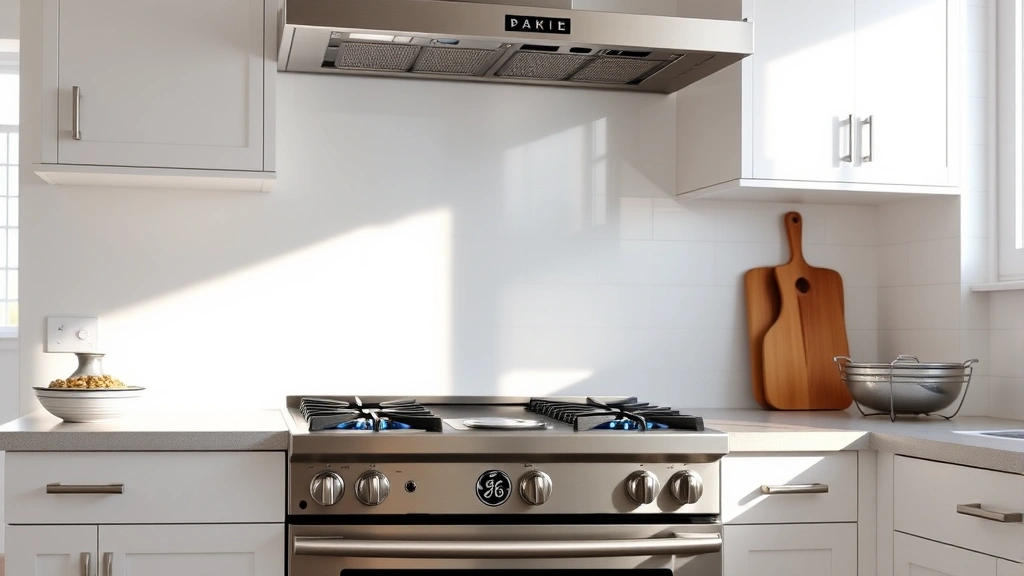
GE Profile Gas Range: Sustainable Cooking Choice?
When it comes to kitchen appliances, the GE Profile gas range has earned recognition for its performance and features. But as environmental consciousness grows, homeowners increasingly ask whether this popular cooking solution aligns with sustainable living practices. Understanding the environmental impact of gas ranges requires examining energy efficiency, emissions, manufacturing practices, and how they compare to alternative cooking technologies.
The question of sustainability isn’t straightforward. While gas cooking offers certain efficiency advantages over electric resistance cooking, it also presents environmental trade-offs that deserve careful consideration. This comprehensive guide explores whether a GE Profile gas range represents a responsible choice for eco-conscious kitchens, examining both its benefits and environmental concerns.
Energy Efficiency and Performance
The GE Profile gas range represents a middle ground in cooking technology. Gas burners transfer heat directly to cookware, making them inherently more efficient than traditional electric coil burners. When you turn on a gas flame, approximately 70-75% of the heat reaches your food, compared to just 65-70% with electric resistance coils. This efficiency advantage translates to lower energy consumption per cooking session.
However, this advantage requires context. The efficiency comparison becomes more nuanced when considering induction cooktops, which achieve 80-90% heat transfer efficiency. Additionally, the overall environmental benefit depends heavily on how the natural gas is sourced and processed. Understanding sustainable energy solutions helps contextualize where your cooking fuel originates.
GE Profile models typically feature:
- Sealed burners that prevent spills from reaching interior components
- Precise temperature control for reduced energy waste
- Even heat distribution across cookware surfaces
- Quick preheat times compared to electric ovens
- Convection oven options that distribute heat more effectively
The sealed burner design particularly matters for sustainability. By preventing food debris from accumulating inside the range, these burners maintain consistent performance and require less frequent deep cleaning. This design choice extends appliance lifespan, reducing the environmental cost of eventual replacement.
Emissions and Air Quality Impact
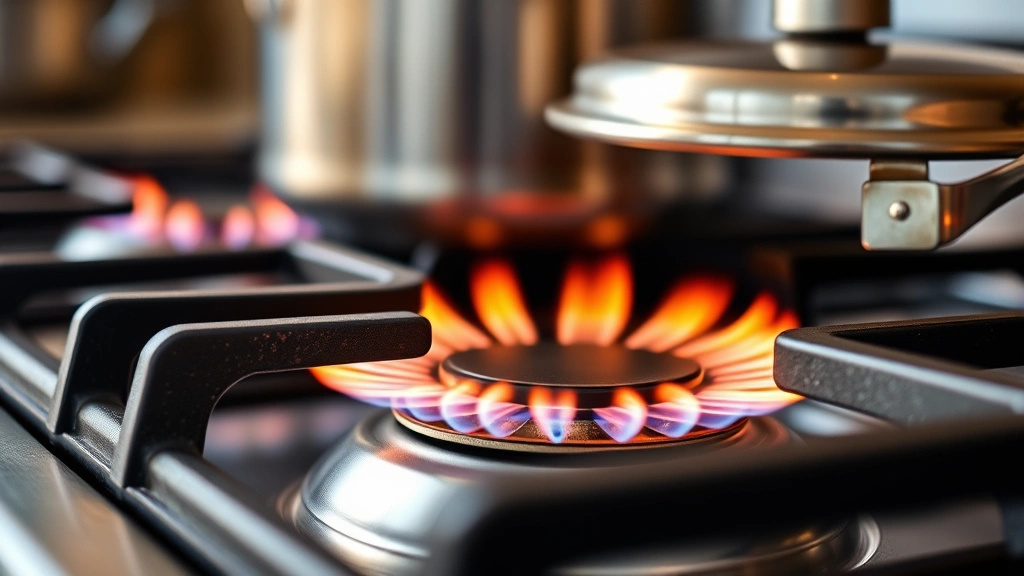
This is where the sustainability picture becomes complicated. Natural gas combustion produces carbon dioxide and methane, contributing to climate change. A typical gas range produces approximately 5-6 kilograms of CO2 annually from cooking alone. While this seems modest, it compounds across millions of households.
Beyond climate impact, gas cooking affects indoor air quality. Natural gas flames release nitrogen dioxide, carbon monoxide, and formaldehyde—pollutants linked to respiratory issues, particularly in children and individuals with asthma. Research from the EPA’s Indoor Air Quality program indicates that gas appliances can increase indoor pollutant concentrations significantly, especially in homes with poor ventilation.
The GE Profile gas range, like all gas cooking appliances, requires proper ventilation to mitigate these air quality concerns. This means:
- Installing a functional range hood or ventilation system
- Ensuring adequate makeup air in your kitchen
- Running ventilation during and 15-20 minutes after cooking
- Regular maintenance of ventilation systems
- Sealing any gaps where gas could accumulate
For environmentally conscious cooks, the emissions question extends beyond your home. Natural gas vs propane considerations reveal that natural gas extraction involves methane leakage throughout the supply chain. Studies suggest 1-2% of natural gas escapes during production and distribution—a significant concern given methane’s potency as a greenhouse gas.
Manufacturing and Sustainability Practices
GE Appliances has made public commitments to reducing environmental impact across their manufacturing operations. The company reports using recycled materials in packaging and has implemented energy-efficient manufacturing processes at several facilities. However, like most major appliance manufacturers, the environmental cost of producing a gas range remains substantial.
Manufacturing a typical gas range requires:
- Steel and cast iron mining and processing
- Brass and copper component production
- Glass and ceramic materials for oven doors and surfaces
- Electrical components and circuitry
- Packaging materials for shipping
- Transportation across supply chains
The embodied carbon in a new gas range—the total emissions from manufacturing and transportation—typically ranges from 500-800 kilograms of CO2. This means a gas range must operate efficiently for 10-15 years just to offset the environmental cost of its creation.
GE’s commitment to definition of sustainability includes efforts to design products for longevity. The GE Profile line emphasizes durable construction and availability of replacement parts, supporting extended product lifespans. This design philosophy meaningfully reduces environmental impact by keeping appliances in use longer rather than cycling through replacements.
The company also participates in ENERGY STAR certification programs, though gas ranges face limitations in this space since the program focuses primarily on electric and induction cooking efficiency. Third-party certifications and lifecycle assessments provide additional transparency regarding manufacturing practices.
How It Compares to Other Cooking Methods
To properly evaluate the GE Profile gas range’s sustainability, comparing it to alternative cooking technologies reveals important trade-offs:
Gas vs. Electric Coil: Gas ranges outperform traditional electric coil burners in efficiency and cooking speed. Electric coils waste significant energy as heat dissipates into the air rather than transferring to cookware. From a sustainability perspective, a gas range represents an improvement over electric coils.
Gas vs. Induction: Induction cooktops achieve superior energy efficiency (80-90% heat transfer) and produce zero direct emissions. They also eliminate indoor air quality concerns associated with combustion. However, induction cooking requires compatible cookware and represents a larger upfront investment. The electricity powering induction varies in sustainability depending on your grid’s energy mix.
Gas vs. Electric Convection Ovens: For oven cooking specifically, gas convection ovens heat more evenly and quickly than traditional electric ovens. Modern electric convection models have narrowed this efficiency gap considerably. The environmental advantage depends on your local electricity sources—grids powered by renewables make electric ovens increasingly competitive.
For homeowners committed to how to reduce your environmental footprint, the cooking method choice matters less than consistency in practice. A slightly less efficient range used mindfully outperforms a highly efficient range operated wastefully.
Making Your Range More Sustainable
If you own or plan to purchase a GE Profile gas range, numerous strategies can minimize its environmental impact:
Optimize Burner Use: Match burner size to cookware diameter. Using a large burner for a small pot wastes significant energy. Modern GE Profile models include multiple burner sizes specifically to address this concern. Always use lids on pots and pans—covering your cookware reduces cooking time and energy consumption by up to 70%.
Maintenance and Efficiency: Keep burners clean and aligned for optimal performance. Misaligned burners produce incomplete combustion, wasting fuel and increasing emissions. Regular maintenance of your range hood ensures proper ventilation and prevents energy loss from inadequate airflow. Check seals around oven doors to prevent heat escape.
Cooking Practices: Plan meals to minimize oven preheating time. Use residual heat by turning off the oven a few minutes before food finishes cooking. Batch cooking—preparing multiple meals simultaneously—maximizes energy efficiency. Consider using smaller appliances like toaster ovens for single-person meals rather than heating a full-size oven.
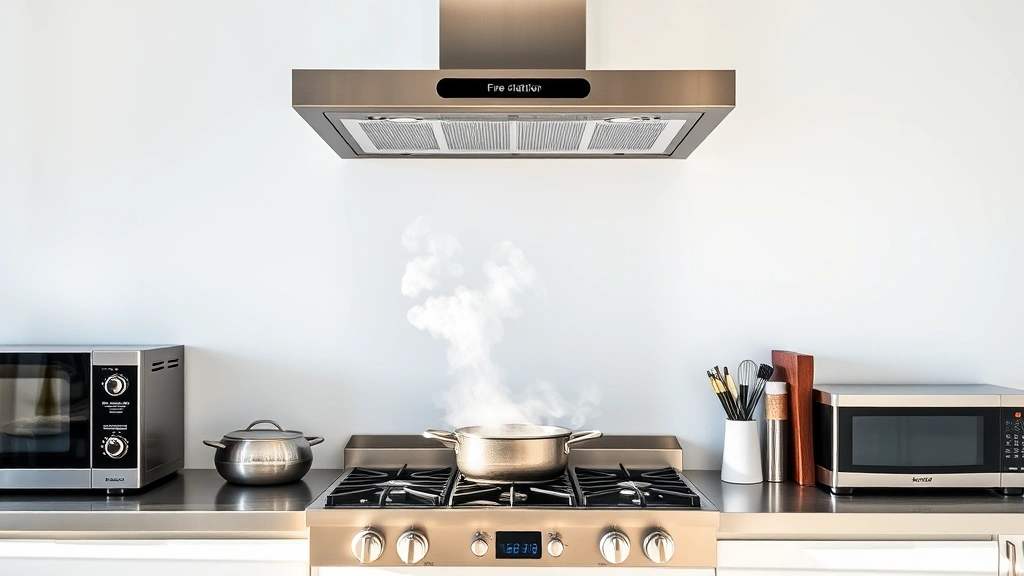
Ventilation Responsibility: Proper ventilation matters for both health and efficiency. Modern range hoods with variable speeds allow you to adjust ventilation intensity based on cooking needs. Energy-efficient hood fans with EC motors consume 30-50% less electricity than traditional models while maintaining air quality.
Fuel Source Considerations: If possible, investigate your natural gas provider’s commitment to renewable natural gas or biogas programs. Some utilities offer options to offset natural gas consumption through renewable energy investments. These programs typically add modest costs while meaningfully reducing your carbon footprint.
Cooking with Intention: The most sustainable kitchen practice involves cooking efficiently regardless of equipment. Plan meals that use similar ingredients to minimize food waste. Prep ingredients efficiently to reduce cooking time. Choose recipes requiring lower cooking temperatures when possible, reducing energy demands on your range.
FAQ
Is a GE Profile gas range more sustainable than electric cooking?
It depends on your specific situation. Gas ranges offer superior efficiency compared to traditional electric coil burners. However, induction cooktops outperform gas in efficiency, and the sustainability of electric cooking depends on your electricity grid’s energy mix. Gas ranges present trade-offs: better efficiency but direct emissions and indoor air quality concerns.
What are the main environmental concerns with gas cooking?
Primary concerns include greenhouse gas emissions from natural gas combustion and methane leakage throughout the supply chain. Gas cooking also releases indoor air pollutants including nitrogen dioxide and formaldehyde, affecting household air quality. Proper ventilation mitigates but doesn’t eliminate these concerns.
How long should a GE Profile gas range last?
With proper maintenance, a quality gas range typically lasts 15-20 years. Extended lifespan reduces the environmental cost of manufacturing by distributing embodied carbon across many years of use. GE’s design philosophy emphasizing durability and parts availability supports extended product life.
Can I make my gas range more environmentally friendly?
Absolutely. Optimize burner use by matching flame size to cookware, always use lids, maintain your range hood for efficient ventilation, and practice intentional cooking habits. These practices reduce energy consumption by 20-30% and improve both environmental and economic performance.
How does the GE Profile compare to other premium gas ranges?
GE Profile ranges offer competitive energy efficiency and build quality comparable to brands like Frigidaire and Whirlpool. The sustainability difference between premium brands is minimal—focus instead on choosing the most durable model within your budget and using it efficiently.
Should I switch from my gas range to induction cooking?
This depends on your cooking needs, budget, and cookware compatibility. Induction cooktops offer superior efficiency and eliminate direct emissions. However, the environmental cost of replacing a functioning gas range may outweigh benefits unless your current range requires replacement anyway. Consider switching when natural replacement occurs.
What role does ventilation play in sustainability?
Proper ventilation removes indoor air pollutants but can increase energy consumption if poorly designed. Modern efficient ventilation systems balance these concerns. Ventilation is essential for health, making it a non-negotiable sustainability factor rather than an optional efficiency consideration.


