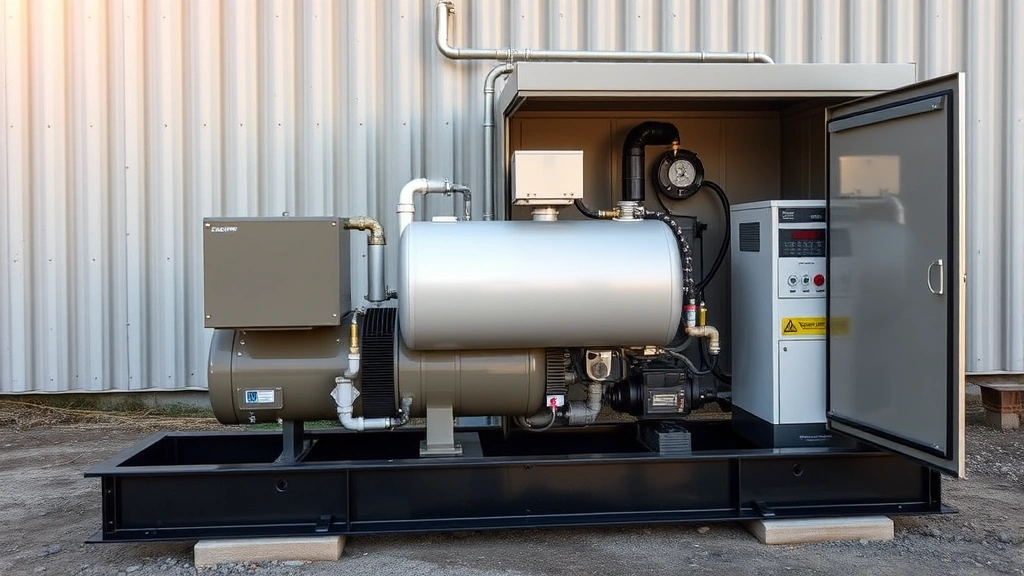
Best Dual Fuel Generators: Expert Picks for High Output Power
When unexpected power outages strike or you’re working off-grid, having a reliable backup power source becomes essential. Dual fuel generators that run off gas and propane offer homeowners and businesses the flexibility to choose their fuel source based on availability, cost, and storage capabilities. These versatile machines deliver impressive high output wattage while reducing fuel waste and providing extended runtime options that single-fuel generators simply cannot match.
The shift toward dual fuel technology represents a smart approach to emergency preparedness and sustainable energy management. Unlike traditional gasoline-only generators, propane and gas hybrid models give you the freedom to switch fuels depending on your circumstances. Propane burns cleaner with lower emissions, while gasoline provides quick accessibility and longer shelf life when properly stored. Understanding the benefits, specifications, and top models available helps you make an informed decision that aligns with your power needs and environmental values.
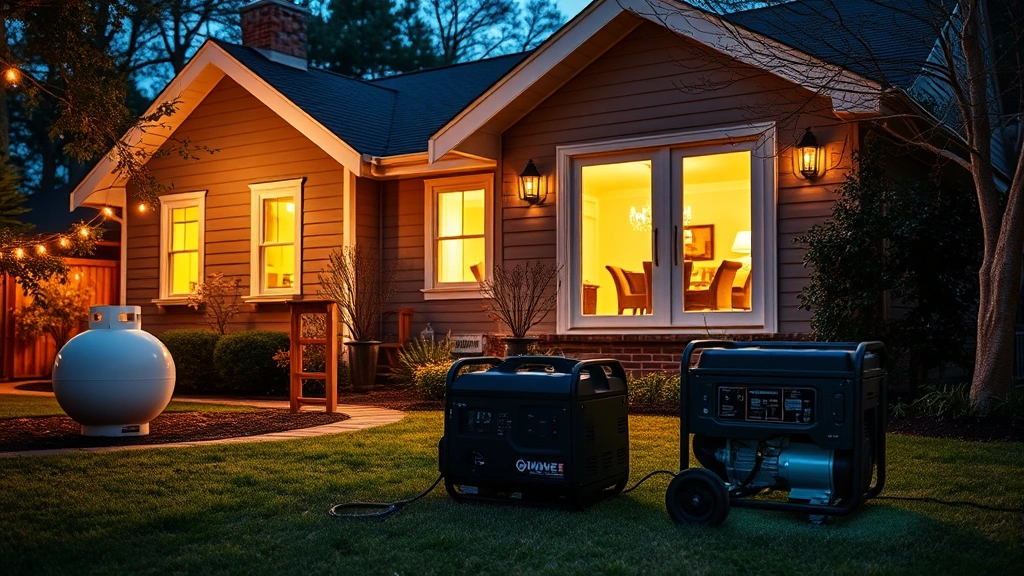
What Are Dual Fuel Generators and How Do They Work
Dual fuel generators represent an innovative solution in portable and standby power technology. These units incorporate a single engine that can operate on either liquefied petroleum gas (propane) or gasoline, with a simple switching mechanism that allows users to toggle between fuel sources. The engine design remains fundamentally the same, but the fuel delivery system includes separate carburetors or fuel injectors optimized for each fuel type.
The operational principle is straightforward: propane enters the system as a vapor from a tank, while gasoline flows from a traditional fuel tank. A selector valve directs the appropriate fuel to the combustion chamber. When running on propane, the generator typically produces slightly lower wattage than gasoline mode due to propane’s energy density characteristics, but the runtime extends significantly because propane tanks hold more usable energy by volume. This flexibility makes dual fuel generators ideal for various scenarios, from weekend camping trips to permanent home backup power systems.
Modern dual fuel generators feature automatic chokes, spark plugs, and ignition systems that adapt to whichever fuel source you select. The transition between fuels is seamless, requiring only a manual valve adjustment or electronic switch depending on the model. Understanding this fundamental mechanism helps you appreciate why dual fuel options have become increasingly popular among homeowners seeking sustainable energy solutions that don’t compromise on performance.
Key Advantages of Gas and Propane Generators
The benefits of choosing a dual fuel generator extend beyond simple convenience. Fuel flexibility stands as the primary advantage—during gasoline shortages or supply chain disruptions, propane remains available through local suppliers. Conversely, when propane becomes scarce or expensive, switching to gasoline maintains your power independence. This redundancy proves invaluable during extended emergencies.
Extended runtime represents another compelling benefit. A standard 20-pound propane tank can run a mid-sized dual fuel generator for 10-15 hours on a single fill, compared to 8-10 hours with a gasoline tank. For high output models, propane delivers approximately 91,500 BTU per gallon equivalent, providing substantial energy output while reducing your need for frequent refueling during critical situations.
Environmental considerations favor propane operation. Propane combustion produces fewer greenhouse gas emissions and lower particulate matter compared to gasoline. When you operate your generator in propane mode, you’re reducing your carbon footprint and contributing to cleaner air quality. This aligns perfectly with reducing your environmental footprint initiatives.
Cost efficiency fluctuates based on local market conditions, but propane typically costs less per BTU than gasoline in most regions. Bulk purchasing and seasonal propane pricing advantages can yield significant savings over time. Additionally, propane doesn’t degrade as quickly, making it ideal for backup generators that sit idle for extended periods.
Quieter operation occurs when running on propane—the fuel produces a smoother burn with reduced engine vibration and noise compared to gasoline. If noise restrictions apply to your location or you value peaceful operation during outages, propane mode offers a distinct advantage.
Understanding Wattage and Output Specifications
Generator output measured in watts directly determines what appliances and systems you can power simultaneously. Starting watts (also called surge watts) represent the maximum power the generator delivers during initial startup of high-demand devices like air conditioners or refrigerators. Running watts indicate sustained power output for continuous operation.
High output dual fuel generators typically range from 5,000 to 12,000 watts. A 7,500-watt unit can power essential home systems including HVAC, refrigerators, well pumps, and multiple outlets simultaneously. The 10,000+ watt category handles nearly whole-home backup, supporting air conditioning units and other major appliances without compromise.
When comparing dual fuel models, note that propane mode often produces 5-10% fewer running watts than gasoline mode due to fuel characteristics. A generator rated at 8,000 watts on gasoline might deliver 7,200 watts on propane. Manufacturers clearly specify these differences in technical specifications, so always verify both fuel mode ratings before purchasing.
Understanding your household power requirements involves calculating total wattage for devices you need to run during an outage. Start with high-priority items: sump pumps (1,000-2,000 watts), refrigerators (600-800 watts), furnace systems (750-1,500 watts), and critical lighting. Use this calculation to determine the minimum wattage capacity you require. High output generators provide safety margin for simultaneous startup of multiple devices.
Top Dual Fuel Generator Models for High Output
The market offers several exceptional dual fuel generators designed for serious power demands. Premium models in the 10,000-watt category include units featuring advanced fuel management systems, automatic voltage regulation, and extended warranty coverage. These machines typically incorporate commercial-grade engines with reinforced components, making them suitable for both emergency home backup and small business applications.
Leading manufacturers have invested significantly in dual fuel technology, producing units with improved fuel efficiency and reduced emissions compared to previous generations. Look for models incorporating proper fuel storage solutions and featuring integrated fuel stabilization systems that prevent degradation during extended storage periods.
Mid-range options in the 7,000-8,000 watt category provide excellent value for homeowners seeking reliable backup power without premium pricing. These models deliver sufficient output for most household needs while maintaining reasonable fuel consumption rates. The proper gasoline storage and longevity becomes critical for these units during long-term backup scenarios.
Professional-grade generators exceeding 12,000 watts serve larger properties, multiple buildings, or small commercial operations. These heavy-duty units feature industrial-strength construction, enhanced cooling systems, and extended maintenance intervals. While representing a significant investment, their reliability and output capacity justify the cost for critical power applications.
When evaluating specific models, prioritize units featuring:
- Automatic choke systems for reliable cold-weather starting
- Hour meters to track maintenance intervals accurately
- Fuel gauges on both propane and gasoline tanks
- Multiple outlet types including 240-volt connections for large appliances
- Noise reduction technology keeping operation below 75 decibels
- Comprehensive warranty coverage of at least 3-5 years
Fuel Storage and Safety Considerations
Proper fuel storage represents a critical component of generator ownership. Gasoline storage requires specialized containers designed for flammable liquids, stored in cool, well-ventilated areas away from living spaces. Gasoline degrades over time, particularly when exposed to heat and oxygen. Our comprehensive blog coverage addresses fuel stability in detail, but the essential rule involves rotating stored fuel every 6-12 months and using fuel stabilizer additives for extended storage.
Propane storage offers significant advantages—propane remains stable indefinitely when properly stored in approved tanks, eliminating the need for rotation or additives. Propane tanks should be stored outdoors in well-ventilated areas, protected from extreme heat and direct sunlight. Never store propane inside living spaces or basements due to safety hazards.
Safety protocols for dual fuel generators include:
- Never refuel while the engine runs or remains hot from recent operation
- Store gasoline minimum 50 feet from ignition sources and living areas
- Inspect propane tanks regularly for leaks using soapy water solution
- Maintain adequate clearance around the generator for air circulation and exhaust ventilation
- Use grounded electrical cords when connecting to home systems
- Install carbon monoxide detectors near generator operating areas
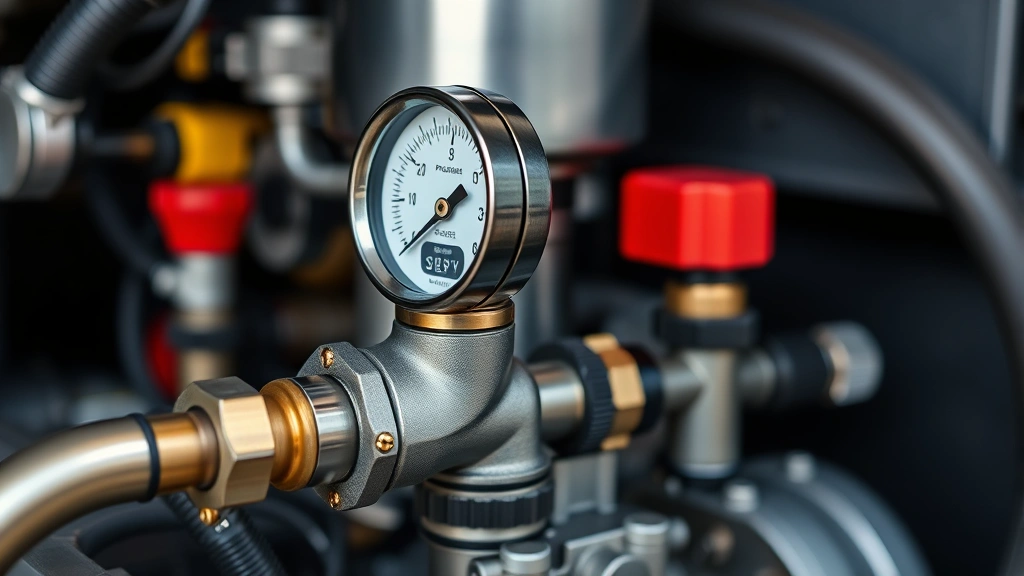
Propane regulators require periodic inspection to ensure proper pressure delivery. Gasoline filters need replacement according to manufacturer specifications, typically every 100-200 hours of operation. These maintenance tasks prevent fuel-related problems and optimize generator performance.
Environmental Impact and Emission Standards
Modern dual fuel generators increasingly comply with stringent environmental regulations. EPA Tier 3 and Tier 4 standards establish emission limits for nitrogen oxides and particulate matter. Generators meeting these standards produce significantly fewer pollutants compared to older models, benefiting air quality and public health.
Propane combustion inherently produces lower emissions than gasoline. The U.S. Environmental Protection Agency recognizes propane as a clean-burning fuel, producing minimal greenhouse gases and virtually no particulate matter. When operating your dual fuel generator in propane mode, you actively contribute to reduced air pollution and climate impact mitigation.
For those prioritizing environmental responsibility, consider generators featuring:
- Catalytic converters that reduce harmful emissions
- Advanced fuel injection systems optimizing combustion efficiency
- Noise-reduction technology minimizing environmental disruption
- Low-emissions certification from recognized environmental organizations
The EPA provides comprehensive resources on clean power generation and emission standards. Visit EPA Air Quality regulations for detailed information on generator compliance requirements and environmental impact reduction strategies.
Beyond individual generator choices, consider complementing backup power with renewable energy solutions and electric vehicle charging infrastructure to create a comprehensive sustainable energy strategy for your household.
Maintenance Tips for Optimal Performance
Regular maintenance ensures your dual fuel generator remains ready for emergency deployment. Establish a maintenance schedule beginning with pre-season inspections in spring and fall. Start the generator monthly under light load for 15-20 minutes to prevent fuel system degradation and ensure operational readiness.
Oil changes should occur every 50-100 hours of operation or per manufacturer specifications. Fresh oil maintains engine lubrication and longevity. Use the oil grade specified in your generator’s manual—typically SAE 10W-30 for most models, though high-temperature applications may require different viscosity ratings.
Air filter maintenance prevents debris from damaging internal engine components. Inspect air filters monthly and replace when visibly clogged or every 200-300 hours of operation. Clean filters improve fuel efficiency and reduce emissions, directly supporting environmental performance goals.
Spark plug inspection should occur annually. Replace spark plugs every 100-200 hours of operation or when they become fouled. Proper spark plug gaps ensure reliable ignition and efficient combustion across both fuel modes.
Fuel system care varies by fuel type. For gasoline operation, drain the carburetor or fuel tank completely before extended storage periods to prevent varnish buildup. Use fuel stabilizer in stored gasoline to extend viability. For propane, inspect regulators and connections for leaks using soapy water solution—bubbles indicate leaks requiring professional service.
Load testing should occur quarterly. Run your generator under actual load conditions to verify proper voltage output and ensure all circuits function correctly. This practice identifies problems before emergencies arise.
Keep detailed maintenance records documenting all service performed, oil changes, fuel additions, and operating hours. This documentation proves invaluable for warranty claims and helps you identify patterns indicating developing problems.
Cost Analysis and Value Proposition
Dual fuel generator pricing reflects their versatility and advanced technology. Entry-level models producing 5,000-6,000 watts typically cost $1,200-$1,800, offering excellent value for basic home backup needs. Mid-range units in the 7,000-8,000 watt category range from $1,800-$2,500, balancing performance and affordability for most homeowners. Premium high-output generators exceeding 10,000 watts command prices from $2,500-$4,500 or higher, reflecting commercial-grade construction and extended capabilities.
When calculating true cost of ownership, factor in fuel expenses, maintenance requirements, and longevity. Dual fuel generators typically operate 5,000-10,000 hours over their lifespan, translating to 10-20 years of reliable service with proper maintenance. This extended operational life significantly improves cost-per-use compared to cheaper single-fuel alternatives requiring replacement after 2-3 years.
Fuel cost analysis reveals interesting dynamics. Propane typically costs $2.50-$3.50 per gallon (equivalent) while gasoline ranges $2.00-$3.50 per gallon. Over a year of monthly testing and emergency use, dual fuel flexibility often saves 15-25% compared to single-fuel dependence on whichever fuel becomes more expensive locally.
Insurance benefits sometimes apply to homes with backup power systems. Contact your homeowner’s insurance provider—some offer premium discounts for properties with functioning generators, acknowledging reduced risk of emergency situations causing damage or liability.
Professional installation costs range from $500-$2,000 depending on complexity and local labor rates. While DIY installation is possible for portable models, stationary generator installation typically requires licensed electrician certification and building permits.
FAQ
Can I switch between propane and gasoline while the generator runs?
No. Always shut down the generator completely before switching fuel sources. Allow the engine to cool for several minutes, then adjust the fuel selector valve. Restart the generator on the new fuel source. Attempting to switch fuels while running can damage the carburetor and fuel system.
How long can propane generators run continuously?
Runtime depends on tank size and load level. A 20-pound propane tank typically supplies 8-15 hours of continuous operation at 50% load. Larger 100-pound tanks extend runtime to 40-75 hours. Always monitor fuel levels to prevent unexpected shutdowns during critical periods.
Are dual fuel generators more expensive than single-fuel models?
Yes, dual fuel generators cost approximately 15-25% more than comparable gasoline-only models. However, the fuel flexibility, extended runtime, and environmental benefits justify the premium for most homeowners. Long-term fuel cost savings often offset the initial price difference within 3-5 years.
Do dual fuel generators produce less power than single-fuel models?
Dual fuel generators produce equivalent wattage in gasoline mode compared to gasoline-only models of similar displacement. Propane mode typically generates 5-10% less wattage due to fuel characteristics, but this rarely affects practical home applications where total power remains sufficient.
What maintenance do dual fuel generators require?
Maintenance mirrors single-fuel generator requirements: oil changes every 50-100 hours, air filter inspection monthly, spark plug replacement annually, and load testing quarterly. The primary additional consideration involves fuel system care specific to propane or gasoline depending on storage periods.
Can I use my dual fuel generator indoors?
Never operate generators indoors, in basements, garages, or enclosed spaces. Generators produce carbon monoxide—a colorless, odorless gas that causes death in minutes. Always position generators outdoors, minimum 20 feet from windows, doors, and vents. Use proper extension cords rated for outdoor use.
How do I know which wattage generator I need?
Calculate your essential loads by listing critical appliances and their wattage requirements (typically found on device nameplates). Add running watts for all simultaneous devices you’ll operate. Add starting watts for the highest-demand device. Choose a generator with 20-30% more capacity than this total to ensure safe operation and equipment protection.


