Is Natural Gas Sustainable? Energy Insights for Great Plains Communities
Natural gas has long been promoted as a cleaner alternative to coal and oil, but the question of whether it truly qualifies as a sustainable energy source remains complex and contested. For regions like the Great Plains, where natural gas infrastructure is deeply embedded in the regional economy and energy systems, understanding the sustainability implications becomes particularly relevant. This article explores the multifaceted nature of natural gas sustainability, examining its environmental impact, role in energy transitions, and how it compares to truly renewable alternatives.
The sustainability of natural gas cannot be evaluated in isolation. It requires examining the entire lifecycle—from extraction and processing through transportation and combustion—while considering both its advantages and significant environmental concerns. For Great Plains residents and policymakers, this analysis is essential for making informed decisions about energy investments and long-term environmental commitments.
Understanding Natural Gas and Its Energy Role
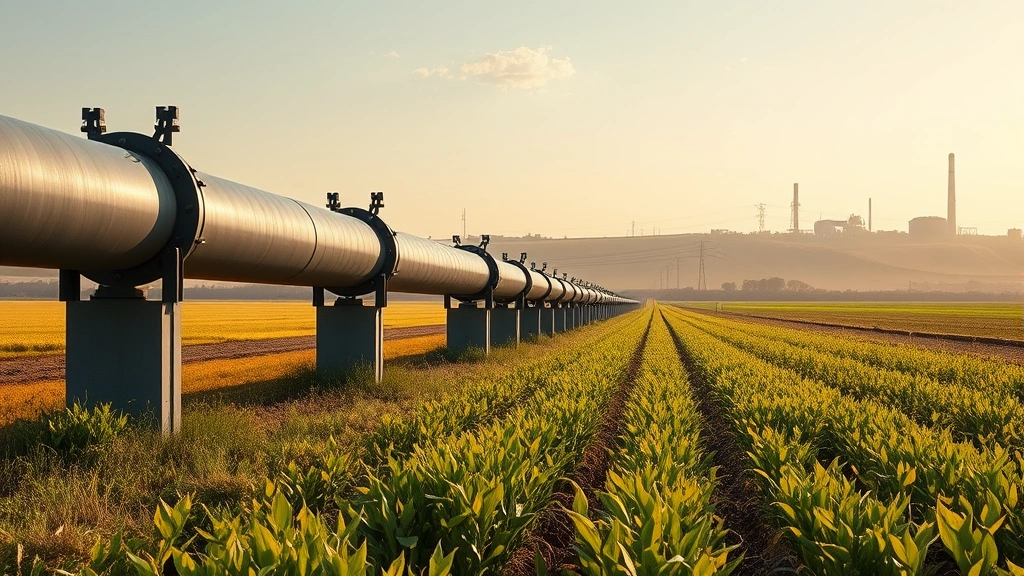
Natural gas is a fossil fuel composed primarily of methane, extracted from underground deposits or produced alongside oil and coal operations. For decades, it has been positioned as a bridge fuel—a cleaner option than coal for electricity generation and heating. The energy industry has invested heavily in natural gas infrastructure, particularly in regions like the Great Plains where vast reserves exist beneath agricultural and prairie lands.
When burned, natural gas produces approximately 50% fewer carbon dioxide emissions than coal and 20-30% fewer than oil. This relative advantage initially made it attractive to policymakers seeking to reduce carbon emissions without drastically overhauling energy systems. However, this comparison only tells part of the sustainability story. Understanding the definition of sustainability requires looking beyond simple carbon accounting to encompass water usage, ecosystem disruption, air quality, and long-term climate goals.
The Great Plains region has become increasingly important for natural gas production, with major operations in Texas, Oklahoma, Kansas, and Colorado. The economic benefits have been substantial for some communities, but these gains must be weighed against environmental and health considerations that affect the broader population.
Environmental Impact of Natural Gas Extraction
The extraction of natural gas involves significant environmental disruption that often goes unexamined in sustainability discussions. Hydraulic fracturing (fracking) and conventional drilling both require extensive infrastructure development, including well pads, pipelines, compressor stations, and processing facilities. In the Great Plains, this development has transformed landscapes that were previously dedicated to agriculture and wildlife habitat.
Water contamination represents one of the most serious environmental concerns. Natural gas extraction requires millions of gallons of water mixed with chemicals to fracture rock formations and release trapped gas. This process can potentially contaminate groundwater aquifers that many rural communities depend upon for drinking water and irrigation. The EPA has conducted extensive research on hydraulic fracturing’s potential impacts on drinking water resources.
Beyond water quality, extraction operations generate significant waste streams. Produced water—the salty, often chemically-laden water that returns to the surface during gas production—requires careful management. Improper disposal has led to environmental contamination and, in some cases, induced seismic activity in regions previously considered geologically stable.
Air quality degradation around extraction sites is another documented concern. Natural gas operations emit volatile organic compounds (VOCs) and nitrogen oxides that contribute to ground-level ozone formation, affecting respiratory health in nearby communities. These localized impacts disproportionately affect rural and indigenous populations living near production facilities.
Carbon Emissions and Climate Considerations
While natural gas produces lower carbon dioxide emissions than coal when burned, its role in addressing climate change is increasingly questioned by climate scientists. The fundamental issue is that natural gas remains a fossil fuel—burning it releases carbon that has been sequestered underground for millions of years, adding to atmospheric greenhouse gas concentrations.
From a climate perspective, the critical question is whether natural gas infrastructure locks in decades of continued fossil fuel dependence. Once substantial capital investments are made in pipelines, processing plants, and generation facilities, there are strong economic incentives to maintain and expand these systems. This creates what researchers call “carbon lock-in,” where investments in fossil fuel infrastructure discourage the transition to truly renewable energy sources.
The Intergovernmental Panel on Climate Change (IPCC) has emphasized that limiting global warming to 1.5°C requires rapid phase-out of fossil fuels, including natural gas. Continued reliance on natural gas, even as a transition fuel, is increasingly incompatible with climate targets established under the Paris Agreement. For regions like the Great Plains, this creates tension between economic interests in gas production and climate commitments.
Life cycle analysis of natural gas reveals that total greenhouse gas impact depends heavily on extraction methods, transportation distance, and whether methane leakage occurs during production and distribution. In the best-case scenario, natural gas produces roughly half the emissions of coal; in worst-case scenarios with significant methane leakage, the advantage diminishes considerably.
Methane Leakage: The Hidden Problem
Perhaps the most critical sustainability issue with natural gas is methane leakage throughout the supply chain. Methane is approximately 80-86 times more potent than carbon dioxide at trapping heat over a 20-year timeframe, making even small leakage rates significant for climate impact.
Industry estimates suggest leakage rates of 1-2% of total natural gas production, but independent studies have measured rates as high as 2-3% or even higher in certain regions. For the Great Plains, where extensive pipeline networks transport gas across state lines, opportunities for leakage exist at wellheads, processing plants, compressor stations, and distribution points. Aging infrastructure particularly increases leakage risk.
The climate implications are substantial. If methane leakage rates exceed approximately 3% of production volume, the climate benefit of natural gas over coal essentially disappears. Some researchers argue that even with strict leak detection and repair programs, maintaining leakage below this threshold is challenging across complex, aging infrastructure networks.
Addressing methane leakage requires substantial investment in detection technology, maintenance, and system upgrades. The question becomes whether society should invest in these improvements for a fossil fuel, or redirect capital toward renewable energy systems that eliminate this problem entirely.
Great Plains Natural Gas Infrastructure
The Great Plains region has become central to North American natural gas production and distribution. Major pipeline networks crisscross the region, including the Panhandle Eastern Pipeline, Natural Gas Pipeline Company of America, and numerous regional operators. This infrastructure has created economic benefits for some communities while raising environmental concerns for others.
Understanding the role of Great Plains natural gas in broader energy systems is essential for evaluating its sustainability. The region exports significant quantities of natural gas to other states, and some communities depend economically on production and transportation activities. However, this economic dependence creates resistance to energy transition, even as climate science increasingly questions natural gas’s role in sustainable energy futures.
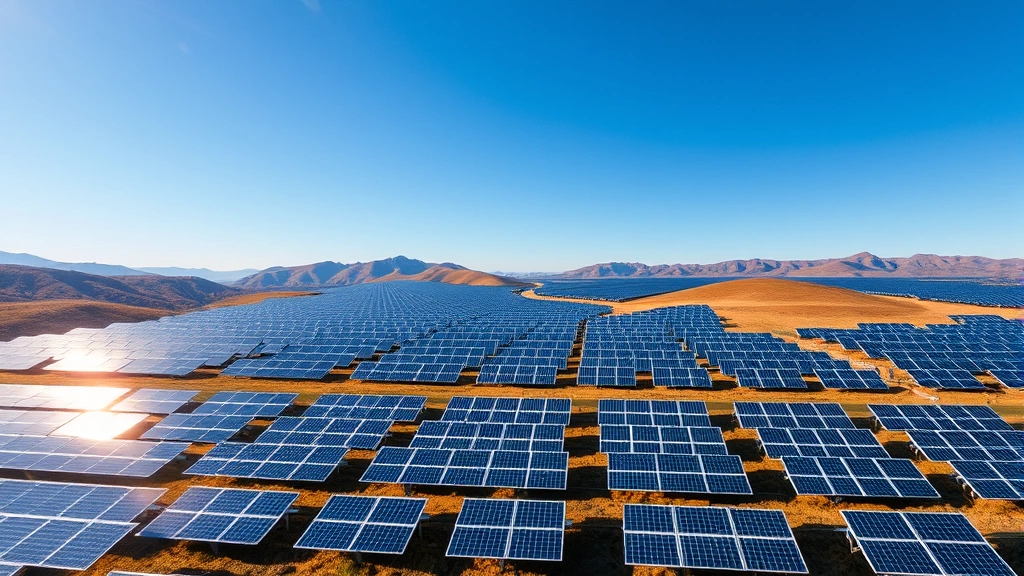
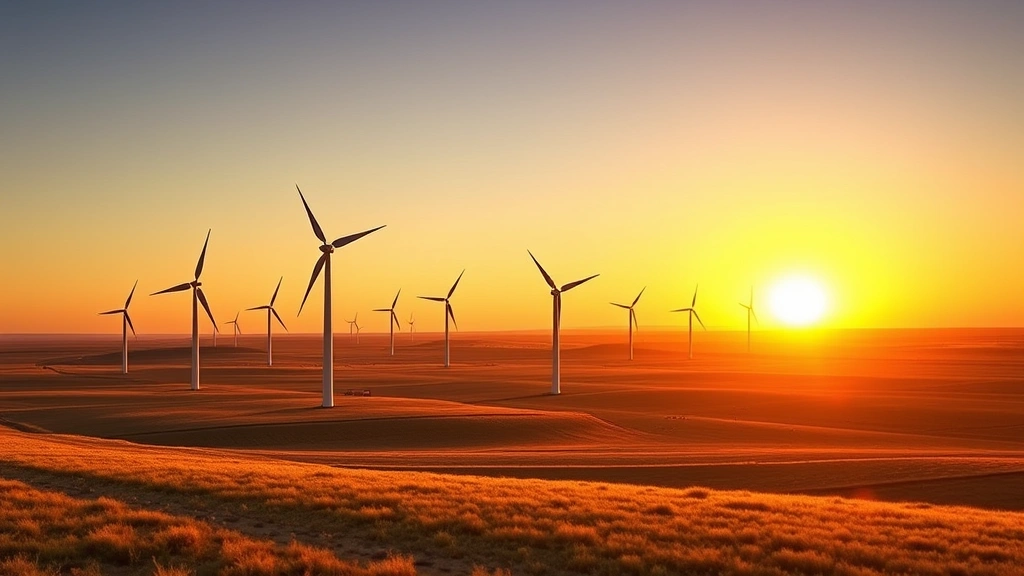
The sustainable energy solutions available to Great Plains communities increasingly include wind and solar resources that the region possesses in abundance. The Great Plains contains some of North America’s best wind resources, yet development has been limited partly due to political support for natural gas infrastructure and concerns about grid integration.
Comparing Natural Gas to Renewable Energy
When evaluating natural gas sustainability, direct comparison with renewable alternatives provides crucial context. Wind and solar energy sources available in the Great Plains produce electricity with minimal environmental impact during operation, no water contamination risks, and zero greenhouse gas emissions from fuel combustion.
The advantages of natural gas include its dispatchability—the ability to quickly adjust output to match demand—and its existing infrastructure. However, these advantages are increasingly offset by the availability of energy storage technologies (batteries, pumped hydro) and smart grid systems that enable renewable energy integration.
Cost comparisons have shifted dramatically. Renewable energy costs have declined 90% for solar and 70% for wind over the past decade, while natural gas prices remain subject to market volatility. New natural gas infrastructure investments face increasing economic risk as renewable alternatives become cheaper and more reliable.
From a sustainability standpoint, the comparison is stark. Renewable energy sources produce no greenhouse gas emissions, require no water for fuel combustion, create no extraction-related environmental damage, and generate no methane leakage. While renewable energy does require land and materials for equipment manufacturing, the total environmental footprint over a system’s lifetime remains far lower than fossil fuel alternatives.
Transportation represents another area where natural gas comparisons become relevant. While some advocate for natural gas vehicles as a transition away from petroleum, advantages of electric vehicles are becoming increasingly apparent as electricity grids incorporate more renewable sources. An electric vehicle powered by renewable energy is substantially more sustainable than a natural gas vehicle.
The Transition Question
Natural gas proponents often argue it plays an essential role as a transition fuel—a way to move away from coal while renewable energy capacity expands. This argument contains some merit: in regions heavily dependent on coal, switching to natural gas can reduce emissions in the near term. However, the transition argument faces increasing criticism from climate scientists and energy analysts.
The problem with viewing natural gas as a permanent transition fuel is that transitions require endpoints. Yet natural gas infrastructure, once built, tends to persist for 40-50 years or more. Investments made today in new natural gas infrastructure will likely still be operating in 2060-2070, conflicting with climate goals requiring net-zero emissions by mid-century.
Research from leading climate institutions indicates that true sustainability requires directly transitioning to renewable energy, rather than moving from coal to natural gas to renewables. The fastest, most cost-effective pathway involves rapidly deploying wind, solar, battery storage, and grid modernization—investments that increasingly compete economically with natural gas infrastructure.
For the Great Plains specifically, a transition strategy focused on renewable energy development could provide comparable economic benefits to continued natural gas infrastructure investment, while positioning the region as a leader in sustainable energy. Wind and solar development create comparable numbers of jobs, and the Great Plains’ renewable resources are world-class.
Making Sustainable Choices
For individuals and communities in the Great Plains and elsewhere, decisions about natural gas use connect to broader sustainability commitments. Understanding these connections enables more informed choices aligned with long-term environmental and climate goals.
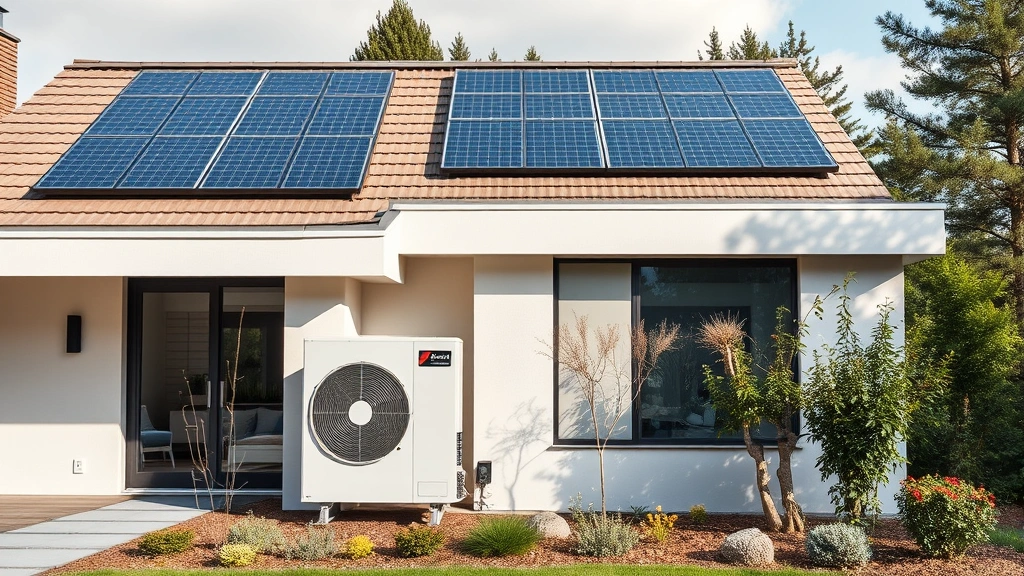
At the household level, how to reduce your environmental footprint includes evaluating energy sources. Where feasible, choosing renewable energy sources through utility programs or rooftop solar reduces reliance on natural gas. Improving home efficiency through insulation, weatherization, and efficient appliances reduces overall energy demand regardless of source.
For heating and cooking, electric alternatives powered by renewable energy represent the most sustainable long-term option. Heat pump technology has advanced significantly, providing efficient heating and cooling with electricity. Induction cooking offers superior efficiency and safety compared to gas stoves. While upfront conversion costs exist, operational savings and environmental benefits justify the investment over the long term.
Policymakers face more complex decisions balancing economic interests, energy security, and climate goals. Evidence increasingly suggests that aggressive renewable energy deployment, supported by grid modernization and storage investment, provides a faster, more cost-effective path to sustainability than continued natural gas infrastructure expansion.
The SustainWise Hub Blog provides ongoing analysis of energy transitions and sustainability strategies. Following developments in renewable energy policy, grid modernization, and climate science helps individuals and communities stay informed about evolving energy landscapes.
Communities can support sustainability by advocating for renewable energy investment, supporting grid modernization initiatives, and demanding accountability from utilities regarding emissions reduction. Individual choices about energy use, combined with collective action on policy, create the conditions for genuine energy transitions away from fossil fuels.
FAQ
Is natural gas considered a renewable energy source?
No, natural gas is a fossil fuel formed from organic matter deposited millions of years ago. It is not renewable on timescales relevant to human civilization. While it is sometimes called a “cleaner” fossil fuel compared to coal or oil, it remains fundamentally non-renewable and contributes to greenhouse gas emissions.
How does natural gas compare to coal for sustainability?
Natural gas produces approximately 50% fewer carbon dioxide emissions than coal when burned, and extraction typically causes less surface disruption than coal mining. However, both are fossil fuels contributing to climate change. Methane leakage from natural gas systems can significantly reduce its climate advantage. For true sustainability, both coal and natural gas should be phased out in favor of renewable energy.
What is methane leakage and why does it matter?
Methane leakage refers to unintended releases of natural gas (primarily methane) throughout the extraction, processing, and distribution chain. Methane is 80-86 times more potent than carbon dioxide at trapping heat over 20 years. Even small leakage rates (2-3%) can eliminate natural gas’s climate advantage over coal, making this a critical sustainability concern.
Can natural gas be part of a sustainable energy future?
While natural gas might play a temporary role in transitioning away from coal in specific regions, climate science indicates that true sustainability requires phasing out all fossil fuels, including natural gas. Renewable energy sources like wind and solar, combined with storage and grid modernization, offer a more sustainable and increasingly cost-effective path forward.
What sustainable alternatives exist for natural gas heating and cooking?
Electric alternatives powered by renewable energy represent the most sustainable options. Heat pumps provide efficient heating and cooling, while induction cooktops offer superior cooking efficiency compared to natural gas. These technologies have become increasingly affordable and reliable, making conversion economically sensible over the long term.
How can communities transition away from natural gas?
Communities can support transition through policy advocacy for renewable energy investment, grid modernization, and electrification programs. Individual actions include improving home efficiency, installing renewable energy systems where feasible, and switching to electric heating and cooking when equipment reaches replacement age. Collective action on both individual and policy levels creates conditions for successful energy transitions.