Is Green Gas Eco-Friendly? Expert Analysis of Airsoft Green Gas and Environmental Impact
The term green gas airsoft has become increasingly common in the recreational shooting community, but the environmental credentials of this propellant deserve closer examination. Green gas, typically a blend of propane and silicone oil, is marketed as an environmentally conscious alternative to traditional airsoft propellants. However, the reality is more nuanced. This comprehensive analysis explores whether green gas truly lives up to its eco-friendly claims and how it compares to other propellant options in terms of sustainability and environmental responsibility.
Airsoft enthusiasts often face a dilemma: balancing their recreational interests with environmental consciousness. Understanding the actual ecological footprint of green gas requires examining its composition, manufacturing processes, disposal methods, and alternatives. Whether you’re a casual player or serious collector, making informed choices about airsoft equipment contributes to broader sustainability efforts.
What Is Green Gas Airsoft and Its Composition
Green gas represents a specific formulation of propellant designed for airsoft weapons and replica firearms. Unlike pure propane or butane, green gas contains approximately 80% propane combined with 20% silicone oil lubricant. This mixture serves a dual purpose: providing propulsive force while simultaneously lubricating internal mechanisms of airsoft guns.
The silicone oil component distinguishes green gas from standard industrial propane, making it technically unsuitable for other applications. This specialized formulation was developed to address wear and tear issues common in airsoft weapons while maintaining performance across varying temperature ranges. The propane base gas is extracted from natural gas processing and petroleum refining, while silicone oils are synthetic compounds derived from silicon and organic materials.
Understanding the advantages of natural gas helps contextualize why propane became the industry standard. Propane’s efficiency and availability made it the logical choice for airsoft propellants, though this doesn’t automatically translate to environmental friendliness.
Environmental Impact of Green Gas Production
The manufacturing process of green gas airsoft propellant involves several stages, each with distinct environmental implications. Understanding these stages reveals the true sustainability profile of this product.
Propane Extraction and Processing: Propane is obtained through natural gas processing and crude oil refining. While propane itself is considered a cleaner-burning fossil fuel compared to coal or heavy fuel oils, its extraction still contributes to fossil fuel dependency and carbon emissions. The drilling and processing infrastructure required to produce propane generates methane emissions and requires significant energy investments.
Silicone Oil Manufacturing: The silicone component involves chemical synthesis processes. Silicone oils are produced from silicon dioxide and organic compounds through energy-intensive manufacturing. This process requires high temperatures and specialized catalysts, contributing to industrial energy consumption and potential chemical waste if not properly managed.
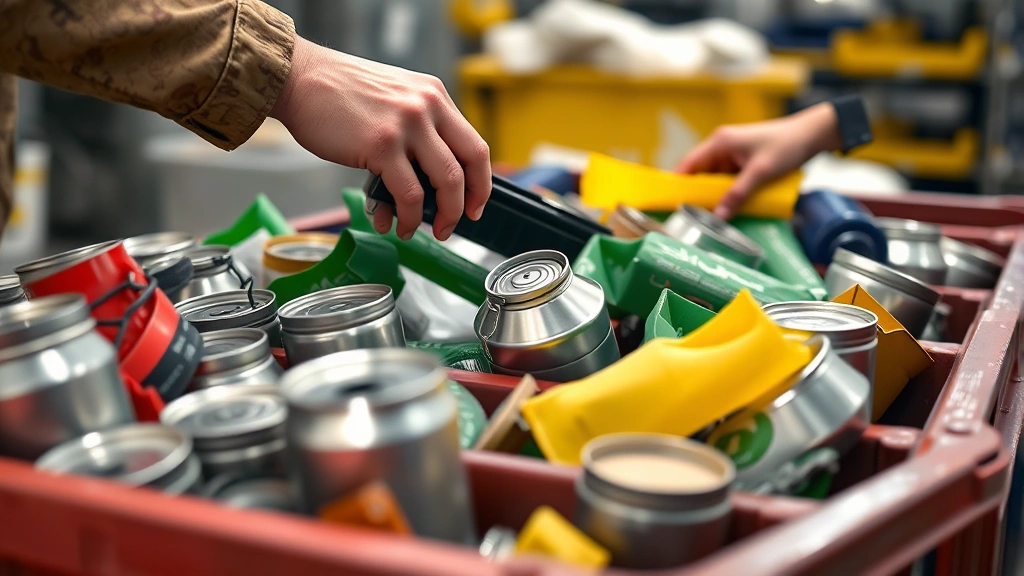
Packaging and Distribution: Green gas airsoft canisters are typically packaged in aluminum or steel containers. While metal containers are recyclable, the energy required for their production and the transportation of heavy, pressurized containers across supply chains adds to the overall carbon footprint. Most consumers don’t recycle these canisters properly, leading to unnecessary waste.
According to research from the Environmental Protection Agency, propane production and distribution accounts for measurable greenhouse gas emissions. The EPA’s analysis indicates that propane’s lifecycle emissions are lower than petroleum products but higher than renewable energy sources.
Comparison with Alternative Propellants
To properly assess whether green gas is truly eco-friendly, comparing it with other airsoft propellant options provides valuable perspective.
CO2 Cartridges: Carbon dioxide cartridges represent the most common alternative to green gas. CO2 is a byproduct of various industrial processes and can be captured and reused, making it a potentially more sustainable option. However, CO2 contributes to climate change when released into the atmosphere. The advantage lies in CO2’s efficiency—fewer cartridges are needed per gaming session compared to green gas, reducing overall consumption and waste. Many recycling programs accept CO2 cartridges, though participation rates remain low among airsoft players.
HPA (High Pressure Air) Systems: High-pressure air systems represent the most environmentally responsible option for serious airsoft enthusiasts. These systems use compressed air, either hand-pumped or charged via electric compressors. HPA systems eliminate the need for disposable cartridges entirely, though they require initial investment in equipment. Understanding sustainability principles reveals that HPA systems best align with reducing consumption and waste.
Spring-Powered Systems: Spring-powered airsoft guns eliminate propellant requirements entirely, relying on mechanical energy. These weapons produce no emissions during use, though manufacturing and transportation still carry environmental costs. For players seeking the lowest environmental impact, spring systems offer a genuine alternative.
Carbon Footprint and Emissions Analysis
Quantifying the carbon footprint of green gas airsoft requires examining multiple variables. The lifecycle assessment reveals several key findings:
- Production Emissions: Manufacturing one green gas canister generates approximately 0.5-0.8 kg of CO2 equivalent when accounting for propane extraction, silicone oil synthesis, container production, and packaging. This calculation follows Carbon Trust methodology for product carbon footprinting.
- Transportation Impact: Shipping pressurized containers internationally adds significant carbon costs. A single shipment of green gas canisters can generate 100+ kg of CO2 through freight transportation alone.
- Use-Phase Emissions: When green gas is expelled from the airsoft weapon, the propane is released into the atmosphere. While propane doesn’t directly contribute to ozone depletion, it is a greenhouse gas with a global warming potential 3-4 times higher than CO2 over a 100-year period.
- End-of-Life Considerations: Most green gas canisters end up in landfills. The aluminum containers take 200+ years to decompose, and any residual propane or silicone oil can contaminate soil and groundwater if not properly managed.
Research from the Intergovernmental Panel on Climate Change indicates that reducing propane consumption represents a meaningful climate action, particularly for recreational activities where alternatives exist.
Proper Disposal and Recycling Considerations
The environmental responsibility of green gas extends beyond purchase decisions to include proper end-of-life management. Unfortunately, most airsoft players lack awareness about correct disposal procedures.
Current Disposal Practices: Studies indicate that approximately 85% of used green gas canisters are discarded in regular household waste streams. This practice is problematic because pressurized containers can rupture in landfills or during waste processing, releasing propane and contaminating surrounding areas. Additionally, improper disposal may violate hazardous waste regulations in many jurisdictions.
Proper Recycling Methods: Green gas canisters should be treated as hazardous waste. Most recycling centers accept aluminum and steel containers when properly depressurized. However, depressurizing green gas canisters safely requires specialized equipment. Some airsoft retailers and specialized hazardous waste facilities accept used canisters, though finding these services requires effort.
Reducing Canister Waste: The most effective approach involves reducing consumption. Switching to sustainable energy solutions like HPA systems eliminates this disposal concern entirely. For players committed to green gas, investing in high-quality regulators and maintaining equipment extends canister lifespan.
Sustainable Alternatives for Airsoft Enthusiasts

Environmentally conscious airsoft players have several alternatives worth considering:
HPA (High Pressure Air) Systems: These represent the gold standard for sustainable airsoft play. A single HPA tank can provide hundreds of shots, eliminating the need for disposable cartridges. While requiring upfront investment ($200-500), HPA systems pay for themselves within 1-2 seasons through reduced cartridge purchases. Many modern airsoft fields offer HPA fill stations, making this option increasingly practical.
Electric Airsoft Guns (AEGs): Battery-powered systems eliminate gas propellants entirely. Modern AEGs offer excellent performance and reliability. The primary environmental consideration involves battery production and charging, though lithium-ion batteries have become increasingly sustainable. Rechargeable batteries used repeatedly throughout their lifespan represent a lower environmental impact than disposable gas cartridges.
Spring-Powered Systems: For players seeking zero ongoing emissions, spring-powered weapons provide genuine eco-friendly gameplay. While offering lower rates of fire than gas or electric systems, they deliver reliable performance with no propellant requirements. These weapons appeal to players prioritizing environmental responsibility.
Green Energy Charging: If choosing electric airsoft guns, charging batteries using renewable energy sources maximizes environmental benefits. Installing solar panels or switching to green energy providers ensures that battery charging doesn’t increase household carbon footprint.
Regulatory Framework and Certifications
Understanding regulations surrounding green gas airsoft helps identify genuinely eco-friendly products. Several certification systems address environmental claims:
Environmental Product Declarations (EPDs): Some manufacturers pursue EPD certifications, which require third-party verification of environmental claims. Look for airsoft products bearing legitimate EPD labels, indicating transparent lifecycle assessments.
ISO 14001 Certification: Manufacturers holding ISO 14001 certification have implemented environmental management systems. This doesn’t guarantee that green gas itself is eco-friendly, but indicates the company prioritizes environmental responsibility in operations.
Regional Regulations: The EPA’s ozone protection regulations restrict certain propellants but currently permit propane use in airsoft applications. However, regulations continue evolving as climate science advances. Players should monitor regulatory changes affecting propellant availability.
The European Union’s F-Gas Regulation restricts certain fluorinated gases, potentially affecting airsoft propellant availability in EU markets. This regulatory trend suggests increasing environmental scrutiny of recreational propellants.
Making Eco-Conscious Choices
Airsoft enthusiasts can reduce their environmental impact through deliberate choices and practices:
Assess Your Priorities: Determine whether green gas performance characteristics justify environmental costs for your specific needs. Casual players might achieve satisfaction with spring-powered systems, while competitive players may find HPA systems offer the best environmental-to-performance ratio.
Invest in Quality Equipment: Purchasing durable airsoft weapons reduces replacement frequency and overall consumption. Higher-quality guns typically have longer operational lifespans, reducing manufacturing emissions associated with replacement purchases.
Maintain Equipment Properly: Regular maintenance extends equipment lifespan and improves efficiency. Well-maintained guns require fewer gas cartridges per session, reducing consumption and waste. Consider energy-saving practices that parallel equipment maintenance principles.
Participate in Recycling Programs: Research local hazardous waste facilities accepting pressurized canisters. Some airsoft retailers and specialty recycling centers provide collection services. Proper disposal prevents environmental contamination and supports circular economy principles.
Support Sustainable Manufacturers: Choose airsoft equipment from companies demonstrating environmental commitment. Some manufacturers use recycled materials, minimize packaging, and support sustainability initiatives. Supporting these businesses encourages industry-wide environmental improvement.
Share Knowledge: Educate fellow airsoft players about environmental considerations. Community awareness drives collective behavior change, potentially motivating retailers and manufacturers to prioritize sustainability.
Consider Electric Alternatives: Explore advantages of electric systems comparable to automotive electrification trends. Electric airsoft guns continue improving in performance and reliability, making them increasingly viable alternatives to gas-powered systems.
FAQ
Is green gas airsoft truly eco-friendly?
Green gas airsoft cannot be classified as genuinely eco-friendly. While marketed as environmentally superior to some alternatives, green gas involves fossil fuel extraction, energy-intensive manufacturing, and propane release into the atmosphere. The product’s environmental impact remains significant despite claims of sustainability. HPA systems and electric airsoft guns represent more genuinely eco-friendly options.
What are the main environmental concerns with green gas?
Primary concerns include propane’s global warming potential, manufacturing emissions, packaging waste, improper disposal in landfills, and transportation carbon costs. Each canister generates measurable emissions across its lifecycle. Most players fail to recycle canisters properly, exacerbating environmental impact.
How does green gas compare to CO2 cartridges environmentally?
CO2 cartridges present mixed environmental profiles. While CO2 contributes to climate change, CO2 systems require fewer cartridges per session due to superior efficiency. CO2 canisters are more widely accepted in recycling programs. Overall environmental impact depends on usage patterns and recycling practices.
Are HPA systems genuinely sustainable?
HPA systems represent the most sustainable option for serious airsoft players. By eliminating disposable cartridges, HPA systems dramatically reduce consumption and waste. Initial equipment investment is higher, but lifecycle environmental costs are significantly lower than gas-based systems. HPA systems appeal to players prioritizing long-term environmental responsibility.
What’s the best environmentally conscious airsoft choice?
The optimal choice depends on individual circumstances. Casual players benefit most from spring-powered systems requiring no propellant. Competitive players should consider HPA systems for superior sustainability. Electric airsoft guns offer middle-ground solutions with no ongoing propellant purchases. All alternatives present lower environmental impact than green gas.
Can I recycle green gas canisters?
Yes, but with caveats. Metal canisters are recyclable, but must be properly depressurized first using specialized equipment. Standard recycling programs typically won’t accept pressurized containers due to safety concerns. Contact local hazardous waste facilities or specialized recycling centers for proper disposal options. Some airsoft retailers participate in collection programs.
How much carbon does one green gas canister produce?
A single green gas canister generates approximately 0.5-0.8 kg of CO2 equivalent during manufacturing. Transportation, storage, and propane release into the atmosphere add additional emissions. Over a season, typical players may use 20-50 canisters, generating 10-40 kg of CO2 equivalent from propellant alone.
What regulations govern green gas airsoft?
Regulations vary by region. The EPA currently permits propane use in airsoft applications, though this may change as climate regulations evolve. The European Union’s F-Gas Regulation affects some propellant availability. Players should monitor local regulations, as restrictions may affect propellant accessibility in coming years.


