
Gas vs Charcoal Grill: Pro Insights for Sustainable Outdoor Cooking
Choosing between a gas and charcoal grill involves more than just flavor preferences—it’s about understanding efficiency, environmental impact, and long-term value. Whether you’re a weekend barbecue enthusiast or serious outdoor chef, the decision between these two popular grilling methods affects your carbon footprint, cooking experience, and overall sustainability. This comprehensive guide explores the critical differences, benefits, and drawbacks of each option to help you make an informed choice that aligns with both your culinary goals and environmental values.
The grilling landscape has evolved significantly over the past decade. Modern gas and charcoal combination grills now offer unprecedented flexibility, allowing homeowners to enjoy the best of both worlds. Understanding the nuances of each fuel source—from ignition speed and temperature control to emissions and fuel sourcing—empowers you to select equipment that matches your lifestyle while supporting responsible consumption practices.
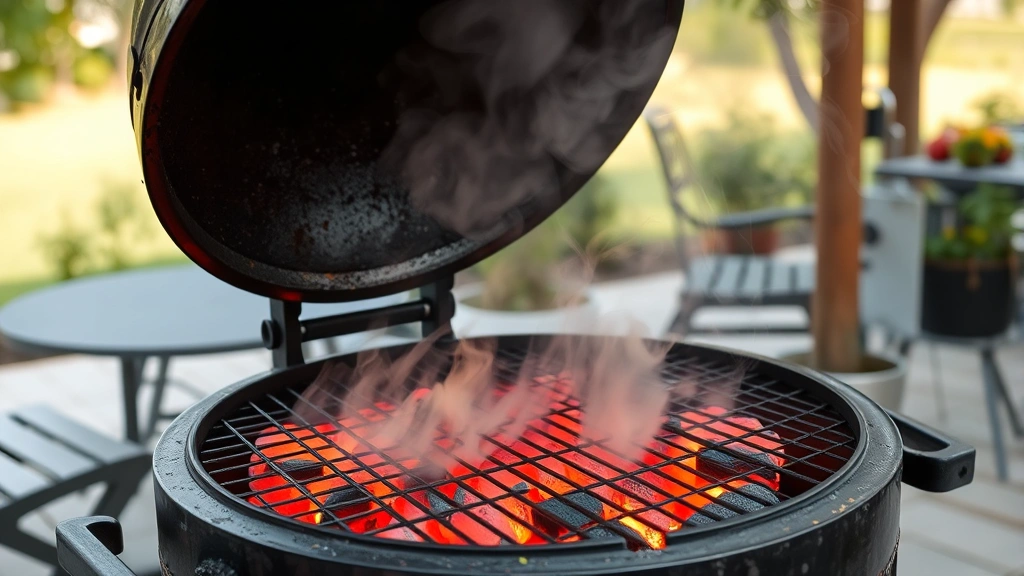
Gas Grills: Convenience and Efficiency
Gas grills represent the modern approach to outdoor cooking, offering unparalleled convenience and consistent results. Powered by propane or natural gas, these grills ignite instantly and reach optimal cooking temperatures in minutes—perfect for busy households that value time efficiency. The precision temperature control allows you to adjust heat with the turn of a knob, making it easier to achieve perfect searing, slow-roasting, or delicate fish preparation.
The efficiency of gas grills extends beyond convenience. Natural gas advantages include superior fuel efficiency compared to charcoal, with up to 75% of heat energy directly reaching your food. This means less fuel consumption per cooking session and lower operational costs over time. Modern gas grills feature innovative designs with multiple burners, allowing zone cooking where different areas maintain distinct temperatures simultaneously—essential for preparing diverse menu items during single cookouts.
Gas grills also excel in weather resistance and year-round usability. The enclosed burner system protects ignition components from rain and moisture, while consistent performance remains reliable even in cold conditions. If you’re committed to sustainable energy solutions, natural gas grills powered by piped-in utility gas eliminate the need for disposable propane canisters, reducing packaging waste and transportation emissions.
Temperature precision is another significant advantage. Digital thermometers, multiple independent burners, and improved heat distribution systems enable gas grills to maintain steady cooking temperatures within narrow ranges. This consistency particularly benefits health-conscious cooking, as you can control flare-ups more easily, resulting in fewer carcinogenic compounds from excessive charring.
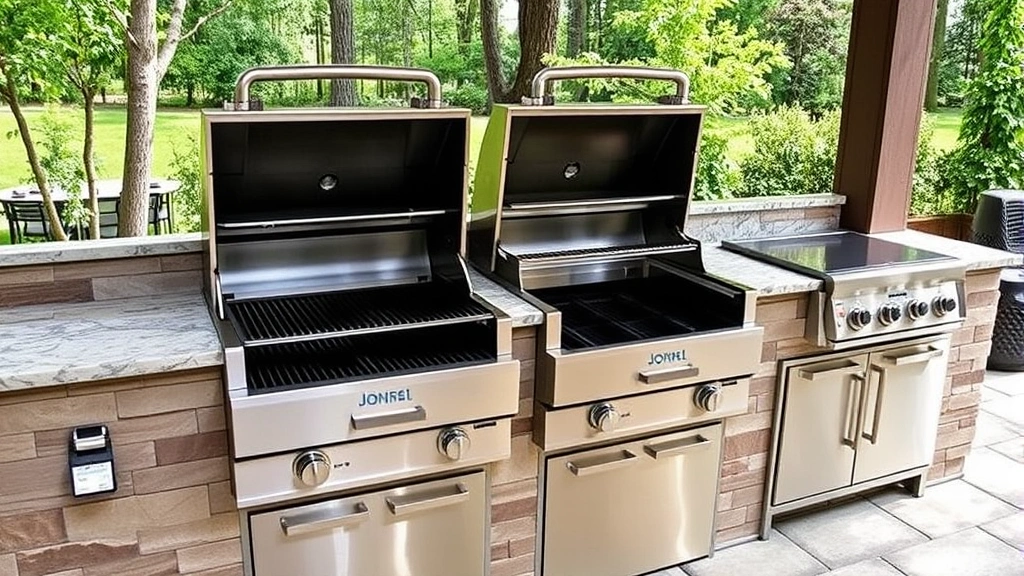
Charcoal Grills: Flavor and Tradition
Charcoal grilling remains the gold standard for authentic barbecue flavor that gas simply cannot replicate. The high, intense heat from burning charcoal creates distinctive Maillard reactions—chemical processes that develop complex, smoky flavors impossible to achieve with gas. Professional pitmasters and competitive barbecue champions overwhelmingly prefer charcoal for its superior flavor development and smoking capabilities.
The versatility of charcoal extends to fuel variety. Traditional hardwood charcoal, premium lump charcoal, and briquettes each impart unique flavor profiles. You can enhance the experience by adding wood chips, chunks, or specialty smoking woods to create custom flavor combinations. This level of culinary customization appeals to serious cooking enthusiasts who view grilling as an art form rather than a mere cooking method.
Charcoal grills offer impressive heat intensity. Quality charcoal burns hotter than gas, reaching temperatures exceeding 700°F easily. This extreme heat capability makes charcoal ideal for high-temperature searing, creating restaurant-quality crusts on steaks and developing beautiful caramelization on vegetables. The radiant heat distribution creates natural hot and cool zones, enabling experienced grillmasters to execute sophisticated cooking techniques.
Environmentally conscious consumers should note that sustainably sourced charcoal represents a renewable resource option. Unlike fossil fuel-based propane or natural gas, quality charcoal comes from responsibly managed forests. Hardwood charcoal production supports sustainable forestry practices when sourced properly, making it an attractive choice for those prioritizing sustainability definition principles in their purchasing decisions.
Charcoal’s simplicity appeals to minimalists. Without electronic components, complex burner systems, or reliance on utility infrastructure, charcoal grills represent low-tech reliability. This independence means you can grill anywhere—camping trips, beach outings, or remote locations—without infrastructure limitations.
Hybrid Grills: The Best of Both Worlds
The innovation of dual-fuel grills combining gas and charcoal capabilities addresses the eternal debate by offering flexibility without compromise. These hybrid systems feature separate cooking chambers or integrated burner configurations allowing simultaneous gas and charcoal cooking. Professional-grade hybrid grills enable you to sear steaks over gas while smoking ribs over charcoal during the same cookout.
Hybrid grills serve diverse culinary preferences within single households. Family members favoring convenience can utilize the gas side while barbecue enthusiasts employ the charcoal chamber. This flexibility eliminates the need for equipment compromise and maximizes cooking potential. Advanced models feature independent temperature controls for each fuel source, sophisticated damper systems for airflow management, and integrated thermometers for precision monitoring.
The investment in hybrid technology proves worthwhile for serious outdoor cooks. While purchase prices exceed single-fuel alternatives, the versatility justifies the expense through expanded cooking capabilities. You gain gas grilling’s convenience for weeknight dinners while maintaining charcoal’s smoking prowess for weekend entertaining. Many hybrid owners report using both fuel sources regularly, finding that each excels for specific applications.
Installation considerations matter for hybrid systems. Permanent installations with natural gas hookups combined with charcoal capability create the ultimate outdoor kitchen centerpiece. Portable hybrid models offer flexibility for apartment dwellers or those preferring equipment mobility. Whether stationary or mobile, hybrid grills represent the pragmatic solution for cooks unwilling to sacrifice either convenience or flavor.
Environmental Impact Analysis
Evaluating environmental consequences requires examining the complete lifecycle of each fuel source. Propane, commonly used in gas grills, is extracted as a petroleum byproduct during crude oil and natural gas processing. While propane burns cleaner than charcoal regarding particulate emissions, its fossil fuel origin means inherent carbon footprint concerns. Transportation, storage, and eventual combustion contribute to greenhouse gas accumulation.
Natural gas piped directly to homes eliminates propane canister production and transportation emissions. This infrastructure-dependent option proves most sustainable for stationary installations with utility access. According to EPA environmental data, natural gas produces approximately 50% fewer carbon emissions than charcoal when accounting for combustion efficiency and fuel sourcing.
Charcoal’s sustainability depends heavily on sourcing practices. Irresponsibly harvested charcoal contributes to deforestation and habitat destruction. Conversely, charcoal from certified sustainable forestry operations supports responsible land management and carbon sequestration. Look for Forest Stewardship Council certification or similar environmental credentials when selecting charcoal products.
Particulate matter emissions differ significantly between fuels. Charcoal produces visible smoke and releases fine particulates affecting local air quality. Gas combustion burns cleaner with minimal visible emissions, though complete combustion efficiency varies by equipment quality. For environmentally conscious consumers in areas with air quality concerns, gas represents the more responsible choice.
Waste generation presents another consideration. Propane canisters require recycling infrastructure, though many retailers accept empty containers. Charcoal ash requires proper disposal, though small quantities can benefit garden soil as potassium-rich amendment. Gas grills produce minimal waste beyond occasional component replacement.
The Global Carbon Project emphasizes that fuel sourcing and combustion efficiency matter more than fuel type alone. A well-maintained natural gas grill with high combustion efficiency may produce lower lifetime emissions than a poorly maintained charcoal grill.
Cost Comparison and Long-Term Value
Initial purchase price varies dramatically based on quality and features. Entry-level charcoal grills cost $50-200, while basic gas grills range from $200-500. Premium models—whether charcoal, gas, or hybrid—easily exceed $1,000. The advantages of natural gas extend to long-term operational costs when comparing utility-piped systems to propane or charcoal consumption.
Fuel costs dominate operational expenses. A 20-pound propane canister ($15-25) provides approximately 20-25 hours of cooking time at medium settings, translating to $0.75-1.25 per hour. Charcoal costs vary widely—premium lump charcoal ($20-30 per 10-pound bag) costs more per cooking session than economy briquettes ($5-10 per 10-pound bag). Natural gas piped directly to homes costs least per BTU, offering long-term savings for frequent grillers.
Maintenance expenses differ substantially. Gas grills require annual burner cleaning, occasional ignition system repairs, and periodic replacement of grates and flavorizer bars. Charcoal grills need minimal maintenance beyond grate cleaning and occasional rust treatment. Hybrid systems require maintenance for both fuel sources, increasing complexity and potential repair costs.
Durability and lifespan affect true cost-of-ownership calculations. Quality gas grills last 5-15 years depending on materials and maintenance. Charcoal grills often exceed 20+ years, particularly simple drum or kettle designs. Stainless steel construction extends longevity but increases purchase price. Calculate total ownership cost by dividing purchase price plus maintenance and fuel expenses by expected lifespan to determine true annual cost.
Resale value considerations matter for some buyers. Premium gas grills with established brand reputations hold value better than budget charcoal models. However, vintage charcoal grills often appreciate due to collectibility and brand loyalty. The best value emerges from purchasing quality equipment matching your actual usage patterns rather than aspirational cooking frequency.
Performance Metrics and Cooking Results
Temperature control precision directly impacts cooking outcomes. Gas grills offer superior temperature consistency through adjustable burners and enclosed designs minimizing wind effects. Professional tests show gas grills maintain target temperatures within ±10°F, enabling precise cooking. Charcoal requires active management through damper adjustment and coal repositioning, with typical temperature variance of ±25°F.
Heat distribution patterns differ notably. Gas burners create linear heat zones with distinct hot and cool areas, perfect for simultaneous multi-temperature cooking. Charcoal produces radiant heat from coal bed configuration, creating circular hot zones. Both approaches work excellently when understood and utilized properly by experienced cooks.
Searing capability favors charcoal’s extreme temperatures. Steaks achieve superior crust development at 700°F+, though quality gas grills with high-BTU burners approach comparable results. The rapid heat responsiveness of charcoal enables quick temperature spikes, while gas requires brief preheating periods.
Smoking and low-and-slow cooking heavily favor charcoal. Offset smokers and barrel designs excel at maintaining precise low temperatures (225-250°F) for extended periods. Gas smokers exist but require specialized equipment and careful burner tuning. If smoking meats represents a primary cooking goal, charcoal’s flexibility proves superior.
Versatility matters for multi-purpose outdoor cooks. Gas grills handle everything from delicate fish to thick steaks consistently. Charcoal requires more skill for temperature management but rewards expertise with superior flavor. Hybrid gas and charcoal grills eliminate compromise, enabling optimal technique selection for each cooking scenario.
Maintenance and Durability
Gas grill maintenance requires regular attention to prevent performance degradation. Annual deep cleaning of burners removes rust and debris accumulation. Ignition systems need occasional battery replacement or electrode cleaning. Propane regulators require inspection for leaks. Grates and flavorizer bars eventually rust and need replacement—typically every 3-5 years depending on weather exposure and care.
Charcoal grill maintenance proves simpler overall. Empty ash after cooling, brush grates periodically, and address rust with protective coating. Ventilation dampers need occasional cleaning to ensure smooth operation. The absence of electronic components means fewer potential failure points. Simple charcoal grills can function reliably for decades with minimal intervention.
Weather protection extends equipment lifespan dramatically. Covered storage during off-season prevents rust and component degradation. Quality grill covers ($30-100) represent excellent investments protecting expensive equipment. Permanent installations under covered patios or pergolas eliminate seasonal storage needs while maintaining accessibility.
Material quality fundamentally affects durability. Stainless steel construction resists corrosion better than painted steel, though costs more. Cast iron grates require seasoning maintenance but develop superior non-stick properties. Ceramic or porcelain-coated grates offer corrosion resistance with minimal upkeep. Invest in quality materials for equipment you’ll use frequently.
Component replacement availability impacts long-term ownership satisfaction. Established brands maintain parts availability for older models, while newer boutique manufacturers sometimes discontinue support. Consider brand reputation and parts availability when selecting equipment, particularly for expensive hybrid or premium systems.
Professional servicing availability varies by location. Gas grill technicians are widely available in most areas, while charcoal grill repairs rarely require professional assistance. This accessibility advantage favors gas grills in urban areas but matters less for simple charcoal equipment.
Making Your Optimal Choice
Selecting between gas and charcoal ultimately depends on your priorities, cooking style, and lifestyle factors. Frequent casual grilling favors gas for convenience and reliability. Serious barbecue enthusiasts and flavor-focused cooks should choose charcoal. Those wanting maximum flexibility without compromise should consider hybrid options despite higher initial investment.
Environmental consciousness can guide your decision through thoughtful sourcing. Natural gas piped to permanent installations offers lowest emissions. Sustainably sourced charcoal from certified forests supports responsible forestry. Propane represents a middle ground with moderate environmental impact when recycled properly.
Budget considerations matter significantly. Entry-level charcoal grills offer excellent value for occasional use. Mid-range gas grills provide reliability for regular cooking. Premium hybrid systems justify expense only for serious outdoor cooks. Avoid over-investing in equipment exceeding your actual usage patterns.
Your living situation influences practical options. Apartment dwellers may face propane restrictions, making charcoal portable models ideal. Homeowners with gas utility access gain advantages from natural gas hookups. Frequent travelers benefit from portable charcoal designs.
Climate factors affect equipment selection. Cold-weather cooks appreciate gas reliability in winter. Hot, dry climates suit either fuel type. Coastal areas demand corrosion-resistant materials regardless of fuel choice.
Consider exploring green technology innovations in outdoor cooking equipment. Manufacturers continuously develop more efficient and sustainable options. Electric grills represent emerging alternatives worth investigating, though they lack the flavor development and performance of traditional methods.
FAQ
Are hybrid gas and charcoal grills worth the investment?
Yes, if you grill frequently and want maximum cooking versatility. Hybrid systems justify higher purchase prices through expanded capabilities, though single-fuel options prove sufficient for casual cooks with specific preferences.
Which grill type is more environmentally friendly?
Natural gas piped to homes offers the lowest environmental impact. Sustainably sourced charcoal from certified forests ranks second. Propane grills fall between these options depending on canister recycling practices.
Can you convert a charcoal grill to gas?
Limited conversion kits exist for specific grill models, though results often disappoint. Most conversions reduce charcoal’s advantages without fully capturing gas benefits. Purchasing appropriate equipment proves more satisfactory than attempting conversions.
What’s the best grill for smoking meats?
Charcoal excels at smoking through superior temperature control flexibility and flavor development. Dedicated offset smokers or barrel designs work best, though quality gas smokers exist for convenience-focused cooks.
How long do gas and charcoal grills last?
Quality charcoal grills often exceed 20 years with minimal maintenance. Gas grills typically last 5-15 years depending on materials and care. Stainless steel construction extends lifespan for both types significantly.
Which requires less maintenance?
Charcoal grills demand minimal upkeep beyond ash removal and occasional rust treatment. Gas grills require annual burner cleaning, ignition system checks, and periodic component replacement, making charcoal the low-maintenance option.
Can gas and charcoal grills achieve the same cooking results?
High-quality gas grills produce excellent results for most cooking applications. Charcoal excels at extreme temperatures and smoking. For everyday cooking, differences narrow significantly when both equipment types are properly maintained and used skillfully.
What about portable grilling options?
Charcoal offers superior portability through lightweight designs. Portable gas grills exist but require propane canisters. Tabletop charcoal grills serve apartment dwellers and frequent travelers excellently.
How do I choose between propane and natural gas?
Natural gas piped to permanent installations offers lower long-term costs and minimal environmental impact. Propane provides flexibility for portable grills and locations without gas infrastructure, though canister management requires organization.
What certifications should I look for when buying charcoal?
Seek Forest Stewardship Council certification or similar environmental credentials ensuring sustainable sourcing. Avoid charcoal from unknown origins or regions with deforestation concerns.


