HEB’s Green Gas: A Sustainable Choice? Comprehensive Analysis
H-E-B, one of Texas’s largest grocery retailers, has positioned itself as an environmentally conscious company through various sustainability initiatives. Among these efforts is their involvement in natural gas distribution and energy solutions, marketed under the umbrella of green energy alternatives. But does HEB’s natural gas offering truly represent a sustainable choice, or is it merely greenwashing? This comprehensive analysis examines the environmental impact, viability, and legitimacy of HEB’s gas initiatives.
As consumers increasingly demand eco-friendly options, major retailers are responding with renewable and cleaner-burning fuel alternatives. HEB’s commitment to sustainability extends beyond groceries to energy solutions, but understanding the nuances of natural gas as a “green” option requires deeper investigation into carbon emissions, infrastructure, and long-term environmental goals.
Understanding HEB’s Energy Initiatives
H-E-B Grocery Company operates primarily in Texas and Mexico, serving millions of customers daily. The company’s sustainability strategy encompasses multiple areas, including waste reduction, renewable energy adoption, and energy-efficient store operations. Within this framework, HEB has partnered with energy providers to offer natural gas solutions to customers, positioning these offerings as environmentally responsible alternatives to other fossil fuels.
HEB’s involvement in gas distribution reflects broader industry trends where major retailers diversify their service offerings. By providing access to natural gas, HEB positions itself as a comprehensive lifestyle provider while capitalizing on consumer demand for cleaner energy sources. However, the “green” designation requires examination of actual environmental benefits compared to other energy options.
The company’s commitment to sustainable business practices extends to store operations, renewable energy installations, and supply chain improvements. Yet the promotion of natural gas as a green solution warrants careful scrutiny regarding its true environmental credentials.
Natural Gas: The Middle Ground Fuel
Natural gas occupies a unique position in the energy landscape. It burns cleaner than coal and oil, producing approximately 50% fewer carbon dioxide emissions than coal when combusted. This characteristic has earned natural gas the label “transition fuel” or “bridge fuel” in climate discussions. However, this designation comes with significant caveats that consumers should understand.
When comparing natural gas to petroleum products, the emissions advantage is clear. A gallon of gasoline produces roughly 19.6 pounds of CO2 when burned, while natural gas produces approximately 12 pounds of CO2 per unit of energy equivalent. This makes natural gas substantially cleaner for direct combustion applications. However, the full lifecycle analysis becomes more complex when considering methane leakage during extraction, processing, and distribution.
Methane, the primary component of natural gas, possesses a global warming potential 25-28 times greater than carbon dioxide over a 100-year period. Even small leakage rates during production and transportation can significantly offset the combustion advantages. The EPA estimates that methane emissions from natural gas systems contribute substantially to overall greenhouse gas emissions, with leakage rates varying by infrastructure age and maintenance quality.
HEB’s natural gas offerings, therefore, represent an improvement over coal and oil but fall short of truly sustainable solutions like renewable energy alternatives. The “green” label requires context—green relative to what baseline, and for how long can natural gas remain part of the solution?
Environmental Impact Assessment
A comprehensive environmental impact assessment of HEB gas requires examining multiple dimensions: direct emissions, supply chain emissions, infrastructure sustainability, and long-term climate compatibility.
Direct Emissions: When customers use HEB-distributed natural gas for heating, cooking, or other applications, they produce carbon emissions. While lower than coal or oil alternatives, these emissions still contribute to climate change. The reduction compared to petroleum-based options typically ranges from 20-50%, depending on the specific application and comparison point.
Methane Leakage: The natural gas supply chain, from wells to end-users, experiences methane leakage at various points. Recent research indicates that actual leakage rates may exceed previously estimated levels, particularly in older distribution infrastructure. If HEB partners with older pipeline systems, this leakage could partially or fully offset combustion advantages.
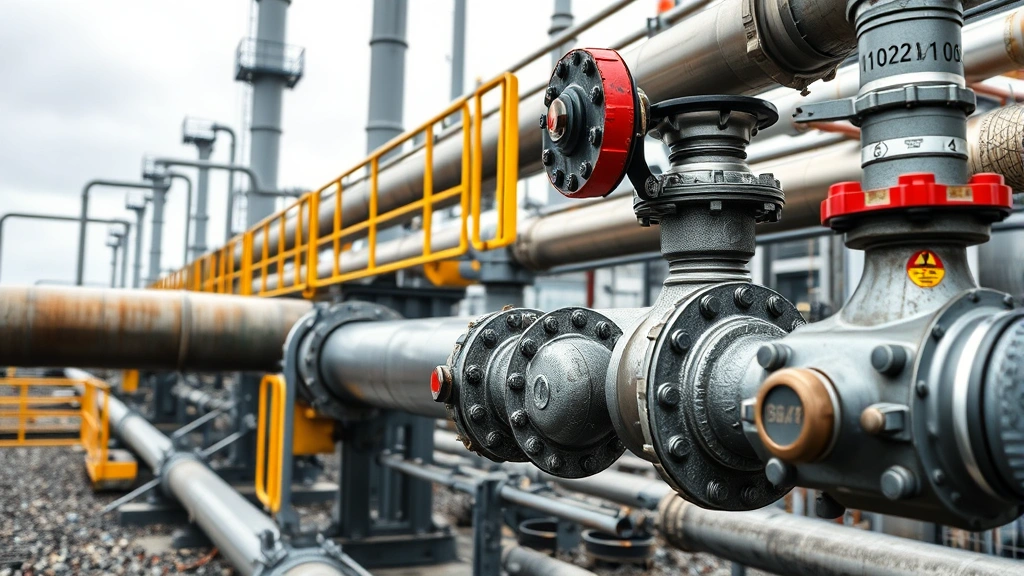
Infrastructure Sustainability: Natural gas infrastructure requires significant capital investment in pipelines, processing facilities, and distribution networks. This infrastructure creates long-term dependence on fossil fuels. Investments in natural gas networks may divert resources from renewable energy infrastructure development, potentially slowing the transition to truly sustainable energy sources.
Climate Compatibility: Global climate targets require reaching net-zero emissions by 2050. Natural gas, while cleaner than coal, cannot support this goal as a primary energy source. Continued expansion of natural gas infrastructure may lock in fossil fuel dependence, making it more difficult to achieve necessary emissions reductions.
The Intergovernmental Panel on Climate Change emphasizes that transition fuels like natural gas play a limited role in climate solutions and must be phased out relatively quickly. This suggests HEB’s natural gas offerings represent a short-term improvement rather than a long-term sustainable solution.
Comparing HEB Gas to Alternatives
To properly evaluate whether HEB gas represents a sustainable choice, comparison with genuine alternatives provides essential context. Sustainable energy solutions encompass various options, each with distinct advantages and limitations.
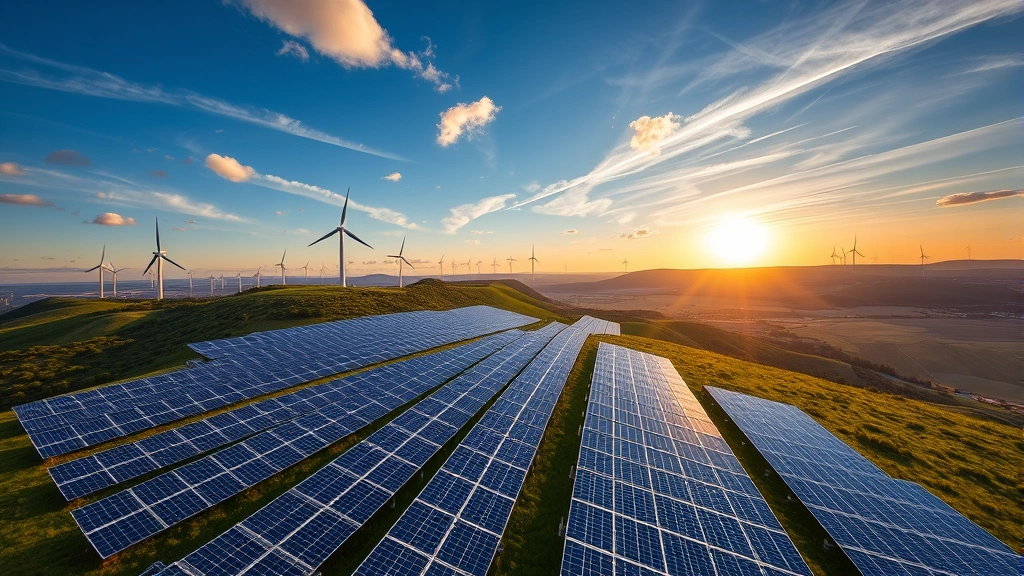
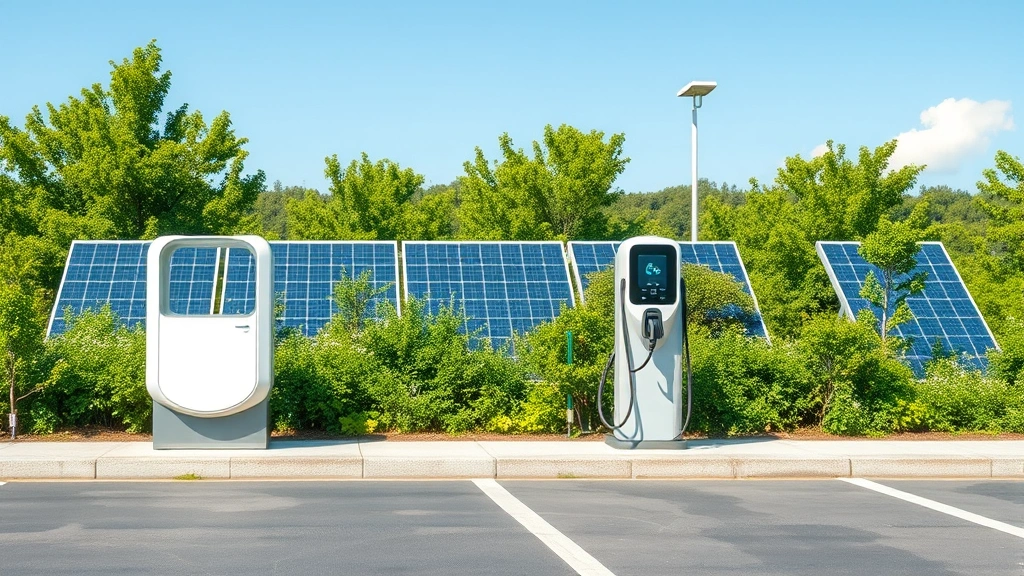
Renewable Energy Sources: Solar, wind, and hydroelectric power produce electricity with minimal lifecycle emissions. When used for heating and cooking through electric heat pumps or induction cooktops, renewable energy provides truly sustainable alternatives to natural gas. HEB could accelerate sustainability by promoting renewable energy adoption rather than natural gas expansion.
Biogas and Renewable Natural Gas: These alternatives use the same infrastructure as conventional natural gas while reducing lifecycle emissions by 50-90%, depending on feedstock and production methods. Renewable natural gas produced from agricultural waste or wastewater treatment offers genuine sustainability advantages. If HEB prioritizes these alternatives, their gas offerings could merit the “green” designation more honestly.
Propane and Natural Gas vs Propane Analysis: While propane produces slightly higher emissions than natural gas, the difference is marginal. Neither represents a truly sustainable long-term solution, though both improve significantly over coal and oil.
Hydrogen: Green hydrogen, produced using renewable electricity, offers zero-emission alternatives for applications currently served by natural gas. However, hydrogen infrastructure remains limited, and production challenges persist. This emerging technology may eventually replace natural gas but requires significant development.
From a sustainability perspective, reducing environmental footprint through renewable energy adoption substantially outperforms natural gas adoption. HEB’s positioning of gas as a primary sustainability solution appears optimistic rather than aligned with climate science.
Consumer Considerations
For customers evaluating HEB gas, several practical considerations influence the sustainability decision:
Emission Reductions: If switching from electricity produced by coal-heavy power grids, natural gas may reduce household emissions. However, in regions with cleaner electrical grids, natural gas provides minimal or no advantage. Understanding your local power grid composition proves essential.
Cost Factors: Natural gas typically costs less than electricity for heating and cooking, making it financially attractive. However, long-term cost stability remains uncertain as carbon pricing and emissions regulations may increase natural gas prices.
Infrastructure Availability: Natural gas availability varies by location. Rural areas often lack natural gas infrastructure, making alternative solutions necessary. Urban areas generally have established networks, making switching relatively straightforward.
Health Considerations: Indoor natural gas combustion produces nitrogen oxides and other pollutants affecting indoor air quality. Electric alternatives eliminate these direct emissions, providing health benefits beyond climate considerations.
Future-Proofing: As energy systems transition toward renewable sources, natural gas infrastructure may become stranded assets. Investments in renewable energy and electric appliances align better with long-term sustainability trends.
HEB’s Broader Sustainability Goals
Evaluating HEB gas requires context within the company’s overall sustainability strategy. HEB has committed to various environmental goals, including renewable energy adoption, waste reduction, and supply chain improvements. However, the balance between these initiatives and natural gas promotion reveals important tensions.
HEB operates numerous stores across Texas and Mexico, consuming substantial energy for refrigeration, lighting, and climate control. The company has invested in renewable energy installations, including solar panels on store rooftops and participation in renewable energy programs. These genuine sustainability efforts demonstrate commitment to environmental improvement.
However, promoting natural gas to consumers while simultaneously investing in renewable energy infrastructure creates mixed messaging. A truly committed sustainability strategy would emphasize renewable energy adoption and green technology innovations over fossil fuel alternatives, even cleaner-burning ones.
HEB’s involvement in natural gas distribution may reflect pragmatic business decisions rather than climate leadership. Natural gas partnerships generate revenue and customer loyalty while appearing environmentally responsible. This approach, sometimes called “greenwashing,” allows companies to claim sustainability credentials without fundamentally transforming their operations.
For consumers committed to genuine sustainability, examining HEB’s total environmental impact proves more revealing than isolated initiatives. The company’s warehouse operations, transportation networks, packaging practices, and energy sourcing collectively determine true environmental performance.
Key Questions for HEB Sustainability:
- What percentage of store energy comes from renewable sources?
- What are specific timelines for fossil fuel elimination?
- How does HEB address supply chain emissions?
- What commitments exist for sustainable packaging?
- How transparent is HEB about methane leakage in gas distribution?
The Carbon Disclosure Project and similar organizations track corporate environmental performance, providing independent verification of sustainability claims. Consulting these resources provides more objective assessment than company marketing materials.
FAQ
Is HEB natural gas truly green?
HEB natural gas qualifies as “greener” than coal or oil but not “green” in absolute terms. Natural gas produces lower direct emissions than petroleum products but still contributes to climate change. The “green” designation requires context and comparison points. True green energy comes from renewable sources like solar and wind.
How does HEB gas compare to renewable energy?
Renewable energy substantially outperforms natural gas environmentally. Solar, wind, and hydroelectric power produce electricity with minimal lifecycle emissions. Electric heating and cooking powered by renewables eliminate direct combustion emissions entirely. If renewable electricity is available, it represents the superior choice.
Should I switch to HEB gas for environmental reasons?
Switching to HEB gas makes environmental sense only if you’re currently using coal-derived electricity or oil heating. If your electricity comes from a relatively clean grid, natural gas provides minimal improvement. For maximum sustainability, consider renewable energy adoption and electric appliances instead.
What percentage of HEB’s energy comes from renewables?
HEB has not publicly disclosed specific percentages of renewable energy in their overall operations. The company has invested in solar installations and renewable energy programs, but comprehensive sustainability reporting remains limited. Requesting this information directly from HEB promotes transparency.
Does HEB offer renewable natural gas?
HEB’s natural gas offerings typically consist of conventional natural gas, not renewable alternatives. If the company developed renewable natural gas programs using biogas or other sustainable sources, this would substantially improve their sustainability credentials. Consumers can advocate for such offerings.
What is the most sustainable energy option?
The most sustainable energy option combines renewable electricity generation with efficient electric appliances. Solar power for homes, heat pumps for heating and cooling, and induction cooktops for cooking represent the current sustainability frontier. Battery storage addresses intermittency challenges, enabling fully renewable energy systems.
How can I reduce my carbon footprint beyond fuel choices?
Reducing carbon footprint extends beyond energy choices to include transportation, diet, consumption patterns, and waste generation. Electric vehicles, plant-based foods, mindful purchasing, and recycling all contribute to overall environmental impact. Comprehensive lifestyle changes typically exceed fuel switching in total emissions reduction.


