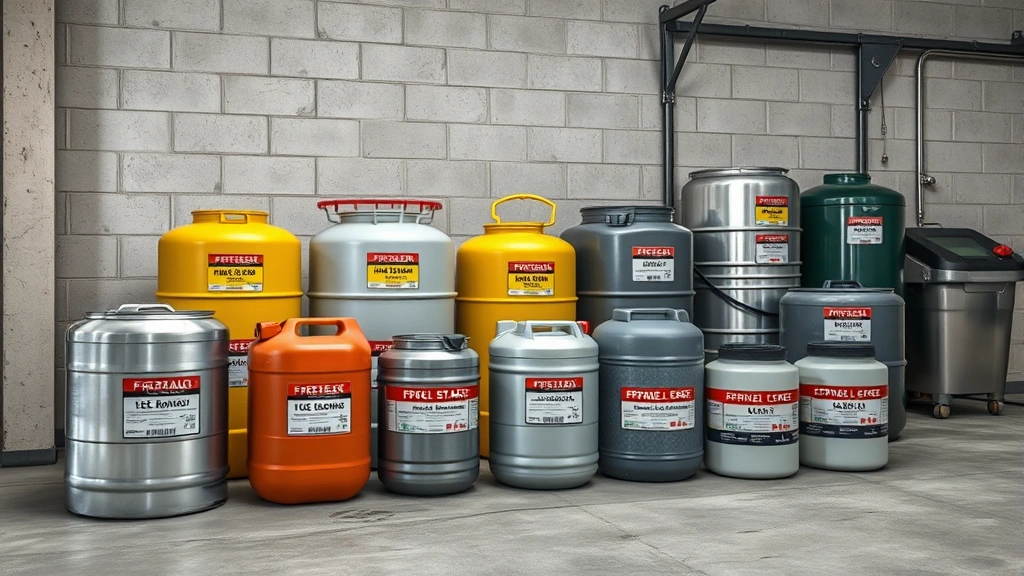
Gas Storage: How Long is it Viable? Expert Insights
Gasoline is a crucial fuel for millions of vehicles worldwide, but understanding its shelf life is essential for both emergency preparedness and environmental responsibility. Whether you’re storing fuel for seasonal equipment, backup power generation, or unexpected situations, knowing how long gas lasts in a can directly impacts safety, efficiency, and cost-effectiveness. Most people assume gasoline stays fresh indefinitely, but the reality is far more complex.
The viability of stored gasoline depends on multiple factors including container type, storage temperature, fuel additives, and environmental conditions. Improper storage not only degrades fuel quality but also creates safety hazards and environmental risks. This comprehensive guide explores the science behind fuel degradation, practical storage solutions, and expert recommendations to maximize the lifespan of your stored gasoline.
Understanding Gasoline Degradation
Gasoline is not a static substance—it’s a complex mixture of hydrocarbons that begins changing the moment it’s produced. The degradation process involves several chemical reactions that occur naturally over time. The primary culprit behind fuel deterioration is oxidation, where oxygen molecules interact with hydrocarbons, creating gum and varnish deposits that clog fuel injectors and carburetors.
Additionally, gasoline contains volatile organic compounds (VOCs) that evaporate when exposed to air. This evaporation process reduces fuel potency and can leave behind less-efficient residue. The EPA regulates VOC emissions from fuel storage because these compounds contribute to ground-level ozone formation and air pollution. Understanding these chemical processes helps explain why storage conditions matter so significantly.
Ethanol, commonly blended into gasoline at concentrations of 10% (E10) in the United States, accelerates degradation because it absorbs water from the air. This hygroscopic property creates phase separation, where ethanol and water separate from the gasoline, rendering the fuel unusable. Modern fuel additives can slow oxidation, but they cannot prevent it entirely.
Typical Shelf Life of Stored Gas
The answer to how long gas lasts in a can varies considerably based on conditions and fuel type. Under ideal conditions—cool, dark, sealed containers—gasoline typically remains viable for:
- 3-6 months for standard E10 gasoline in properly sealed containers
- 6-12 months for premium gasoline or fuel with added stabilizers
- 1-3 years for ethanol-free gasoline in optimal storage conditions
- Several years for diesel fuel, which degrades more slowly than gasoline
These timeframes assume the fuel is stored in appropriate containers, kept at stable temperatures, and protected from light exposure. The National Association of Convenience Stores acknowledges that most retail gasoline reaches consumers within days, making long-term storage uncommon in commercial settings.
For homeowners planning extended storage, ethanol-free gasoline offers the longest viability—often 12 months or more without additives. However, ethanol-free fuel is less commonly available and typically costs more than standard E10 blends. This trade-off between convenience and longevity represents a key decision point for storage planning.
Container Selection and Storage Methods
The container you choose dramatically influences how long gasoline remains viable. Proper container selection is foundational to successful fuel storage. Approved gasoline containers are specifically designed to minimize air exposure, prevent evaporation, and withstand pressure buildup from vapors.
Approved metal cans with locking caps provide superior protection compared to plastic alternatives. They resist UV light penetration, maintain airtight seals, and don’t degrade from fuel contact. The best options feature:
- Flame arrestors that prevent ignition from external sources
- Pressure relief mechanisms to manage vapor expansion
- Tight-sealing caps that minimize air infiltration
- Durable construction resistant to rust and corrosion
Plastic containers present challenges because many types become brittle over time and may allow micro-leaks. Additionally, certain plastics can leach chemicals into fuel. If using plastic containers, ensure they’re specifically approved for gasoline storage and rated for long-term use. Never store gasoline in glass containers—they’re fragile and lack the safety features of approved storage vessels.
The relationship between container size and fuel viability deserves attention. Larger containers have proportionally less air space, reducing oxidation rates. A full 55-gallon drum experiences less degradation than a quarter-full 5-gallon can because the fuel-to-air ratio is more favorable. When storing fuel, fill containers as completely as possible while leaving minimal headspace for vapor expansion.
If you need to transfer fuel, learning proper techniques is essential. Our guide on how to syphon gas provides detailed safety procedures. Alternatively, explore our resource on syphoning methods for comprehensive instructions. Proper transfer techniques prevent spills that contaminate soil and groundwater.
Environmental Factors Affecting Gas Viability
Storage environment conditions determine whether your gasoline remains usable or degrades rapidly. Temperature stability is paramount—gasoline stored at 50-70°F (10-21°C) lasts significantly longer than fuel exposed to temperature fluctuations. Seasonal temperature swings cause fuel to expand and contract, creating micro-gaps in container seals and increasing air infiltration.
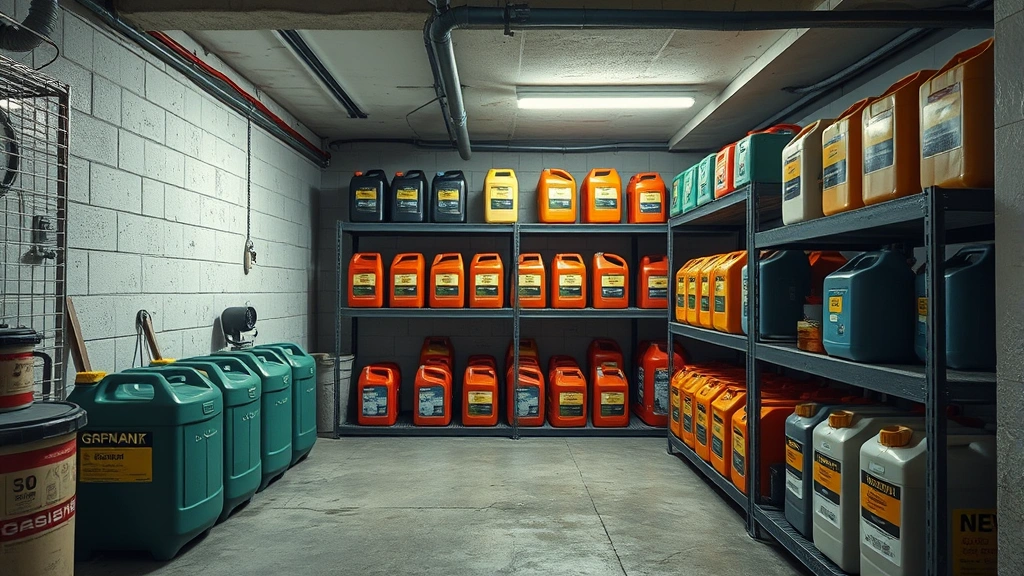
Light exposure accelerates oxidation by providing energy for chemical reactions. Ultraviolet radiation specifically damages fuel molecules and promotes gum formation. Store containers in dark locations—basements, garages, or shaded storage areas—rather than in sunlight or under bright artificial lighting. This simple practice can extend fuel viability by several months.
Humidity and moisture present another critical challenge. Water contamination in gasoline causes phase separation, particularly in ethanol-blended fuels. Moisture also promotes microbial growth (algae and bacteria) in fuel tanks, creating sludge that clogs fuel systems. Storing fuel in dry environments and using containers with moisture barriers helps prevent water infiltration.
Ventilation and air quality in storage areas matter more than many people realize. Storing gasoline near sources of heat, sparks, or flames creates obvious fire hazards. Less obviously, poor ventilation concentrates fuel vapors, increasing explosion risk. Additionally, storing fuel near incompatible materials—like strong oxidizers or corrosive substances—can accelerate degradation through chemical interactions.
Signs Your Stored Gasoline Has Gone Bad
Recognizing degraded fuel prevents engine damage and safety issues. Several observable signs indicate your stored gasoline has exceeded viable storage life:
- Color changes from clear or light amber to dark brown or black indicate oxidation and gum formation
- Foul odor more pungent than typical gasoline suggests chemical breakdown and possible microbial contamination
- Visible particles or sediment indicate gum, varnish, or microbial growth
- Separation in ethanol blends where layers form in the container shows phase separation
- Difficulty starting engines or rough running after using stored fuel points to degraded combustion properties
- Increased emissions or visible smoke suggest incomplete fuel combustion
If you observe these signs, do not use the fuel in vehicles or equipment. Degraded gasoline can damage fuel injectors, carburetors, and engines, resulting in expensive repairs. Properly dispose of old gasoline through hazardous waste facilities or certified fuel recyclers. Never pour gasoline down drains, into soil, or into water sources—these practices contaminate groundwater and violate environmental regulations enforced by the EPA’s groundwater protection standards.
Some fuel degradation occurs without visible signs. If stored gasoline is more than 6-12 months old and you’re uncertain about storage conditions, err on the side of caution. Add fresh fuel to old fuel rather than using old fuel alone, or dispose of it properly through environmental channels.
Best Practices for Long-Term Storage
Maximizing gasoline viability requires implementing comprehensive storage strategies that address all degradation factors simultaneously. These expert-recommended practices significantly extend fuel shelf life:
Use fuel stabilizers designed for long-term storage. Products containing antioxidants and metal deactivators slow chemical degradation and can extend gasoline viability from 3-6 months to 12 months or longer. Add stabilizers immediately after purchasing fuel, following product instructions carefully. Popular stabilizers like Sta-Bil and PRI-G are widely available and cost-effective insurance against fuel degradation.
Select ethanol-free gasoline when available, especially for extended storage beyond six months. Ethanol-free fuel avoids the water absorption and phase separation issues inherent in E10 blends. While less convenient and typically more expensive than standard gasoline, ethanol-free fuel provides superior longevity and better engine compatibility.
Maintain consistent temperature by storing fuel in climate-controlled environments. Basements, interior garages, or underground storage areas provide stable temperatures year-round. Avoid outdoor storage, attics, or locations subject to direct sunlight or extreme temperature swings.
Rotate your fuel supply using a first-in, first-out system. Label containers with purchase dates and use older fuel first. This practice prevents any fuel from exceeding safe storage duration and ensures you always have fresh reserves available.
Inspect containers regularly for signs of rust, leaks, or seal degradation. Address any damage immediately by transferring fuel to new containers. Regular inspection prevents environmental contamination and safety hazards.
Keep detailed records of storage conditions, purchase dates, and fuel characteristics. Documentation helps you track fuel age and identify patterns in degradation under your specific storage circumstances.
For those concerned about fuel storage’s environmental impact, exploring sustainable energy solutions offers alternatives to gasoline dependency. Understanding the advantages of electric vehicles provides insight into reducing reliance on stored fossil fuels entirely.
Sustainable Alternatives to Gas Storage
While proper gasoline storage serves legitimate purposes, reducing dependence on stored fossil fuels aligns with environmental sustainability. The International Energy Agency promotes electric vehicles as a key strategy for reducing petroleum consumption and greenhouse gas emissions.
For emergency preparedness, battery-powered equipment increasingly offers viable alternatives to gasoline-dependent tools. Cordless power tools, electric generators with battery backup, and rechargeable lighting systems reduce the need for stored fuel while providing reliable functionality. These alternatives eliminate storage concerns while supporting cleaner energy transitions.
Understanding the definition of sustainability helps contextualize fuel storage within broader environmental frameworks. Sustainable practices minimize resource extraction, reduce pollution, and protect ecosystems for future generations. While gasoline storage may be necessary in specific situations, transitioning toward renewable energy sources and electric technologies represents the more sustainable path forward.
For those committed to sustainability, reducing fuel storage needs through lifestyle changes—carpooling, using public transportation, or switching to electric vehicles—provides meaningful environmental benefits. Even partial fuel reductions decrease storage requirements and associated risks.
The SustainWise Hub Blog offers comprehensive resources on sustainable living practices, environmental responsibility, and transitioning away from fossil fuel dependency. Explore our extensive collection of articles addressing energy efficiency, renewable alternatives, and eco-conscious decision-making.
FAQ
How long does gasoline last in a sealed can?
Under ideal conditions with proper sealing, gasoline typically remains viable for 3-6 months in standard E10 fuel, or 6-12 months with fuel stabilizers. Ethanol-free gasoline can last 12 months or longer. Temperature stability, light protection, and container quality significantly influence actual shelf life.
Can you store gasoline for a year?
Yes, gasoline can be stored for approximately one year using ethanol-free fuel with stabilizers in optimal conditions. Standard E10 gasoline rarely remains viable for a full year without significant degradation. Proper container selection, temperature control, and moisture prevention are essential for year-long storage success.
What’s the best container for storing gasoline long-term?
Approved metal cans with locking caps, flame arrestors, and pressure relief mechanisms provide the best long-term storage. These containers minimize air exposure, prevent evaporation, and withstand fuel contact better than plastic alternatives. Ensure containers are completely full to minimize air space and oxidation.
Does gasoline go bad if not used?
Yes, gasoline degrades over time through oxidation, evaporation, and chemical breakdown, even when not used. This degradation accelerates with exposure to air, light, heat, and moisture. Proper storage extends viability but cannot prevent eventual fuel deterioration.
Can you revive old gasoline?
Severely degraded gasoline cannot be effectively revived. However, mixing old gasoline with fresh fuel (in a 1:3 or 1:4 ratio) may allow engine use in some cases. Fuel that shows color changes, sediment, or phase separation should be disposed of properly rather than used.
Is it safe to store gasoline in my garage?
Storing gasoline in garages presents safety and legal risks. Most residential building codes limit gasoline storage quantities to 25 gallons maximum. Store fuel in approved containers in well-ventilated areas away from ignition sources, heat, and living spaces. Consult local fire codes before establishing fuel storage areas.
What should I do with expired gasoline?
Take expired gasoline to hazardous waste facilities, certified fuel recyclers, or environmental disposal centers. Many municipalities host hazardous waste collection events. Never dispose of gasoline in drains, soil, or water sources—this contaminates groundwater and violates environmental protection laws.


