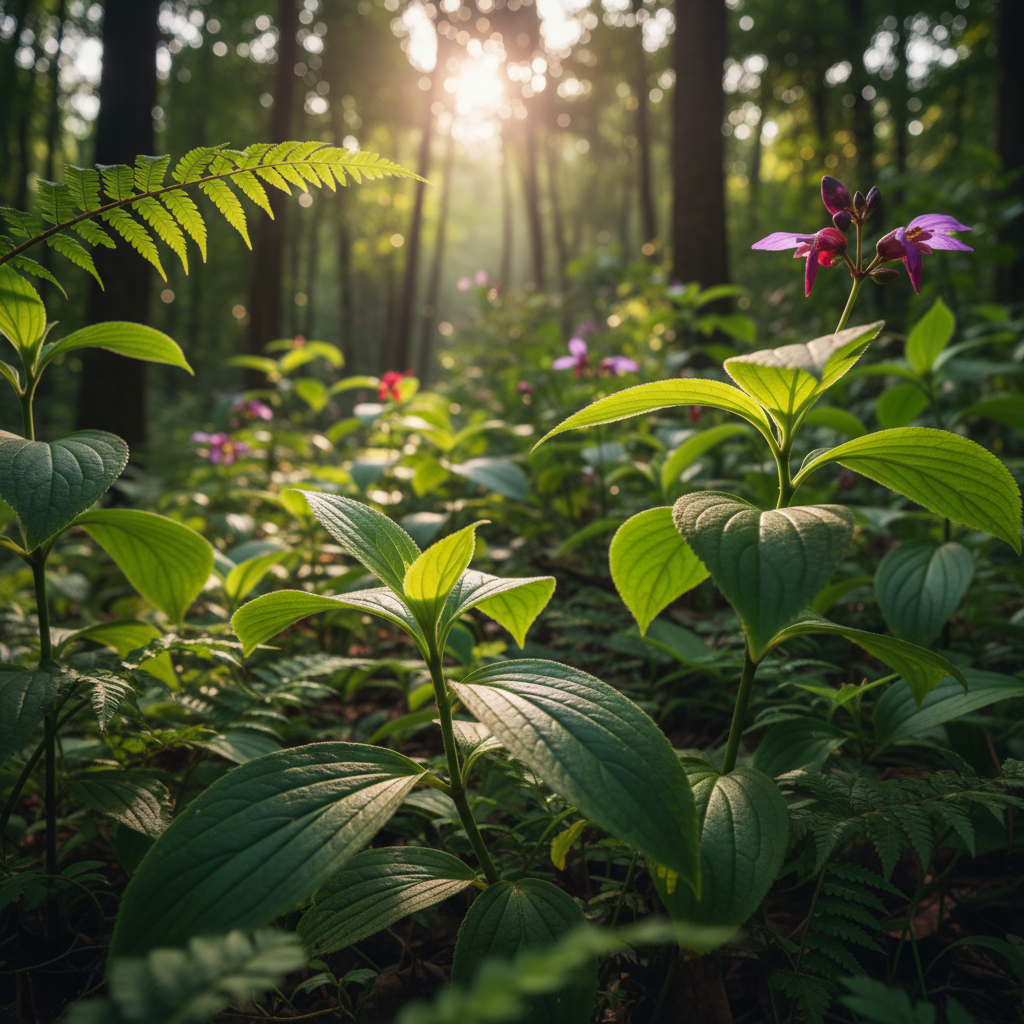
Table of Contents
Introduction
Picture this: a world where 39% of all plant species just… vanish. Forever. It’s not science fiction—it’s the reality we’re facing right now. Every endangered plant that disappears takes with it a piece of our planet’s incredible biodiversity, and honestly? That should worry all of us. Whether you’re someone who can’t keep a houseplant alive (we’ve all been there) or you’ve got the greenest thumb in the neighborhood, plant conservation affects your life in ways you might not even realize.
Here’s what’s really happening out there. Nearly four out of ten plant species are staring down extinction, and the culprits are painfully familiar: habitat destruction, climate chaos, and our own unsustainable habits. But here’s the thing—understanding these threats is the first step toward fighting back. That’s where smart approaches like sustainable agriculture techniques come into play. These methods aren’t just good for the environment; they’re practical solutions that work. And when we talk about protecting plants, we’re really talking about protecting entire ecosystems. The strategies outlined in how to protect endangered species show us exactly how community action can create lasting change that goes way beyond individual plants.
Now, you might be wondering where to start. The good news? You don’t need a PhD in botany to make a difference. Sometimes the most effective conservation work happens when communities come together with the right information and a shared goal. Take water pollution, for example—it’s quietly devastating plant habitats everywhere, but most people don’t connect the dots. The practical strategies in this guide show how cleaning up our water sources directly supports the native plants trying to survive in increasingly challenging conditions. When you start seeing these connections, conservation stops feeling overwhelming and starts feeling doable.
But let’s zoom out for a second. Plant conservation doesn’t happen in a vacuum—it’s part of a much bigger environmental story. Deforestation, for instance, isn’t just about losing trees; it’s accelerating climate change and making life harder for every plant species trying to adapt. The insights in this article about deforestation’s climate impact really drive home how interconnected these issues are. And here’s where it gets exciting: green technology innovations are opening up possibilities we never had before. From better monitoring systems to revolutionary growing techniques, technology is becoming a game-changer in plant conservation.
What You’ll Learn in This Guide
Ready to dive in? This guide will give you everything you need to understand and act on plant conservation. No fluff, just practical knowledge you can actually use:
- Understanding the Importance: We’ll explore why endangered plants matter so much—their ecological value, cultural significance, and yes, even their potential to save human lives through medicine. You’ll see how losing them creates a domino effect that touches everything.
- Identifying Common Threats: Learn to spot the warning signs and understand what’s really driving plant species toward extinction. From habitat destruction to invasive species, we’ll break down the threats so you know what you’re up against.
- Effective Conservation Techniques: Get into the nuts and bolts of both field conservation and laboratory methods. We’ll cover legal protections, habitat restoration, and how cutting-edge technology is revolutionizing the way we save plants.
- Individual Actions: Find out exactly what you can do, whether you’re working with a small garden plot or organizing community efforts. These aren’t pie-in-the-sky ideas—they’re proven strategies that real people are using right now.
As we work through this together, you’ll build the confidence to tackle plant conservation from whatever angle makes sense for your situation. This isn’t about becoming an expert overnight—it’s about understanding enough to make smart choices and meaningful contributions.
We’ll also take a hard look at some of the trickier challenges: how climate unpredictability is changing the game, why pollution hits plants harder than you might think, and how illegal plant trade operates (spoiler: it’s more common than most people realize). You’ll learn when local action is enough and when it’s time to call in the experts. Plus, we’ll explore how modern tools—think GIS mapping, biotechnology, and citizen science apps—are making conservation more accessible and effective than ever before.
And here’s what I really want you to walk away with: the knowledge that your actions matter. Whether it’s choosing native plants for your yard, joining a local restoration project, or simply spreading awareness, you have the power to make a real difference. By the time you finish this guide, you’ll know exactly how to connect with conservation groups, when to seek expert help, and most importantly, how to turn your concern for endangered plants into concrete action. Let’s get started—these incredible species are counting on all of us.
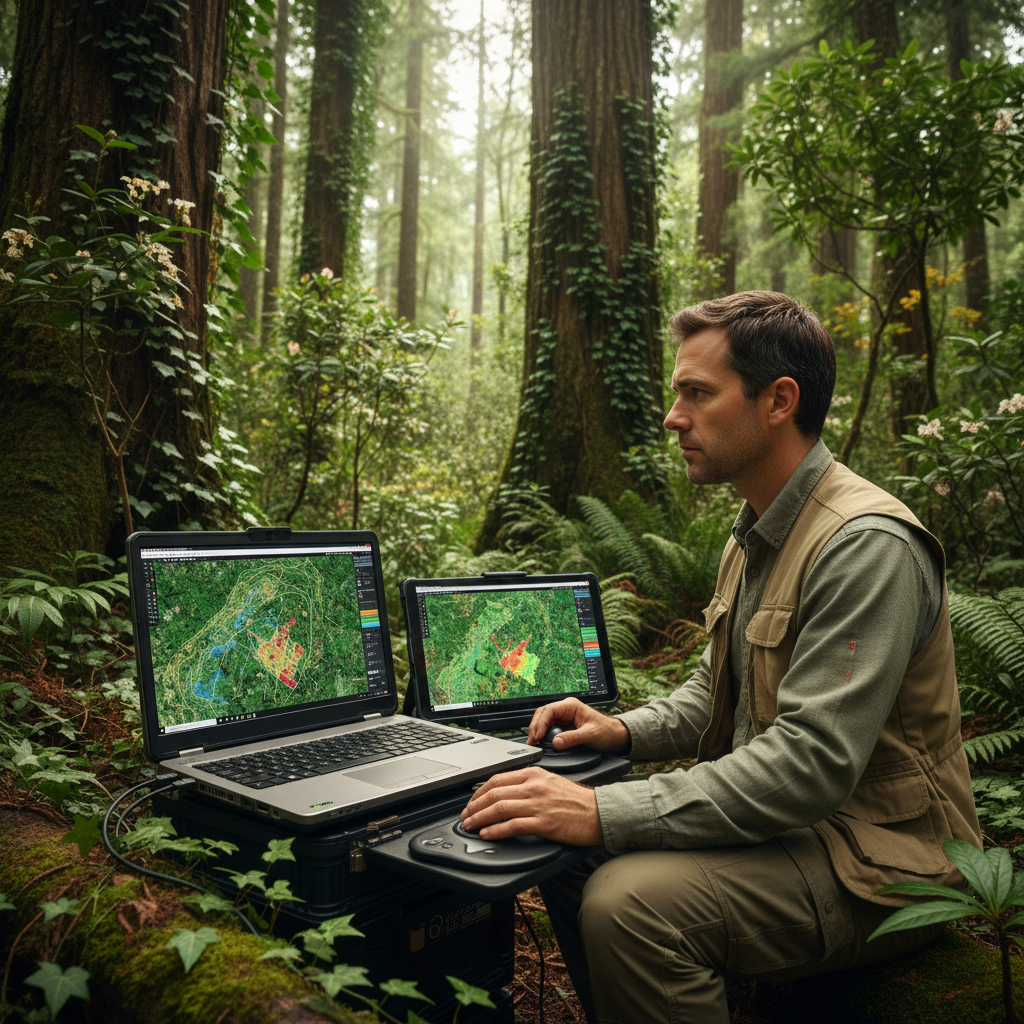
Think about the last time you walked through a forest or admired wildflowers in a meadow. Those plants? Many of them are fighting for their lives. Conserving endangered plants isn’t just about saving pretty flowers—it’s about keeping our entire ecosystem healthy and functioning. The challenges these plants face are real, and honestly, they’re getting worse. But here’s the thing: we know what’s threatening them, and we know how to help. What we need is action—smart, coordinated efforts that combine science, technology, and good old-fashioned community care. Let’s dig into what’s putting these plants at risk and explore the proven strategies that can actually make a difference for future generations.
Common Threats to Endangered Plants
Endangered plants are up against some serious challenges. Picture this: you’re a rare wildflower that’s called the same patch of prairie home for generations. Then one day, bulldozers show up. Your habitat gets chopped up for a shopping mall or housing development. Suddenly, you and your plant family are scattered across tiny islands of remaining habitat, cut off from each other. That’s habitat loss and fragmentation—and it’s the biggest threat most endangered plants face today.
But wait, there’s more. Even if your habitat survives, pollution can make life miserable. Chemical runoff from farms, industrial waste, heavy metals—all of this stuff seeps into soil and water, making it tough for sensitive plants to thrive. Then climate change throws another wrench into the works. Imagine you’re adapted to specific rainfall patterns and temperatures, and suddenly everything shifts. Too much rain, not enough rain, heat waves, unexpected frosts—plants can’t just pack up and move when conditions get rough.
Here’s something that might surprise you: people are literally picking endangered plants to extinction. Whether it’s for traditional medicine, exotic gardens, or just because they’re rare and valuable, illegal collection is wiping out entire populations. And don’t get me started on invasive species—these aggressive newcomers move in like unwelcome neighbors, hogging all the resources and completely changing the neighborhood vibe. When you want to understand how habitat destruction connects to bigger environmental issues, checking out the effect of deforestation on climate change really drives home why protecting natural spaces matters so much.
Key Threats to Watch For
Here are the main culprits putting endangered plants in danger:
- Habitat destruction and fragmentation: When natural areas get carved up or wiped out entirely, plant populations become isolated and vulnerable. No more mixing genes between populations, and good luck finding pollinators when your neighbors are miles away.
- Pollution impacts: Chemicals, heavy metals, and various nasty substances contaminate the soil and water that plants depend on. This stuff doesn’t just wash away—it builds up over time, creating long-term problems for entire ecosystems.
- Climate variability and global warming: Plants evolved for specific conditions, but now the rules are changing fast. Droughts hit harder, floods last longer, and temperatures swing in ways that throw off everything from flowering to seed production.
- Illegal collection and trade: High demand for rare plants in gardens, medicine, and collector markets drives people to harvest them faster than they can reproduce. Weak enforcement makes it easy for poachers to get away with it.
- Invasive species competition: Non-native plants often grow faster and more aggressively than natives, stealing sunlight, water, and nutrients. They can even change soil chemistry, making conditions hostile for the plants that belong there.
The reality is, tackling these threats requires everyone working together—scientists, policymakers, communities, and regular folks who care about keeping our natural world intact.
Effective Methods to Conserve Endangered Plants
So how do we actually save these plants? The answer isn’t simple, but it is doable. The best approach combines protecting plants where they naturally grow (that’s called in situ conservation) with backing them up in safe spaces like botanical gardens and seed banks (ex situ conservation). Think of it like having both a good security system for your house and important documents stored in a safe deposit box.
In their natural homes, plants need protected areas where human activities can’t harm them. We’re talking about nature reserves, national parks, and legally protected spaces where endangered species can live without worrying about development or collection. But protection alone isn’t enough—sometimes we need to actively fix damaged habitats by removing invasive species, replanting natives, and restoring natural water and soil conditions.
Meanwhile, botanical gardens and seed banks act like insurance policies. Scientists can grow endangered plants in controlled environments, study them, and even breed them for future reintroduction to the wild. Modern technology makes this even more powerful—tissue culture can turn a tiny plant sample into hundreds of new individuals, while GPS and satellite imagery help us track habitats and spot problems before they become disasters. Community involvement is absolutely crucial too. When local people understand and care about endangered plants, conservation efforts actually work. If you’re curious about how sustainable farming practices can support plant conservation by creating wildlife-friendly landscapes, sustainable agriculture techniques shows how land use and biodiversity can work together.
Key Aspects of Conservation Methods
Successful plant conservation relies on these proven strategies:
- Protected areas and reserves establishment: Creating safe zones where endangered plants can live without human interference. These areas need ongoing management and monitoring to make sure they’re actually working.
- Legal protection enforcement: Laws are only as good as their enforcement. Strong regulations against illegal collection and habitat destruction need teeth—and communities that support them.
- Community involvement and education: When people understand why endangered plants matter, they become part of the solution. Education programs turn neighbors into guardians and create local support for conservation efforts.
- Habitat restoration projects: Sometimes you have to roll up your sleeves and fix what’s broken—removing invasive species, replanting natives, improving soil and water quality, and rebuilding ecosystems from the ground up.
These methods work best when they’re combined with cutting-edge technology and strong partnerships between scientists, governments, and communities. It’s not just about saving individual species—it’s about maintaining the complex web of life that keeps our planet healthy.

Here’s the thing about endangered plants—they’re not just pretty flowers we’d hate to lose. They’re the backbone of ecosystems worldwide, keeping everything in balance. When we protect these plants, we’re safeguarding biodiversity and supporting ecological functions that benefit all of us. Many hold cultural and medicinal significance that’s been treasured for generations. But they’re up against some serious challenges. Habitat destruction from urbanization and deforestation? Check. Pollution contaminating their soil and water? Unfortunately, yes. Climate change is shifting their growing conditions, while illegal harvesting depletes wild populations. And don’t get me started on invasive species—they’re basically the bullies of the plant world, disrupting native communities wherever they show up.
The good news? We’ve got solid conservation strategies fighting back. In situ conservation protects plants right where they belong—in their natural habitats through reserves, legal protections, and community efforts. Think of it as keeping them in their comfort zone. Ex situ conservation takes a different approach, creating backups through botanical gardens, seed banks, and advanced techniques like tissue culture. It’s like having a safety net. Modern technology is making this work even better, with GIS and remote sensing helping us monitor and manage conservation efforts more precisely than ever before.
But here’s where you come in. You don’t need a PhD in botany to make a difference. Plant native species in your yard. Support conservation organizations (both local and global ones). Join habitat restoration projects in your area. And please—avoid buying endangered plants or products made from them. When you spread awareness in your community, you’re multiplying that positive impact and building a collective commitment to protect our natural heritage.
Ready to dive deeper? Start by exploring sustainable agriculture techniques that support biodiversity and help native plants thrive. Our comprehensive guide on protecting endangered species offers community-driven approaches you can actually use. And since pollution is such a major threat, check out this water pollution reduction guide—cleaner water means healthier plant habitats.
Look, conserving endangered plants isn’t just for the experts. Your actions matter—whether they’re big or small. Want to see how innovation is changing the game? Learn about green technology innovations that are revolutionizing conservation efforts. Together, we can protect these amazing species and build a healthier, more resilient planet for everyone.
Frequently Asked Questions
-
What is the difference between in situ and ex situ conservation?
- In situ conservation protects plants in their natural habitats, while ex situ conservation involves preserving them outside their natural environment, such as in botanical gardens or seed banks.
-
How can I identify if a plant is endangered?
- Check reputable sources like the IUCN Red List or local conservation lists to determine a plant’s endangered status.
-
Can planting native species help endangered plants?
- Yes, planting native species supports local ecosystems and reduces pressure on endangered plants, promoting biodiversity.
-
Why is community involvement important in conservation?
- Community involvement raises awareness, promotes sustainable practices, and ensures better protection and management of endangered plant habitats.
-
What technologies are used in conserving endangered plants?
- Technologies like GIS mapping, remote sensing, tissue culture, and citizen science apps enhance monitoring, protection, and restoration efforts effectively.