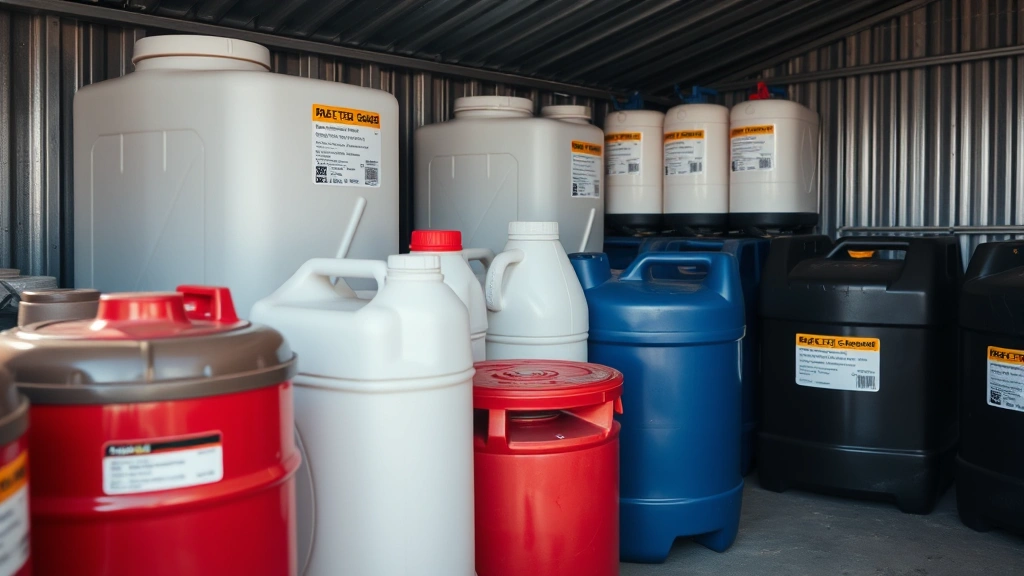
Dispose of Old Gas Safely: Expert Tips Inside
Old gasoline poses serious environmental and safety risks that many homeowners overlook. Whether you’re cleaning out a storage shed, maintaining seasonal equipment, or upgrading to electric vehicle alternatives, knowing how to properly dispose of expired fuel is essential. Improper disposal can contaminate groundwater, harm ecosystems, and create fire hazards in your home.
This comprehensive guide walks you through safe, legal, and environmentally responsible methods for getting rid of old gas. We’ll cover everything from identifying degraded fuel to finding certified disposal facilities in your area, ensuring you handle this hazardous material with the care it deserves.
Why Old Gas Is Dangerous
Gasoline degrades over time, creating hazardous conditions that extend beyond simple inefficiency. When fuel sits in containers or tanks for extended periods—typically beyond 3-6 months—chemical changes occur that make it increasingly problematic. The volatile organic compounds (VOCs) in gasoline evaporate, leaving behind a thicker, gummy residue that can clog fuel injectors and damage engines.
Beyond mechanical concerns, old gas poses significant environmental and health risks. Improperly disposed fuel can seep into soil and groundwater, contaminating drinking water supplies and harming aquatic ecosystems. The EPA emphasizes the importance of proper hazardous waste management to protect both public health and natural resources. Gasoline vapors are also highly flammable and toxic when inhaled, creating fire hazards and respiratory concerns.
When stored improperly, old gasoline can separate into layers, with water accumulating at the bottom of containers. This contaminated fuel becomes even more dangerous and cannot be salvaged. Additionally, the environmental footprint of improper disposal extends far beyond the immediate area, affecting soil quality and local water systems for years.
How to Identify Degraded Fuel
Recognizing old or degraded gasoline is your first step toward safe disposal. Several visual and olfactory indicators signal that fuel has deteriorated and should not be used. Fresh gasoline typically appears clear or slightly amber in color, while degraded fuel often becomes darker, ranging from dark yellow to brown. This color change indicates oxidation and the formation of gummy deposits.
The smell of old gas differs noticeably from fresh fuel. While gasoline always has a pungent odor, degraded fuel develops a stale or varnish-like smell that’s distinctly unpleasant. If you open a container and notice a sour or unusually strong chemical odor, the fuel has likely deteriorated. Additionally, if you notice sediment or cloudy appearance in the bottom of a container, water contamination has occurred.
Physical consistency changes also indicate degradation. Fresh gasoline flows easily, but old fuel may appear thicker or syrupy. You might notice separation in the container, with a clear layer on top and a darker, heavier layer below. Any of these signs—color change, odor alteration, sediment presence, or consistency changes—mean the fuel should be disposed of rather than used.
Testing fuel age is difficult without professional equipment, so the safest approach is to assume that gasoline stored for more than six months has degraded. For seasonal equipment like lawnmowers, generators, or boats, establishing a fuel rotation schedule prevents accumulation of old gas and reduces disposal needs.
<
>
Safe Storage Before Disposal
If you have old gas that needs disposal, proper storage during the waiting period is critical. Never leave degraded fuel in unsafe or inappropriate containers. Gasoline must be stored in approved, labeled containers specifically designed for fuel storage. These containers have safety features that prevent vapors from escaping and reduce fire risk.
Store fuel containers in a cool, well-ventilated area away from ignition sources, direct sunlight, and extreme temperatures. A detached garage, shed, or outdoor storage area is ideal—never store gasoline in your home, basement, attic, or near living spaces. Keep containers tightly sealed to minimize vapor escape and prevent water contamination. Ensure containers are clearly labeled “Old Gasoline” or “For Disposal” to prevent accidental use.
Maintain proper distance from electrical outlets, appliances, and anything that could create sparks. Store containers on a stable, level surface where they won’t tip over. If you have multiple containers, keep them together in a designated hazmat storage area, away from children and pets. Document the date you began storage so you can provide this information when delivering to a disposal facility.
Never attempt to store old gas for extended periods. Aim to arrange disposal within 1-2 weeks of identifying degraded fuel. The longer it sits, even in proper containers, the greater the risk of container deterioration or accidental spillage. If you’re unable to dispose of fuel promptly, contact local waste management authorities for guidance on temporary storage regulations.
Disposal Methods and Options
Several legitimate disposal methods exist for old gasoline, each with specific advantages and requirements. Understanding your options helps you choose the most convenient and environmentally responsible approach.
Hazardous Waste Collection Events represent the most accessible option for most homeowners. Many municipalities organize seasonal or annual hazardous waste collection days where residents can drop off old fuel, paint, batteries, and other dangerous materials at no charge. These events are staffed by trained professionals who ensure proper handling and disposal. Contact your local waste management department or visit their website to find upcoming collection dates in your area.
Permanent Drop-Off Centers operate year-round in most communities, accepting hazardous materials including old gasoline. These facilities may charge a small fee (typically $10-30), but provide convenient, accessible disposal. Some centers accept fuel in original containers; others require specific container types. Call ahead to confirm their requirements and hours before visiting.
Recycling and Fuel Reclamation Services offer an environmentally superior option when available. Some specialized facilities can recondition or recycle old gasoline, extracting usable fuel or converting it to other products. While less common than standard disposal, these services represent the most sustainable approach and may even provide compensation for large quantities of relatively clean fuel.
Gas Stations and Auto Service Centers sometimes accept old fuel as part of their hazmat disposal programs. Call local stations to ask about their policies—some accept fuel cans from customers, while others have restrictions. This option works best for small quantities and provides ultimate convenience if your local station participates.
Professional Hazmat Disposal Companies handle large quantities or complex situations. If you have multiple containers or contaminated fuel, professional services ensure complete, compliant disposal. They handle transportation, documentation, and facility delivery, though costs are higher than public programs.
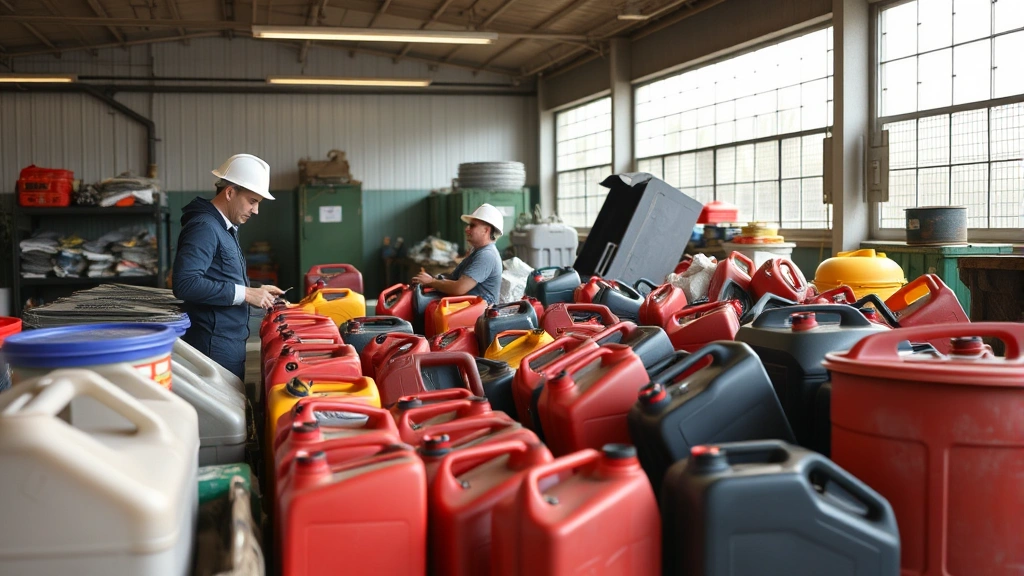
Before choosing a method, verify that your selected facility accepts gasoline specifically. Some hazardous waste centers accept only certain materials. Prepare containers properly—ensure lids are tight, containers are clearly labeled, and you have documentation of what you’re disposing of. Never mix old gasoline with other substances, paint, oil, or chemicals.
<

>
Finding Local Disposal Facilities
Locating appropriate disposal options requires minimal effort with the right resources. The Earth911 recycling search database allows you to enter your zip code and search for hazardous waste disposal facilities near you. Simply select “gasoline” or “fuel” from the material list, and the system displays local options with addresses, hours, and contact information.
Your local solid waste management district website typically lists hazardous waste collection events, permanent facilities, and accepted materials. Search online for “[your city/county] hazardous waste disposal” to find official resources. Many municipalities provide detailed guides on proper disposal methods and facility locations.
The EPA’s Hazardous Waste Information Center provides comprehensive resources on proper disposal and regulations. Their website includes state-specific guidance and facility locators. Contact your state environmental protection agency directly for authoritative information about regulations and approved disposal methods in your region.
When contacting facilities, ask these essential questions: Do you accept gasoline specifically? What container types are acceptable? Do you require advance notice? What are your hours and fees? Is the fuel tested before acceptance? Do you require proof of residency? Understanding these details prevents wasted trips and ensures smooth disposal.
For those interested in sustainable energy solutions, proper fuel disposal is just one step toward reducing your environmental impact. Consider whether you truly need gasoline-powered equipment or if electric alternatives might better serve your needs long-term.
Prevention Tips for Future Storage
Preventing accumulation of old gasoline is more efficient than managing disposal. Implement smart storage and usage practices that minimize the need for future disposal.
Establish a fuel rotation system for equipment you use seasonally. Use the oldest fuel first, cycling through your supply regularly. For equipment stored over winter, drain the fuel tank completely before storage or add fuel stabilizer to extend fuel life. This practice prevents fuel degradation and eliminates disposal needs.
Buy only what you need for immediate use. Rather than stockpiling fuel for convenience, purchase smaller quantities more frequently. This approach ensures you use fuel while it’s fresh and reduces storage space requirements. For most homeowners, storing more than 25 gallons is unnecessary and creates safety concerns.
Use fuel stabilizers for equipment stored for extended periods. These additives slow oxidation and extend fuel viability to 12 months or longer. Stabilizers are inexpensive, widely available, and significantly reduce disposal needs. Add stabilizer immediately after purchase if you know fuel will be stored.
Consider transitioning to electric equipment where practical. Gas-powered tools and equipment create ongoing fuel storage challenges and environmental concerns. Battery-powered lawnmowers, leaf blowers, and other tools eliminate fuel storage entirely while reducing emissions and maintenance requirements.
Maintain proper storage conditions even for fresh fuel. Store gasoline in approved containers in cool, dark locations away from temperature extremes. Heat accelerates degradation, so shaded storage extends fuel life. Keep containers sealed tightly to prevent water contamination and vapor loss.
Document fuel storage dates on container labels. This practice helps you track fuel age and prioritize use of older supplies. Simple date labeling prevents accidental use of degraded fuel and improves your overall fuel management system.
Join a community sharing program if you have fuel you won’t use. Some communities facilitate equipment and fuel sharing among neighbors, reducing overall consumption and waste. This approach supports both environmental sustainability and community connection.
FAQ
How long can gasoline be stored before it goes bad?
Gasoline typically remains usable for 3-6 months under ideal storage conditions. After six months, degradation becomes significant, and fuel should be tested or disposed of. With fuel stabilizer additives, viability extends to 12 months. Factors like temperature, container type, and seal quality affect degradation rates.
Can I pour old gasoline down the drain?
Absolutely not. Pouring gasoline down drains is illegal, dangerous, and environmentally catastrophic. It contaminates water treatment systems, groundwater, and aquatic ecosystems. Gasoline is highly toxic and volatile; drain disposal creates fire hazards and poison risks. Always use proper disposal methods.
Is old gasoline recyclable?
Some specialized facilities can recondition or recycle gasoline, though this service is less common. Recycling depends on fuel contamination level and facility capabilities. Contact local recycling centers to ask about fuel reclamation services. Standard disposal through hazardous waste facilities is the most readily available option.
What should I do if I spill old gasoline?
Immediately evacuate the area and ensure proper ventilation. Do not use electrical devices or create sparks. Cover the spill with absorbent material like sand or kitty litter, allowing it to soak up the fuel. Once absorbed, place material in an approved container for hazardous waste disposal. For large spills, contact local fire departments or hazmat teams for professional cleanup.
Can I use old gasoline in my vehicle?
Using degraded gasoline can damage your vehicle’s fuel system, injectors, and engine. It may cause starting difficulties, rough idling, reduced performance, and long-term damage. The risk of expensive repairs far exceeds any savings from using old fuel. Proper disposal is safer and more economical than attempting to use degraded fuel.
How much does gasoline disposal cost?
Most hazardous waste collection events are free. Permanent drop-off centers typically charge $10-30 per container. Professional hazmat disposal companies charge more for large quantities or special handling. Call local facilities for specific pricing. Free options are usually available if you’re willing to wait for scheduled collection events.
Do I need special containers for disposal?
Gasoline must be transported in approved, sealed containers clearly labeled as fuel. Most facilities accept standard 5-gallon fuel cans or original gasoline containers. Call ahead to confirm acceptable container types. Never transport fuel in unmarked, damaged, or non-approved containers.


