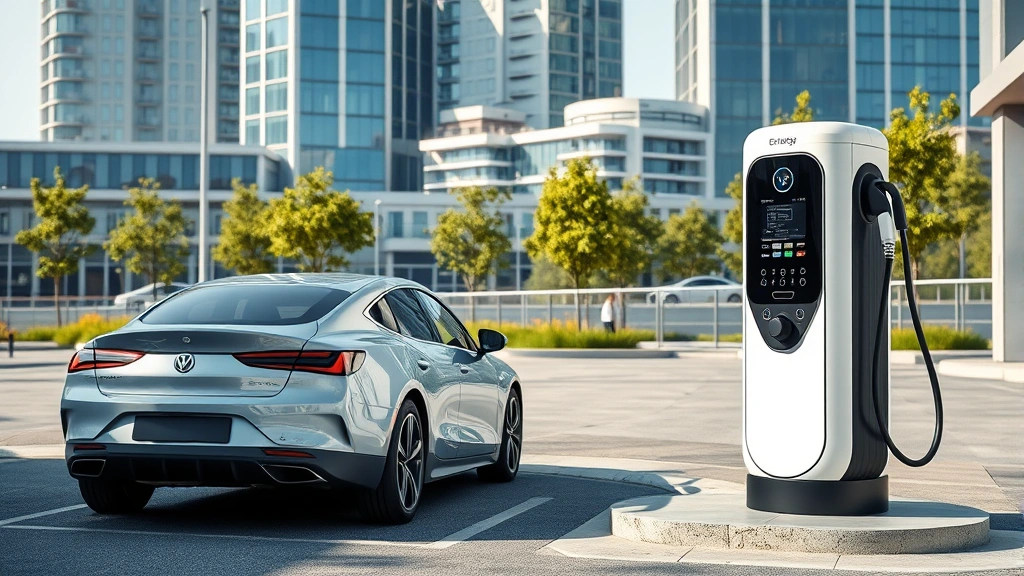
Go Green with Ingles Gas? Insider Tips for Sustainable Fuel Choices
The transportation sector accounts for nearly 27% of greenhouse gas emissions in the United States, making fuel choices a critical component of personal environmental responsibility. Ingles Gas Express, a regional fuel provider, has positioned itself as a convenience-focused option for drivers across the Southeast. But can a traditional gas station chain truly align with green living goals? This comprehensive guide explores how to make sustainable fuel decisions while using services like Ingles Gas Express, and what alternatives exist for environmentally conscious consumers.
Understanding the environmental impact of your fuel choices is the first step toward reducing your carbon footprint. Whether you’re a frequent driver or occasional commuter, the decisions you make at the pump ripple through our climate systems. We’ll examine practical strategies for minimizing emissions, exploring renewable fuel options, and leveraging modern technology to drive more sustainably.

Understanding Fossil Fuels and Environmental Impact
Conventional gasoline and diesel fuels remain the primary energy sources for vehicles worldwide, despite growing awareness of their environmental consequences. When you fill up at any gas station, including Ingles Gas Express locations, you’re purchasing a product that, when combusted, releases carbon dioxide, nitrogen oxides, and particulate matter into the atmosphere. These emissions contribute to climate change, air pollution, and associated health problems affecting millions of people annually.
The extraction, refining, and transportation of gasoline create additional environmental burdens before fuel ever reaches your tank. Oil drilling disrupts ecosystems, refining processes consume vast quantities of water and energy, and fuel transportation generates its own emissions. According to research from the Environmental Protection Agency (EPA), the average passenger vehicle emits approximately 4.6 metric tons of carbon dioxide per year. For households with multiple vehicles, this figure compounds significantly.
However, not all fuel options are equal in their environmental impact. Understanding the spectrum of available choices helps you make informed decisions that align with your sustainability values. Sustainability isn’t about perfection—it’s about continuous improvement and mindful choices.
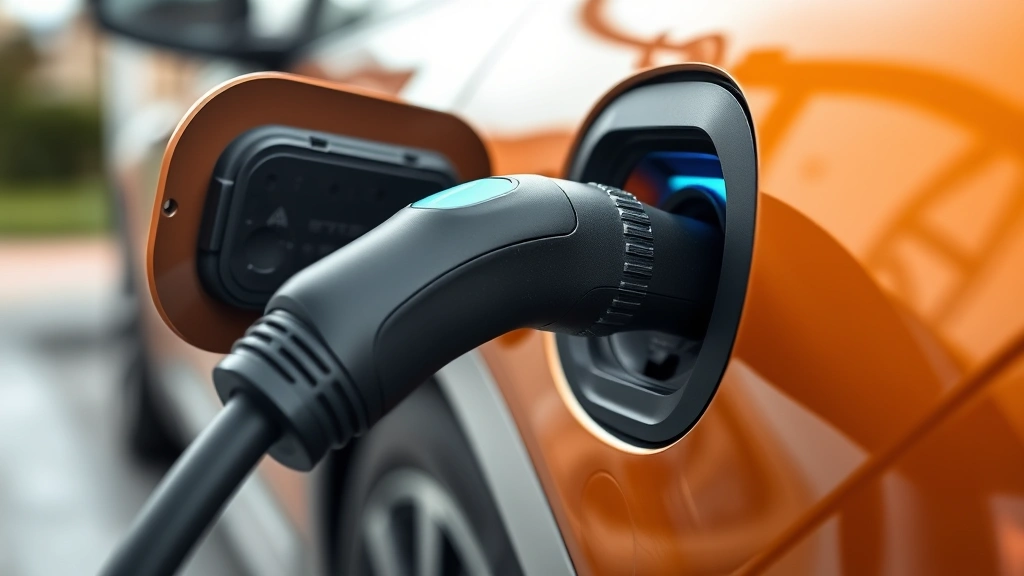
Ingles Gas Express: What You Need to Know
Ingles Gas Express operates as a convenience-focused fuel service, primarily serving customers across the Southeast United States. The brand emphasizes quick, efficient fuel stops integrated with their broader grocery and convenience store network. While Ingles Markets has made some efforts toward sustainability initiatives, their fuel offerings remain primarily conventional gasoline and diesel products.
When evaluating Ingles Gas Express through an environmental lens, several factors merit consideration. First, the company’s fuel sourcing and quality standards affect overall emissions. Most major fuel retailers, including Ingles, must comply with EPA fuel standards that regulate sulfur content and other emissions-contributing compounds. This means that fuel from Ingles Gas Express meets baseline environmental regulations, but doesn’t necessarily exceed them.
The convenience factor, however, carries environmental weight. Shorter, more efficient fuel stops reduce time spent idling and searching for pumps—both of which increase unnecessary emissions. If Ingles Gas Express locations are conveniently located along your regular routes, using them could theoretically reduce overall driving inefficiency compared to traveling further for alternative fuel sources.
That said, the most environmentally conscious approach involves reconsidering your fuel consumption altogether. Explore advantages of electric vehicles as a long-term solution, or investigate sustainable energy solutions that reduce dependence on traditional fuel stations entirely.
Sustainable Fuel Alternatives to Consider
The fuel landscape has expanded considerably in recent years, offering environmentally conscious drivers multiple pathways toward cleaner transportation. Understanding these alternatives empowers you to make choices that genuinely reduce your carbon footprint.
Ethanol-Blended Fuels (E10 and E85)
Ethanol-blended gasoline represents a transitional fuel option available at many stations. E10 fuel contains 10% ethanol and 90% gasoline, and is compatible with virtually all modern vehicles. E85 fuel contains 85% ethanol and works only with flex-fuel vehicles. Ethanol, typically produced from corn, reduces overall carbon emissions compared to pure gasoline because it’s a renewable resource. However, corn production involves significant agricultural inputs, including fertilizers and water consumption.
Biodiesel
Biodiesel, derived from vegetable oils or animal fats, can be blended with conventional diesel in various concentrations. B20 (20% biodiesel, 80% conventional diesel) represents a practical middle ground, reducing emissions while maintaining compatibility with most diesel engines. Biodiesel production creates fewer lifecycle emissions than petroleum diesel, particularly when sourced from waste oils.
Electric Vehicles (EVs)
Electric vehicles represent the most significant leap toward transportation sustainability. Even accounting for electricity grid emissions, EVs produce roughly 50-70% fewer emissions than gasoline vehicles over their lifetime. As electrical grids increasingly incorporate renewable energy sources, EV emissions advantages grow substantially. Green technology innovations continue improving battery efficiency and reducing costs, making EV ownership increasingly accessible.
Plug-in Hybrid Electric Vehicles (PHEVs)
PHEVs offer a practical transition option, combining electric motors with gasoline engines. For daily commutes within electric-only range, PHEVs produce zero direct emissions. For longer trips, the gasoline engine engages, providing necessary range without the range anxiety some EV drivers experience.
Hydrogen Fuel Cell Vehicles
Though less widely available, hydrogen fuel cell vehicles represent emerging clean technology. These vehicles produce only water vapor as emissions, and hydrogen can be produced through renewable energy processes. However, infrastructure limitations currently restrict their practical availability to specific regions.
Insider Tip: Comparing Your Options
If you currently use Ingles Gas Express and cannot immediately transition to electric or alternative fuel vehicles, consider these practical steps: First, ensure your vehicle receives regular maintenance—properly tuned engines burn fuel more efficiently. Second, investigate whether Ingles locations near you offer any ethanol-blended fuel options. Third, begin researching EV options for your next vehicle purchase, exploring available tax incentives and charging infrastructure in your area.
Practical Tips for Greener Driving
Regardless of your fuel source, driving habits significantly impact overall emissions. These actionable strategies reduce environmental impact immediately:
Optimize Your Driving Behavior
- Reduce idling: Modern engines consume more fuel idling than restarting. If you’ll wait more than 10 seconds, turn off your engine.
- Accelerate gradually: Aggressive acceleration dramatically increases fuel consumption and emissions. Smooth, steady acceleration uses fuel more efficiently.
- Maintain steady speeds: Highway driving at consistent speeds produces fewer emissions than frequent acceleration and deceleration.
- Remove excess weight: Every 100 pounds of additional weight reduces fuel efficiency by approximately 1%. Remove unnecessary items from your vehicle.
- Plan efficient routes: Consolidate errands into single trips, use GPS to find shortest routes, and avoid traffic congestion when possible.
Vehicle Maintenance Essentials
A well-maintained vehicle operates more efficiently and produces fewer emissions. Ensure your tire pressure matches manufacturer specifications—underinflated tires increase rolling resistance and reduce fuel economy by up to 3%. Replace air filters regularly, use manufacturer-recommended motor oil, and address mechanical issues promptly. These maintenance practices not only reduce emissions but extend vehicle lifespan and improve safety.
Reduce Overall Vehicle Dependence
The greenest mile is the one not driven. Consider carpooling, using public transportation, cycling, or walking for trips under three miles. These alternatives dramatically reduce personal emissions while providing health and community benefits. For longer distances, trains and buses typically produce significantly lower emissions per passenger than individual vehicles.
Technology and Innovation in Clean Fuel
Green technology innovations continue transforming the transportation sector. Battery technology improvements increase EV range while reducing costs. Autonomous vehicles promise to optimize driving patterns and reduce accidents. Synthetic fuels, produced from captured carbon dioxide and renewable electricity, could eventually provide drop-in replacements for conventional gasoline.
Advanced fuel monitoring systems now help drivers understand real-time fuel consumption, encouraging more efficient driving habits. Mobile applications track carbon emissions from personal transportation, providing data-driven motivation for behavior change. These technological tools democratize sustainability, making it easier for individuals to monitor and reduce their environmental impact.
The U.S. Department of Energy’s fuel economy website provides comprehensive data comparing vehicle efficiency ratings, helping consumers make informed purchasing decisions. This resource proves invaluable when evaluating current vehicle options or planning future purchases.
Making the Transition to Renewable Energy
Transitioning toward renewable fuel and energy sources requires both personal commitment and systemic support. Individual actions matter, but they work most effectively within supportive policy and infrastructure frameworks.
Personal Transition Steps
Begin by reducing your environmental footprint through comprehensive assessment. Calculate your current transportation emissions using available online calculators. Identify realistic opportunities for change—perhaps purchasing an EV for your next vehicle, switching to an ethanol-blended fuel now, or reducing driving frequency through lifestyle adjustments.
Infrastructure and Policy Support
Renewable fuel adoption accelerates when infrastructure and policy support align. EV charging networks continue expanding, making electric vehicle ownership increasingly practical. Federal tax credits reduce EV purchase costs, while some states offer additional incentives. Supporting policies that promote renewable energy grid development indirectly supports EV sustainability by ensuring cleaner electricity sources.
The U.S. Department of Energy provides comprehensive information about alternative fuels and advanced vehicles, including incentive programs and infrastructure locators. These resources help consumers navigate the transition landscape effectively.
Community and Collective Action
Individual transitions gain momentum through community engagement. Advocate for expanded public transportation in your area. Support local businesses implementing sustainable practices. Participate in carpooling or ride-sharing networks. Engage with city planning processes to prioritize walkable, bikeable communities that reduce transportation necessity.
FAQ
Is Ingles Gas Express environmentally friendly?
Ingles Gas Express, like most conventional fuel retailers, sells standard gasoline and diesel products that produce carbon emissions when burned. While their fuel meets EPA standards, it doesn’t inherently reduce environmental impact compared to other major fuel brands. However, if their convenient locations reduce unnecessary driving, they indirectly support efficiency.
What’s the most sustainable fuel choice available today?
Electric vehicles represent the most sustainable personal transportation option currently available, particularly as electrical grids incorporate more renewable energy. For those unable to switch to EVs immediately, plug-in hybrids offer intermediate sustainability benefits, while ethanol-blended or biodiesel fuels provide modest improvements over conventional gasoline.
How much can I reduce my carbon footprint by changing fuel types?
Switching from gasoline to E85 ethanol fuel reduces emissions by approximately 20-30%. Biodiesel produces 20-30% fewer emissions than conventional diesel. Electric vehicles reduce transportation emissions by 50-70% compared to gasoline vehicles. However, driving less produces the most significant emissions reductions.
What incentives exist for purchasing electric vehicles?
Federal tax credits up to $7,500 are available for qualifying EV purchases in the United States. Many states offer additional incentives including rebates, tax credits, and HOV lane access. Some utility companies provide charging installation rebates. Research your specific location for available programs.
How can I find alternative fuel stations near me?
The Alternative Fuels Data Center operated by the U.S. Department of Energy provides searchable maps of alternative fuel stations nationwide, including charging stations, ethanol pumps, biodiesel, and hydrogen fuel locations.
Are electric vehicles truly more sustainable when considering manufacturing emissions?
Yes. Although EV battery manufacturing produces emissions, studies show electric vehicles offset these manufacturing emissions within 1-3 years of typical driving, then produce substantially lower lifetime emissions compared to gasoline vehicles. As manufacturing processes improve and energy grids decarbonize, this advantage increases.
The journey toward sustainable transportation isn’t about abandoning convenience or adopting unrealistic practices. Rather, it involves making progressively better choices within your current circumstances while planning longer-term transitions. While Ingles Gas Express serves a practical function in the current transportation landscape, viewing it as a permanent solution contradicts genuine environmental commitment.
Your fuel choices matter—both individually and collectively. Each gallon of gasoline burned represents a small contribution to climate change, but multiplied across millions of drivers, these choices shape our environmental future. Whether you’re currently using Ingles Gas Express or any other fuel provider, consider this article an invitation to evaluate your transportation practices holistically. Explore SustainWise Hub Blog for additional insights on sustainable living practices. Research vehicle options aligned with your environmental values. Advocate for infrastructure supporting clean transportation. Small, intentional choices accumulate into meaningful environmental impact.


