Cut Gas Costs? Expert Tips for Intermountain Users
Energy bills represent one of the largest household expenses for Intermountain region residents, particularly during winter months when heating demands peak. Natural gas consumption directly impacts your monthly budget, environmental footprint, and long-term financial security. Understanding how to optimize your usage patterns and implement cost-saving strategies can reduce expenses by 10-30% annually while supporting broader sustainability goals.
The Intermountain region faces unique energy challenges due to geographic location, seasonal temperature fluctuations, and aging infrastructure. Residents often pay premium rates compared to national averages, making efficiency improvements not merely optional but economically essential. This comprehensive guide provides actionable strategies specifically tailored for Intermountain gas bill payers, combining expert recommendations with practical implementation steps that deliver measurable savings.
Understanding Your Intermountain Gas Bill
Decoding your natural gas bill represents the critical first step toward meaningful cost reduction. Intermountain utilities typically charge based on therms consumed, with rates varying seasonally and by usage tier. Most bills include fixed monthly charges, variable usage rates, and seasonal adjustments that reflect heating demand patterns across the region.
Your bill’s itemized breakdown reveals distribution charges, supply costs, and regulatory fees that collectively determine your total expense. Understanding these components allows strategic targeting of savings opportunities. Fixed charges remain constant regardless of conservation efforts, making usage reduction particularly impactful for budget optimization. Request a detailed bill analysis from your utility provider—most offer free energy audits identifying consumption patterns specific to your household.
Intermountain utilities often implement tiered pricing structures where increased usage triggers higher per-unit rates. This incentivizes conservation during peak winter months. Tracking monthly consumption trends helps identify anomalies suggesting equipment malfunction or inefficiency. Many providers offer online portals displaying real-time usage data, enabling immediate consumption monitoring and rapid response to unusual patterns.
Home Insulation and Weatherization
Inadequate insulation represents the leading cause of excessive heating costs across the Intermountain region. Heat loss through walls, attics, and foundations directly translates to wasted natural gas and inflated bills. The U.S. Department of Energy recommends R-38 to R-60 attic insulation for Intermountain climates, yet many older homes contain only R-11 to R-19 levels.
Strategic weatherization improvements deliver rapid returns on investment while reducing environmental impact. Air sealing around windows, doors, electrical outlets, and penetrations eliminates drafts responsible for 15-20% of heating loss. Caulking and weatherstripping cost under $200 yet reduce monthly bills by $15-40 depending on existing conditions. These foundational energy efficiency improvements provide immediate gratification and measurable savings.
Basement and crawl space insulation often receives insufficient attention despite significant heat loss potential. Rim joists—where foundation meets floor system—require dedicated insulation and air sealing. Many Intermountain homes built before 1980 lack basement insulation entirely, creating thermal bridges that compromise heating efficiency. Professional assessment determines whether DIY improvements or contractor installation optimizes cost-benefit analysis for your specific property.
Window upgrades represent larger investments but deliver substantial long-term savings. Double-pane, low-emissivity windows reduce heat loss by 40-50% compared to single-pane alternatives. While upfront costs reach $10,000-15,000 for whole-home replacement, energy savings of $1,000+ annually achieve payback within 12-15 years, with continued benefits thereafter.
HVAC System Optimization
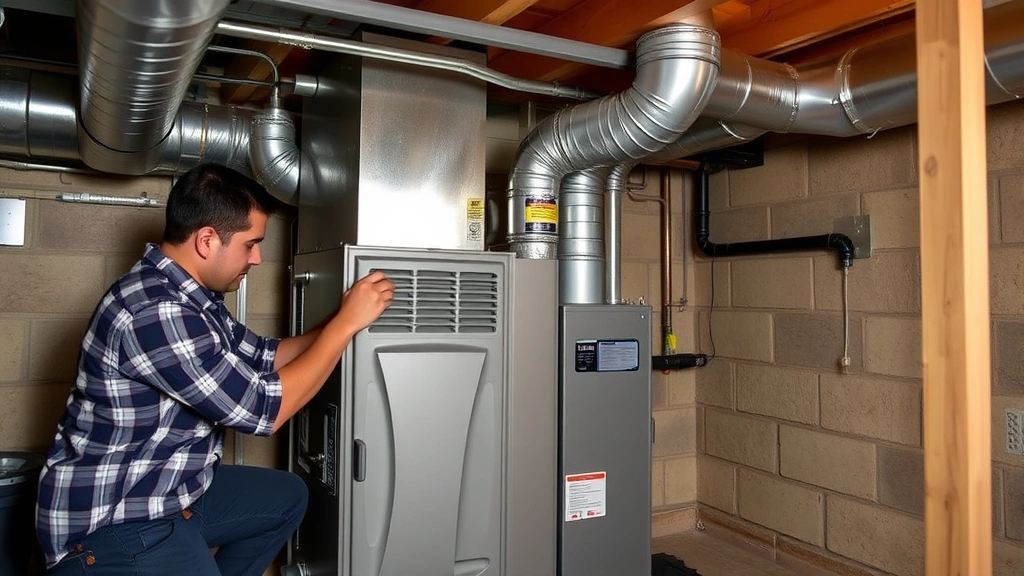
Heating, ventilation, and air conditioning systems account for 40-50% of residential energy consumption in the Intermountain region. System age, maintenance status, and efficiency ratings directly determine operational costs. Furnaces manufactured before 2000 operate at 60-70% efficiency, meaning 30-40% of fuel energy escapes as waste heat. Modern high-efficiency models achieve 95%+ efficiency, translating to significant consumption reduction.
Annual furnace maintenance proves essential for optimal performance. Professional technicians inspect heat exchangers, clean burners, verify combustion efficiency, and replace filters—tasks preventing equipment deterioration and operational inefficiency. Neglected systems gradually lose efficiency, incrementally increasing gas consumption and costs. Annual maintenance contracts typically cost $150-300 but save $200-500 annually through improved efficiency and extended equipment lifespan.
Ductwork evaluation often reveals overlooked efficiency opportunities. Leaking ducts waste 15-30% of heated air before reaching living spaces. Sealing duct joints with mastic sealant and insulating exposed ductwork in unconditioned spaces prevents heat loss. Proper duct sizing ensures adequate airflow without excessive pressure, reducing system strain and energy consumption.
Intermountain residents should consider sustainable energy solutions including heat pump technology. Modern cold-climate heat pumps operate effectively in Intermountain temperatures, providing heating efficiency 2-3 times higher than traditional resistance heating. While initial installation costs exceed $8,000-12,000, operational savings of $1,500+ annually combined with available rebates justify investment for long-term residents.
Water Heating Efficiency
Water heating represents 15-25% of residential energy consumption, with natural gas water heaters consuming substantial fuel. Traditional tank-style heaters maintain constant water temperature regardless of usage, creating standby losses. Tankless on-demand systems eliminate standby losses entirely, heating water only when needed and reducing consumption 20-35% for typical households.
Immediate water heating improvements include lowering thermostat settings from standard 140°F to 120°F, reducing both consumption and scalding risk. Insulating hot water pipes in unheated spaces prevents heat loss during distribution. Fixing leaking faucets eliminates wasted hot water—a single dripping faucet wastes 5+ gallons daily, requiring unnecessary heating energy.
Shower flow restrictors and low-flow aerators reduce hot water consumption without sacrificing comfort. Federal standards limit flow rates to 2.5 gallons per minute, yet older fixtures often exceed this, wasting heated water. Upgrading to modern low-flow fixtures costs under $50 per location and reduces hot water demand by 25-40%.
Solar water heating systems represent excellent investments for Intermountain properties with southern roof exposure. Modern systems integrate with existing gas heaters, providing supplemental heating during sunny periods and reducing gas consumption 50-80% annually. Department of Energy resources provide detailed guidance on solar thermal system selection and installation.
Smart Thermostat Technology
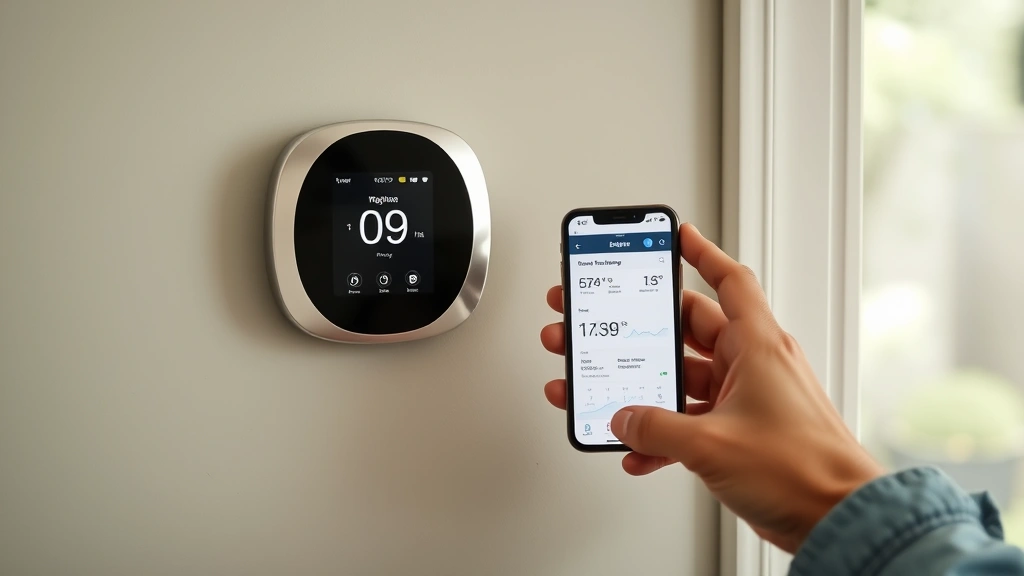
Programmable and smart thermostats deliver significant savings through automated temperature management aligned with occupancy patterns. Reducing temperature by 7-10°F for 8 hours daily saves approximately 10-15% on heating costs. Smart thermostats learn household patterns, optimize schedules automatically, and provide consumption analytics enabling informed behavior modification.
Modern smart thermostats integrate with mobile applications, allowing remote temperature adjustments when away from home. Preventing unnecessary heating during vacations or extended absences eliminates wasted consumption. Geofencing features automatically adjust temperatures when residents leave or return home, eliminating manual adjustments and ensuring comfort without excess heating.
Integration with utility demand response programs enables additional savings. Many Intermountain utilities offer incentives for smart thermostat adoption, reducing installation costs by $100-200. Some programs provide direct rebates while others offer rate discounts for participating in demand management initiatives. Exploring energy efficiency resources helps identify available incentive programs specific to your utility provider.
Dual-fuel systems combining gas furnaces with electric heat pumps optimize efficiency across varying temperature conditions. Smart thermostats automatically select the most efficient heat source based on outdoor temperature and energy costs, maximizing savings during peak pricing periods. These integrated systems require professional installation but deliver superior performance and reduced consumption.
Behavioral Changes and Daily Habits
Consumption reduction extends beyond equipment upgrades to encompass daily behavioral modifications. Closing doors to unused rooms and heating only occupied spaces reduces overall demand. Zone heating systems with individual thermostats optimize comfort while minimizing unnecessary heating. Layer clothing rather than elevating thermostat settings—each degree increase consumes 2-3% additional energy.
Utilizing natural heat sources during sunny days reduces heating demand. Opening south-facing curtains during daylight captures solar heat; closing them at night prevents radiative losses. Ceiling fans operated in reverse circulate rising warm air downward, improving heat distribution without additional heating. These no-cost behavioral modifications collectively reduce consumption 5-10%.
Cooking and shower habits impact hot water consumption significantly. Shorter showers, turning off water while soaping, and using cooler temperatures reduce heated water demand. Cooking with lids on pots reduces heating time and energy consumption. Air-drying dishes instead of heat-dry cycles in dishwashers eliminates unnecessary energy use. These daily habits compound into substantial savings when practiced consistently.
Humidity management affects perceived comfort and heating efficiency. Maintaining 30-50% relative humidity reduces heating requirements while improving air quality. Humidifiers operating during dry winter months enable lower temperature settings without sacrificing comfort. Proper ventilation prevents excessive moisture while eliminating stale air accumulation.
Utility Rebates and Incentive Programs
Intermountain utilities offer comprehensive rebate programs supporting efficiency upgrades. Most providers rebate 25-50% of insulation installation costs, making weatherization projects substantially more affordable. HVAC system replacements qualify for rebates of $300-500 when upgrading to high-efficiency models. Water heater replacements earn $150-300 rebates for tankless or heat pump systems.
State energy offices administer additional incentives through weatherization assistance programs serving low-income households. Eligible residents receive free energy audits and subsidized or free efficiency improvements including insulation, air sealing, and HVAC optimization. Contact your state energy office for eligibility determination and application procedures.
Federal tax credits support home energy improvements, allowing 30% deductions for qualified expenses up to $3,200 annually through 2032. Eligible improvements include insulation, HVAC systems, windows, and renewable energy installations. Consulting tax professionals ensures proper documentation and maximum benefit realization. The Energy.gov rebates database provides comprehensive information on available incentive programs by location.
Green technology innovations increasingly receive incentive support as utilities transition toward sustainable operations. Electric heat pumps, solar thermal systems, and smart home technologies qualify for expanded rebates in many Intermountain regions. Early adoption of emerging technologies often provides superior incentive rates before program modifications.
Long-Term Investment Strategies
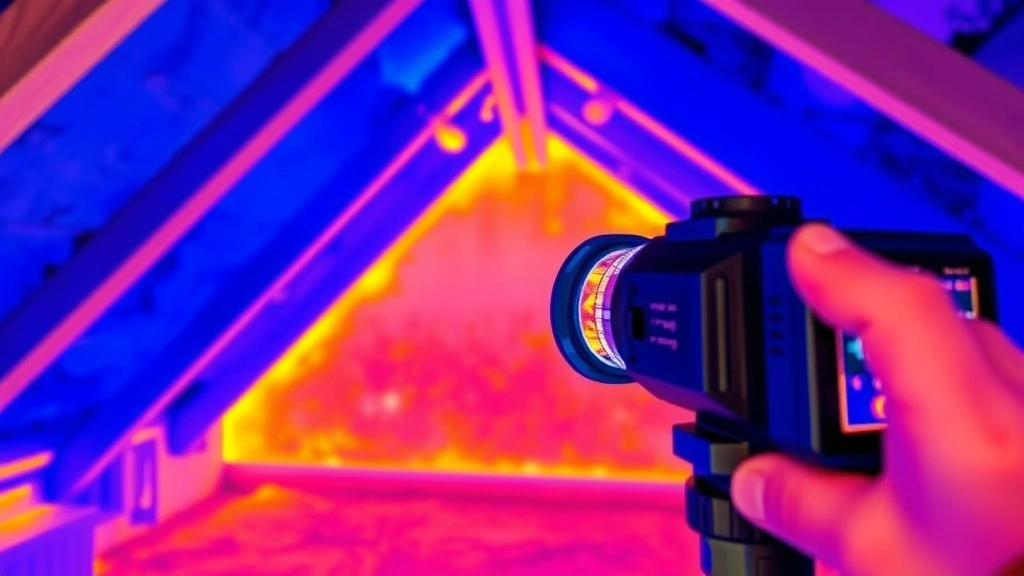
Strategic long-term planning maximizes savings and environmental benefits. Comprehensive home energy assessments identify optimization opportunities across all systems, guiding prioritized investment decisions. Professional auditors use thermal imaging and blower door testing to quantify efficiency gaps and recommend targeted improvements delivering optimal return on investment.
Sequencing improvements strategically ensures cost-effective implementation. Prioritizing air sealing and insulation before HVAC replacement optimizes system sizing, potentially reducing equipment costs. Installing smart thermostats before furnace upgrades enables better baseline consumption data and informed decision-making. Phased implementation spreads costs while maintaining continuous improvement momentum.
Renewable energy integration represents ultimate long-term strategy for Intermountain residents. Solar photovoltaic systems eliminate electricity consumption while providing energy independence. Combined with efficient gas heating, this hybrid approach dramatically reduces overall energy costs and environmental impact. Transitioning to electric vehicles further reduces fossil fuel dependence when paired with solar generation.
Building envelope improvements compound benefits over decades. Upgraded insulation, windows, and air sealing create durable efficiency gains requiring minimal maintenance. Unlike mechanical systems requiring periodic replacement, structural improvements provide permanent benefits. Investing in superior materials ensures performance longevity and sustained savings throughout home ownership tenure.
Community programs and shared resources enhance individual efforts. Group purchasing agreements negotiate contractor discounts for neighborhood efficiency upgrades. Utility-sponsored workshops provide technical guidance on DIY improvements. Neighborhood challenges encourage friendly competition while motivating participation. These collaborative approaches leverage community strength for accelerated progress.
FAQ
What is the average gas bill reduction from implementing these strategies?
Typical households achieve 15-30% annual consumption reduction through comprehensive implementation of weatherization, HVAC optimization, and behavioral modifications. Individual results vary based on starting efficiency levels, climate conditions, and commitment to sustained practice. Modest initial improvements from behavioral changes typically save $10-20 monthly, while major upgrades deliver $50-100+ monthly savings depending on baseline consumption.
How long does furnace maintenance take and how often is it needed?
Annual furnace maintenance requires 1-2 hours and should occur before heating season begins, typically September-October in the Intermountain region. Professional technicians inspect systems, clean components, verify efficiency, and identify potential issues requiring attention. This preventive approach prevents mid-winter breakdowns and ensures optimal performance throughout the heating season.
Are smart thermostats worth the investment for Intermountain homes?
Smart thermostats typically cost $150-300 installed and save $10-25 monthly through automated optimization and consumption monitoring. Most Intermountain utilities offer $100-200 rebates, reducing net costs to $0-100. Payback periods of 6-12 months make smart thermostats excellent investments, particularly for households with irregular occupancy patterns or inconsistent temperature preferences.
What is the difference between tankless and traditional water heaters?
Traditional tank heaters maintain constant water temperature, consuming energy continuously even when hot water isn’t needed. Tankless systems heat water on-demand, eliminating standby losses and reducing consumption 20-35%. Tankless units cost $1,500-3,000 installed versus $800-1,500 for traditional tanks, but superior efficiency and extended lifespan justify premium pricing for long-term residents.
Can I install insulation and weatherization improvements myself?
Many weatherization improvements prove suitable for DIY implementation, including caulking, weatherstripping, and attic insulation installation. However, proper technique significantly impacts effectiveness. Professional contractors ensure optimal air sealing and insulation placement, guaranteeing performance standards. For complex projects like spray foam application or HVAC work, professional installation ensures safety, efficiency, and warranty compliance.
How do I access rebate programs for Intermountain gas users?
Contact your natural gas utility provider directly—most maintain dedicated energy efficiency programs with online rebate applications. State energy offices administer additional programs; contact your state’s department of energy for weatherization assistance eligibility. Federal tax credit information appears on IRS.gov. Combining all available incentives often covers 50-75% of efficiency upgrade costs.


