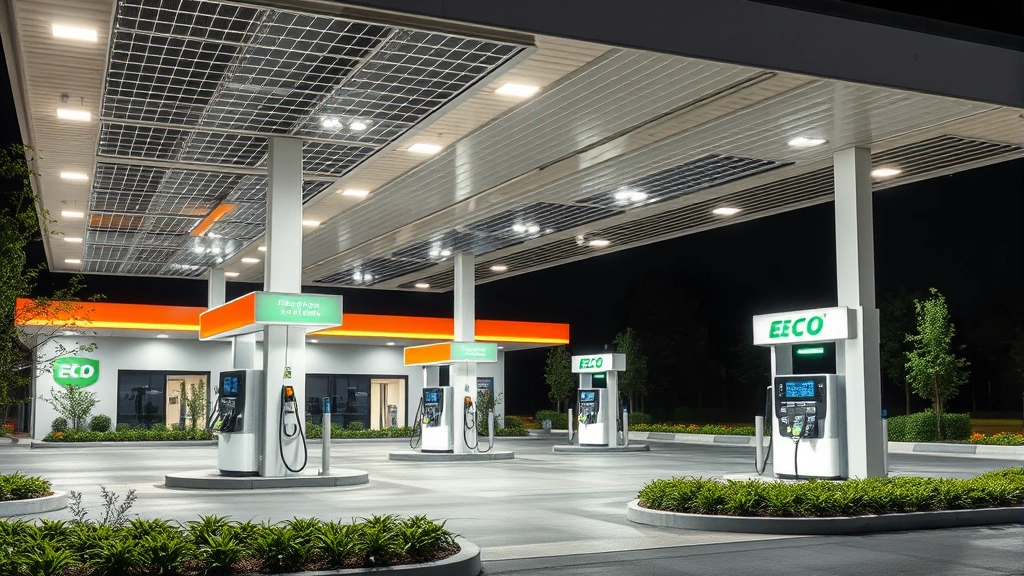
Find Eco-Friendly Gas in Irving: A Complete Sustainability Guide
Finding an Irving gas station near me that aligns with your environmental values requires more than a quick map search. As Irving, Texas continues to grow, so does the demand for sustainable fuel options and eco-conscious gas retailers. Whether you’re concerned about carbon emissions, air quality, or supporting businesses with genuine environmental commitments, this guide walks you through identifying truly green gas stations in Irving and understanding what makes fuel genuinely eco-friendly.
The transportation sector remains one of the largest contributors to greenhouse gas emissions in the United States. While the shift toward electric vehicles gains momentum, millions of drivers still rely on traditional fuel. Making informed choices about where and how you fuel your vehicle can significantly reduce your environmental impact while supporting businesses committed to sustainability.
Understanding Eco-Friendly Fuel Options
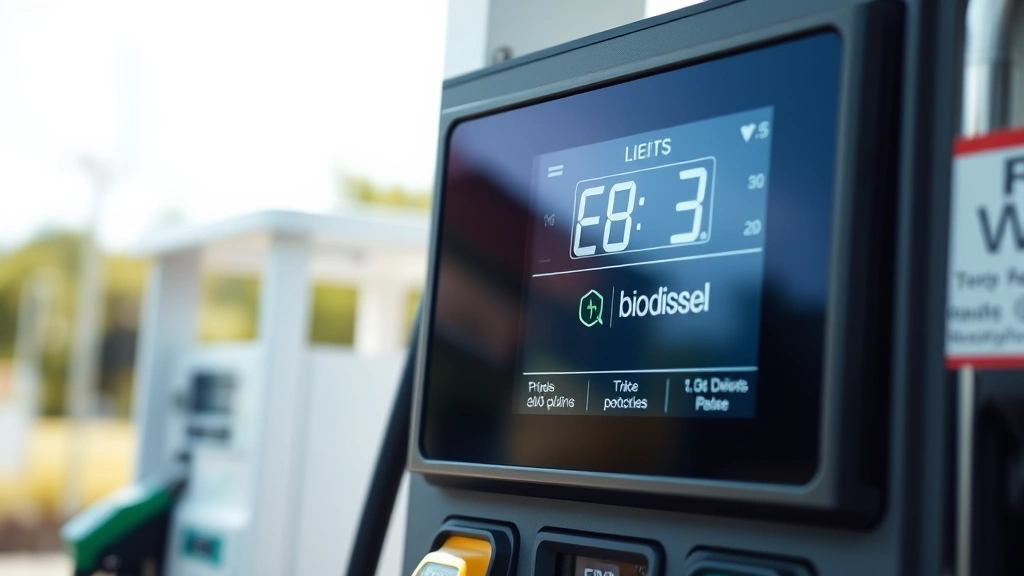
When searching for an eco-friendly gas station near Irving, it helps to understand what sustainable fuel options currently exist. Traditional gasoline remains the most common fuel, but several alternatives offer lower environmental impacts. Ethanol-blended fuels, such as E10 (10% ethanol) and E85 (85% ethanol), reduce petroleum dependency and lower emissions when produced sustainably. However, ethanol production itself requires significant energy and agricultural resources, so the environmental benefit depends heavily on production methods.
Biodiesel represents another renewable option, particularly beneficial for diesel vehicle owners. Made from vegetable oils or animal fats, biodiesel reduces life-cycle carbon emissions compared to petroleum diesel. Premium biodiesel blends (B20 or higher) offer greater environmental benefits, though availability in Irving remains limited. Many gas stations don’t prominently advertise these options, requiring direct inquiry about their fuel inventory.
Renewable diesel, distinct from biodiesel, undergoes hydroprocessing to create a fuel chemically identical to petroleum diesel but derived from renewable sources. This option provides superior performance in cold weather and better equipment compatibility than traditional biodiesel. Several forward-thinking retailers in the Dallas-Fort Worth area have begun stocking renewable diesel, though finding Irving locations requires research.
The most environmentally conscious choice remains transitioning to electric vehicles, which eliminate direct tailpipe emissions entirely. However, for current vehicle owners, understanding available fuel options empowers more sustainable choices within existing constraints.
Certified Green Gas Stations in Irving
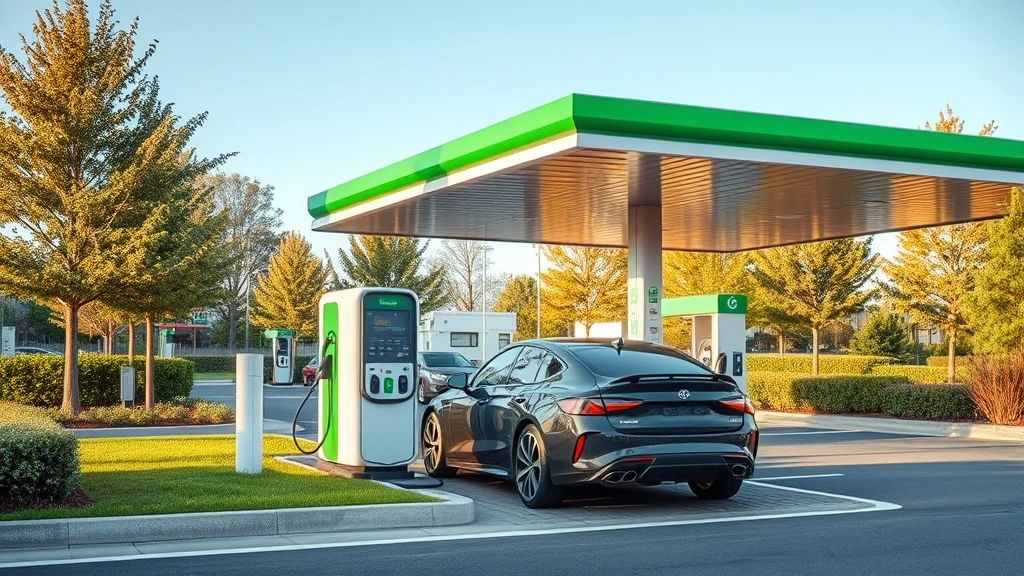
Finding certified eco-friendly gas stations requires looking beyond standard fuel quality certifications. The EPA’s Green Power Partnership recognizes businesses demonstrating environmental leadership, though not all green gas stations participate in formal certification programs. Several Irving-area stations have adopted sustainability practices worth investigating.
Shell and Chevron locations throughout Irving increasingly offer premium fuel formulations designed to reduce emissions. Shell’s V-Power gasoline includes detergents that clean fuel injectors, improving engine efficiency and reducing emissions. Chevron’s Techron technology similarly enhances combustion efficiency. While these premium options cost slightly more, improved fuel economy often offsets the premium price while reducing your environmental footprint.
Valero Energy, headquartered in San Antonio, operates refineries supplying fuel to Irving stations. Their commitment to sustainability initiatives includes investing in renewable fuel production and emissions reduction technologies. Checking whether your local Irving station sources from Valero provides some assurance of responsible fuel production practices.
Independent convenience stores and co-op gas stations sometimes offer the most authentic sustainability commitment. These smaller operators frequently prioritize community relationships and environmental responsibility over maximizing shareholder returns. Asking station managers directly about their fuel sourcing, emissions practices, and environmental certifications reveals genuine commitment versus superficial green marketing.
Top Sustainable Fuel Providers Serving Irving
Several fuel brands have established credible sustainability credentials worth seeking in Irving. Speedway locations, now rebranded as Murphy USA, have implemented comprehensive sustainability programs including LED lighting upgrades, water conservation measures, and waste reduction initiatives. Their fuel quality standards exceed EPA requirements, supporting cleaner engine operation.
Love’s Travel Stops, though primarily truck-focused, increasingly serve passenger vehicles and have invested substantially in renewable fuel infrastructure. Their expansion of biodiesel and renewable diesel availability across Texas locations benefits Irving drivers seeking alternatives to conventional petroleum products.
Community-owned cooperatives represent another sustainable option. The National Cooperative Grocers Association includes fuel cooperatives throughout Texas that prioritize member benefits and environmental stewardship. These member-owned businesses reinvest profits into sustainability initiatives rather than shareholder dividends.
Local environmental organizations like the Dallas Climate Reality Group maintain updated lists of Irving gas stations implementing verified sustainability practices. Consulting these community resources provides real-time information about which stations genuinely prioritize environmental responsibility.
Evaluating Gas Station Environmental Practices
Beyond fuel type, genuinely eco-friendly gas stations demonstrate environmental commitment across operations. Look for stations implementing these sustainable practices when evaluating Irving locations:
- Energy-efficient lighting: LED systems throughout the station reduce electricity consumption and lower operational carbon footprint
- Vapor recovery systems: Equipment capturing fuel vapors during pumping prevents volatile organic compound emissions that contribute to ground-level ozone formation
- Stormwater management: Proper drainage systems prevent fuel and chemical runoff from contaminating groundwater and local waterways
- Waste reduction programs: Recycling initiatives for used oil, batteries, and packaging demonstrate comprehensive environmental stewardship
- Green cleaning products: Use of biodegradable, non-toxic cleaning supplies reduces harmful chemical releases into the environment
- Renewable energy integration: Solar panels or wind power contributions to station operations lower grid electricity dependency
Ask station managers about these specific practices. Transparent operators readily discuss their environmental initiatives. Reluctance to answer questions about sustainability practices suggests minimal genuine commitment, regardless of green marketing claims.
Checking fuel quality certifications provides additional assurance. Top-tier gasoline containing enhanced detergents meets American Petroleum Institute standards and burns more cleanly. Brands like Shell, Chevron, Mobil, and Costco maintain top-tier fuel standards, though availability varies by Irving location.
Making the Switch to Cleaner Fuels
Transitioning toward cleaner fuel options begins with identifying which sustainable choices your vehicle supports. Check your owner’s manual or fuel door for compatibility information. Most modern vehicles tolerate E10 blends without modification, but older vehicles or high-performance cars may require pure gasoline.
For diesel vehicle owners, biodiesel compatibility depends on engine type and fuel system components. Vehicles manufactured after 2006 generally support B20 blends safely. Starting with B5 or B10 allows engines to acclimate to the fuel’s solvent properties before transitioning to higher blends.
Exploring sustainable energy solutions extends beyond fuel selection. Improving vehicle maintenance—regular oil changes, proper tire inflation, engine tuning—enhances fuel efficiency regardless of fuel type. These maintenance practices reduce consumption and lower overall emissions more effectively than premium fuel alone.
Consider combining fuel choices with strategies to reduce your environmental footprint. Carpooling, using public transportation, or consolidating errands to reduce driving frequency creates greater environmental benefits than fuel selection alone. Integrated approaches to transportation sustainability prove most effective.
Beyond the Pump: Reducing Transportation Emissions
While finding eco-friendly gas stations matters, transportation represents just one aspect of personal environmental responsibility. Irving residents seeking comprehensive sustainability should evaluate broader transportation choices alongside fuel decisions.
Public transit options in Irving, including DART buses and the Trinity Railway Express, provide viable alternatives to personal vehicles for many commutes. Regular transit use eliminates individual vehicle emissions entirely while reducing traffic congestion benefiting all Irving drivers. Checking DART routes and schedules reveals whether transit options suit your commuting patterns.
Carpooling programs connect Irving residents sharing similar commute routes, reducing per-person vehicle emissions while lowering fuel costs. Employer-sponsored programs and community ridesharing platforms facilitate connections between potential carpool partners. Even occasional carpooling significantly reduces individual environmental impact.
Active transportation—cycling or walking for short trips—provides health benefits alongside environmental advantages. Irving’s expanding trail system, including the American Indian trail network and various neighborhood paths, supports walking and cycling infrastructure development. Short trips represent prime candidates for active transportation, as vehicle cold starts produce disproportionate emissions.
For those unable to transition to electric vehicles immediately, hybrid vehicles offer substantial emission reductions compared to conventional gasoline engines. As vehicle replacement cycles approach, prioritizing hybrid or electric options creates lasting environmental benefits.
Home energy choices also interconnect with transportation sustainability. Evaluating gas versus electric water heater options and natural gas furnace efficiency demonstrates holistic environmental commitment. Reducing household energy consumption from fossil fuels complements transportation emission reduction efforts, creating comprehensive sustainability.
The U.S. Department of Energy provides comprehensive resources for evaluating household and transportation energy efficiency. Their calculators and guides help Irving residents quantify environmental impacts and identify highest-impact improvement opportunities.
FAQ
What makes a gas station truly eco-friendly?
Genuine eco-friendly gas stations combine multiple sustainability elements: clean fuel options (ethanol, biodiesel, renewable diesel), vapor recovery systems preventing emissions, energy-efficient operations using LED lighting and renewable energy, proper stormwater management preventing contamination, waste reduction and recycling programs, and transparent communication about environmental practices. Single green initiatives without comprehensive commitment indicate greenwashing rather than authentic sustainability.
Are premium fuel brands actually better for the environment?
Premium fuel brands like Shell V-Power and Chevron Techron contain enhanced detergents improving combustion efficiency and reducing emissions compared to standard gasoline. However, environmental benefit depends on driving habits and vehicle maintenance. Regular maintenance, proper tire inflation, and efficient driving practices create greater environmental impact than premium fuel alone.
Should I switch to E85 ethanol fuel?
E85 compatibility depends entirely on vehicle design—check your owner’s manual or fuel door for flex-fuel capability. Compatible vehicles benefit from reduced petroleum consumption and lower emissions. However, E85 provides slightly lower fuel economy than gasoline, potentially offsetting environmental benefits. Production methods significantly impact ethanol’s overall environmental profile, making sustainably-produced E85 preferable to conventional ethanol.
How do I find biodiesel stations near Irving?
The National Biodiesel Board maintains an online locator identifying biodiesel retailers throughout Texas. Contacting stations directly often reveals biodiesel availability not prominently advertised. Local environmental organizations also track biodiesel availability and quality across Irving locations.
Is switching to electric vehicles the only real solution?
While electric vehicles eliminate direct tailpipe emissions, transition feasibility varies individually. Cost, charging infrastructure, driving patterns, and vehicle type all influence viability. Until universal EV adoption occurs, optimizing fuel choices, improving vehicle efficiency, and reducing driving frequency represent meaningful interim strategies. Combining these approaches creates substantial environmental benefits even with conventional vehicles.
How does fuel choice compare to driving habits in environmental impact?
Driving habits typically create greater environmental impact than fuel type. Aggressive acceleration, excessive idling, and unnecessary trips generate significantly more emissions than premium fuel prevents. Consolidating errands, maintaining proper tire pressure, regular maintenance, and smooth driving create greater environmental benefits than fuel selection alone.


