Boost Your EV Range! Expert Tips Inside
Electric vehicles represent a fundamental shift in how we approach transportation and environmental responsibility. Unlike traditional combustion engines, it ain’t got no gas in it—your EV relies entirely on battery efficiency and smart driving practices to maximize every mile. Whether you’re a new EV owner or considering the switch to electric, understanding how to optimize your vehicle’s range is crucial for both your wallet and the planet.
The range anxiety that once plagued early EV adopters has largely diminished, thanks to improving battery technology and expanding charging infrastructure. However, maximizing your vehicle’s efficiency remains essential for reducing charging frequency, lowering energy costs, and minimizing your carbon footprint. This comprehensive guide explores evidence-based strategies to boost your EV range, covering everything from driving techniques to maintenance practices that ensure your electric vehicle performs at its peak.
Understanding Your EV Battery Chemistry
Your electric vehicle’s battery is the heart of its range capability. Modern EVs typically use lithium-ion battery packs, which store electrical energy through chemical reactions that create electron flow. Understanding how these batteries work helps you make informed decisions about usage patterns and maintenance. The capacity measured in kilowatt-hours (kWh) determines your vehicle’s theoretical range, but actual performance depends on numerous environmental and operational factors.
Battery degradation is a natural process that occurs over time and charging cycles. Most EV manufacturers warranty their batteries for 8-10 years or 100,000-150,000 miles, with degradation rates typically ranging from 2-3% annually. However, proper care can significantly slow this process. Avoiding extreme temperatures, minimizing rapid charging sessions, and maintaining moderate state-of-charge levels all contribute to battery longevity. When you explore sustainable energy solutions, understanding battery chemistry becomes essential for making environmentally responsible choices about your transportation energy source.
The relationship between battery health and range is direct: as battery capacity decreases, your maximum range diminishes proportionally. This underscores the importance of proactive battery management throughout your vehicle’s lifespan. Modern EVs include battery management systems (BMS) that monitor individual cell health, temperature, and charge levels, automatically adjusting charging rates to optimize longevity while meeting your driving needs.
Optimizing Driving Techniques for Maximum Efficiency
How you drive dramatically impacts your EV’s range. Unlike gasoline vehicles where efficiency improvements are modest, electric vehicles respond dramatically to driving behavior modifications. The most significant factor is acceleration rate: aggressive acceleration consumes exponentially more energy than gradual acceleration. Imagine accelerating smoothly to highway speed over 30 seconds rather than 10 seconds—the energy difference is substantial.
Regenerative braking represents one of EV technology’s most powerful efficiency features. When decelerating, your motor reverses function to capture kinetic energy and convert it back into battery charge. Smooth, anticipatory driving that minimizes hard braking maximizes regenerative energy recovery. Instead of braking suddenly, gradually ease off the accelerator well in advance of stops, allowing the regenerative system to capture energy while slowing your vehicle naturally.
Highway driving presents unique efficiency challenges compared to city driving. While EVs excel in urban stop-and-go traffic where regenerative braking dominates, highway driving at constant speeds reduces regenerative opportunities. Air resistance increases exponentially with speed—driving at 70 mph instead of 55 mph can reduce your range by 20-30%. Consider reducing highway speeds by 5-10 mph on longer trips; the time savings from faster charging at your destination may offset the slightly longer driving duration.
Tire pressure significantly affects rolling resistance and consequently your range. Under-inflated tires increase friction with the road surface, requiring more energy to maintain speed. Check your tire pressure monthly and maintain the manufacturer-recommended PSI listed on your driver’s door jamb. Properly inflated tires can improve range by 3-5%, a benefit that compounds over thousands of miles. Additionally, consider low-rolling-resistance tires specifically designed for electric vehicles, which can provide measurable efficiency gains.
Temperature Management and Seasonal Considerations
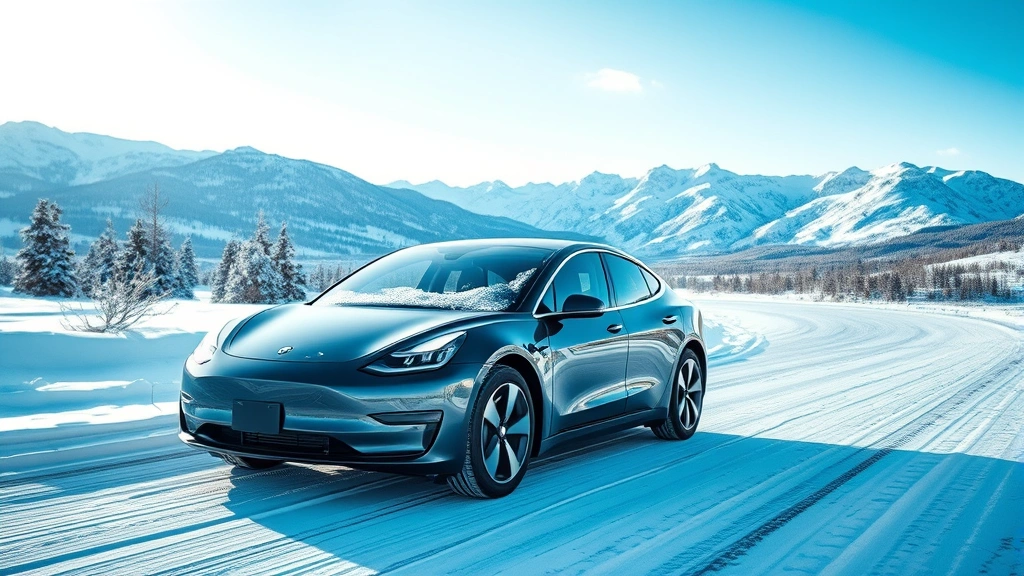
Temperature profoundly affects battery chemistry and overall vehicle efficiency. Cold weather is particularly challenging—battery chemical reactions slow in low temperatures, reducing available power and range. Many EV owners experience 20-40% range reduction in winter conditions. However, modern vehicles include thermal management systems that precondition batteries before driving, warming them to optimal operating temperatures while still plugged in, thus using grid electricity rather than battery energy.
Preconditioning your vehicle while connected to a charger is one of the most effective cold-weather strategies. Most EVs allow scheduling this through their mobile apps or onboard systems. Starting your drive with a warm battery and cabin means your battery operates at peak efficiency from the moment you begin driving. This practice simultaneously addresses another cold-weather challenge: cabin heating, which consumes significant battery energy in winter months.
Seat heaters and steering wheel heaters are dramatically more efficient than cabin heating systems. These devices warm your body directly rather than heating the entire cabin, consuming 70-90% less energy. In cold weather, use these targeted heating methods instead of cranking up the cabin thermostat. Similarly, in summer, using air conditioning efficiently means setting the temperature to reasonable levels (78-80°F rather than 65°F) and using the “recirculate” function to cool already-cooled air rather than constantly cooling hot outside air.
Battery thermal management systems in premium EVs actively cool batteries during fast charging and warm them in cold weather. Understanding your vehicle’s thermal capabilities allows you to leverage these features optimally. Some vehicles allow you to set battery temperature targets through their infotainment systems, giving you control over the thermal management strategy.
Vehicle Maintenance for Peak Performance
Electric vehicles require significantly less maintenance than conventional vehicles—no oil changes, transmission fluid, or spark plugs—but the maintenance they do need directly impacts range and efficiency. Regular tire rotations, wheel alignments, and brake inspections ensure optimal rolling resistance and regenerative braking performance. Misaligned wheels increase drag and reduce efficiency, while uneven tire wear indicates alignment issues requiring professional attention.
Air filter maintenance, while less critical than in gasoline engines, still matters for cabin air quality and heating/cooling system efficiency. A clean cabin air filter allows your climate control system to operate more efficiently, reducing the energy demands on your battery. Check your owner’s manual for recommended replacement intervals, typically every 12-24 months depending on driving conditions.
Brake fluid replacement follows manufacturer schedules—typically every 2-3 years—to ensure your braking system operates reliably. Since regenerative braking handles most deceleration in EVs, traditional friction brakes see minimal use, dramatically extending their lifespan. Many EV owners drive 100,000+ miles on original brake pads, a testament to regenerative braking’s effectiveness.
Battery coolant system maintenance is critical in vehicles with active thermal management. This closed-loop system requires periodic inspection and fluid replacement per manufacturer specifications. Neglecting this maintenance can reduce thermal management effectiveness, compromising both battery longevity and range. When exploring advantages of electric vehicles, the reduced maintenance burden becomes immediately apparent, though the maintenance that remains is essential.
Charging Strategies and Infrastructure Planning
How you charge your vehicle influences both range optimization and battery longevity. Level 1 charging (standard 120V household outlets) is glacially slow, adding 2-5 miles of range per hour. Level 2 charging (240V) provides 25-30 miles per hour, suitable for overnight home charging. DC fast charging adds 200-300 miles per hour but generates more heat stress on batteries. For daily driving with overnight charging access, Level 2 is optimal; for road trips, strategic DC fast charging is necessary.
Charging to 100% capacity regularly accelerates battery degradation. Most manufacturers recommend maintaining state-of-charge between 20-80% for daily driving. If your vehicle allows setting charge limits through its app or settings, configure daily charging to 80% and only charge to 100% before long trips. This practice alone can extend battery lifespan by 1-2 years while slightly reducing available range for daily use—an acceptable trade-off for most drivers.
Charging infrastructure planning is essential for maximizing range on longer journeys. Websites and apps like PlugShare, EVgo, and Electrify America provide real-time information on charger locations, availability, and pricing. When planning road trips, map charging stops strategically, considering charging speed, wait times, and amenities. DC fast chargers typically charge most efficiently from 10-80% state-of-charge; charging beyond 80% slows dramatically as the battery management system limits charging rates to protect battery health.
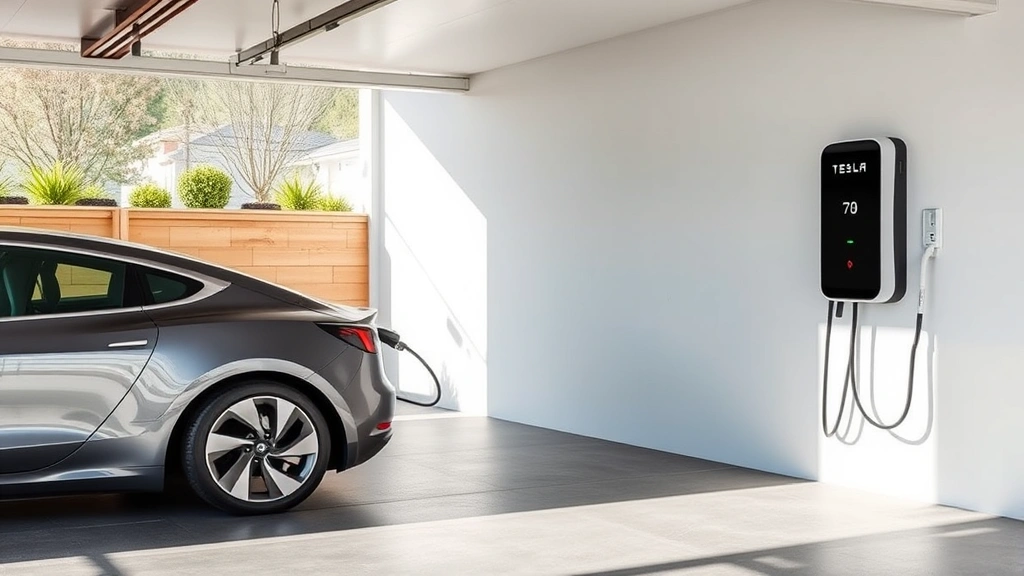
Home charging infrastructure investment pays dividends through convenience and long-term savings. Installing a Level 2 charger (240V) costs $500-2,000 including installation and provides significant convenience compared to Level 1 charging. For those with access to home energy solutions, combining EV charging with solar panels or time-of-use electricity rates maximizes both environmental benefits and financial savings.
Advanced Technology Features to Leverage
Modern EVs include sophisticated technology designed specifically to maximize efficiency. Eco-driving modes reduce power delivery, adjust climate control settings, and optimize regenerative braking for maximum energy recovery. Activating Eco mode typically reduces range by only 5-10% while providing significant efficiency gains. Some vehicles include multiple eco settings—Eco, Eco+, and Sport—allowing you to adjust efficiency versus performance based on driving conditions.
Route optimization features in navigation systems calculate routes considering terrain elevation, traffic patterns, and charging infrastructure. These systems account for efficiency variations across different routes, sometimes suggesting slightly longer routes that consume less total energy. Trusting these algorithms leads to better real-world results than manually selecting routes based purely on distance.
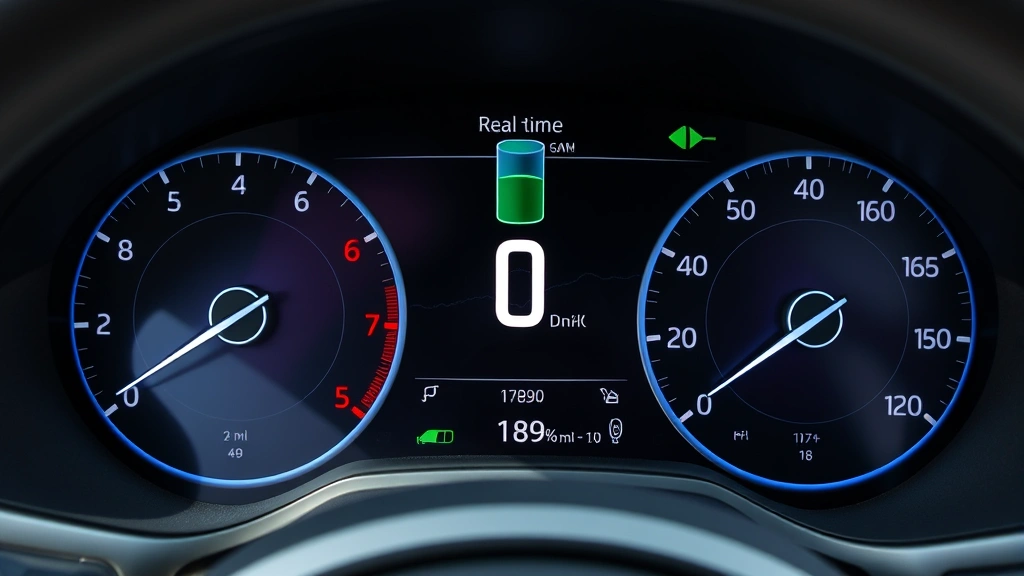
Real-time efficiency displays showing energy consumption per mile help you develop awareness of how driving behavior impacts range. Watching your consumption rate increase during aggressive acceleration or highway driving provides immediate feedback that reinforces efficient driving techniques. Many drivers find gamifying efficiency—trying to minimize consumption rates—makes efficiency optimization engaging rather than tedious.
Predictive battery management systems in advanced EVs anticipate your driving patterns and automatically manage thermal systems to ensure optimal battery temperature when you’ll need maximum power. These systems learn your typical driving routes and times, proactively warming or cooling batteries in advance of your usual departure times.
Smartphone integration allows remote climate control adjustment, battery preconditioning, and charging schedule management. Starting your vehicle’s climate system while still inside your home means the cabin reaches comfortable temperatures before you sit down to drive, without draining battery energy during your commute. This seemingly minor convenience actually provides meaningful range benefits, especially during extreme weather conditions.
When considering green technology innovations, EV efficiency features represent the cutting edge of sustainable transportation. These technologies continue evolving rapidly, with software updates often improving efficiency without hardware modifications.
FAQ
How much can I realistically improve my EV range through driving technique changes?
Adopting all recommended driving techniques—smooth acceleration, anticipatory braking, optimal speeds, and tire pressure maintenance—can improve range by 15-25%. Individual techniques provide smaller gains (3-5% each), but they compound. Real-world range improvements depend on your baseline driving habits and local conditions, but most drivers experience noticeable differences within weeks of implementing these strategies.
Does cold weather permanently reduce my EV’s range?
No, cold weather reduces range temporarily while temperatures remain low. Once weather warms, your range returns to normal baseline levels. However, prolonged exposure to extreme cold or heat can accelerate battery degradation, potentially causing permanent capacity loss. Proper thermal management minimizes this risk significantly.
Should I charge my EV every night to maximize range?
Not necessarily. Charging to 80% daily is sufficient for most driving patterns and extends battery lifespan compared to regular 100% charges. Only charge to 100% before long trips. If you drive less than 50% of your vehicle’s range daily, charging every other night may be sufficient. Check your vehicle’s battery management system recommendations for optimal charging frequency.
What’s the difference between EPA-rated range and real-world range?
EPA range estimates use standardized testing procedures that don’t account for individual driving styles, terrain, weather, or traffic conditions. Real-world range typically falls 10-20% below EPA estimates due to these variables. Highway driving yields lower real-world range than city driving, while cold weather significantly reduces actual range compared to EPA estimates developed in moderate conditions.
Can software updates improve my EV’s range?
Yes, manufacturers regularly release software updates that improve efficiency algorithms, regenerative braking optimization, and thermal management systems. These updates can provide 1-3% range improvements without any hardware modifications. Always install recommended updates promptly to benefit from the latest efficiency enhancements.
How do I know if my battery is degrading?
Monitor your vehicle’s available battery capacity through its settings or mobile app. Most EVs display battery health as a percentage of original capacity. 2-3% annual degradation is normal; if your battery loses more than 5-10% capacity within the first year, contact your dealership. Many vehicles also display historical range data, allowing you to track degradation trends over time.