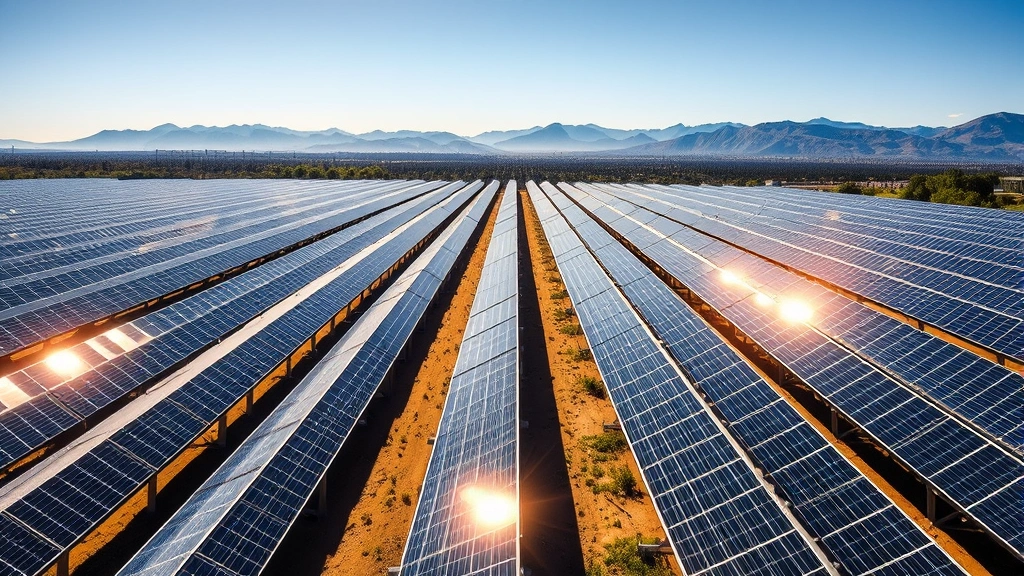
Jeffrey Beyer Insights: Green Energy Shift?
The energy landscape across North America is undergoing a profound transformation, with utility companies like Pacific Gas & Electric (PG&E) facing mounting pressure to accelerate their transition toward renewable energy sources. Industry leaders and sustainability experts, including perspectives from figures like Jeffrey Beyer, are examining how traditional energy providers can navigate this critical shift while maintaining grid reliability and affordability for millions of consumers.
Pacific Gas & Electric, serving Northern and Central California, stands at the forefront of this energy revolution. The company’s strategic decisions regarding renewable energy adoption, infrastructure modernization, and carbon reduction initiatives will shape not only California’s energy future but also serve as a blueprint for utilities nationwide. Understanding the complexities of this transition requires examining both the opportunities and challenges that accompany moving away from fossil fuels toward clean energy alternatives.
The Current Energy Landscape and PG&E’s Position
Pacific Gas & Electric operates one of the largest utility systems in the United States, delivering electricity and natural gas to approximately 16 million people across a service territory spanning roughly 70,000 square miles. The company’s energy portfolio has historically relied on a diverse mix of sources, including natural gas, hydroelectric power, and nuclear energy. However, California’s ambitious climate goals—including achieving 100% clean electricity by 2045—have necessitated a fundamental reimagining of how utilities like PG&E generate and distribute power.
The question of whether we can effectively transition from traditional fossil fuels becomes increasingly urgent when examining whether natural gas is renewable or nonrenewable. Natural gas, while cleaner than coal, remains a finite fossil fuel resource that contributes significantly to greenhouse gas emissions. PG&E’s current reliance on natural gas for approximately 40% of its electricity generation represents a substantial barrier to achieving California’s decarbonization objectives.
Industry observers and sustainability professionals have noted that utilities transitioning to cleaner energy must address several fundamental questions: How quickly can renewable capacity be developed? What infrastructure changes are necessary? How will costs be managed? These considerations underscore why forward-thinking energy strategies are essential for companies of PG&E’s scale and importance.
Renewable Energy Integration Challenges
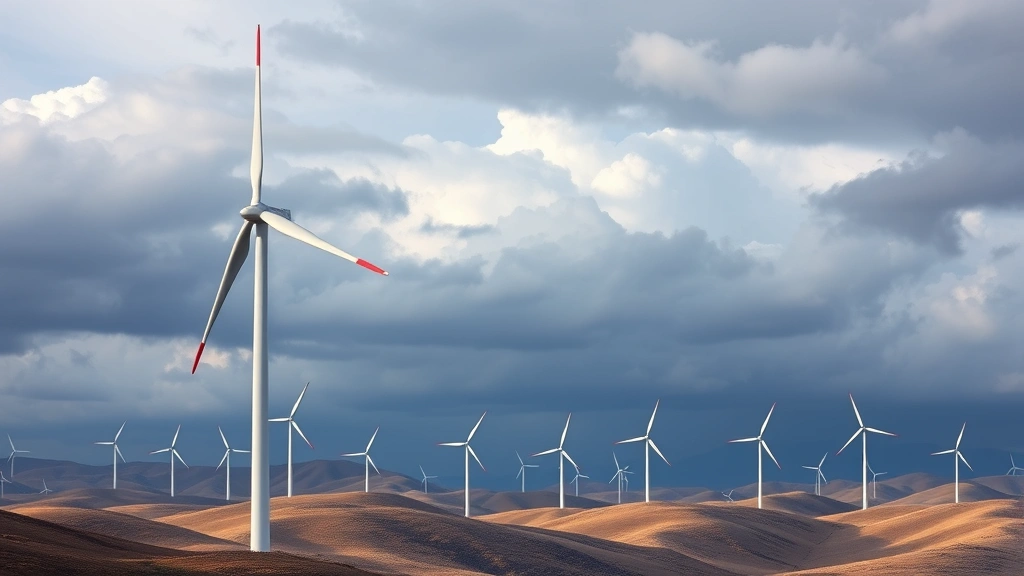
While California has made remarkable progress in renewable energy adoption—with solar and wind capacity expanding dramatically over the past decade—integrating these variable resources into the grid presents complex technical and operational challenges. Unlike traditional power plants that can generate electricity on demand, solar and wind energy production depends on weather conditions and time of day, creating what energy experts call intermittency issues.
Pacific Gas & Electric must balance several competing priorities when integrating renewable energy. The utility needs to ensure sufficient power generation during peak demand periods, maintain grid stability, and avoid over-generation during low-demand hours when solar production peaks. This requires sophisticated forecasting, demand management, and energy storage solutions that are still evolving technologically and economically.
One critical aspect of this transition involves exploring sustainable energy solutions that go beyond simply adding renewable capacity. Utilities must invest in smart grid technologies, demand response programs, and distributed energy resources that empower consumers to participate actively in energy management. These innovations represent fundamental shifts in how electricity systems operate—moving from centralized generation models toward more distributed, flexible networks.
The integration process also requires addressing what industry professionals call the “duck curve” phenomenon, where midday solar generation creates steep ramps in electricity demand that conventional power plants struggle to match. Solutions being explored include battery storage systems, pumped hydro storage, and advanced forecasting technologies that help utilities anticipate and respond to these patterns.
Infrastructure Modernization Requirements
Achieving a genuine green energy shift requires far more than simply installing renewable generators. The entire electrical grid infrastructure—built primarily during the mid-20th century—needs comprehensive modernization to support 21st-century clean energy systems. This modernization represents one of the largest capital investment challenges facing utilities like PG&E.
Traditional grid infrastructure was designed for one-way power flow, moving electricity from large centralized power plants to distributed consumers. Modern grids must support bidirectional power flows, accommodate distributed solar installations on rooftops, integrate electric vehicle charging networks, and manage variable renewable generation. This transformation requires upgrading transmission and distribution lines, installing advanced metering infrastructure, deploying grid-scale battery systems, and implementing sophisticated control systems.
PG&E’s infrastructure investments align with broader industry trends toward what experts call the “smart grid.” These systems use digital technology, automation, and real-time data analytics to optimize electricity generation, transmission, and consumption. The benefits include improved efficiency, reduced losses, better integration of renewable energy, and enhanced resilience to extreme weather events—increasingly important as climate change intensifies.
Beyond electrical infrastructure, utilities must also consider how advantages of electric vehicles will affect grid demand. As transportation electrification accelerates, charging infrastructure and grid capacity planning become critical considerations. Utilities must anticipate this increased electricity demand while simultaneously reducing carbon intensity of generation—a dual challenge that demands innovative planning and investment.
Grid Reliability and Storage Solutions
One of the most persistent concerns about transitioning to renewable energy involves grid reliability. Skeptics argue that intermittent renewable sources cannot provide the stable, consistent power supply that modern society requires. However, emerging energy storage technologies and advanced grid management strategies are rapidly addressing these concerns.
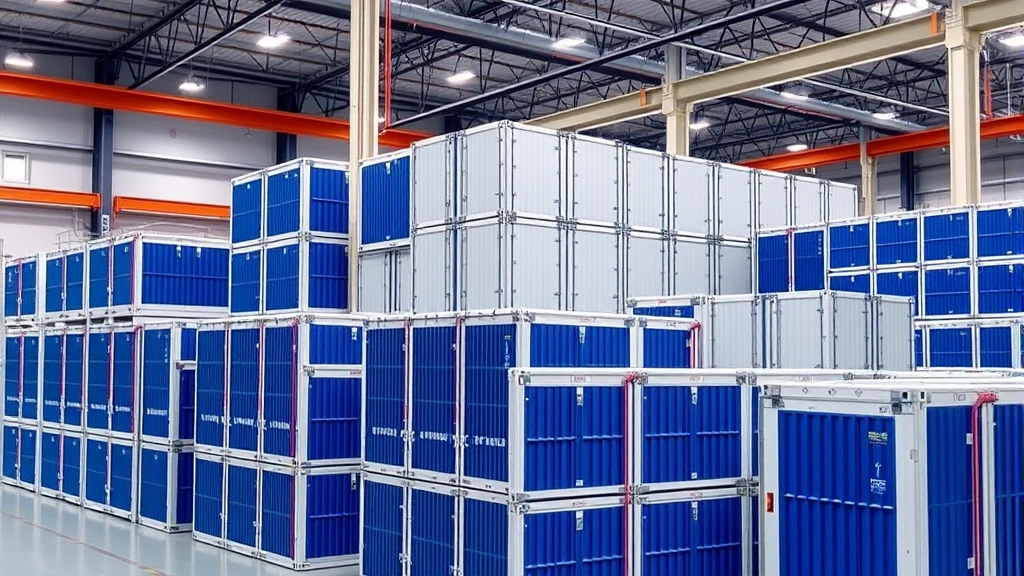
Battery energy storage systems (BESS) have emerged as a game-changing technology for renewable energy integration. Companies like Tesla, LG Chem, and others have dramatically reduced battery costs through manufacturing scale and technological improvements. Large-scale battery installations can store excess renewable energy during periods of high generation and release it during peak demand or low renewable output, effectively smoothing out intermittency issues.
California has become a global leader in grid-scale battery deployment, with multiple projects exceeding 100 megawatt-hours of capacity. These installations demonstrate that reliable, renewable-powered grids are technically feasible. PG&E’s participation in battery storage development reflects recognition that this technology is essential for achieving ambitious clean energy targets while maintaining grid stability.
Beyond batteries, utilities explore diverse storage solutions including pumped hydro storage, compressed air energy storage, thermal storage systems, and even hydrogen production and storage. Each technology offers distinct advantages for different applications and time scales. Pumped hydro provides long-duration storage suitable for seasonal variations, while batteries excel at rapid response and shorter-duration storage needs.
The reliability question also extends to grid resilience—the ability to withstand and recover from disruptions. Renewable energy systems, particularly when geographically distributed and coupled with storage, often provide superior resilience compared to centralized fossil fuel plants. This benefit becomes increasingly valuable as climate change intensifies extreme weather events that threaten grid infrastructure.
Consumer Impact and Rate Considerations
Perhaps no aspect of the energy transition generates more public concern than potential impacts on electricity rates and consumer costs. Transitioning to renewable energy requires massive capital investments in new generation capacity, grid modernization, and storage systems. Utilities must recover these costs through rates, raising legitimate questions about affordability and equity.
However, the economic calculus has shifted dramatically in recent years. Renewable energy costs—particularly solar and wind—have declined so substantially that new renewable projects often cost less than operating existing fossil fuel plants. This economic advantage means that long-term, renewable-based energy systems may ultimately prove cheaper than continued reliance on fossil fuels, especially when accounting for climate-related damages and health impacts of air pollution.
PG&E faces the challenge of managing transition costs equitably across its diverse customer base. Low-income households, which spend higher percentages of income on energy, require particular attention to ensure that the clean energy transition doesn’t become a regressive burden. This consideration is driving interest in programs that provide rebates for energy efficiency improvements, support for solar installations, and rate structures that protect vulnerable populations.
Consumers also benefit directly from aspects of the energy transition. Rooftop solar installations, when economically feasible, reduce electricity bills and provide energy independence. Electric vehicles, while requiring upfront investment, offer dramatically lower operating costs compared to gasoline-powered vehicles. Green technology innovations transforming our future increasingly provide economic benefits that align with environmental objectives.
The rate structure question involves complex regulatory considerations. Utilities traditionally earned returns based on capital investments, creating incentives to build large centralized plants. Modern regulatory frameworks increasingly encourage distributed resources, efficiency improvements, and demand management—fundamentally different business models that require rate structures supporting utility financial viability while incentivizing clean energy transitions.
Future Outlook for California’s Energy
California’s energy future depends on successful execution of multiple interconnected strategies. Achieving 100% clean electricity by 2045 requires sustained renewable energy deployment, continued technological innovation, and supportive policy frameworks. PG&E’s role as the state’s largest utility means its strategic choices will significantly influence whether California achieves its climate goals.
Several trends suggest optimism about the transition’s feasibility. Renewable energy costs continue declining, battery storage technology improves and becomes more affordable, electric vehicle adoption accelerates, and consumer interest in clean energy grows. These factors create positive feedback loops where successful renewable deployment reduces costs, encouraging further expansion.
However, challenges remain substantial. Grid modernization requires coordinated investment across utilities, technology developers, and government agencies. Regulatory frameworks must evolve to support distributed resources and energy efficiency while maintaining utility financial health. Political will must sustain through multiple election cycles. And emerging technologies—such as green hydrogen for hard-to-electrify applications—must mature and achieve economic viability.
The broader energy transition also connects to other sustainability imperatives. How to reduce your environmental footprint increasingly involves energy choices at both individual and systemic levels. As utilities like PG&E transition toward clean energy, consumers gain opportunities to align personal choices with climate objectives through renewable energy selection, energy efficiency improvements, and electrified transportation.
Looking forward, utilities will likely operate increasingly as energy service providers rather than simple electricity generators. This evolution involves managing distributed solar installations, electric vehicle charging networks, building energy systems, and demand response programs. The companies that successfully navigate this transition while maintaining reliable, affordable service will serve as models for the global energy industry.
FAQ
What percentage of PG&E’s energy currently comes from renewable sources?
PG&E’s current renewable energy portfolio includes approximately 50% of retail electricity from eligible renewable sources and zero-carbon resources, with continued growth targets toward 100% clean electricity by 2045. This includes solar, wind, hydroelectric, and geothermal generation, along with nuclear power.
How does energy storage technology support grid reliability with renewable energy?
Battery energy storage systems capture excess renewable generation during peak production periods and release stored energy during high-demand periods or when renewable output is low. This smooths out intermittency, maintains consistent power availability, and reduces the need for fossil fuel backup generation.
Will transitioning to renewable energy increase electricity rates for consumers?
While transition costs require upfront investments, renewable energy costs have declined dramatically, often making new clean projects cheaper than operating existing fossil fuel plants. Long-term rates may stabilize or decrease despite near-term transition costs, particularly when accounting for avoided climate damages and health benefits.
What role do consumers play in California’s energy transition?
Consumers contribute through renewable energy choices, energy efficiency improvements, rooftop solar installations, electric vehicle adoption, and demand response program participation. These actions reduce overall system costs and accelerate the transition toward clean energy.
How will electric vehicle adoption affect the electrical grid?
Widespread EV adoption increases electricity demand but also creates opportunities for smart charging that supports grid stability. When coordinated with renewable generation and storage, EV charging can help balance variable renewable output and reduce overall system costs.
What challenges remain for achieving 100% clean electricity by 2045?
Key challenges include continued renewable capacity development, grid modernization costs, energy storage scale-up, emerging technology maturation (green hydrogen), regulatory framework evolution, and sustained political commitment across multiple election cycles.
Exploring the latest developments in utility energy transitions, industry observers continue monitoring how companies like PG&E implement these strategies. Visit the SustainWise Hub Blog for ongoing coverage of energy industry developments and sustainability innovations shaping our collective future.


