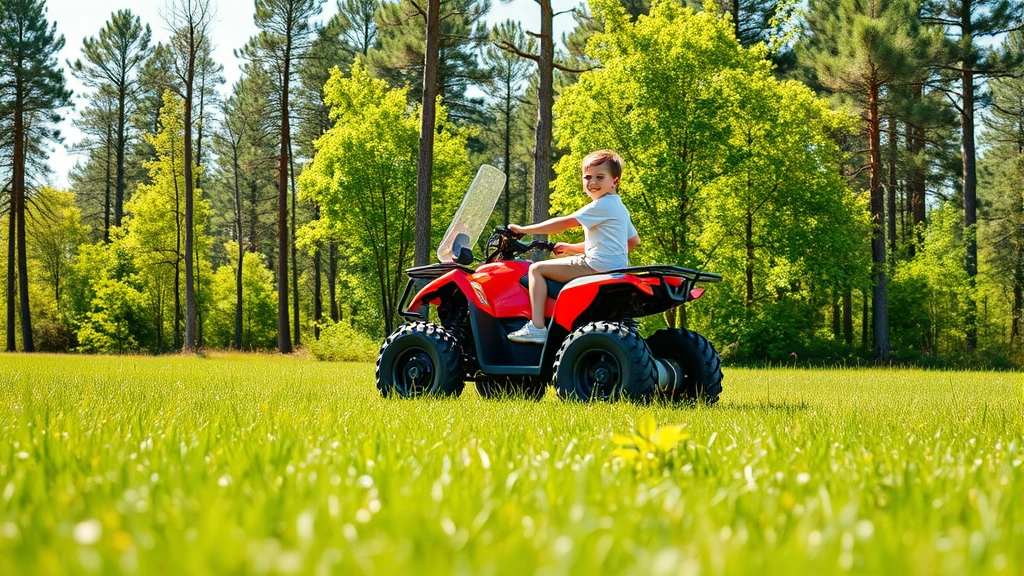
Are Gas 4-Wheelers Eco-Friendly? Insights Inside
When parents consider purchasing a kid 4 wheeler gas-powered vehicle, environmental impact often takes a backseat to fun and performance. However, understanding the ecological footprint of these recreational machines is increasingly important as we face climate challenges and air quality concerns. Gas-powered four-wheelers, commonly known as ATVs (All-Terrain Vehicles), emit greenhouse gases, consume fossil fuels, and contribute to soil and water pollution when not properly maintained or operated responsibly.
The question isn’t simply whether gas 4-wheelers are eco-friendly—most aren’t by conventional environmental standards—but rather how we can make informed decisions about their use, maintenance, and potential alternatives. This comprehensive guide explores the environmental reality of gas-powered ATVs, their impact on ecosystems, and practical strategies to minimize harm while teaching children about sustainable recreational practices.
Environmental Impact of Gas-Powered 4-Wheelers
Gas-powered recreational vehicles represent a significant but often overlooked source of pollution. Unlike cars and trucks regulated by strict emission standards, many ATVs lack equivalent environmental controls. A single gas 4-wheeler can produce emissions comparable to multiple modern vehicles, making them problematic from an environmental perspective. The engines are typically small, two-stroke designs that burn fuel inefficiently, releasing unburned hydrocarbons and other pollutants directly into the atmosphere.
The environmental consequences extend beyond air pollution. Off-road vehicle use contributes to reducing your environmental footprint requires understanding all recreational choices. When families choose to use gas 4-wheelers, they’re contributing to cumulative environmental damage through multiple pathways simultaneously. The manufacturing process itself requires energy and resources, the fuel extraction involves environmental disruption, and the end-of-life disposal creates additional waste challenges.
Understanding these impacts helps parents make conscious decisions about whether a kid 4 wheeler gas-powered model aligns with their family values and environmental commitments. Exploring advantages of electric vehicles can provide perspective on cleaner alternatives available today.

Emissions and Air Quality Concerns
Gas 4-wheelers emit several harmful pollutants that directly affect air quality and human health. The primary culprits include carbon dioxide (CO₂), nitrogen oxides (NOx), particulate matter (PM), and volatile organic compounds (VOCs). These emissions contribute to ground-level ozone formation, acid rain, and respiratory health problems, particularly in children whose lungs are still developing.
Research from the EPA Air Quality Division indicates that recreational vehicles, including ATVs, contribute measurably to regional air pollution. A two-stroke engine, common in smaller recreational 4-wheelers, can emit up to 30% of its fuel unburned into the atmosphere. This inefficiency means that for every gallon of gas burned, a significant portion becomes atmospheric pollution rather than useful energy.
The cumulative effect matters significantly. In areas with heavy ATV use—popular off-road recreation zones, rural communities, and tourist destinations—air quality degradation becomes measurable. Children exposed to this pollution face increased risks of asthma, bronchitis, and other respiratory conditions. Parents considering a kid 4 wheeler gas purchase should factor in these health implications, particularly if their children have any respiratory sensitivities.
Modern four-stroke engines produce fewer emissions than two-stroke models, making them a relatively better choice if gas-powered recreation is non-negotiable. However, even four-stroke engines cannot match the environmental performance of electric alternatives.
Fuel Consumption and Carbon Footprint
The carbon footprint of gas 4-wheelers encompasses multiple lifecycle stages: fuel extraction, refining, transportation, combustion, and vehicle disposal. Even before a child takes their first ride, the environmental cost has already begun accumulating.
Fuel efficiency varies significantly among ATV models. Most recreational 4-wheelers achieve between 15-40 miles per gallon, depending on engine size, design, and riding conditions. Aggressive riding, poor maintenance, and operation on difficult terrain reduce efficiency further. When you calculate the carbon emissions from burning gasoline—approximately 19.6 pounds of CO₂ per gallon—the annual footprint of even occasional ATV use becomes substantial.
A child who rides a gas 4-wheeler for just 100 hours annually (roughly 2 hours per week) might consume 200-300 gallons of fuel yearly, producing 3,900-5,900 pounds of carbon dioxide. Over a decade of childhood recreation, this accumulates to tens of thousands of pounds of greenhouse gas emissions from a single vehicle. This context helps explain why sustainable energy solutions matter for all aspects of modern life, including recreation.
The extraction and refining of petroleum also creates environmental damage through habitat disruption, water contamination, and chemical pollution. By choosing gas-powered recreation, families indirectly support these upstream environmental costs.
Soil and Water Pollution Risks
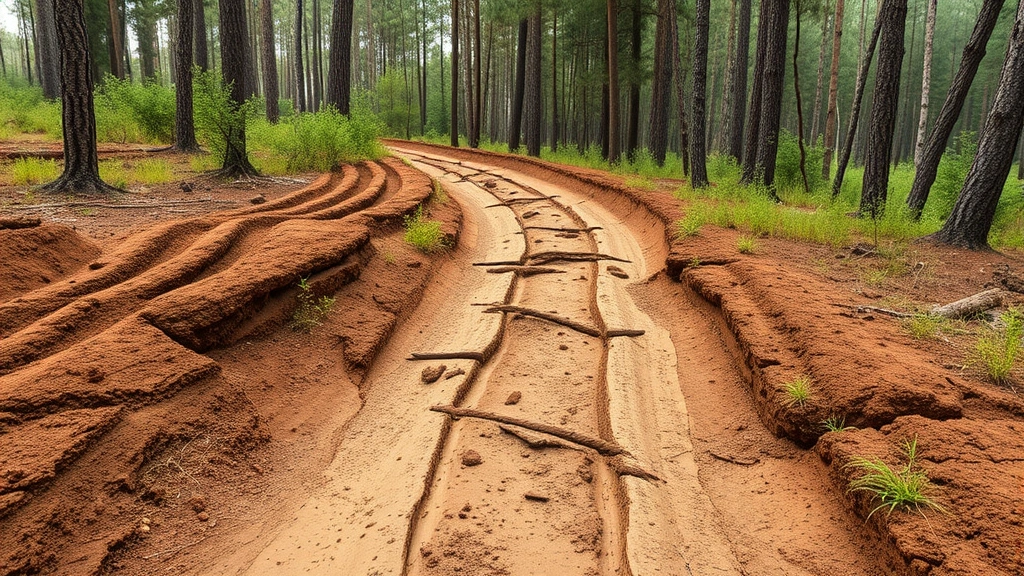
Off-road operation of gas 4-wheelers creates direct physical damage to ecosystems through soil compaction, erosion, and vegetation destruction. These impacts intensify when vehicles operate off designated trails or in sensitive habitats. The combination of mechanical damage and chemical pollution creates compound environmental harm.
Gas leaks and fuel spills from ATVs contaminate soil and groundwater. Even small leaks accumulate over time, particularly in areas with regular ATV use. Oil, gasoline, and transmission fluid contain toxic compounds that persist in soil and water, affecting plant growth, aquatic life, and potentially human water supplies. In areas with intensive recreational ATV use, groundwater testing has revealed elevated levels of petroleum hydrocarbons and other pollutants.
Sediment erosion from damaged trails increases turbidity in nearby streams and rivers, smothering aquatic habitats and reducing light penetration necessary for aquatic plant growth. This erosion also carries nutrients and contaminants downstream, degrading water quality for miles. Fish populations, amphibians, and aquatic invertebrates suffer population declines in areas affected by heavy ATV use.
Parents should recognize that even “responsible” ATV use in designated areas contributes to these impacts. The environmental damage is cumulative and largely irreversible on human timescales.
Habitat Disruption and Biodiversity Loss
Wildlife experiences direct and indirect impacts from recreational ATV use. The noise alone—gas 4-wheelers typically produce 80-90 decibels—disturbs wildlife across large areas, disrupting breeding, feeding, and migration patterns. Ground-nesting birds, in particular, suffer reproductive failure when their habitats experience regular recreational vehicle noise.
Physical habitat destruction from tire tracks and trail widening eliminates vegetation and compacts soil, reducing suitable habitat for ground-dwelling species. Sensitive ecosystems like wetlands, meadows, and riparian zones face particular vulnerability to ATV damage. Once degraded, these habitats recover slowly, taking decades to restore ecological function.
Invasive species spread more readily in disturbed habitats created by ATV trails. The vehicles themselves transport seeds and plant fragments between locations, facilitating the spread of invasive species that outcompete native plants. This cascading effect alters entire ecosystems, reducing biodiversity and resilience.
Understanding these broader ecological impacts helps contextualize why environmental organizations increasingly advocate for limiting recreational vehicle access to sensitive areas. Families interested in definition of sustainability recognize that true ecological stewardship requires limiting impacts across all activities, including recreation.
Electric 4-Wheeler Alternatives
Electric 4-wheelers represent a dramatically cleaner alternative to gas-powered models, though they’re not without environmental considerations. Electric ATVs produce zero direct emissions, operate with minimal noise, and require no fuel extraction or refining. The electricity powering them can come from renewable sources, making the environmental benefit substantial and improving over time as electrical grids transition toward cleaner energy.
Modern electric 4-wheelers offer impressive performance specifications. Models designed for children and young teens provide adequate power and speed for recreational use while maintaining safety margins. Battery technology has improved substantially, with modern lithium-ion batteries providing 2-4 hours of riding time per charge—sufficient for typical recreational sessions.
The environmental advantage extends throughout the lifecycle. Electric motors have fewer moving parts, requiring less maintenance and producing minimal waste. Battery recycling programs are increasingly available, ensuring responsible end-of-life management. Exploring advantages of electric vehicles applies equally to recreational applications as to transportation.
Cost represents the primary barrier to electric ATV adoption. Quality electric models typically cost 30-50% more than comparable gas-powered vehicles. However, lower operating costs—electricity is cheaper than gasoline, and maintenance is minimal—offset this premium over the vehicle’s lifetime. Environmental-conscious families increasingly view this premium as an investment in their children’s future and global sustainability.
Best Practices for Responsible ATV Use
If your family chooses to use gas-powered 4-wheelers, implementing responsible practices minimizes environmental harm. These strategies don’t eliminate the impact but reduce damage significantly:
- Maintain equipment meticulously: Regular oil changes, air filter cleaning, and spark plug replacement optimize engine efficiency and reduce emissions. Well-maintained engines produce 20-30% fewer pollutants than neglected ones.
- Stay on designated trails: Off-trail riding causes maximum environmental damage through habitat destruction and erosion. Designated trails are engineered to minimize impact and concentrate damage to specific corridors.
- Choose four-stroke over two-stroke engines: Four-stroke engines produce significantly fewer emissions and use fuel more efficiently. They’re louder but environmentally preferable.
- Limit riding frequency and duration: Reducing overall use proportionally reduces environmental impact. Weekend recreation rather than daily riding dramatically decreases cumulative harm.
- Avoid sensitive habitats: Never ride near wetlands, riparian zones, or known wildlife breeding areas. Respect seasonal closures designed to protect nesting birds and other vulnerable species.
- Use lower-power models: Smaller engines consume less fuel and produce fewer emissions. A child’s recreational needs rarely require maximum power.
- Implement noise reduction: Aftermarket mufflers can reduce engine noise, minimizing wildlife disturbance.
These practices represent harm reduction rather than true sustainability. They acknowledge that gas ATV use carries environmental costs that responsible operation can only partially mitigate.
Teaching Children Environmental Stewardship
Regardless of whether families choose gas or electric 4-wheelers, this decision presents an opportunity to teach children about environmental responsibility and sustainable choices. Parents can frame recreational vehicle selection as an environmental lesson, explaining why they chose their particular option.
Children who understand that their recreational choices have environmental consequences develop stronger environmental values as they mature. If your family uses gas-powered equipment, explain the emissions, fuel consumption, and habitat impacts. If you’ve chosen electric alternatives, discuss why. Either way, the conversation builds environmental literacy.
Encourage children to research green technology innovations transforming our future and understand how their recreational choices align with broader sustainability goals. Visit natural areas together and discuss the habitats you’re protecting through responsible recreation practices.
Teaching children to respect natural spaces, follow trail regulations, and minimize their impact creates lifelong environmental stewardship. These lessons extend beyond recreation to inform all their future choices regarding energy consumption, transportation, and resource use.
Families interested in broader environmental education can explore SustainWise Hub Blog for additional resources on sustainability topics appropriate for family discussion.
FAQ
Are gas 4-wheelers safe for children?
Safety depends on age-appropriate sizing, proper training, protective equipment, and supervised riding. Environmental concerns exist independently of safety considerations. Both factors should influence purchase decisions.
How much does an electric 4-wheeler cost?
Quality electric 4-wheelers for children range from $2,000-$6,000, depending on power and features. Gas-powered equivalents typically cost $1,500-$4,000. Operating costs favor electric models significantly over time.
Can a gas 4-wheeler be converted to electric?
Conversion is technically possible but expensive and impractical for most owners. Purchasing a purpose-built electric model is more cost-effective and reliable.
What’s the environmental impact of battery production for electric 4-wheelers?
Battery manufacturing requires energy and mining of materials like lithium and cobalt. However, this one-time impact is offset within the first year of operation through reduced emissions compared to gas-powered alternatives.
Are there eco-friendly riding practices?
Yes. Staying on designated trails, avoiding sensitive habitats, maintaining equipment properly, limiting riding frequency, and choosing lower-power models all reduce environmental impact.
Do electric 4-wheelers perform as well as gas models?
Modern electric 4-wheelers offer comparable acceleration, top speed, and handling for recreational use. They excel at torque delivery and quiet operation. Ride time between charges (2-4 hours) suits typical recreational sessions.


